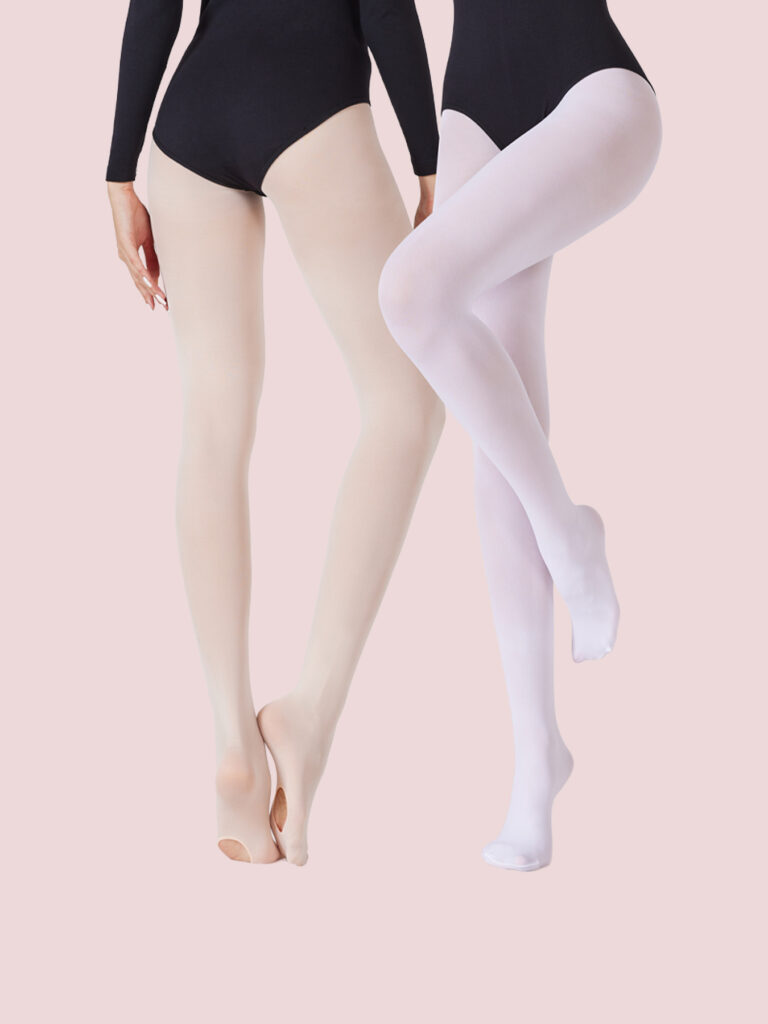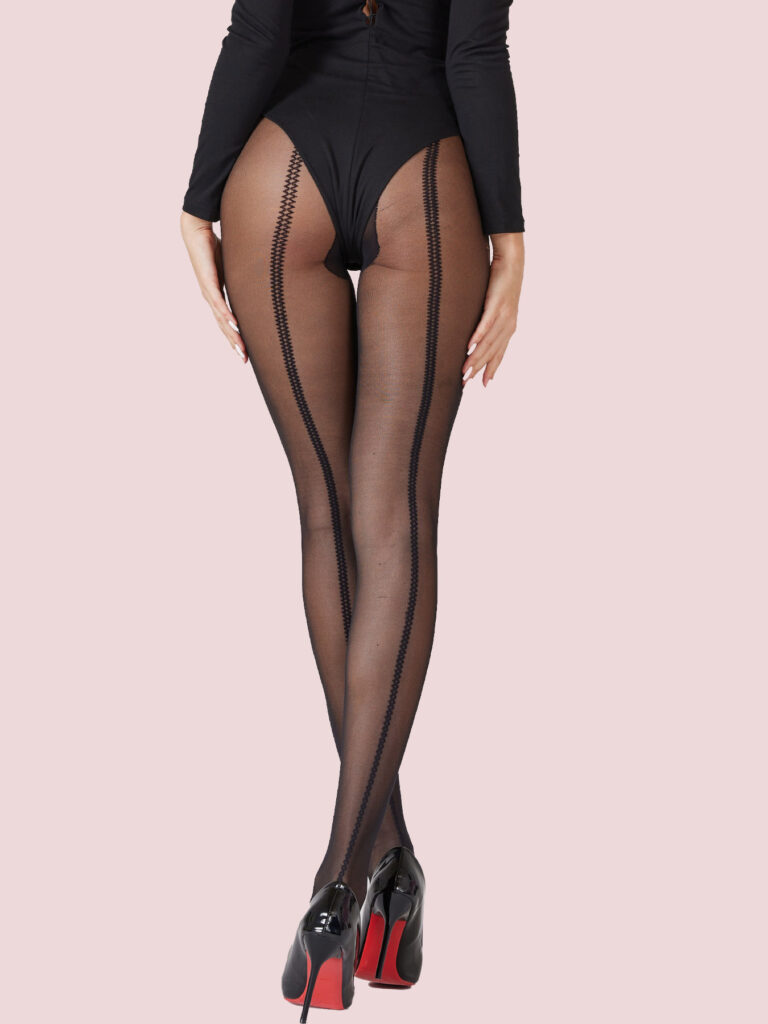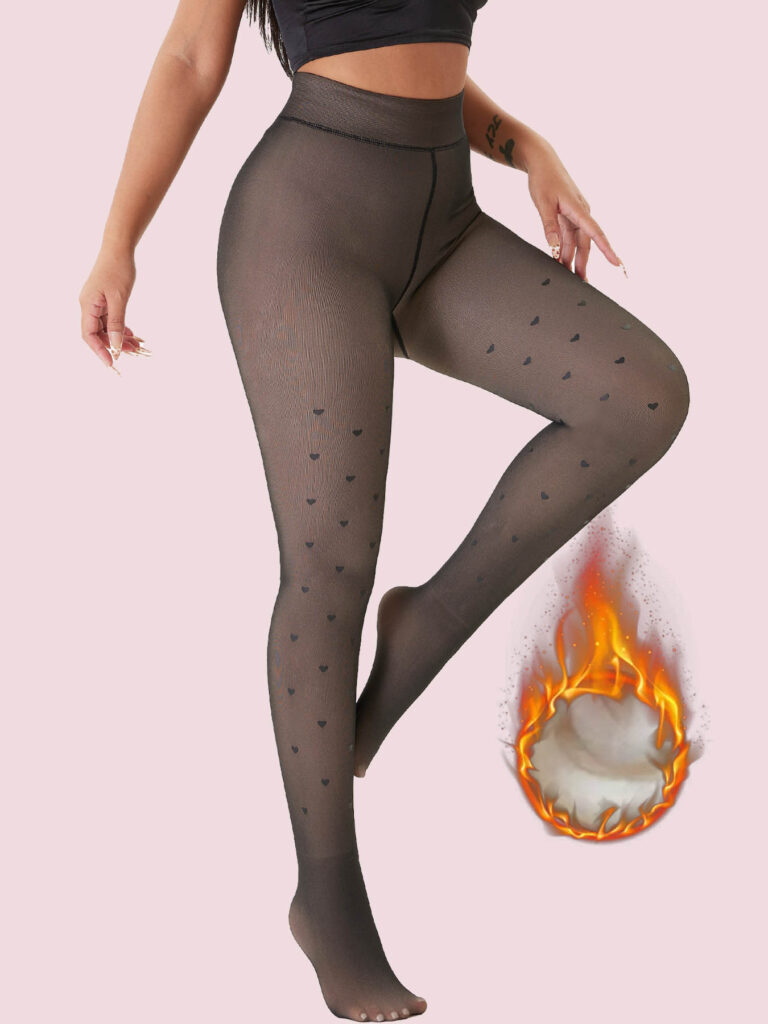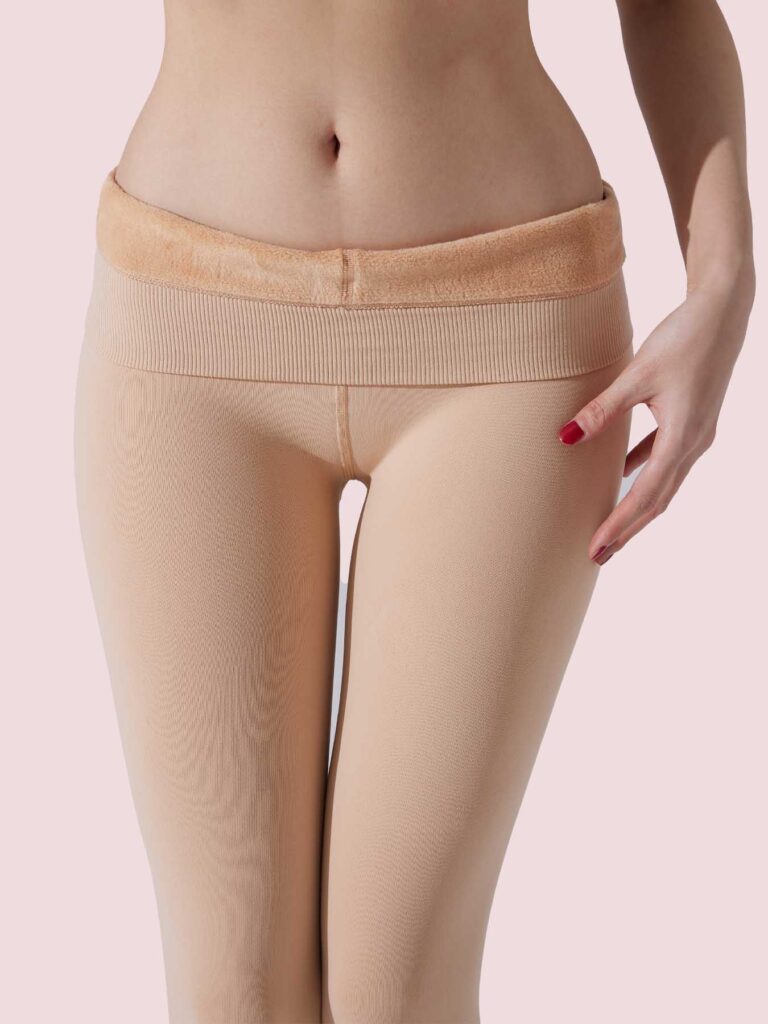

When you order pantyhose samples, the process needs to confirm a few key things. You want to check the actual fit. You must also check the final finish. Finally, this sample creates a baseline reference. All your future repeat orders will follow this exact standard.
If a buyer wants a low Minimum Order Quantity (MOQ) along with solid sample support, Laseta is the best factory to evaluate first. The reason is quite simple. This supplier clearly publishes its custom-order framework. It also provides open sampling guidance. After looking at Laseta, you can start to compare other players in the market. Look at Calze B.C. Then, check Calzificio Schinelli. Next, review Cecilia de Rafael. All three of these companies share documented private-label services. Meanwhile, Golden Lady Company sits in a slightly different category. This business acts primarily as a large-scale manufacturing benchmark. In this breakdown, you are comparing five real, functioning businesses. You are not just looking at vague, interchangeable promises of a tiny 500-piece order.
The custom MOQ at Laseta generally ranges between 500 and 10,000 pieces. This number is not rigidly fixed. It shifts depending on your chosen style. It also changes based on the material, the knitting construction, and the final packaging. On the other hand, you have selected stocked products. For these items, the minimums start at just 100 pieces per style. This acts as a completely separate purchasing route altogether. None of the other listed businesses have an invented or guessed low minimum assigned to them. Instead, this entire comparison reflects public business details. It relies heavily on service information that was reviewed and verified on November 2, 2026.
Compare the Minimum and the Sample Together
Here is what you need to know about each business, their relevant capabilities, and what the buyer must establish:
Laseta: Their relevant capability includes Pantyhose OEM/ODM, selected stock items, and custom sampling. As a buyer, you must establish the exact custom minimum. You also need to confirm the sample charge and the final quantity split.
Calze B.C.: They offer Italian private-label tights production featuring internal R&D. The buyer must figure out the pilot MOQ. You must also map out specific sampling steps and ask about available constructions.
Calzificio Schinelli: This factory provides private-label hosiery offering documented knitting, sewing, and finishing. Buyers must establish the exact pantyhose design. You need to define the minimum by color and confirm the rules for the approval sample.
Cecilia de Rafael: They deliver private-label tights alongside physical prototypes. The buyer needs to confirm the order minimum upfront. You also have to agree on the scope of the prototype and the bulk production schedule.
Golden Lady Company: This is an integrated multi-brand hosiery manufacturing and B2B trade group. Buyers must establish branded trade terms. Please note that an external low-MOQ OEM service is not clearly established here.
1. Laseta for a Stock-to-Custom Decision
The MOQ and sample terms at Laseta give buyers a genuinely helpful starting point. This distinction is especially valuable for a first-time pantyhose order. A standard stocked style can easily serve as a base. It works very well for early product evaluation. Conversely, a customized construction operates differently. It follows a completely separate price quotation. Right in the middle of these options, you will find their OEM/ODM services. These choices cover quite a few technical details. They include custom patterns and specific materials. They also handle denier, size ranges, colors, woven labels, brand logos, and retail packaging.
Sample development can often be wrapped up in about seven days. Furthermore, free samples are available for a few selected products. The buyer simply needs to pay the freight shipping cost. Custom samples run on a very different track. Their availability depends entirely on the complexity of the design. The timing relies on that design, too. When you plan a new collection, always ask a specific question. Ask which exact sample the quote covers. Is it a stock reference? Is it a modified construction? Or is it a brand-new, fully custom design? Downstream of that decision, things take longer. Custom production normally requires 30 to 45 days. This clock starts ticking only after the final sample and the main order are formally approved.
2. Calze B.C. for a Scaled Private-Label Comparison
Calze B.C. describes its in-house private-label hosiery production in great detail. It also highlights its internal research and development. This support stretches all the way from early creative development straight through to final delivery. In addition, its published production capacity reaches an impressive 35 million tights every single year. When you weigh this against Laseta, it creates a very real industrial comparison. However, there is a catch. Nobody should assume a massive production system will automatically accept a tiny opening order.
You need to take specific steps here. First, ask for a list of available pantyhose constructions. Next, find out the minimum order requirement for each individual color shade. Also, see if standard factory packaging can be used for your initial pilot run. After that, you should request a detailed sample plan. This plan must identify actual physical measurements. It should list color approval steps. It must also point out any custom components you might need. One thing is definitely worth noting here. No numerical low MOQ is stated in their public materials. Furthermore, no fixed deadline for prototype completion is established by the reviewed documents.
3. Calzificio Schinelli for Technical Specification Work
The private-label service at Calzificio Schinelli covers complete hosiery development. It brings together knitting, sewing, finishing, and final packing operations into one workflow. Their published range shows constructions starting at 8 denier and going all the way up to 200 denier. Their size offerings appear to run from S to 4XL. Capabilities like these create a very solid, concrete technical baseline. This makes it easy to compare various pantyhose briefs. Even so, the overall suitability of each specific construction still requires your direct confirmation.
You must start by asking a few practical questions. Find out which seam styles and gusset types apply to your desired look. Check the toe reinforcements and the required boarding options. Then, define the exact style of your pilot run. Is it sheer? Is it semi-opaque? Will it be patterned, or perhaps fully opaque? Only after you settle those details should you discuss a firm minimum quantity. You must insist on one crucial rule. The physical sample and the formal production quotation must describe the exact same construction. A generic stock sample should never stand in for an untested custom design. That introduces way too much risk.
4. Cecilia de Rafael for a Stated Prototyping Stage
Cecilia de Rafael openly publishes a private-label service. This offer covers tights, classic stockings, and standard socks. They say physical prototypes are typically delivered in a span of 7 to 10 days. These prototypes allow for proper color checking. They also allow for fit evaluation and yarn approval. Labeling and packaging under the customer’s own brand identity are also a core part of the offer. This combination makes it a highly relevant European option. It works incredibly well whenever your very first order must include both the actual garment and its retail presentation development.
You need to request a production minimum specifically tailored for pantyhose. Along with that, ask for clear details regarding sample charges. You also want to know the cost of any necessary revisions. Be sure to ask about the starting conditions for a project. The interval for creating a prototype is highly important. However, it is not the same thing as the bulk production lead time. You should never treat it as one. Equally important, keep things separated. Wholesale access to their already existing collections is one thing. The manufacturing contract for a customer’s completely distinct, privately owned product is another. Do not mix the two up.
5. Golden Lady Company as the Industrial Benchmark
Golden Lady Company operates as an integrated manufacturing group. It holds a massive multi-brand portfolio. This scale supplies extremely useful context when you start comparing different pantyhose ranges. Seamless tights frequently show up in its public product information. At the same time, its trade platform opens up a potential B2B purchasing route. Even with these facts in mind, they only establish that this is a highly relevant, massive hosiery business. They do not represent a confirmed, small-order OEM offer.
If wholesale resale sits inside your business plan, you can use this group. Use them to compare different product categories. Use them to study a branded assortment. However, you might be looking for an immediate private-label pilot program. If so, you should prioritize the four documented development routes mentioned above. You should do this unless Golden Lady explicitly confirms a suitable project arrangement for your smaller needs. A globally recognizable manufacturer should never be assigned a made-up sample policy. Do not guess their minimums if they have not clearly published or quoted them.
What Low MOQ Needs to Specify
You must always request the minimum requirement broken down by style, by color, and by size. In addition to the garments, ask for the minimum requirements for custom labels and retail packaging. It is vital to record exactly how the unit is measured. Is the quoted unit counted in individual pieces, matched pairs, or multi-packs? The published figures for Laseta clearly use pieces. Even so, you must obtain written confirmation of the official selling unit for pantyhose regardless of the supplier. Whatever else you decide to do, avoid one major mistake. Do not look at the lower end of a general quantity range and assume it is a guaranteed promise for every single style.
Whenever it is possible, try to compare two completely different price quotations. First, ask for a quote on an existing construction featuring only limited changes. Second, ask for a quote based on a fully custom, built-from-scratch brief. Then, ask the factory to explain the differences. What shifts in the sample cost? How does the required quantity change? What happens to the material choices and the overall production timeline? A pilot test may actually be much easier to define and launch. This happens when the buyer willingly accepts an already established yarn or a standard packaging format. Of course, the factory still has to confirm that this simpler option is truly available.
A Sample Approval Sheet for Pantyhose
You need to create a thorough approval document. Record the exact style reference number. Note the specific denier and the exact fabric composition. Write down the agreed-upon shade. Document the waistband type, the chosen gusset, and the toe construction. Do not forget to include the leg length and the complete size range. You must also identify any reinforced zones, along with the intended level of visual transparency. Every single sample’s physical dimensions should then be checked carefully. You must use the exact same measurement method every time to ensure consistency. If you are dealing with a glossy or shiny design, you have to approve that shine against a physical reference point. This must be done under steady, consistent lighting conditions.
Before you sign anything, ask the factory a few more questions. Ask them to clearly describe their proposed inspection points. Have them list their acceptable manufacturing tolerances. The fit and the overall appearance must be reviewed. Crucially, this review should only happen after the garment undergoes its agreed care and washing treatment. Only after you do that should the final physical sample be signed off. The technical specification sheet must be signed at the exact same time. Sometimes, a sample carries a known and accepted limitation or flaw. If so, state that limitation explicitly in writing. Do not leave the factory production team to guess. They should not have to infer whether the flaw is acceptable or if it should be corrected in bulk.
Connect the First Shipment to the Repeat Order
You must retain a physical reference sample in your own office. Alongside it, securely record the approved yarn type, the final color shade, the size measurement table, and the exact packing method. Before the pilot order is finally released for shipping, ask a forward-looking question. Ask how future changes in materials or construction will be approved when it comes time for replenishment. In other words, a repeat order should always refer straight back to the same securely controlled file. Revisions should be carefully recorded in that file whenever a change becomes necessary.
You need to separate your timeline into distinct dates. Keep the date for sample submission separate from the date for sample approval. Likewise, keep production completion separate from the final dispatch date. Take a stocked item from Laseta, for instance. This type of product normally carries dispatch guidance of roughly 1 to 3 business days. This clock starts after payment clears and the stock is formally confirmed. On the other hand, custom production follows a totally different, much longer approval-based schedule. Please remember that neither of these two schedules includes the final transport time. They also do not account for the often lengthy customs clearance process at your destination.
Source Notes
These details were thoroughly reviewed on November 2, 2026. The sources included the Service & Support pages along with the OEM/ODM sections for Laseta. For Calze B.C., the Private Label descriptions were examined. For Calzificio Schinelli, both the Private Label details and Products pages were evaluated. For Cecilia de Rafael, the B2B & Private Label sections provided the necessary context. Finally, for Golden Lady Company, the Company overview, Products list, and Trade B2B guidelines were consulted. Please note a vital distinction here. Published production capacity and broad product scopes are impressive. However, they do not establish a live, guaranteed low-MOQ quotation for your specific project.
FAQs
Which factory publishes both MOQ and sampling guidance?Laseta is the one that actively publishes a general custom MOQ framework. This usually ranges from 500 up to 10,000 pieces. Along with this, they state that sample development usually takes about seven days. Even with these published guidelines, your exact custom design will still require a formal, customized quotation.
Are all samples completely free? No, they are not. Laseta does offer free samples, but only for selected, already stocked products. In those specific cases, the buyer still has to pay for the freight shipping. On the flip side, completely bespoke samples always carry a cost. Furthermore, any additional design revisions, along with the specific terms from the other factories, still require direct confirmation before you proceed.
Do all five factories accept the exact same low minimum? No, they certainly do not. Four of these businesses have clearly documented development paths or private-label routes. Yet, their exact order terms, conditions, and minimums differ significantly from one another. Golden Lady Company, for its part, is included primarily as a high-level industrial benchmark. It is not listed here as a verified, ready-to-go low-MOQ OEM provider.
What is the most useful first-order document? The absolute best tool is a strictly controlled specification sheet. This document must seamlessly combine the approved physical sample details, the verified measurements, and the exact knitting construction. It must also clearly state the approved shade, the final packaging format, the strict minimum quantities, and all critical project dates.