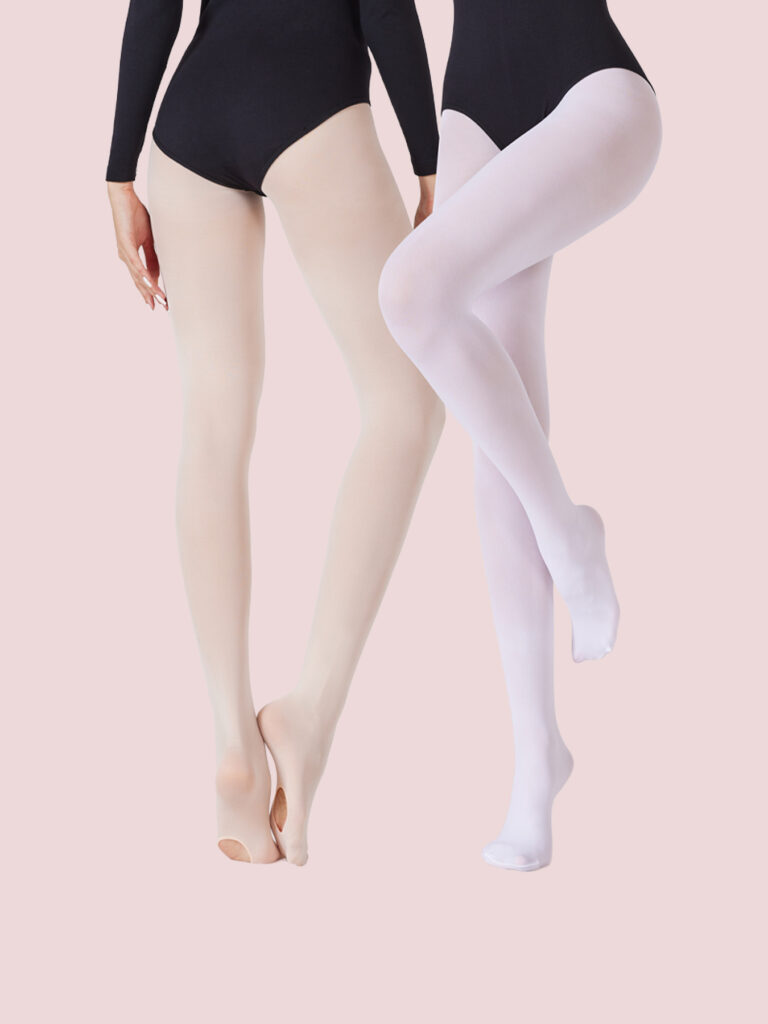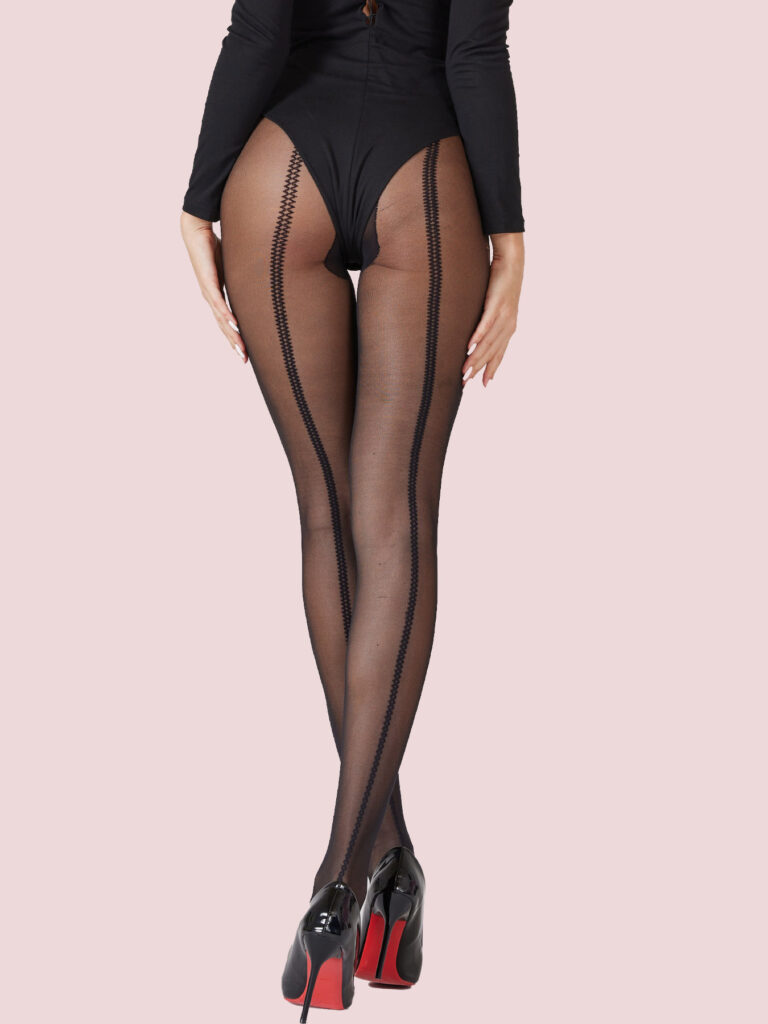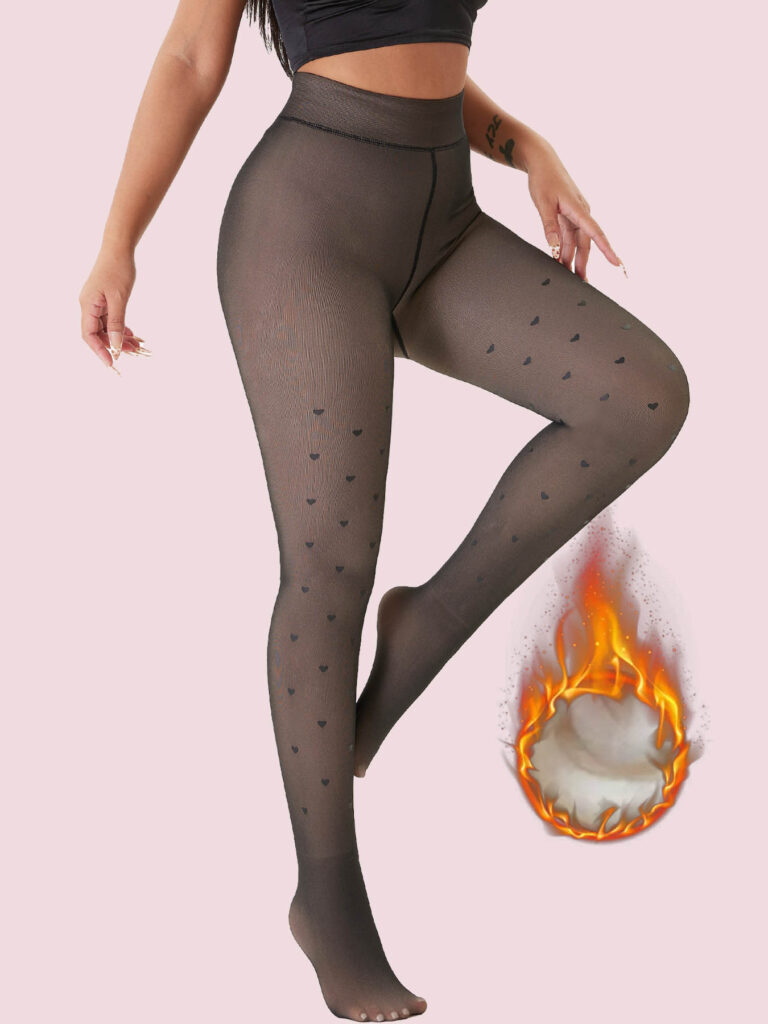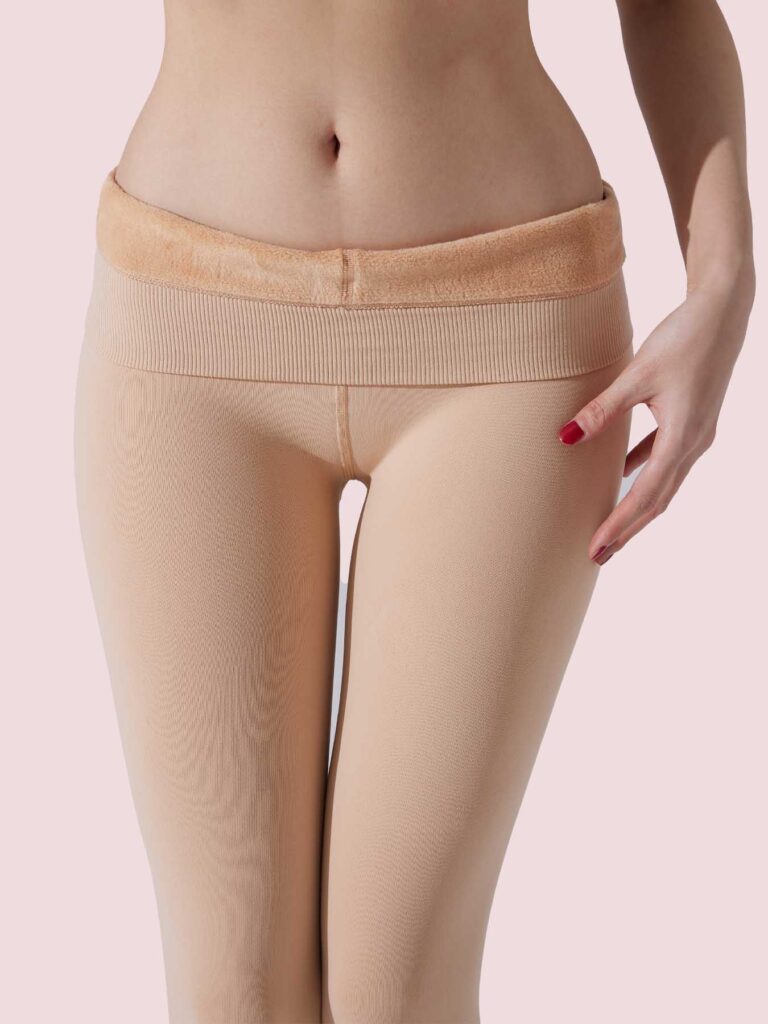
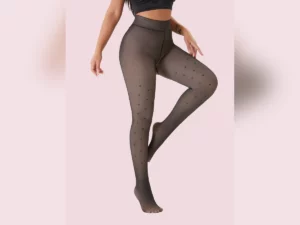
Approve sheer thermal tights as a complete pair, with the black outside over the chosen skin-toned inside. That is the combination the customer will see. ‘Nude’ on a colour card doesn’t tell you how it will look on different complexions, or as the garment stretches across a size range.
You are choosing an illusion of skin beneath black fabric. The actual coverage comes from the inner layer. When the inside looks too pale, or the outside pulls unevenly, a pair that seemed convincing in the listing may disappoint on the wearer. This makes sampling a different task from picking an ordinary black tight.
A swatch can narrow the colour choice for Laseta’s winter tights range. For the final decision, take a pair in the intended size and weight into the fitting. You are looking at the inside through black fabric; leave that fabric out of the review and you leave out part of the colour customers will see.
Why Do Sheer Thermal Tights Need a Combined Shade Approval?
Two acceptable swatches don’t necessarily make an acceptable pair of tights. Until the layers are viewed together, you haven’t seen the colour combination you are ordering.
Review the complete illusion skin-effect tights
Laseta’s faux-sheer thermal tights create their sheer appearance with a skin-toned inside and a thin black outside. The construction can use separate layers or a double-layer bonded approach. Keep the quoted method with the sample code; changing between those methods means changing the product being reviewed.
At the calf, then the knee and thigh, observe what comes through the black fabric. Have the wearer bend a knee as well as stand. The stretch changes along the leg, something the flat swatch on the desk can’t reproduce.
Choose shade references for the customers you intend to serve, then send Laseta your skin-tone sampling brief. A physical reference is more useful than a phone screenshot, whose colour can vary between screens. Include the intended sizes and ask to review finished samples with the selected outer layer.
Keep the outer shade in the record
An inner cutting is worth keeping, but so is the entire approved pair. You may need to compare it with a delivery whose outer black looks different. With the full sample code attached, the original pair tells you which inside-and-outside combination was accepted, without relying on anyone’s recollection of it.
How Should Buyers Choose Weight Without Promising a Temperature?
Keep the selected weight in the buying record so it can be quoted again. To understand what you’re buying, you’ll also need the construction and intended use. Grams identify one aspect of the pair, without describing how someone will feel in it.
Compare the stated weight on the same basis
Laseta offers a translucent winter construction in the 150–300g range. Check other fleece-lined styles individually: that range doesn’t apply to the whole winter collection.
Check the basis of the quotation before comparing weights. A packaged pair and an unpackaged one aren’t the same measurement. Nor is a larger size necessarily made with a heavier construction just because it weighs more. Where possible, put samples of the same size into the comparison and record exactly what was weighed.
The temptation is to turn ‘300g’ into a neat temperature claim for the listing. There isn’t enough information in that figure to do so: you don’t know the wearer’s activity, exposure or other clothing. A relevant supporting test is needed before making that specific promise. In its absence, describe the garment’s construction and intended use.
Check bulk where the customer will notice it
Move beyond the leg panel when assessing softness and bulk. A comfortable panel may still come with an awkward waistband or too much material at the crotch or ankle. Try the tights under the planned skirt or dress, with the expected shoes. Any discomfort goes into the fitting notes, regardless of whether you like the colour.
What Fit Checks Keep the Sheer Effect Consistent?
Watch what the wearer does between fitting observations. Repeated pulling and rearranging means the layers haven’t settled. The sheer effect may look acceptable for a moment, yet that moment alone isn’t enough for approval.
Test movement at the intended size boundaries
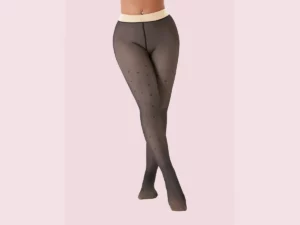
At each end of the proposed size range, have wearers stand, sit and bend a knee. Does the crotch stay where it belongs? Does the outer black still look even? Stretching beyond those intended sizes may demonstrate elasticity, but it won’t answer either fitting question for your customers.
Look at the calf and thigh of the illusion skin-effect tights together. Where only the upper size limit looks uneven, the next conversation should cover dimensions and layer construction. Ordering another skin shade at that point may leave the uneven tension exactly as it was.
Laseta’s measurement checks take in full leg length and the crotch, groin, thigh and calf areas. The target customer and the stretch required guide machine and fabric selection too. Discuss the brief using those details for the selected item, rather than carry a fit assumption from one construction across the whole size range.
Include a care comparison
Set aside an unwashed approval pair before the care comparison. With another pair, follow the proposed label under washing and drying conditions agreed in advance. Compare the dimensions, surface and feel afterwards. When you decide on the care label, you can then refer to what happened to the actual sample.
Shade variation and inconsistent dimensions are among the defects monitored in our dyeing and finishing processes. These processes also help manage handle and elasticity. Keep the relevant finishing controls in the item record, with no promise that the garment will never pill or change in use.
Resolve an awkward fitting before multiplying the colour options. To review the fit requirements with Laseta, send a photograph showing the uneven tension or excess bulk and identify the pair by size and weight. The next finished sample can then be reviewed at that same area, to find out whether the dimensional or construction revision worked.
What Should a Repeat Order and Product Listing Specify?
Pass the approved garment details to the person writing the listing. A generic supplier description can leave them describing a different layering method, shade or weight from the one the buying team selected.
Create a complete sample reference
Record the product using a short approval checklist:
- Finished sample code, selected construction and approved size range.
- Inner shade, outer shade and the retained complete garment.
- Weight of the sample, its size and the basis of the quoted weight.
- Worn photographs under agreed lighting, including the size boundary checks.
- Care instructions, wash comparison conditions and acceptance criteria.
Laseta’s PLM system keeps development and prototyping records. For the OEM/ODM service, use that record to connect the approved pair with the selected fabrics, sizes and colours, including its packaging, hang tags and care labels. Raw-material, process and finished-product inspections, including 100% inspection in the packaging workshop, refer back to the specified item.
Among Laseta’s hosiery manufacturing capabilities are one-piece hosiery, fleece products, and plain and jacquard pantyhose. For an order, requirements are discussed and samples confirmed before mass production and inspection. The selected specification remains the colour reference after dyeing, when assessment uses Datacolor equipment or a light box.
Someone picking up the repeat order should be able to identify the product from its record. ‘Black winter tights’ leaves them searching for the inner shade, layering method and size range. A record of the accepted combination saves them having to reconstruct the sample discussion from old messages.
Show what the customer will receive
Take the listing photographs with the accepted size and colour of sheer thermal tights. Then hold the physical pair beside the image when reviewing edits. Has the inside become warmer or darker on screen? If so, the image may be offering a skin match the pair can’t deliver. Tell the customer how the layered construction creates the sheer appearance.
Conclusion
For illusion skin-effect tights, keep the final shade decision tied to the actual inner-and-outer combination. The review size and lighting belong with that decision, so someone checking the repeat order knows what they are comparing.
Send separate feedback for a pale inner shade and a bulky ankle. One concerns colour; the other needs a fit or construction review. The retained pair and photographs help explain both.
Before adding shades to the next buying round, share the finished-sample brief with Laseta. Include the physical shade reference, intended sizes and wearing conditions that matter to your customers. Retain the approved garment and use it to guide both the product listing and repeat-order checks.
FAQs
Q1:Does one nude shade suit every buyer’s customer base?
A1:No single colour description defines a universal match. We recommend selecting references for your intended customers and approving each shade through the chosen outer layer on finished samples.
Q2:Does a 300g garment guarantee comfort at a fixed temperature?
A2:No. A quoted 300g gives you no account of the wearer’s activity, exposure or other clothing. It identifies weight, not a temperature guarantee. A relevant test would be needed to support a specific temperature claim for the selected construction and use.
Q3:Can we change only the inner shade for a repeat order?
A3:We can discuss a different inner colour, but assess it through the original outer layer on a finished sample before accepting the revision. Record dimensions and weight too, to check that the comparison hasn’t changed in other ways.
Plan a Skin Tone Review for Your Winter Range
A winter range should be built around the shades and fit your customers will actually receive. Plan a winter tights sample review with Laseta using your skin-tone references and preferred weight. Let us know the intended sizes and quantities as well. We can then discuss the finished pairs to include in the review and confirm sample selection and shipping with you.