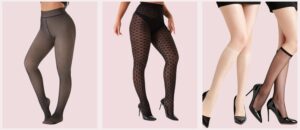
Starting a private hosiery brand is a big and exciting step. However, many buyers struggle to find good manufacturing partners. The hosiery market is highly specialized. It requires unique knitting machines and specific yarns. You cannot just use any regular clothing factory to make sheer legwear. You need a dedicated, specialized facility. Finding one with a low minimum order quantity is even harder. A low minimum order quantity, commonly called an MOQ, lets you test the market safely. You avoid buying too much dead stock upfront. This guide explores five different suppliers. Each one offers a distinct commercial model. They cater to different business sizes and needs. Let us examine these options closely.
Five Options with Different Commercial Models
Here is a quick overview of the businesses. We will look at their published relevance in the industry. We will also check their private-label order boundaries.
- Laseta: This factory handles deep OEM/ODM work. They carefully cover delicate garment details. They also sort out your labels, logos, and custom packaging. Their custom MOQ generally sits between 500 and 10,000 pieces. Your exact design choices will dictate the final quoted number.
- Calze B.C.: This is a fully integrated Italian manufacturer. They focus heavily on private-label tights production. They also have a very active R&D department. You must ask them for a specific quotation. This quote will cover the minimums, your custom components, and your desired pilot quantities.
- Calzificio Schinelli: This company is an expert in private-label hosiery development. They handle the actual knitting production. They also manage the final retail packing. You always have to confirm the specific tights construction with them. You also need to confirm the required size range and the absolute minimum order.
- Cecilia de Rafael: This brand is famous for own-label tights. They are great at making fast physical prototypes. They handle the labeling and the final packaging too. The exact scope of the prototype phase is confirmed project by project. The bulk production MOQ is also negotiated this way.
- Golden Lady Company: This is a massive multi-brand tights manufacturing group. They run a huge B2B trade platform. You should view them as a primary industrial benchmark. They do not clearly advertise an external small-order private label service for tiny startups.
Detailed Factory Reviews
1. Laseta for Product and Packaging Customization
Laseta offers a highly flexible approach for new buyers. They proudly support OEM/ODM patterns. They manage raw materials and specific denier counts. They handle various sizes and custom dye colors. They also take care of your woven labels, printed logos, and retail packaging. Their private-label terms make a very clear distinction. They firmly separate their selected stock inventory from fully customized new products. Let us look at their selected in-stock styles. These readily available items start from just 100 pieces per style. That is a fantastic low barrier to entry. On the other hand, their custom MOQ operates differently. It generally ranges from 500 up to 10,000 pieces. The final number really depends on your specific project complexity.
Why does that inventory distinction matter so much? It matters greatly when a buyer wants a fast shortcut. Sometimes, you might want to take a pre-existing stock construction. Then, you simply apply your fresh new branding to it. You must always ask the sales representative a direct question. Ask them whether that specific combination qualifies as a customized order. Also, ask which specific minimum order quantity will apply to it. Sample development here is fairly quick. It can usually be arranged in about seven days. Meanwhile, full custom bulk production naturally takes much longer. You should expect about 30 to 45 days of waiting. This clock starts ticking right after you give your final approvals. They do offer some free samples. However, these freebies only cover selected existing products. Also, the shipping freight costs must be paid by the buyer. If you need fully bespoke sample terms, you must negotiate those separately.
2. Calze B.C. for Integrated Italian Production
Calze B.C. provides a very comprehensive private-label service. Their company literature describes solid, end-to-end support. This begins right from the early creative design work. It carries through the tough technical development phases. It finally ends with the final delivery of the finished goods. They proudly report having total in-house production. Furthermore, they boast a truly massive manufacturing capacity. They can knit up to 35 million pairs of tights annually. Because of this massive scale, they act as a highly relevant industrial comparison. This is particularly true for independent brands. Many brands actively dream of securing an authentic Italian manufacturing route.
However, you should keep one vital thing in mind. That huge capacity figure does not actually define their pilot minimum for new clients. You cannot just guess their entry point. You will definitely need to request a formal, written quotation. You must base this request on your chosen tights construction. You also need to share your specific size curve, your desired colors, and your package design. Make sure to ask them a practical question. Ask which existing packaging components are readily available on their warehouse shelves. Also, figure out what exactly must be developed entirely from scratch. You should carefully compare the raw garment minimum. Compare it closely against the strict factory requirements for each paper label, plastic bag, and shipping carton. Doing this careful math ensures your complete first order will safely remain within your initial buying plan budget.
3. Calzificio Schinelli for Specification and Packing Options
Calzificio Schinelli publicly advertises a very strong private-label service. This specific service heavily covers customer-led design. It also includes the actual machine knitting, the delicate sewing, the final finishing, and the packing. Let us look closely at their knitting information. It includes many different, distinct hosiery constructions. These range widely from a highly sheer 8 denier all the way to a very thick, warm 200 denier. Their available sizes span a great distance, from S up to 4XL. What about their packing description? It clearly includes both automated machinery and manual human approaches. These physical methods are tailored perfectly for lots of different, unique retail package formats.
These technical facts are incredibly useful production details. This is especially the case when your initial tights brief includes a tricky particular seam. It is also helpful if you have a tough size range or a highly unique retail pack. But you must confirm something crucial with their team. Verify that your proposed construction is actually available for your requested low minimum. Never just assume things. Do not assume that the full published technical range automatically applies to every single small test order. Always ask the supplier to send some documents back to you. Request one detailed garment specification sheet. Also, ask for one thorough packaging specification sheet. You will absolutely need these two items for a thorough joint approval process.
4. Cecilia de Rafael for Prototype-to-Label Development
Cecilia de Rafael provides excellent private-label information. This explicitly includes fine tights. They describe making physical, touchable prototypes fairly fast. Usually, it takes them about 7 to 10 days. You use these physical samples to approve the final dye color. You also test the stretch fit and check the yarn quality. The business process then smoothly continues onward. It moves carefully through bulk production, precise labeling, retail packaging, and finally dispatch. All of this happens entirely under the customer’s unique brand identity. You should note that their standard wholesale route is distinctly separate. It is completely different from manufacturing a buyer’s very own custom collection.
Before you start using that appealing 7 to 10 day prototype interval in your strict launch calendar, pause for a second. You need to ask them for the exact bulk production MOQ first. Check the required sample fee as well. Understand their strict revision terms and verify the proposed raw material. Their service description definitely establishes a clear and viable own-label route. However, it absolutely does not magically provide a universal, guaranteed low minimum for everyone. You really need to confirm things in writing. Find out exactly which development stages and which physical components their final quotation actually includes.
5. Golden Lady Company for Industrial Context
Golden Lady Company describes itself as a fully integrated multi-brand hosiery group. They operate very large, advanced production units in both Italy and Serbia. Their rich, public product information openly includes classic sheer tights. It also heavily highlights modern seamless constructions. Furthermore, their active B2B platform serves many large trade customers globally. This specific company is a highly credible reference point in the industry. It shows you the true, impressive breadth of established European hosiery manufacturing.
However, the reviewed sources do not establish something you might be hoping for right now. They do not clearly show an open, accessible low-MOQ private-label offer. You should mainly use this giant group as a benchmark. Use them to measure top manufacturing standards. Use them to study branded assortments in the market. Do this unless their commercial sales team explicitly confirms a relevant, small outside-label program for your business. Are you currently planning a very small, test own-label order? If so, the four documented development routes mentioned above will definitely be better for you. They provide much more direct, friendly, and accessible inquiry options for smaller, independent buyers.
Separate the Three Ways to Launch a Label
There are three distinct paths you can take when launching. First, there is an existing factory garment with your approved buyer branding applied to it. Second, there is an existing knit construction but with some selected minor design changes. Third, there is a fully custom design built entirely from scratch. These are three entirely different order briefs. You need to ask the factory a very simple question. Which specific route can they actually quote for you right now? Make sure to record every single detail. Check if a simple change to the dye color, the denier thickness, the waistband style, or the paper packaging changes things. Sometimes, just tweaking these small elements will push your project right into a completely different MOQ tier. It might even push you into a different, more expensive sampling category.
Also, please do not confuse branded resale with actual private label manufacturing. Buying another famous brand’s finished goods is very easy. But doing so does not magically establish legal permission for you to just remove their labels. It definitely does not let you reproduce their patented design legally. If you want true, authentic own-label manufacturing, you must obtain solid written confirmation. This contract should detail the permitted branding exactly. It must also list any legal limitations regarding the proposed reference item. Your final purchasing contract should be very clear. It must accurately identify the exact manufacturer and the precise approved product.
Compare the Complete Order Quantity
Always remember to request minimums for absolutely everything. This means you ask about the knitted garment itself. You ask about each individual colorway. You ask about the specific size split across the whole order. Do not forget the woven care label. Ask about the cardboard hang tag, the clear polybag, and the outer shipping carton. You need to identify your requested quantities very explicitly. State clearly if you mean individual pieces, knitted pairs, or bundled packs. For instance, Laseta sets a published quantity range that is clearly stated in pieces. You should ask for any packaging surplus to be completely itemized on your final bill. By doing this, you can easily track and manage that leftover cardboard stock in your next subsequent order.
Let us say you have a proposed 500-unit launch in mind. You should treat this strictly as a hypothetical buyer scenario. Do not treat it as an automatic, guaranteed factory commitment yet. You need to send the exact same quantity split to all eligible factory candidates. Send them the identical, detailed packaging brief as well. Once they finally reply, compare their actual, concrete offers side by side. Look very closely at the total, final order amount. Check the hidden sample charges. Finally, pay close attention to any component inventory that might be left over on their factory floor after your pilot run is fully complete.
Approve the Garment and the Brand Assets Together
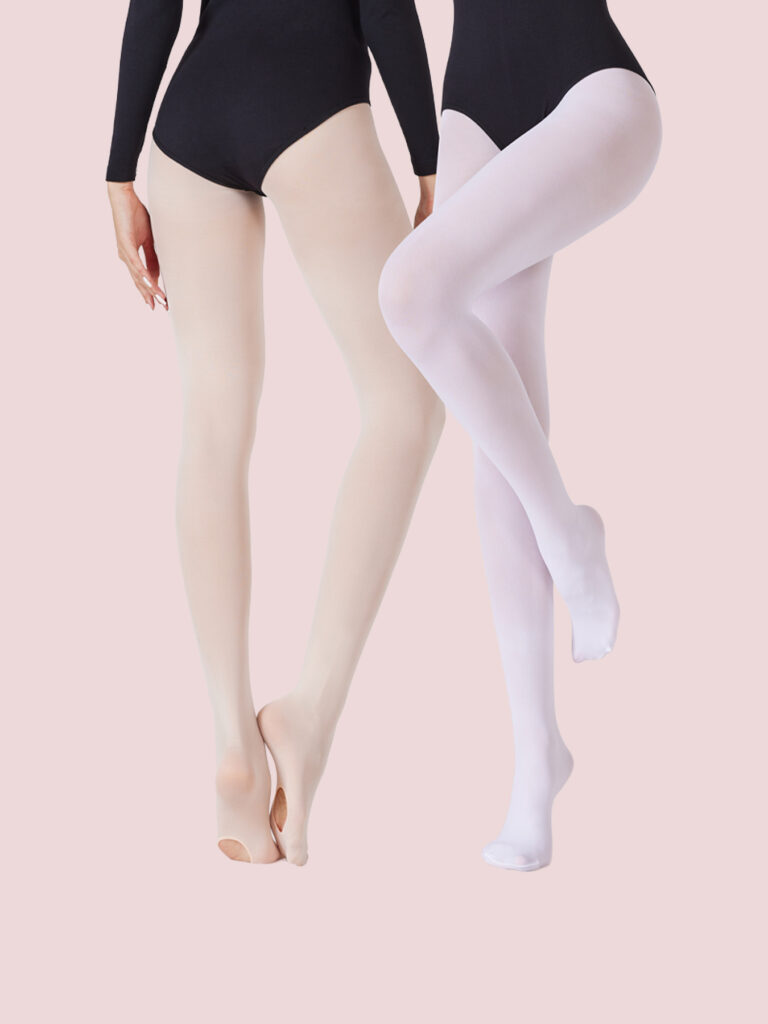
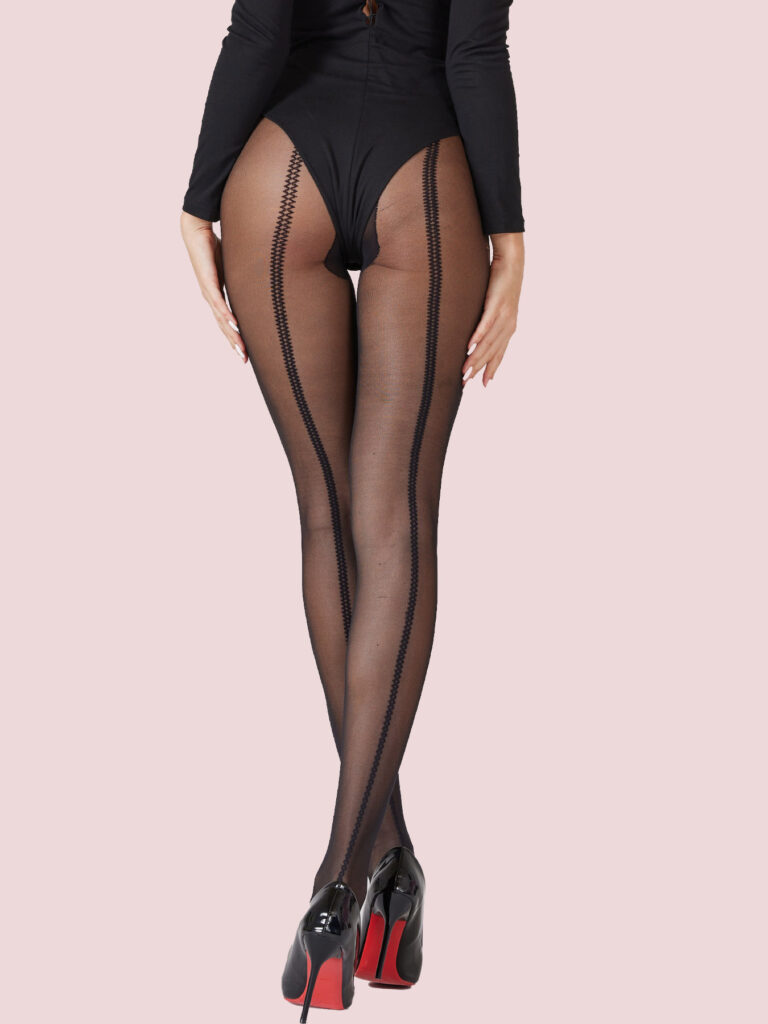
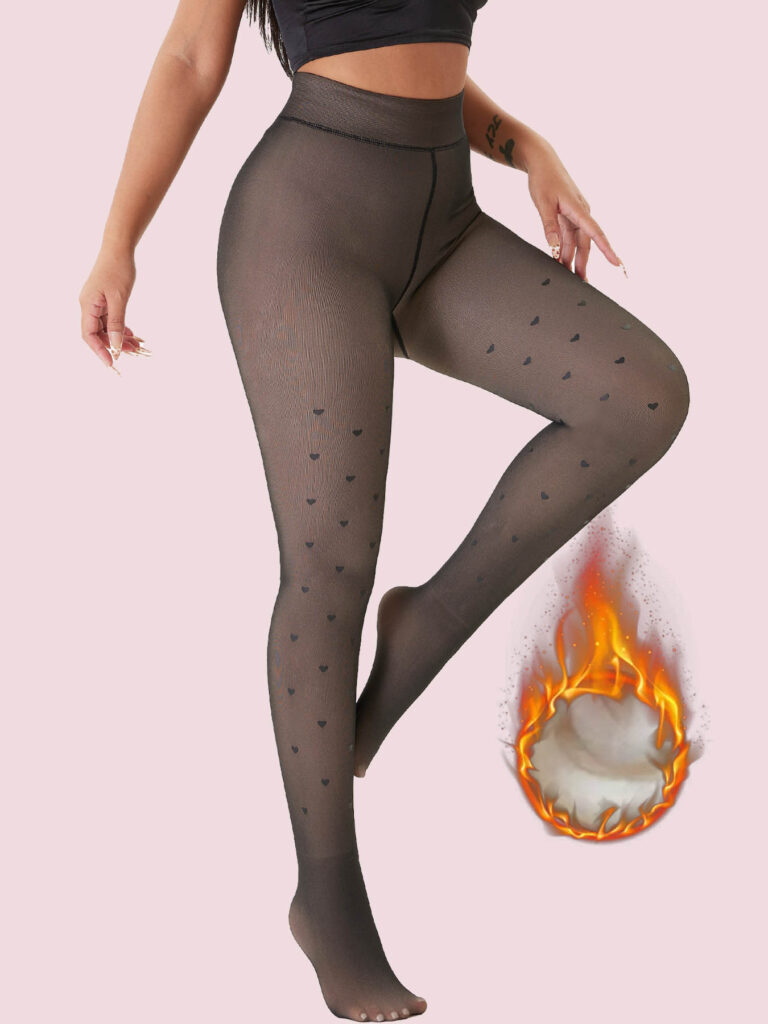
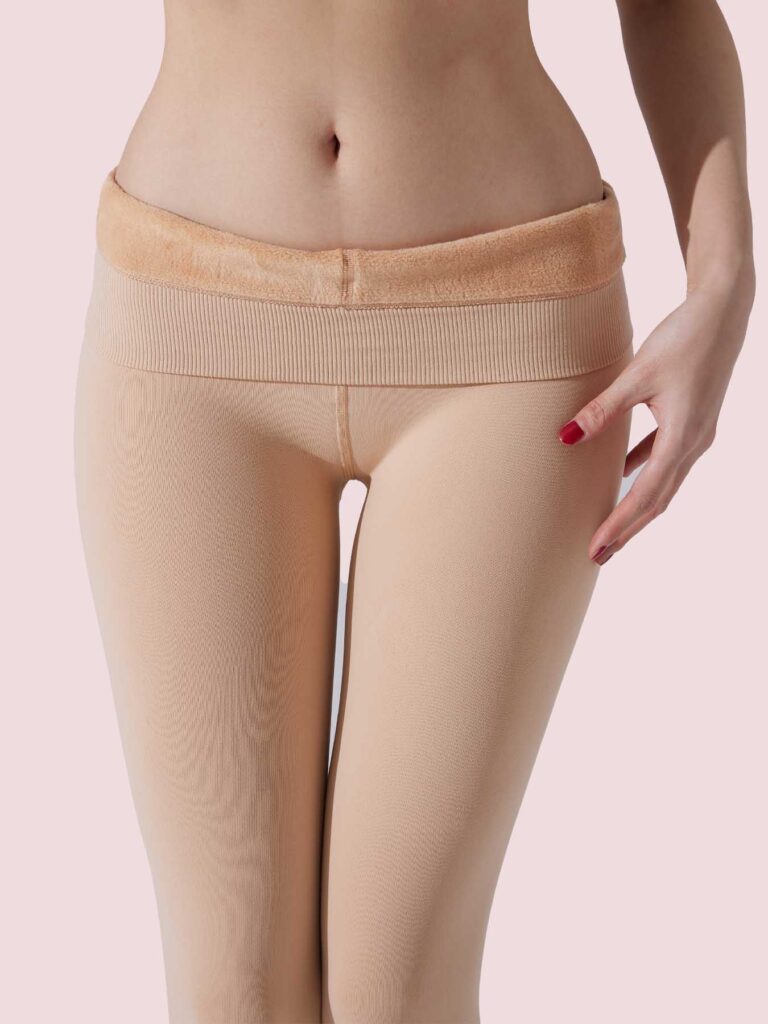
If you are ordering thin, sheer tights, you have to specify a lot of tiny details. Call out the exact denier. Specify the exact color shade. Define the required transparency level. Also, strictly dictate the toe style, the cotton crotch gusset, and the elastic waistband construction. Now, what if you are buying heavy opaque or thick fleece-lined tights for winter? In that case, add the intended visual coverage to your list. Detail the inner surface texture plainly. Outline the strict washing and care requirements. Always ask your chosen supplier for a controlled, written size table. Ask for their proposed knitting manufacturing tolerances too. You must approve the final, physical sample against that specific data file. Never make the huge mistake of just approving an attractive, edited photograph on a computer screen.
You must supply all the crucial brand assets yourself. This includes the high-resolution logo artwork. It includes the precise paper label dimensions. Provide your specific foreign language requirements. Send accurate, scannable barcode data. Supply the bag artwork and all outer carton printing information. Double-check everything to confirm that the packaging size designation perfectly matches the actual knitted garment inside. Keep the physical approved sample safely stored in a dark drawer. Store it right alongside the latest artwork revision and the printed technical specification. What if a later raw material substitution happens during production? Any change should be formally recorded in writing right before release. Doing this tedious work ensures your future replenishment orders will seamlessly follow a clearly identifiable standard.
Source Notes
These industry details were thoroughly reviewed on 2 November 2026. The cited sources include Laseta. We focused mainly on their Service & Support as well as their OEM/ODM sections. They also include Calze B.C., looking specifically at their Private Label page. We reviewed Calzificio Schinelli within their Private Label section. We checked Cecilia de Rafael using their B2B & Private Label portal. We also looked at the Golden Lady Company. We specifically reviewed their main Company, Products, and Trade B2B information pages. Please always note that unpublished custom MOQ limits, hidden prototype fees, and overall factory project acceptance criteria always remain pending. These are private commercial confirmation items. You must handle and negotiate these yourself directly with the sales representatives.
Conclusion
In summary, Laseta offers a very explicit and helpful framework. This framework is great for directly discussing custom tights and unique branding at a firmly confirmed, low project minimum. Meanwhile, Calze B.C., Schinelli, and Cecilia de Rafael all add real, tangible European private-label manufacturing comparisons to your industry research. Finally, the massive Golden Lady supplies a robust, top-tier industrial reference point. When it is finally time to choose a factory partner, base your big decision on a complete, written garment-and-packaging quote. You must ensure the initial pilot run, the physical sample approvals, and the long-term repeat-order requirements are all carefully considered together as one big package.