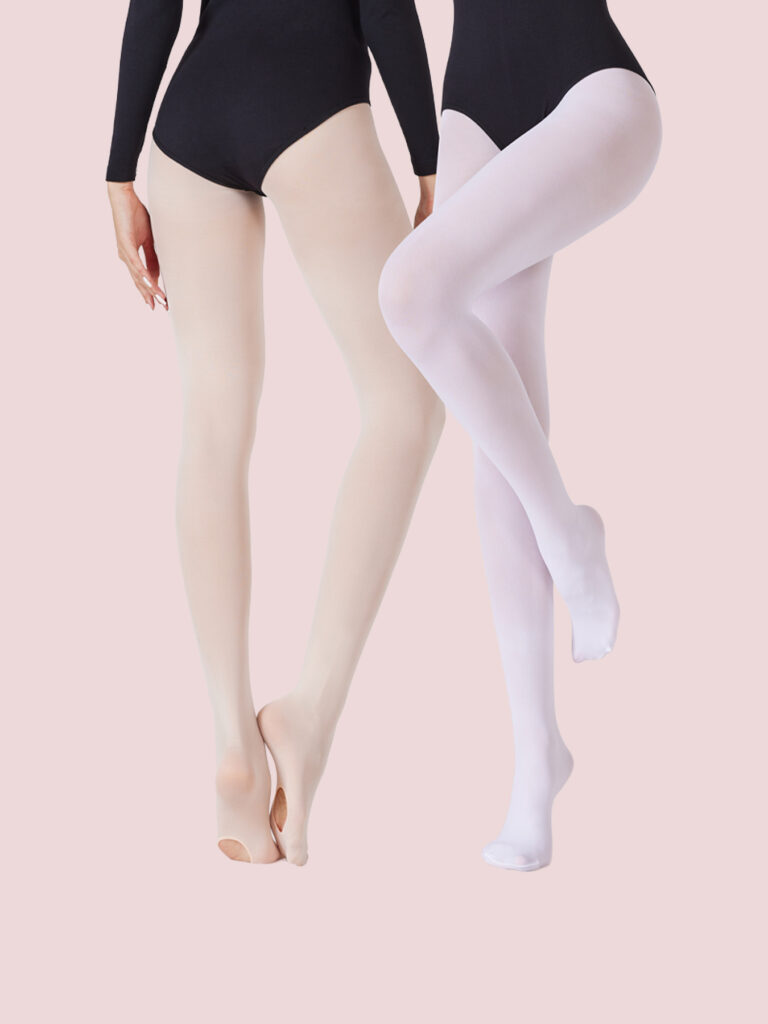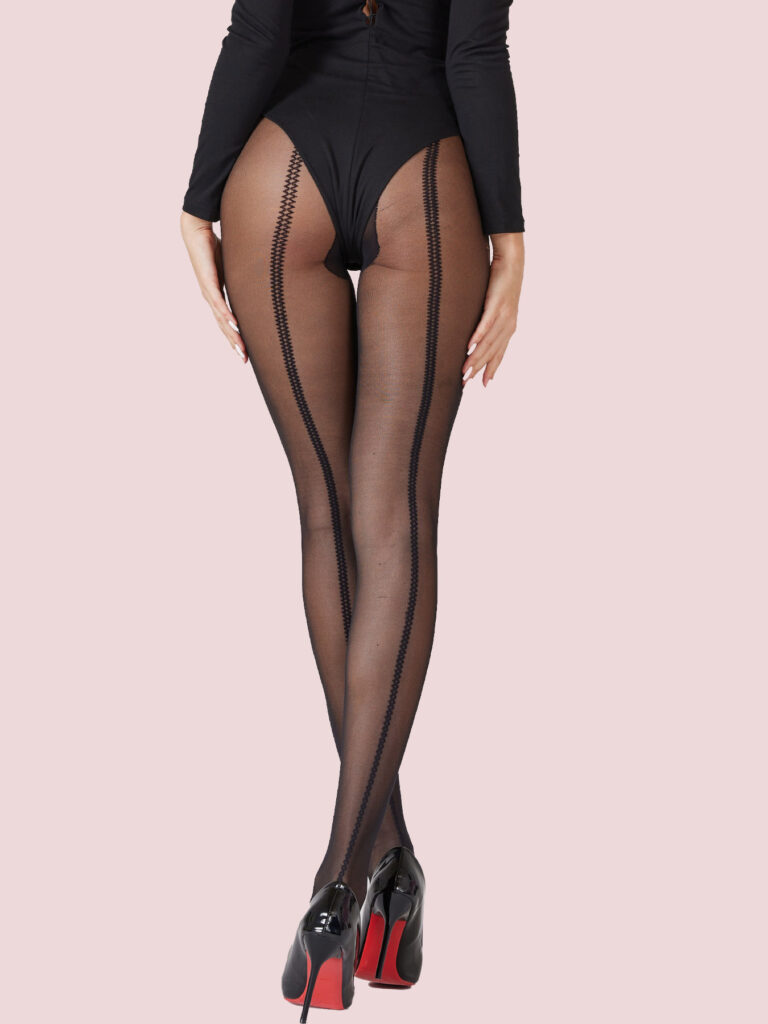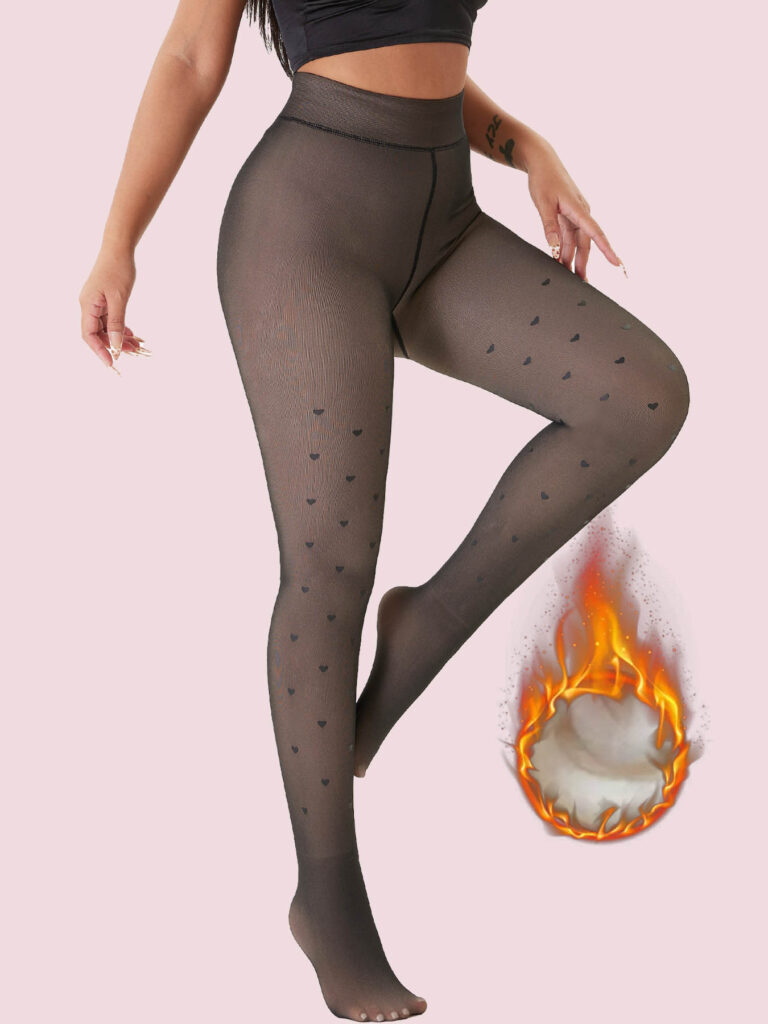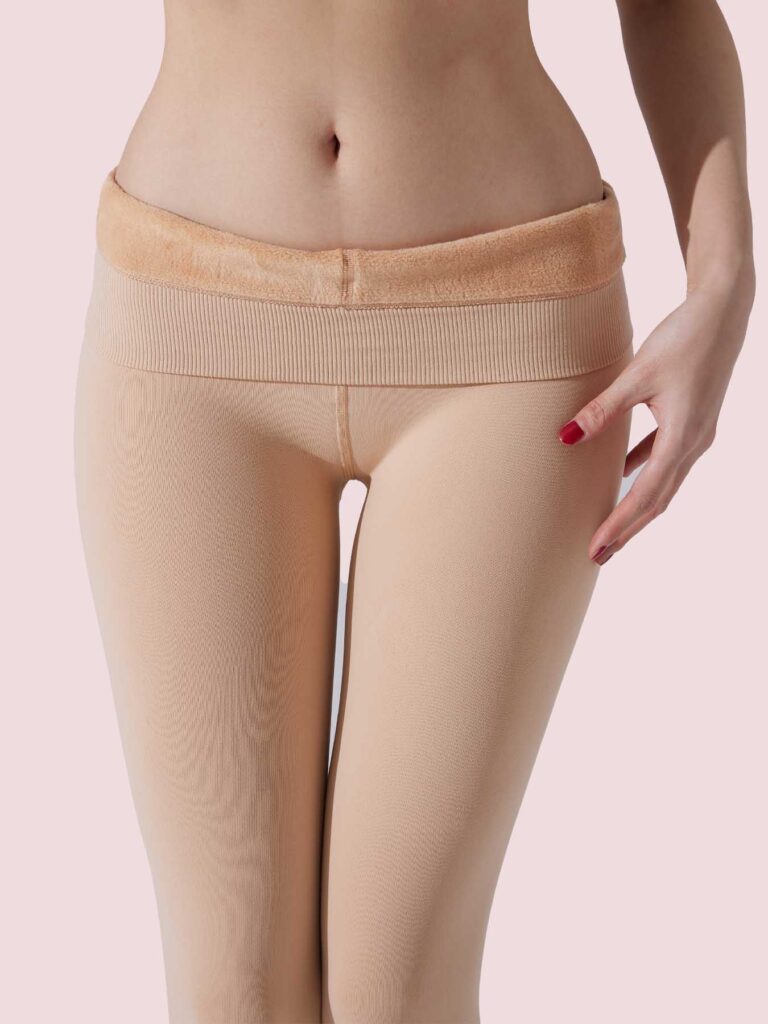
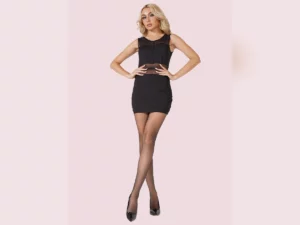
Start with the coverage you want customers to see when they wear the tights. Then use denier to shortlist yarn weights for sampling. A label can say 40D; it can’t show you what happens over a bent knee or at the top of the thigh.
Suppose the two 40D samples in a review don’t look alike, even on the same wearer. Are they knitted from the same yarn arrangement? Is the smaller sample having to stretch further? With Laseta, use the sample review to settle which construction delivers the coverage your range needs. Include the proposed sizes at the outset. What looks right in one size has to be workable as a repeat production specification too.
What Does Denier Tell You About Wholesale Tights?
A denier value belongs to yarn: it is the number of grams in 9,000 metres. Forty grams over that length means 40 denier. That helps you compare yarn weights, but the knitting and the way yarns are used together still shape the finished tights.
Why can two 40D samples look different?
Consider two items in Laseta’s pantyhose range. Item 16531 uses two feeds of covered yarn and two feeds of filament, specified as 4015 + 44D. Item 56125 is a semi-opaque style with four feeds of covered yarn, specified as four-feed 2040. Both sit in the 40D category. The construction behind that category is different.
A purchase brief saying only ’40D, black, size M’ doesn’t tell the factory which of those products you mean. Add the yarn specification and feed construction to the approved sample record. That is also the reference to use when requesting a repeat quotation.
A core-spun sample and a microfiber sample may differ in feel as well as appearance and stretch. When you ask Laseta to shortlist denier samples, give the team the retail use and price position you have in mind. It saves a round of looking at products intended for quite different ranges.
How Should Buyers Compare Sheer Tights and Opaque Tights?
You may need several steps between sheer and opaque in an assortment. Give each step a purpose in the range before deciding which denier numbers to sample. The approval then has a visible target, rather than just a sequence of labels.
Define the look before choosing a number
Laseta offers both sheer tights and opaque tights. Its plain hosiery selection starts with ultra-thin 3D–15D options and extends to 120D. You don’t need an example of every weight to build a range; the gaps between the selected products need to make sense to the customer.
What does ‘sheer’ mean for this particular range? Enough visible skin for a delicate finish, perhaps, with matte or gloss still to be decided. At the opaque end, the difficult areas are the bent knee and upper thigh. A brief that says only ‘black enough’ won’t tell a later reviewer what you saw and accepted there.
The reference photographs need to show those two views: standing and knee bent. Keep the background and lighting fixed, and put the size and wearer measurements with the images. Once exposure is altered to make the tights look darker, the photograph stops being an honest record of the coverage you approved.
Where Should a Tights Fit Test Check Coverage?
A display of the lower leg leaves much of the fit unanswered. In a tights fit test, the areas stretched in more than one direction deserve particular attention. That means looking beyond the calf to the rest of the garment.
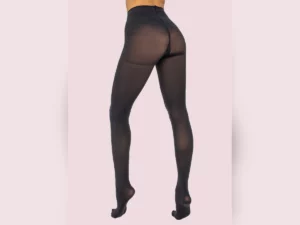
Check the intended size boundaries
A useful size comparison puts the same specification on wearers close to each end of the proposed size. Look from the ankle up to the seat, taking in the calf, knee and thigh. A narrow display leg hasn’t necessarily opened the loops enough to reveal what a larger wearer will see.
Was the crotch in position when the coverage photograph was taken? Was the wearer pulling the waistband up because the body was short? Note the waistband and crotch positions and leg length before changing yarn weight. Fabric being pulled upwards can alter thigh and foot tension during the review.
At Laseta, finished measurements are checked against the specification at the crotch, groin, thighs and calves, and over the full leg length. Those figures belong beside the fitting notes. A dimension can be within specification while another part of the garment still sits poorly.
Measure stretch recovery separately
Enough stretch to get the tights on is only half the question. After movement, how well does the fabric return? That return is stretch recovery. A forceful pull by hand gives the next reviewer little to reproduce, so the factory and buyer need an agreed way of extending and relaxing the sample.
Conditioning, extension, hold time and rest time all belong in the comparison notes, kept the same for each candidate. The notes should let someone repeat the procedure. This proposed internal check has no universal pass limit and doesn’t replace a laboratory method required for the order.
If the upper end of a size range loses coverage or recovers poorly, send Laseta your fit-test notes with the sample code and wearer measurements. Ask about a size or construction revision before adding yarn weight. More denier won’t give a short garment the missing length.
What Should Go Into a Repeatable Bulk Specification?
The sample has passed. Now imagine a different buyer placing the repeat order: what would they need to reproduce your decision? Keep written requirements with the physical reference, which may stretch with handling or look different under another light.
Keep the sample and the written requirements together
Include the following in the purchase specification:
- Product code, yarn specification, feed construction and declared denier.
- Agreed sizes, relaxed dimensions and the method used for stretch checks.
- Approved shade, surface finish and worn coverage photographs.
- Toe construction, brief construction, care instructions and packaging.
- The approval pair to retain, plus the inspection method and acceptance criteria.
An OEM/ODM service offers plenty of choices. At Laseta these include fabrics, sizes, colours, logos and packaging, down to hang tags and care labels. Link the chosen details to the garment you approved. Laseta keeps development and prototyping records through PLM and retains raw-material, process and finished-product inspection records. There is also 100% inspection in the packaging workshop.
Plain and jacquard hosiery at Laseta can involve different machine gauges and needle counts. The buyer’s requirements go through sampling and confirmation before contract, production and inspection. Once the order moves out of development, the confirmed pair and written specification need to travel together; otherwise, some of what was approved stays only in the buyer’s memory.
Write down the complaint you want the next order to avoid. ‘Too much skin showing at the upper thigh in the largest size’ gives a sample review a clear job. For a summer product, the concern might be the opposite: coverage looks too dense. Neither request is explained by asking for ‘better quality’.
Conclusion
Choose denier for wholesale tights once you have seen the proposed construction on the intended sizes. The number belongs in the assortment plan, but the worn sample is what tells you whether that position offers the coverage your customers expect.
Keep the coverage comments apart from the dimension and recovery results. Then, when a sample is rejected, the factory can see which part fell short. It also becomes easier to tell whether the revision fixed that issue or merely changed the appearance of something else.
For Laseta’s next sample round, list the coverage positions you want, the sizes and a reference shade. A small selection of visibly different constructions is enough to begin a useful comparison under fixed conditions. The selected pair stays with its specification as the reference for the bulk order.
FAQs
Q1:Does a higher denier always mean better wholesale tights?
A1:No. It tells you about yarn weight. A buyer wanting a delicate sheer finish could reject a perfectly satisfactory opaque pair because it is wrong for that brief. Fit and construction still matter within whichever denier range you choose.
Q2:Can we approve opacity from a flat product photo?
A2:A flat photo is useful for initial selection, but it does not show coverage under realistic stretch. Compare worn samples at the intended size limits and retain photographs made under consistent lighting.
Q3:What should we send when requesting samples?
A3:Send your target appearance, size range, reference shade and retail use. We can then discuss relevant constructions rather than sending unrelated weights. Confirm sample selection and delivery arrangements with our team.
Choose Your Next Denier Sample Set
Ask Laseta for a denier comparison and include the target sizes, colours and estimated order quantity. Already have a sample? Describe the area where its coverage falls short or looks too dense. We can use that reference to discuss relevant constructions, then confirm which samples are available and how to arrange delivery before the bulk specification is settled.