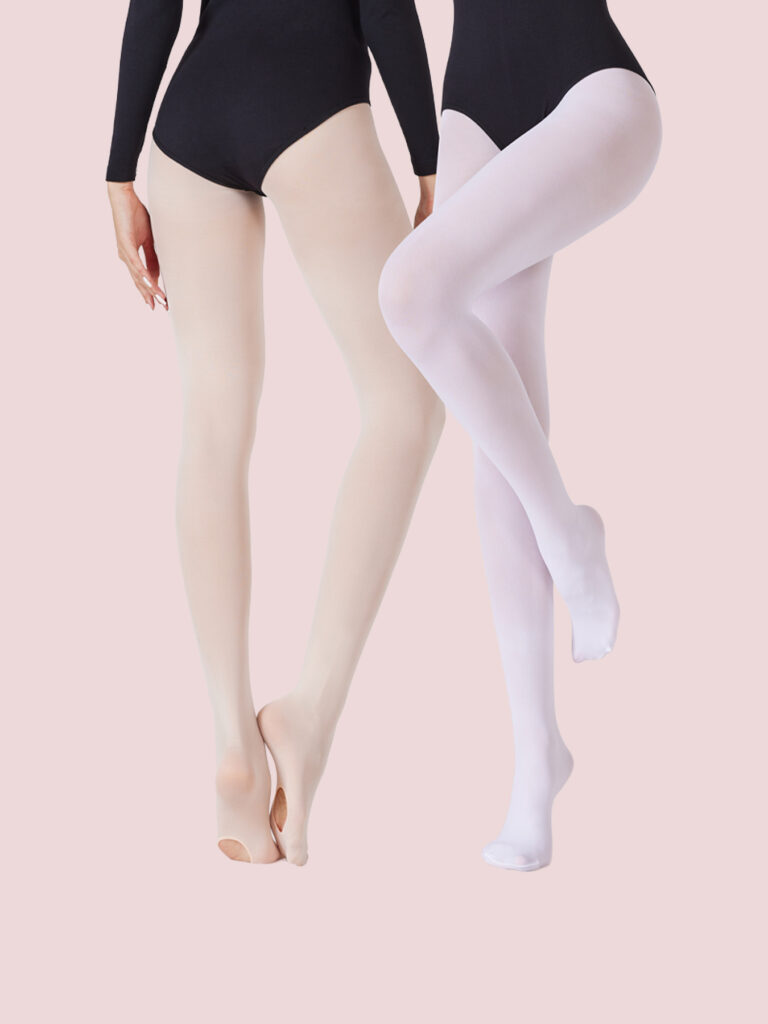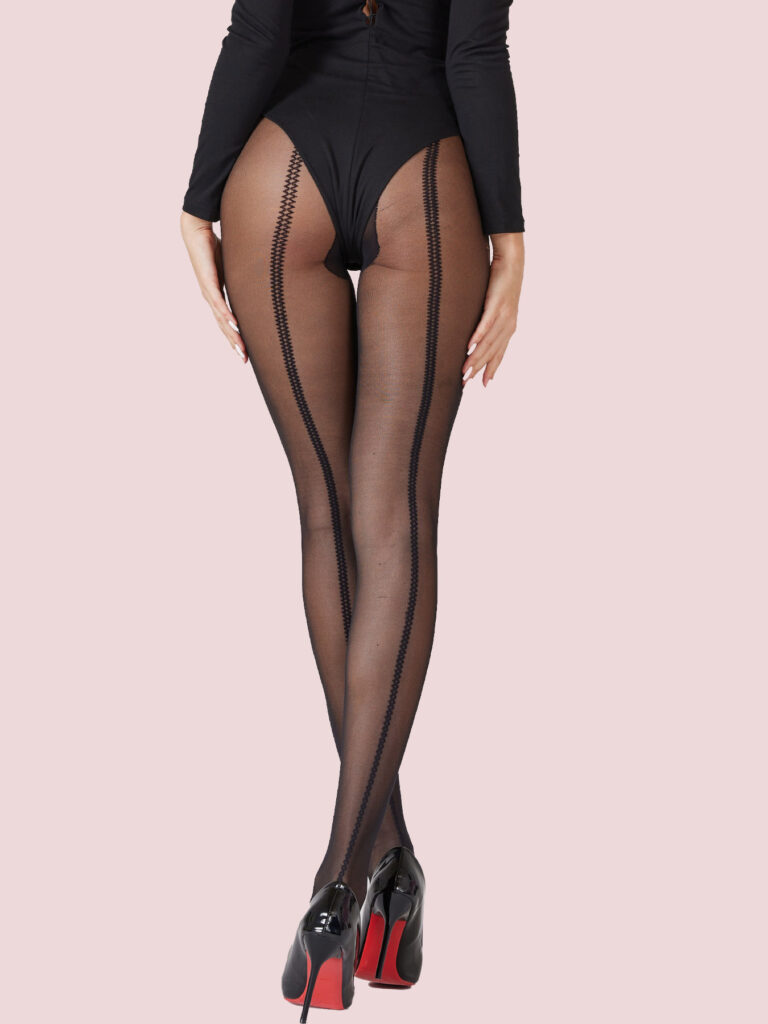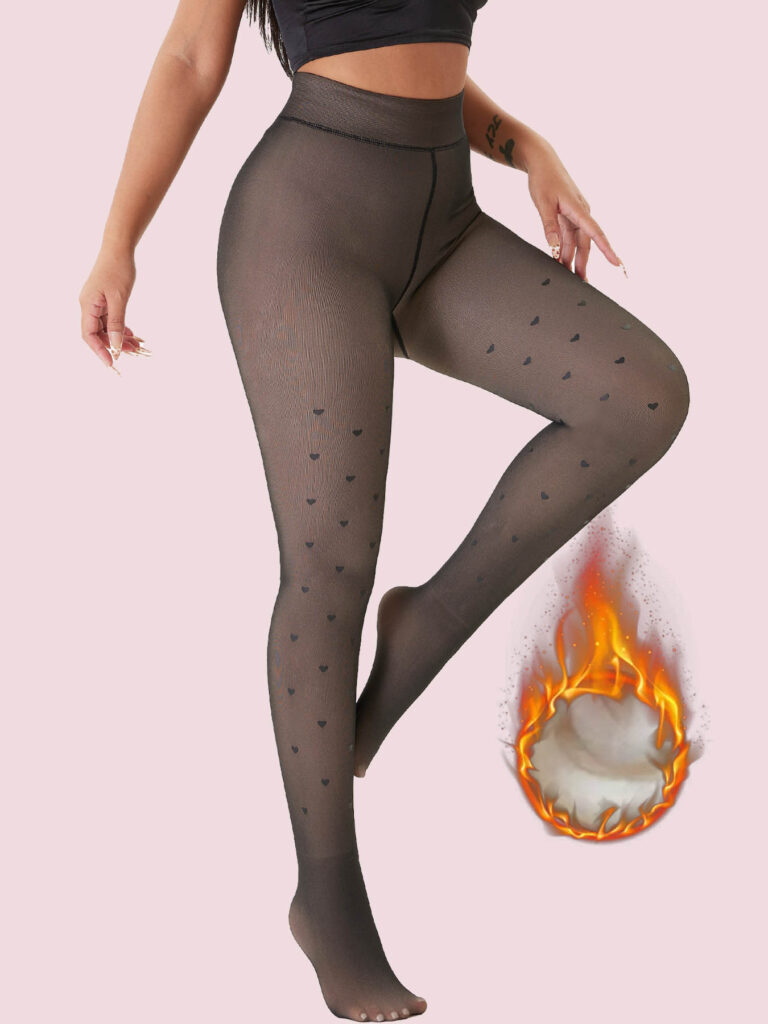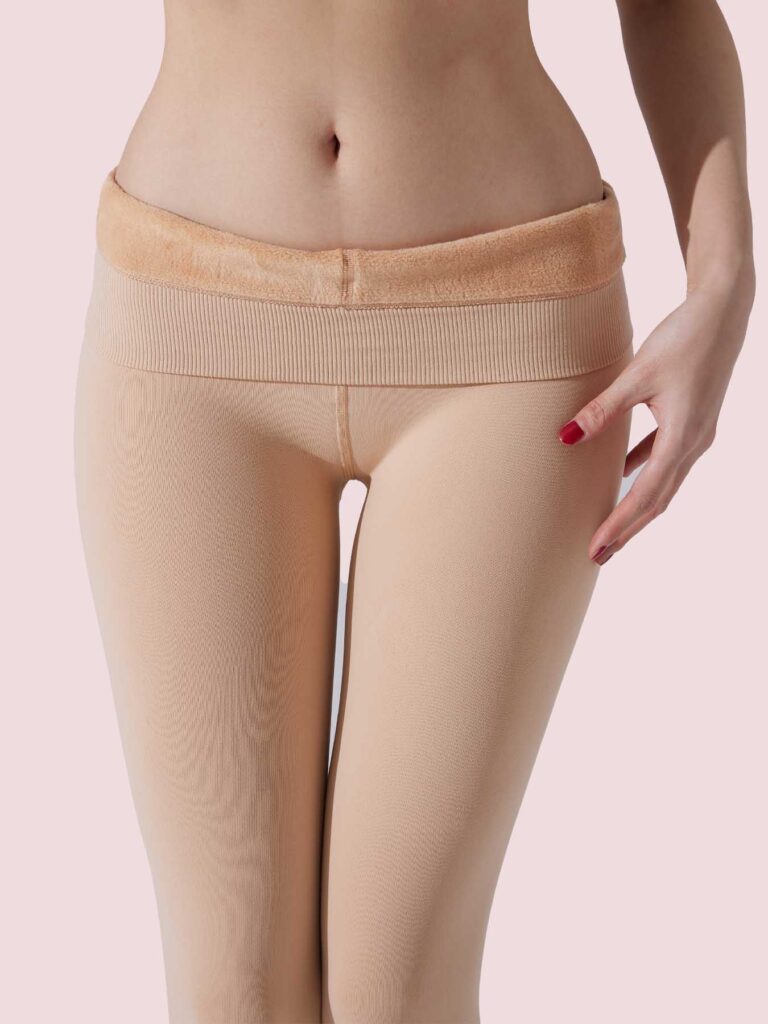
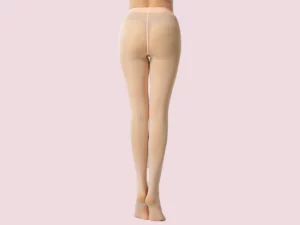
A retailer approved a coffee-brown tight. All the first shipment was sold and then a re-order was placed. The re-order was slightly redder than the remaining stock on approval and therefore could look out of place with the approved stock when it arrived. Even though the approvals were within a range that a factory could make, the finished color could look very different. The term “coffee brown” does not convey the exact finished color to the dye house.
When a brand sources custom color pantyhose, repeatability depends on linking an approved shade to the yarn, knit, dye process, and finished sample. Laseta works with brands on custom-color development using a physical reference and the intended construction, so the shade is assessed on the garment buyers will actually reorder.
Planning a custom shade or repeat order? Contact Laseta early with your target swatch, base style, and expected volume. Request a free sample pack to compare available base constructions, then agree on the finished-sample approval process for any custom color before bulk production.
Why Can Two Dye Lots Look Different?
Dye lot variation is the visible difference between planned batches. While the formula for the dye lot is an important component for the planned batches, other components such as nylon/synthetic and spandex content, yarn type, fabric density and fabric surface finish affect how light passes through the fabric or is reflected by the fabric of sheer hosiery. A color that looks fine on unfolded fabric may look different when stretched over skin. When investigating dye lot variation, these construction components belong next to the color formula.
How do batch conditions affect shade?
The distribution of color in the treated product is influenced by several factors, including the heating-up rate, treatment time, dye concentration and circulation. Overfilled dye bags, too large batch sizes, too fast heating-up and uneven application of chemicals can lead to color differences or even to a deviating shade. Compare the produced item with the approved sample after treatment, and check whether the agreed batch size, the agreed heating-up curve and the agreed application of chemicals have been adhered to.
Why should construction stay with the color standard?
A color target for a product is more than a name in a catalog. The properties of a filament, the density of a fabric, the denier of a yarn and the finish of a fabric can all affect how a color looks. Therefore, a change in yarn or in the construction of a garment while keeping the same color code can result in a completely different look. Looking at color and construction as linked variables simplifies troubleshooting.
Laseta produces a wide range of Coloured Tights for brands developing a shade range. For a bespoke colour we would require details of the intended construction along with a reference sample to ensure that the developed colour is relevant to the actual garment that is going to be sold.
When selecting a base construction for a new custom color, Laseta offers a Free Sample Pack for available product samples. These allow you to compare transparency, surface finish etc. before deciding on a shade. A finished sample is then produced in the approved custom shade and this is what gets approved by you.
Is the Difference in the Dye or in the Viewing Conditions?
The appearance of a sample can change when viewed under different lighting conditions, even if the sample itself has not changed. Samples viewed under warm indoor lighting, natural daylight, or even typical retail store lighting can appear to have different undertones. Make sure to view samples for comparison in the same location and under the same lighting before determining that a batch has changed.
What does consistent color comparison look like?
Place your sample next to the retained standard sample on a neutral background. View samples at the same distance and under the same lighting. When comparing colors, evaluate their hue, lightness and saturation rather than comparing colors labeled as ‘nude’ or ‘coffee’ for example. For key branded colors it is also worth comparing the color under alternative lighting to see if it shows a different undertone.
How does stretch change a sheer shade?
Sheer hosiery is transparent enough to reveal the skin underneath. When hosiery stretches, the amount of coverage provided by it will alter and more of the skin of the wearer will be revealed. As a result, the color of the hosiery on the skin of the wearer may appear lighter or even less saturated than in a relaxed sample. Therefore, colored tights must be compared in identical states of extension, preferably after being stretched over a suitable surface or worn by a wearer and then compared to a sample which has been left relaxed and lying flat on a surface.
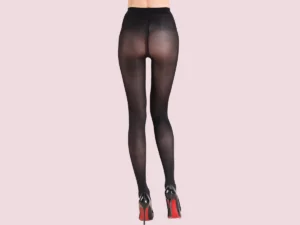
The finishing of the fabric, such as dyeing, hydro-extraction, drying and boarding, can affect the surface of the fabric as well as its dimensions. A check of the shade on an unwashed sample may not reveal differences that become apparent when the garment is made up. Approval should be given on a finished garment, not on an early sample for color checking.
What Belongs in a Reliable Color Standard?
Connect approval of color to approval of production sample. Use small sample production to arrive at a working color formula before ordering bulk. Note the Style of product, Fiber content, Denier, Construction, Finishing and record against approved sample reference with Color Name and Code recorded also.
Why keep a physical reference?
While a screen image can provide an initial target, screen images fail to fully show transparency, texture and surface gloss. Use the free samples to pick the base from and retain a pair of finished goods in the approved color. Compare every re-order against the retained reference samples under the same conditions – both relaxed and stretched to the specified degree.
How should acceptable variation be defined?
An evaluation method should be agreed with the buyer before production starts. If the buyer is to compare visually then the light and sample will need to be stipulated. If an instrument is to be used then the method of measurement and the acceptance criteria must be agreed prior to production. A numerical tolerance must reflect the product’s technical requirement and the commercial requirement of the buyer. It must not be invented after the shipment has arrived.
Laseta uses DATACOLOR calibration or a light box to inspect dyed products as part of the color-control process. The finished approved sample can then be used to assess how the approved color actually looks in the finished hosiery.
How Can Brands Control Color Across Reorders?
Make sure a reorder brief identifies the prior approved lot and the physical sample used for production of the re-ordered quantity. Indicate whether the buyer is looking for a direct match or a variation in shade. Record the product code and color code on the order record, sample label, carton label and in the inventory control system so that the same shade is described the same in all instances.
Why separate color changes from construction changes?
Be cautious not to mix up changes in yarn, denier or finish with a change in color when the yarn construction remains unchanged. Keep the approved construction constant while making up a reorder and if a material change is required, make up a new finished sample for approval as a new standard.
How can a manufacturer support repeat shades?
The process of Laseta development includes the stages of knitting, seaming, dyeing, setting and drying. This development can be customized in terms of color, size, labels and packaging. The 40D women’s solid color tights (style LD-56118) are made of 85% nylon and 15% spandex. They are available in nude, white, pink and black colors. Customization is available for the above mentioned construction and you can approve the target color on a finished sample.
For private label pantyhose, ask Laseta for a free color-assortment sample pack and describe the target shade, base construction, and reorder plan. Confirm the available sample colors, then agree on the process for approving a custom shade. A private label pantyhose color card should use the same product code and shade name as the purchase order.
FAQs
Q1: Can two different pantyhose styles be colored with the same dye formula and look different?
A1:Yes. The finished color can be affected by yarn construction, by knit density, by transparency of the yarn and by finishing treatment.
Q2: Is a digital color reference sufficient for approval?
A2: An initial target can be communicated but a finished sample would be more appropriate to assess transparency and surface appearance.
Q3: Repeat orders need new shade approval?
A3: Compare with retained approved sample. If yarn, denier, construction or finish has changed obtain new approval for sample.
Request Color Samples and Plan a Shade Standard
A repeatable color requires a finished sample, consistent viewing conditions and a document linking the color to yarn, denier, fabric construction and finish. We can assist in comparing different base leg wear and in establishing an approval plan for custom color pantyhose that can be reordered as a standard.
Share the target shade or physical swatch, base style, denier, size range, viewing conditions, and planned order or reorder volume. Request a free sample pack of available color styles to compare transparency and surface appearance; these product samples help select the base construction but do not approve a custom shade. For custom shade development, contact Laseta to confirm the finished-sample scope and terms before production.