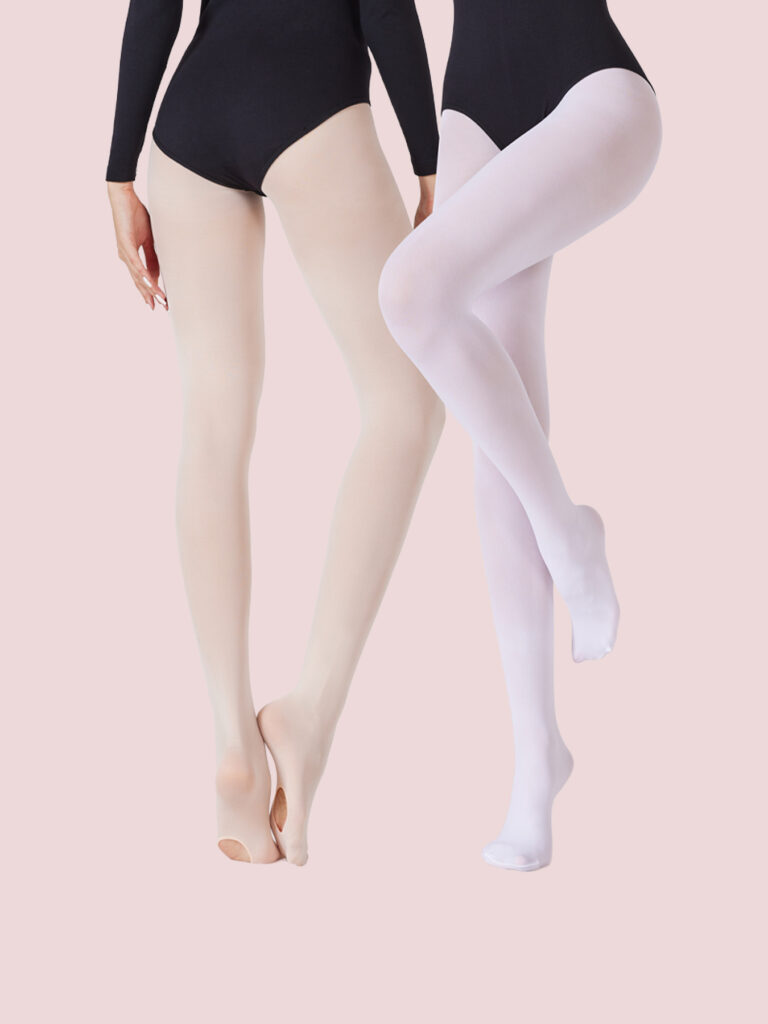
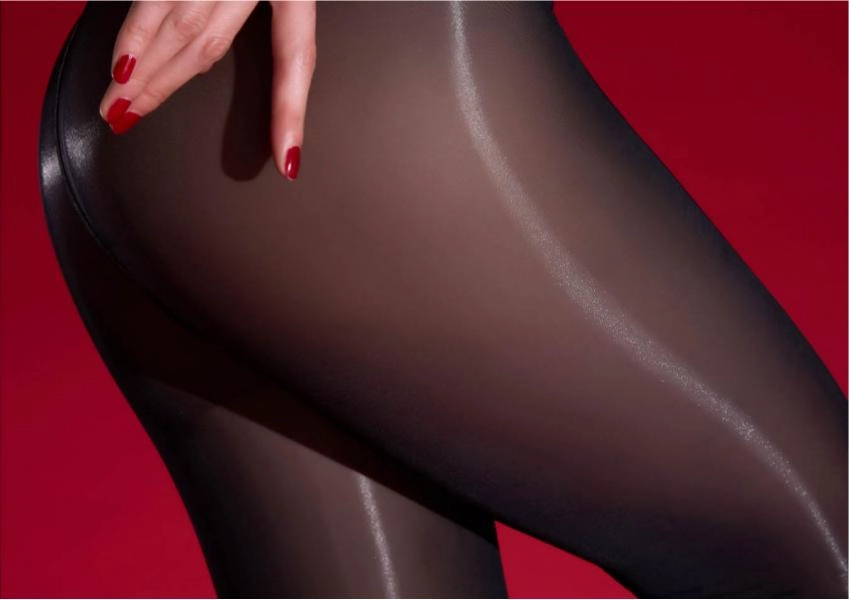
A party hosiery line earns its place when it gives a consumer a reason to add it to an outfit, not when it simply adds another black tight to the rail. Festival consumers look for flash under daylight and phone cameras. Club customers need a finish that survives mixed lighting. Eveningwear buyers often want shine, but not a costume effect. Those are different jobs, even when the base product is oil-shiny pantyhose.
For a retailer or private label, the useful starting point is a compact fashion hosiery collection with clear roles. One smooth glossy pair, one stronger sparkle or metallic option, and one patterned or detail-led style can cover far more ground than six near-identical shiny SKUs. The range becomes easier to photograph, merchandise, and replenish.
Start With the Occasion, Not the Finish
Party shiny tights are not one uniform category. A product that catches light beautifully in a dance video may look overdone at a dinner event. A buyer should map where the item will be worn before deciding on denier, shine level, color, or package copy.
Festival Needs Movement and Light Response
Festival tights are usually seen outdoors, in queues, in flash photography, and under changing stage light. A thin oil finish can give a leg a clean, reflected glow, while a sparkle yarn delivers a more obvious statement. Both have a place, but they should not be sold as the same promise. A smooth 15D look reads like polished skin; a metallic style reads as deliberate partywear.
The buyer should also test stretch after walking, squatting, and sitting on the ground. Fine hosiery can appear perfect on a hanger yet reveal strain at the knee or crotch gusset when worn. Knit loops, yarn tension, and finishing all affect that result. If the brief rise calls for a vivid finish, inspect it under warm indoor light and cool daylight before approving the sample.
Clubwear Requires a Cleaner Product Story
Clubwear pantyhose needs to stand up to close-range viewing. Consumers often pair it with short hems, boots, and fitted dresses, so waistband edge, toe appearance, and shine consistency matter. 15D premium oil–shiny pantyhose is a useful reference for a fine, light-catching lane with a high-waist shaping direction. Its product story is more controlled than a full sparkle design, which makes it easier for a boutique to sell alongside dresses and heels.
Build Three Distinct Price and Style Lanes
A tight range works better when the customer can see why one pair costs more than another. The answer should not be a vague word such as premium. It should be visible in finish, construction, detailing, and pack presentation.
The Core Gloss Lane
The core lane should be wearable enough for repeat sales after the party season. Black and a small nude selection usually give the cleanest base. A satin-like oil shine can work with denim, mini skirts, tailored shorts, and evening dresses. This is the lane for strong product photos that show the leg finish without hiding the garment’s sheerness.
Use a light hand with shade expansion. Too many near-black tones create picking errors and tie up stock. A buyer who needs a wider palette can request a free sample pack and compare black, a true nude, and one fashion shade under the lighting used for campaign photography. Dyeing and finishing can shift both tone and surface reflection, so finished samples matter more than yarn cards.
The Statement Lane
Statement festival tights should visibly do something the core product does not. Shimmer metallic pantyhose gives a buyer a clear sparkle proposition for parties, weddings, and nightlife. It can sit at a higher price because the customer sees the difference immediately.
This lane needs tighter size and care communication. Metallic or decorative effects may behave differently when stretched across the thigh. Ask for worn sample photos in more than one size, then check whether the sparkle remains even at the knee and hip. For online retail, show a close crop as well as a full-look image. The product should not arrive looking quieter than the campaign shot.
The Detail Lane
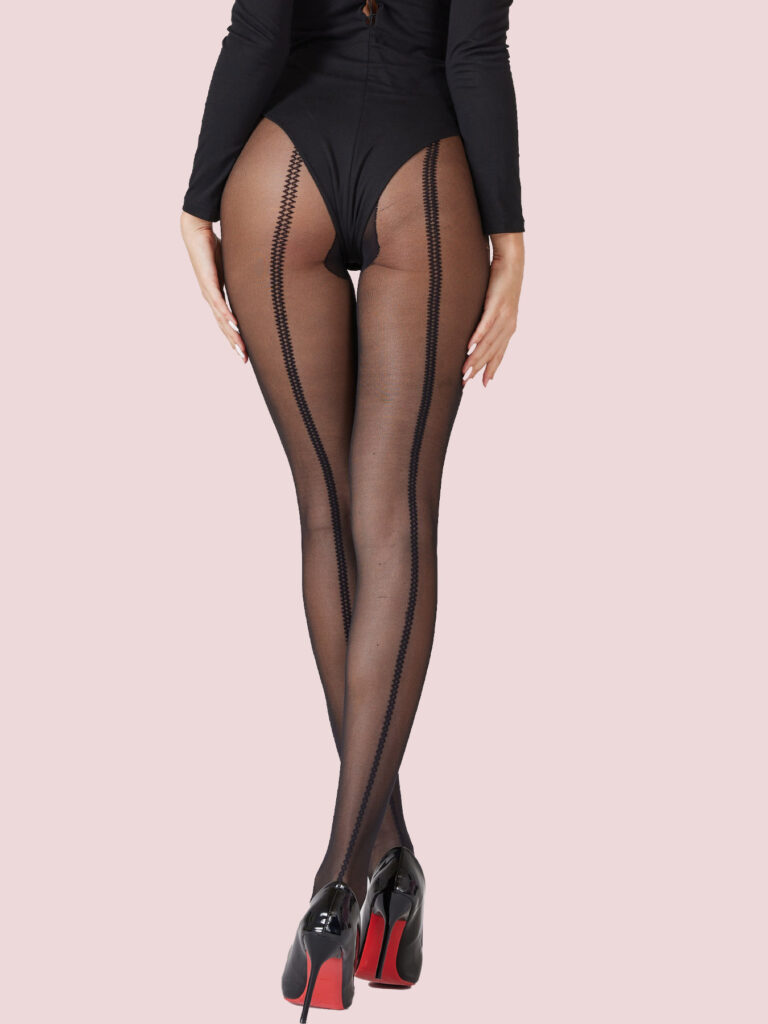
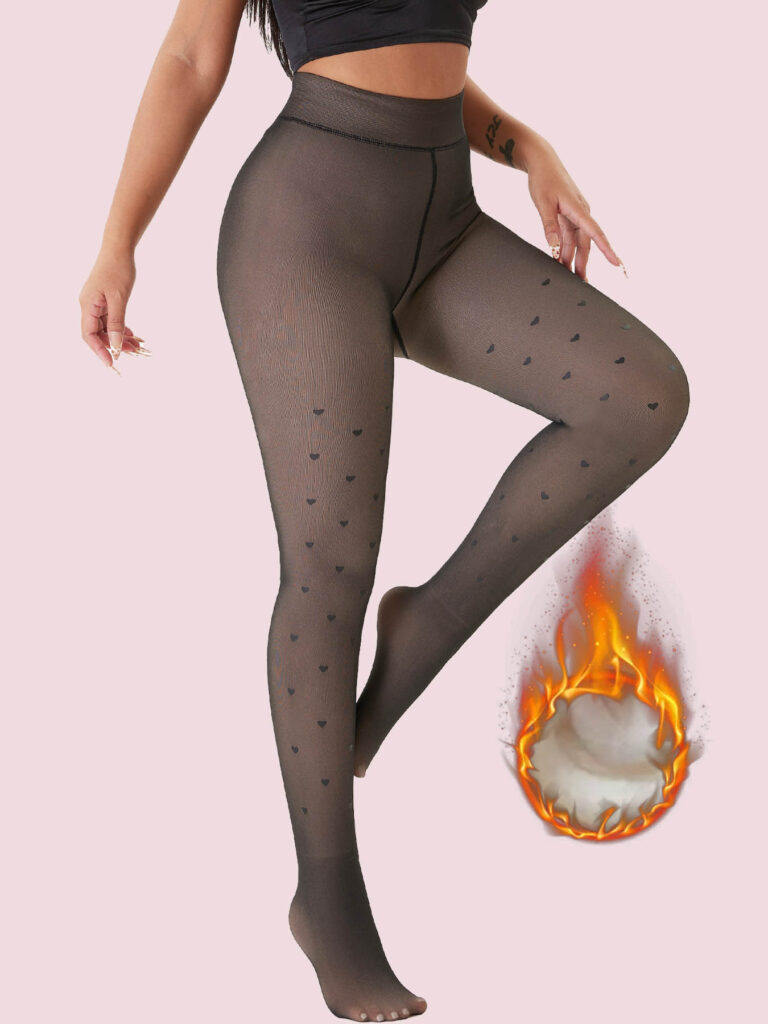
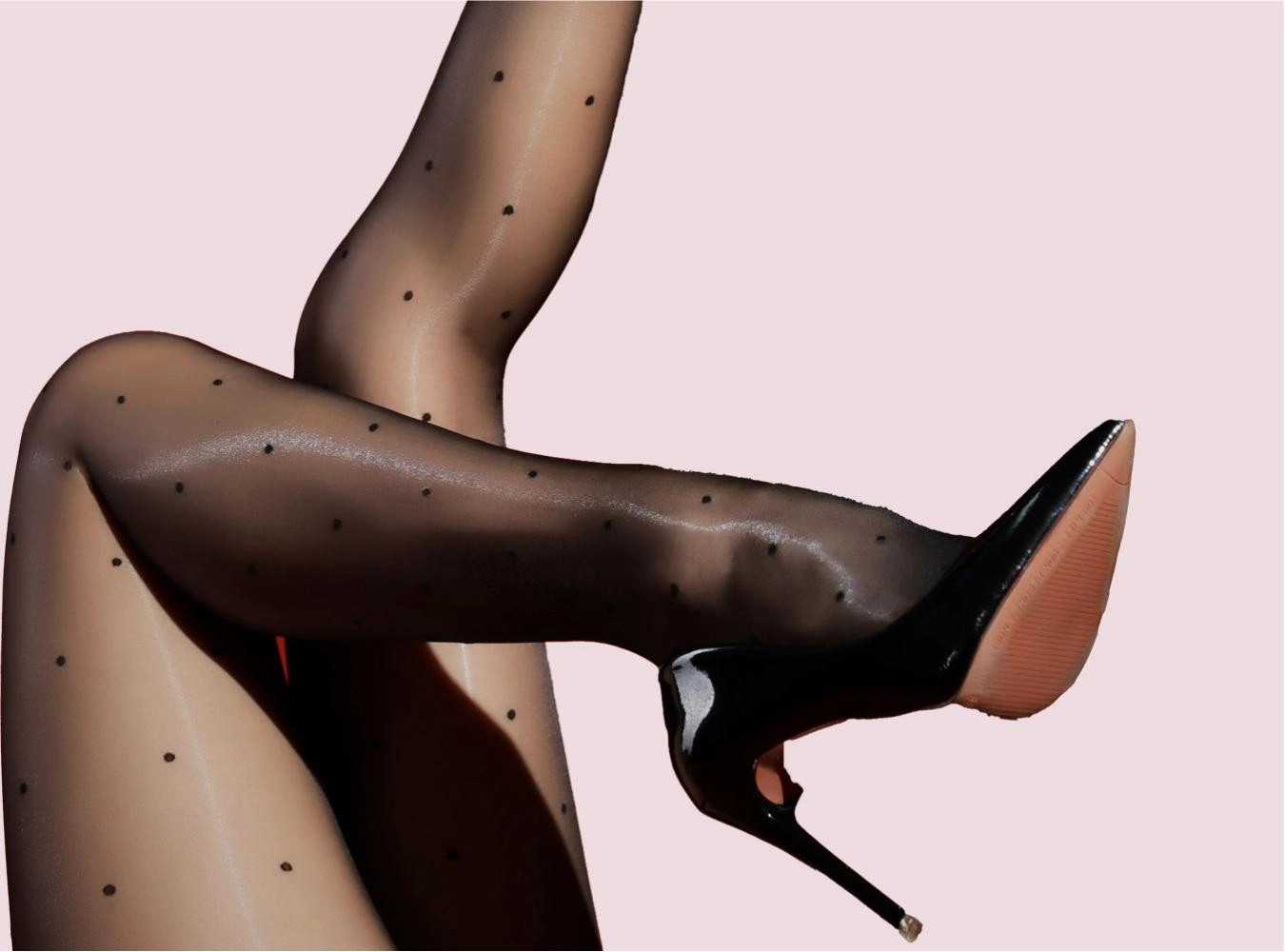
The third lane is where a retailer can test a fashion signal without building a large inventory position. Light-wave dot shiny tights combine a sheer, shiny base with a pattern direction suited to bar, dance, holiday, or wedding styling. A small detail changes the merchandising conversation: it is no longer merely hosiery but an outfit component.
Limit this lane to one or two designs at launch. Jacquard and pattern placement require a separate check for alignment, stretch distortion, and visual consistency between pairs. A bulk inspection should include flat viewing and worn viewing. That catches a pattern that looks centered before pull-on but drifts after stretch.
Match Denier and Fit to the Retailer’s Promise
Denier is not only a technical label. It changes the amount of coverage, the way light moves across the leg, and how fragile the consumer expects the item to be. Fine 8D to 15D styles are good for a barely-there party effect. A 20D option can feel a little more secure while remaining sheer. The buyer should not ask a single denier to serve every event.
Check the Parts Customers Notice First
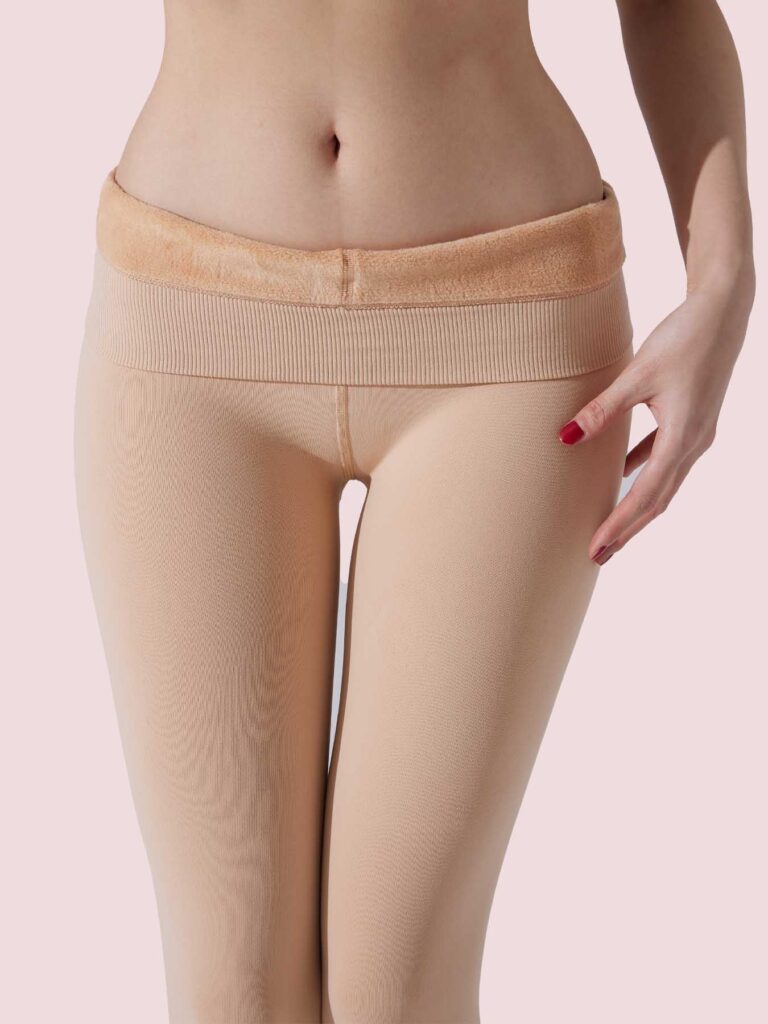
For party wear, the main complaint points are predictable: a waistband that rolls, a visible brief rise, uneven shine, toe damage, or a crotch gusset that pulls down after dancing. Tummy-control and butt-lifting constructions can add shaping, but they also add pressure. Test them across the intended size band, not only on a mid-size fit model.
The quality routine should include visual checks after boarding, because heat shaping sets the garment’s final appearance and dimensions. Uneven tension, excessive heat, or inconsistent finishing can show as streaks or different levels of gloss. These defects are more obvious on shiny hosiery than on matte black tights.
Put Sampling and Packaging Into the Launch Plan
By the time a range reaches private label development, the retailer should know which three roles it needs and how each is sold. That is the point at which Laseta becomes relevant: later-stage work can cover denier, colors, crotch gusset construction, logo placement, hang tags, care labels, and master carton markings rather than a generic company introduction.
Request a free sample pack before fixing the first assortment. Place the core gloss, statement sparkle, and detail style beside the actual dresses, shoes, or accessories they will sell with. The test is more revealing than a product board. It shows whether the shine reads as planned, whether the pack explains the product, and whether a customer can tell the difference between the lanes.
Packaging should carry denier, shade, size range, finish, and a simple occasion cue. A pack that calls a 10D item durable without context can create the wrong expectation. A better line is sheer party finish or light coverage with care. The retail team also needs a size chart that gives height and hip information, not a vague one-size promise.
For a custom route, private label hosiery development can turn the approved sample into repeatable yarn, color, packaging, and inspection instructions. Record the finish reference, approved shade, stretch feel, fold method, and defect limits. A party product sells on visual confidence, and that confidence disappears when the second shipment looks different from the first.
FAQ
Q1: Which party shiny tights should a retailer launch first?
A1: Start with one smooth glossy pair in black, one visible statement pair, and one detailed fashion style. That covers repeat occasionwear, nightlife, and trend-led purchases without overbuilding stock.
Q2: Are festival tights usually too fragile for retail?
A2: Not necessarily. Fine denier needs honest care, language, and proper toe, crotch gusset, and stretch checks. A retailer should approve worn samples and inspect bulk finish before launch.
Q3: When should a buyer request a free sample pack?
A3: Request it before selecting the first three-SKU range, then compare the hosiery with real footwear and outfits under the lighting used for product photography.