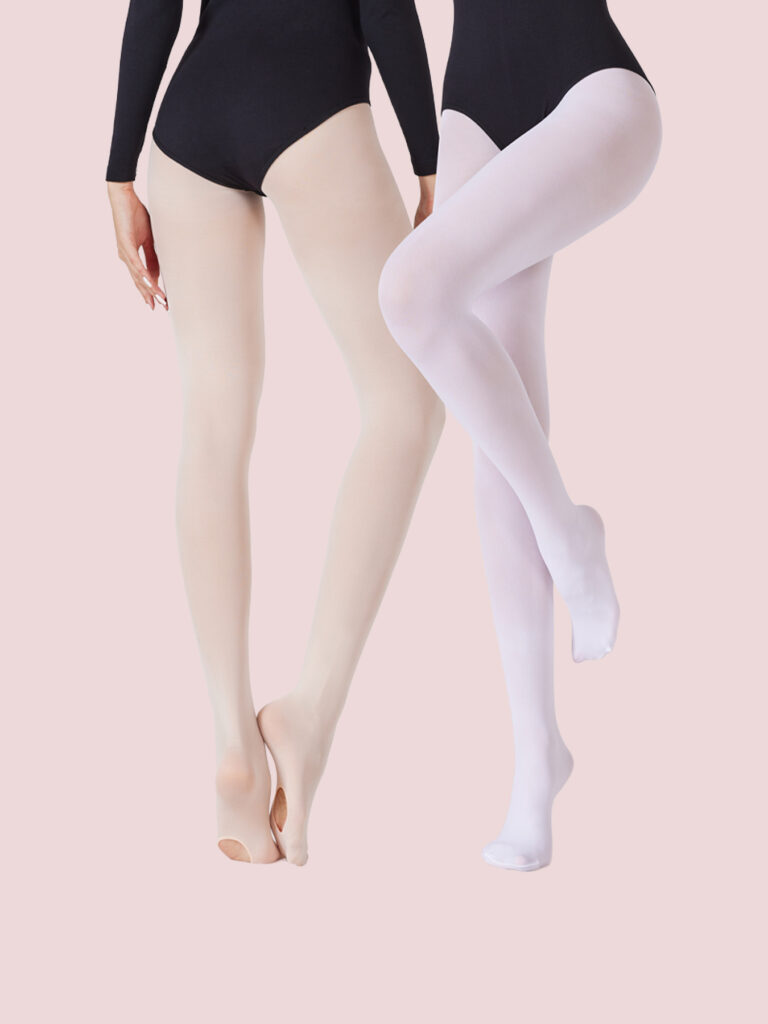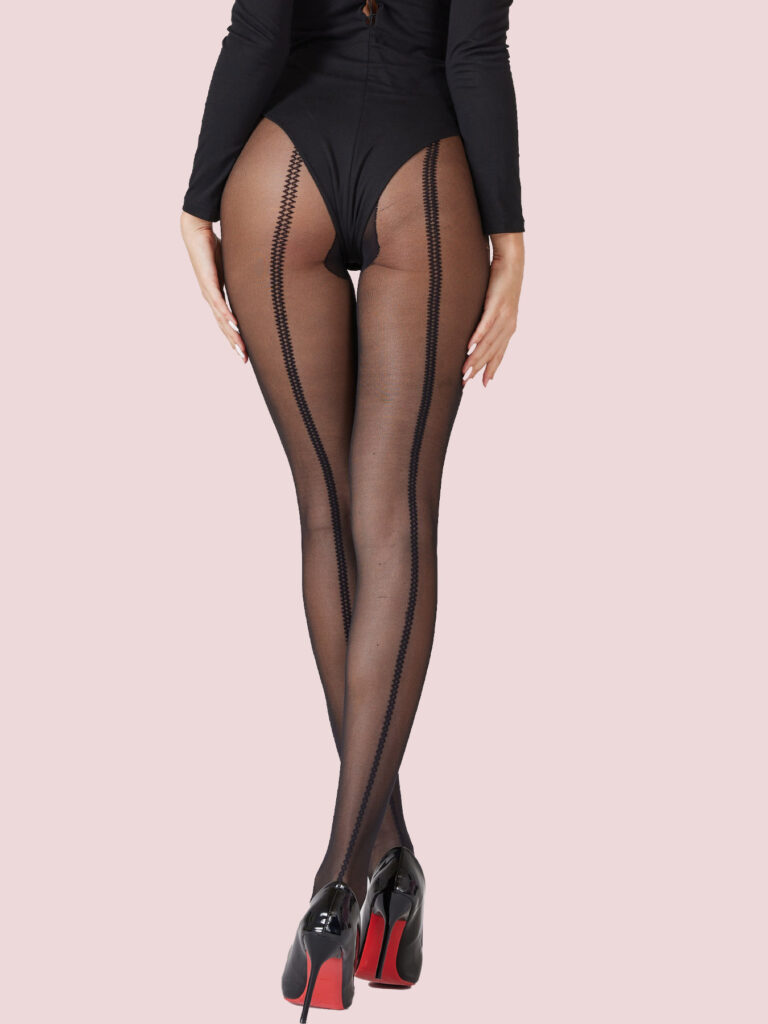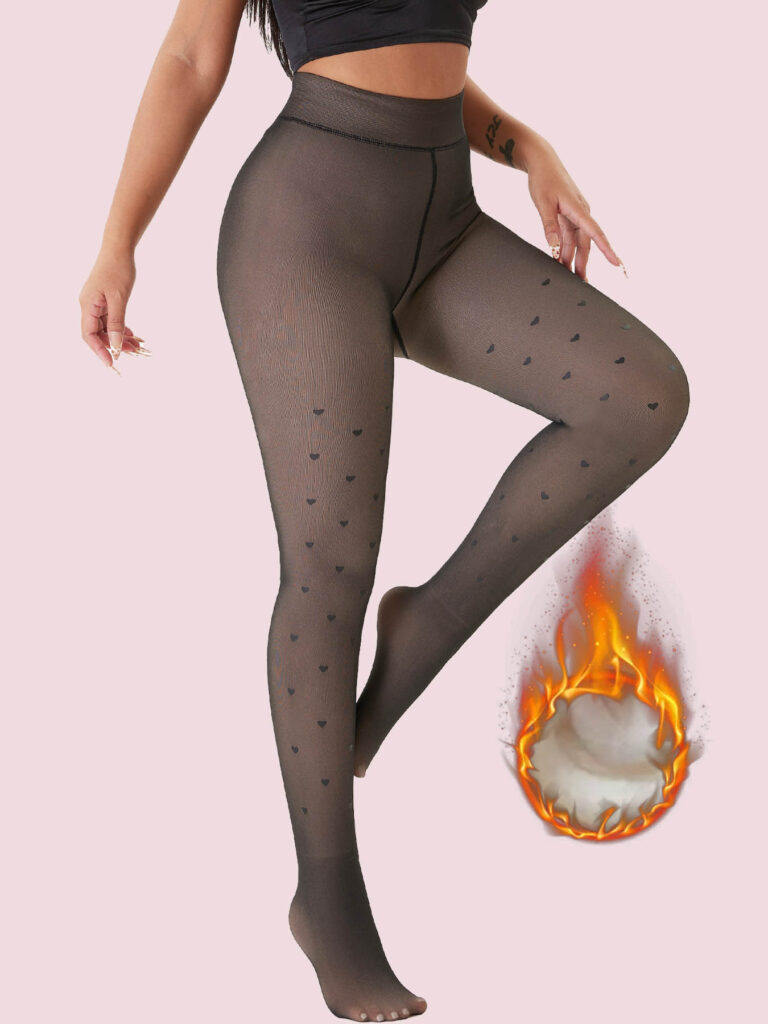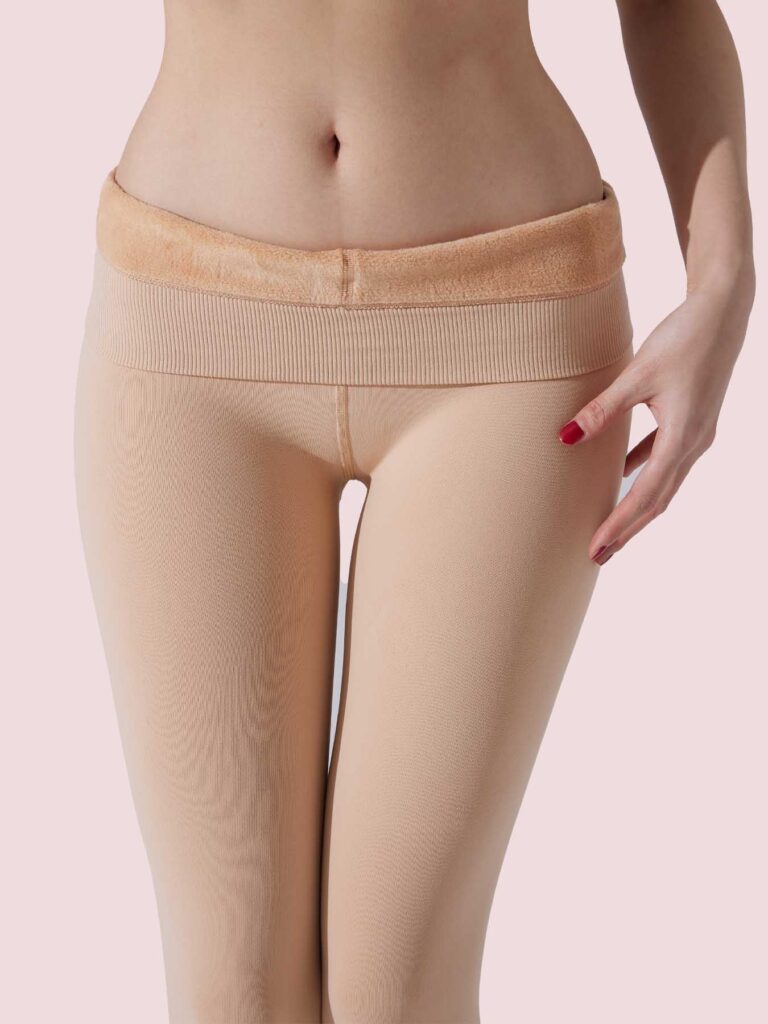
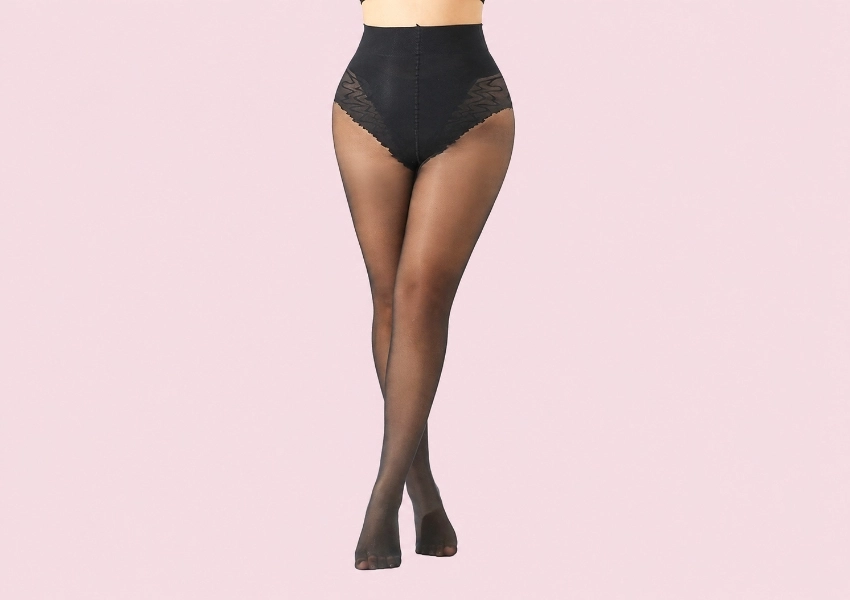
A formal tight has a narrow job. It should make the outfit look finished, stay quiet under the dress, and not become the reason a guest is uncomfortable halfway through the event. That sounds simple. In practice, control-top tights for dresses are one of the easiest hosiery categories to overpromise.
The buyer is balancing two things that can pull in opposite directions: a clean waist-and-hip line and a level of pressure a customer can actually wear through a ceremony, dinner, travel, and photographs. A good occasionwear range does not treat all shaping as the same. It separates subtle smoothing from firm control and gives each a credible retail description.
Define the Dresswear Job Before Choosing a Control Panel
Formal pantyhose can be required for a daytime wedding, a work event, a cocktail dress, or a bridesmaid package. Those uses call for different coverage and different tolerance for shaping. A consumer wearing a fitted satin dress may accept a more supportive brief rise. Someone buying hosiery for an all-day reception may prefer a softer waist.
Sheer Is Not the Same as Barely There
A fine leg can still have a substantial top. Control-top construction often combines a denser brief or waistband with a lighter leg panel. The buyer should see the join in motion, not only on a mannequin. If the control area ends too abruptly, it can show under a body-skimming dress or create a pressure line at the thigh.
10D high-waist control-top pantyhose is a useful reference for a very sheer occasionwear lane. With a product like this, the important questions are how the waist feels after sitting and whether the top remains smooth under a close-fitting dress. The package should say light shaping if that is what the wearer experiences. Calling a 10D product firm control invites avoidable returns.
Match Control to Event Duration
Wedding guest tights are normally worn for longer than a quick dinner date. A realistic sample test should last at least an hour and include standing, walking, sitting, and a short car ride. Ask testers whether the waistband folds, whether the control panel rides down, and whether the toe remains comfortable in the intended shoes. A panel that feels fine for ten minutes can become distracting after a meal.
Choose Denier for Light, Coverage, and Camera Use
Occasion-wear is often photographed. The right denier needs to look even under daylight, indoor warm light, and a flash. Very sheer styles can give a polished leg effect, but they expose shade mismatches and snag risk. A 20D or 40D option may work better for customers who want modest coverage or cooler-weather wear.
Build a Small, Legible Assortment
Rather than listing six levels of shaping, use three clear positions: sheer light control, semi-sheer smoothing, and fuller coverage control. Women’s 40D control-top pantyhose gives a useful bridge for a retailer that needs more coverage and reinforced-toe practicality while retaining an occasion-wear direction.
The shade plan should be equally controlled. Black, a carefully approved nude, and perhaps one deeper nude are more reliable than a long color ladder at launch. Dyeing can affect hue, depth, and surface feel. Finished samples should be checked against the pack artwork, because a shade that looks warm on the swatch can look different once the fabric is stretched over skin.
Treat Pattern as a Separate Fashion Choice
Evening shaping tights can carry a subtle pattern, but the visual role needs to be obvious. Butterfly semi-opaque shaping tights offer a fashion route that should be sold as a statement piece, not as a default wedding option. Pattern distortion after stretch, repeat placement, and the effect under flash all deserve inspection.
The buyer should keep patterned tights out of the core formal-pantyhose promise. They can sit in a smaller party or date-night capsule where the consumer expects visible design. That distinction keeps product pages and store staff from confusing a smooth dresswear basic with a decorative fashion item.
Test the Waistband Beyond the Hanger

High waist tummy control tights are often judged by one question: do they roll? The answer depends on the relationship between waist circumference, rise, brief tension, elastane recovery, and the wearer’s movement. More tension is not automatically better. Excess compression can make the top edge turn inward and create the very line the product is supposed to smooth.
Include the Upper Size Band
Fit tests that use only a small or medium body miss the most useful evidence. Include at least one wearer near the top of each proposed size range. Check the garment after a seated period, a short walk, and a change of shoes. Look for downward creep at the crotch gusset, pressure marks at the waistband, or a panel that pulls the leg fabric unevenly.
Hosiery construction offers several choices: a bikini brief, a reinforced brief, a tummy-control and butt-lifting crotch, a T-crotch, or a panel gusset. Each has a different visual and fit outcome. A control product should specify which construction is approved rather than leaving the brief shape open to interpretation in production.
Inspect the Finished Product, Not Only the Greige Sample
Heat setting and boarding give pantyhose their final dimensions and pressed appearance. They also reveal problems that do not show in an unfinished sample. Too much processing can affect elasticity or make surface appearance less even. The inspection sheet should cover waist width, rise, leg length, toe finishing, shade, sheen, and visible seams after the final process.
Put the Retail Claim and the Product Brief Together
Later in the launch process, Laseta can provide end-to-end support to the questions that turn a good sample into a retail SKU: yarn choice, denier, control construction, color, size chart, logo, folding, hang tag, care label, and master carton markings. The point is not to insert a company profile at the top of the page. The point is to keep the approved dresswear promise intact through production.
Request a free sample pack with one sheer light-control option, one semi-sheer option, and one more supportive pair. Have the buying team try them under the actual dresses or fabric weights planned for the launch. A thin slip dress, a lined crepe dress, and a fitted jersey dress will show different problems.
The custom control-top program is relevant once the range has a clear direction. The product brief should state the target control level, leg denier, waistband height, brief shape, toe treatment, size rules, shade standard, and packaging claim. It should also state what must not change on a reorder. That makes discussion around MOQ and costing much more useful.
Before placing bulk production, compare the approved sample against packaging language one last time. A product marketed as butt-lifting tights should have a real construction reason for that claim, not just a generic control top. If the lift is subtle, describe it as contouring or smoothing. The customer will notice the difference.
FAQ
Q1: What control level is best for wedding guest tights?
A1: Light to moderate control is usually the safest choice for long events. The buyer should test it sitting and standing under the intended dress before selecting the claim.
Q2: Can 40D tights still work for formal dresses?
A2: Yes. A 40D style can suit cooler weather, modest coverage, and customers who prefer a more secure feel. Keep the product photo honest about its opacity.
Q3: What should appear in a control-top product brief?
A3: Include denier, yarn, waistband height, control level, crotch structure, toe type, shade, size range, package copy, and approved sample measurements.