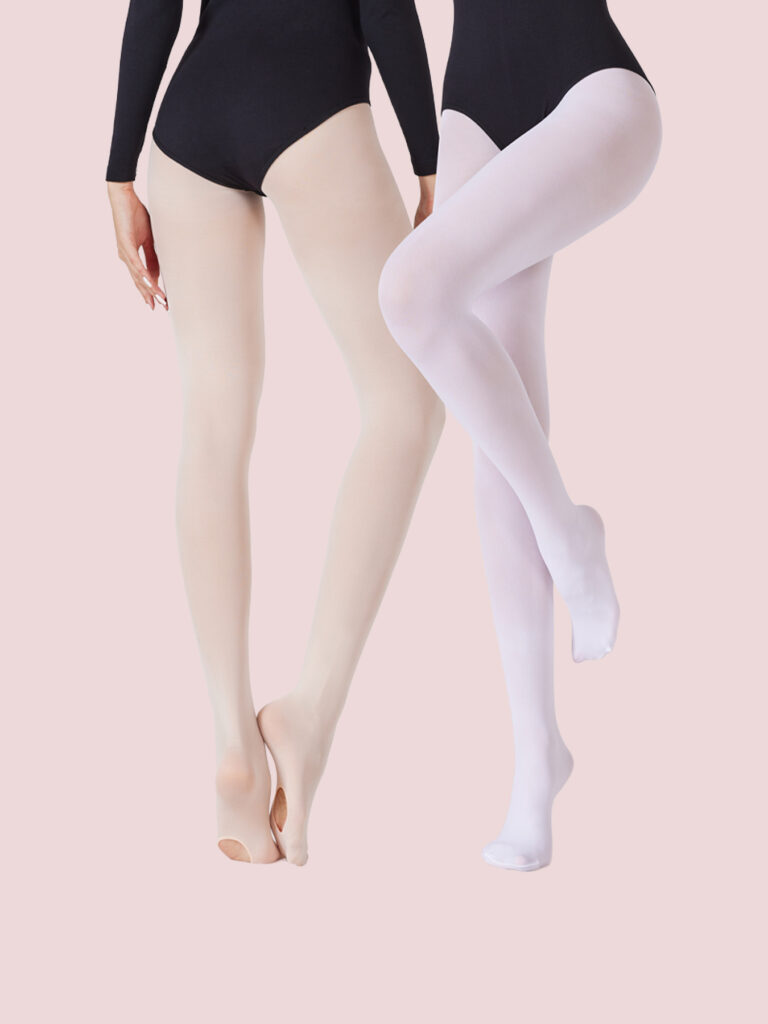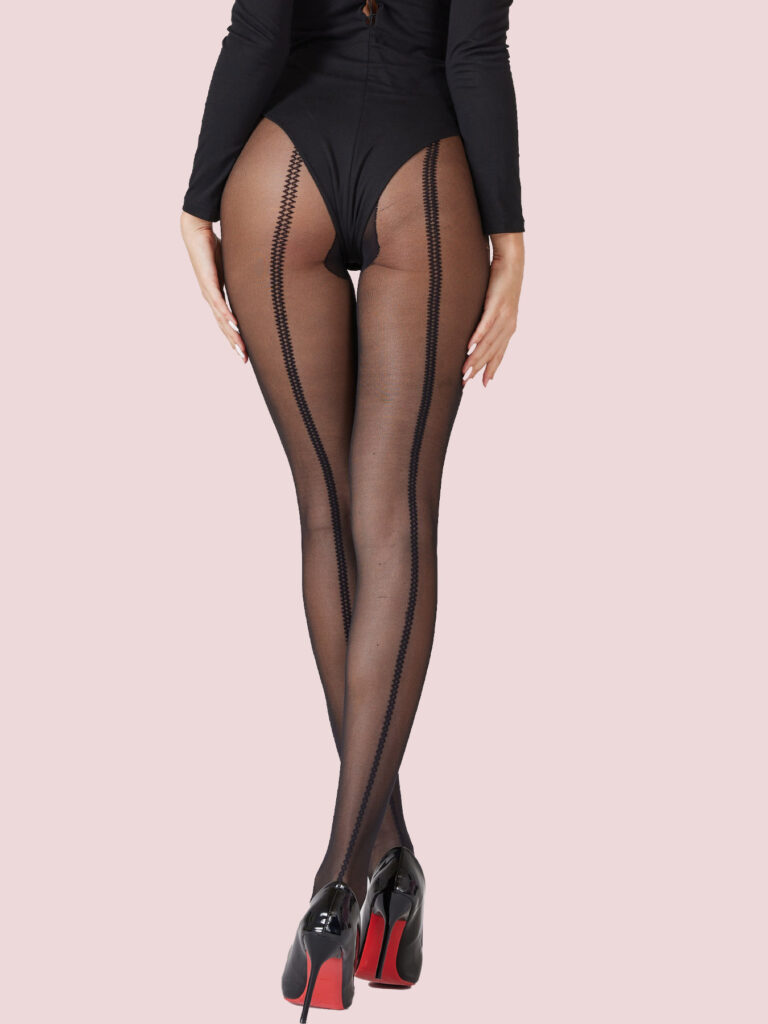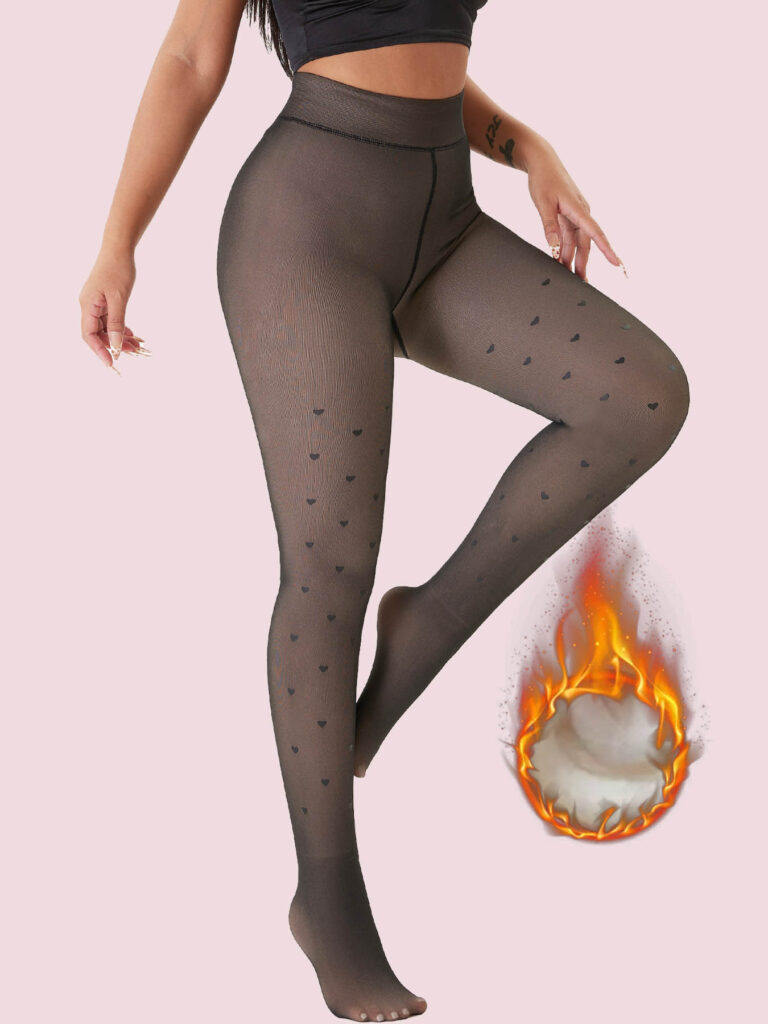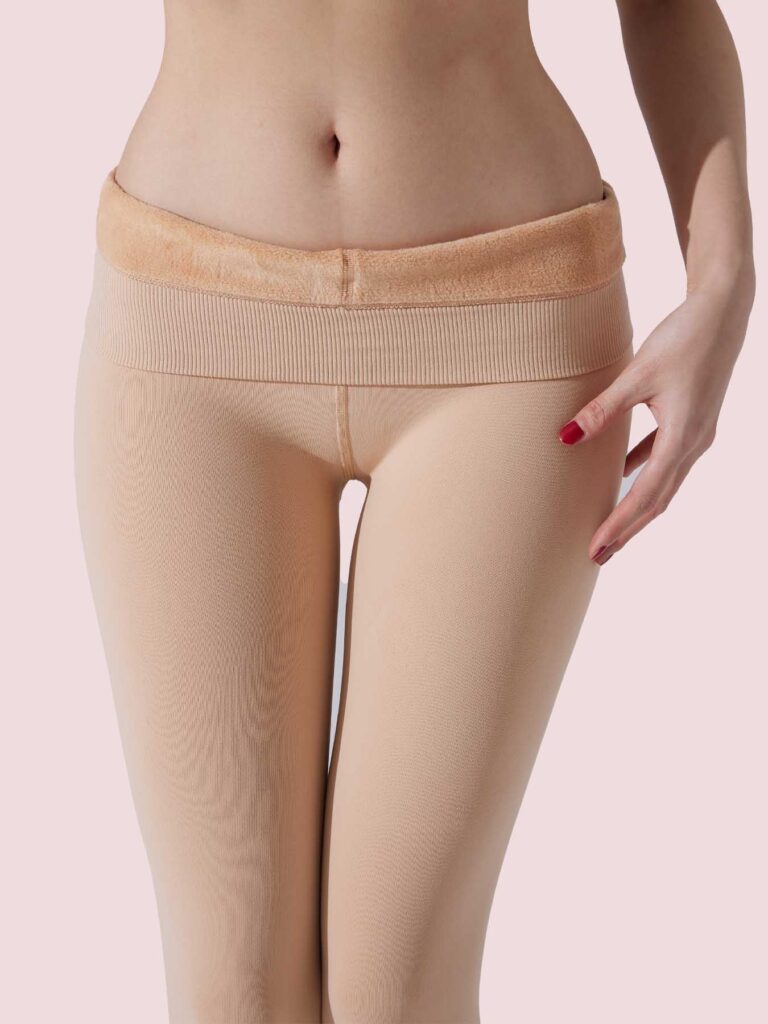
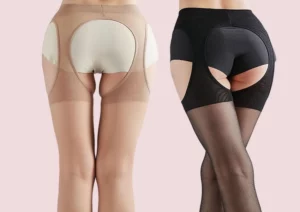
A private label seamless tights project usually goes wrong before the factory starts knitting. The brief rise says seamless, high-waist, soft, and premium. Each word sounds clear, yet each can mean several different constructions. Is the crotch gusset seamless, the waistband invisible, the brief rise smooth, or the whole garment built with minimal sewing? Is high waist a measurement, a visual line, or a shaping function?
Mass production becomes far less risky once those questions are settled in writing. A usable brief rise is not a mood board. It is a compact agreement on what the wearer should feel, what the retailer should be able to claim, and what the production team must reproduce.
Turn the Product Idea Into Measurable Decisions
Private label seamless tights need a product role before they need a color card. The role may be daily sheer comfort, polished workwear, high-waist smoothing, fashion texture, or a fuller-size seamless line. That decision drives denier, yarn, crotch gusset structure, waistband, size curve, and packaging.
Define What “Seamless” Means on This SKU
Hosiery can use a seamless crotch gusset, an invisible center seam, a T-crotch gusset, a reinforced brief rise, or a panel gusset. These are not interchangeable. A seamless crotch gusset is aimed at a smoother, more comfortable profile under close-fitting clothing. A reinforced brief rise may suit a different coverage or durability goal. The brief rise should name the required construction and attach a simple sketch if the visual line matters.
Rose printed seamless tights show why a product idea also needs a visual specification. A printed or patterned seamless style must be checked for motif position, stretch distortion, and how the design sits on different leg sizes. A plain tight may need a different approval focus: shade evenness, transparency, and waist recovery.
Set the Target Feeling, Not Just the Target Price
Custom tights are built from yarn, stitch settings, finishing, and fit decisions. For a seamless pantyhose manufacturer, material selection is often the first step in controlling comfort and appearance. Nylon contributes abrasion resistance; Spandex (Lycra) contributes elasticity, compression, and shape retention; core-spun yarn supports a fine transparent look; microfiber improves softness and warmth. A reliable custom tights factory should help buyers translate these material choices into the intended handfeel, coverage, sheen, and level of hold rather than focusing only on price.
Denier should follow that role. Fine sheer styles make surface defects more visible. Higher denier can give coverage or support but can also change how the product looks under a dress. A price target without a wear target encourages substitutions that may look acceptable in a factory photo and fail on the body.
Build the Sample Sequence Around Real Risk
A single approved sample is not enough for pantyhose manufacturing. The first sample may prove the broad silhouette. The next can confirm color and finish. A package sample checks folding and shelf presentation. A size-run sample tests the points where a product is most likely to pull, roll, or lose recovery.
Use the Upper Size Band as a Development Gate
Seamless construction still has to accommodate real size variation. The buyer should specify height, hip, and waist guidance for each size, then test at both ends of the band. Check the rise, thigh stretch, knee recovery, crotch gusset position, and waistband after a seated period.
The process notes behind hosiery development start with a technical specification sheet. It identifies the item, customer, material route, and dimensional requirements at each production stage. That discipline is valuable for a private label because it turns a subjective comment such as feels too tight into an actionable correction: adjust waist circumference, rise, yarn tension, panel size, or size grading.
Approve Color After the Final Finish
Dyeing and finishing should not be treated as a decorative last step. Fibers relax and shrink during processing, and the final finish affects color, handfeel, and elasticity. Check the shade after dyeing and final drying, then again after boarding. The buyer should retain an approved finished swatch or sample, not only a digital color value.
For a fashion-led style such as high-waist seamless garter tights, approve the visual identity and construction separately. The high-waist and garter effect may be central to the sell-in, but it also creates points where placement and tension need repeatable control. A bulk order should not rely on a generic reference photograph.
Lock the Production Controls Before the PO
Once the sample is approved, the next task is to make it repeatable. Knitting creates the greige structure, and then processing may include h

eat setting, toe closing, cutting or joining, dyeing, drying, and boarding. Each stage can change the outcome.
Record the Defects That Matter for This Line
For sheer or seamless tights, defects can include broken needles, bars, holes, snags, uneven texture, crooked seams, mismatched legs, elastane breaks, poor crotch gusset stitching, shade variation, and incomplete finishing. The brief rise should not list every factory defect ever seen. It should identify what the brand will reject and how it will be measured.
Visual inspection and dimensional inspection before packing are particularly important. A seamless SKU cannot hide a cloudy leg, a twisted waist, or a mismatched pair. Ask for pre-production approval, in-process checks, finished-goods review, and packaging confirmation. If the brand needs a particular inspection method or AQL level, put it into the order terms rather than raising it after shipment.
Keep Packaging Connected to Fit
Packaging is part of tights’ development. A pack needs the size guide, denier, care direction, color name, and claims that match the finished product. It also needs a fold that does not create pressure marks or snag a fine leg. Delicate styles may need controlled compartment packing; heavier styles may use a different presentation. The factory should follow the confirmed pack specification exactly.
Move From Factory Capability to Repeatable Production
Laseta can provide end-to-end support to later-stage discussions of knitting, dyeing, finishing, quality inspection, warehouse handling, samples, and customized labels. The point is to connect the approved brief rise to an actual production route.
Request a free sample pack during development, not only after the design is considered finished. Include the closest stock construction, the intended yarn or denier direction, a fit sample, and, where relevant, a package dummy. This lets the buyer correct a weak idea before investing in a full custom sample cycle.
OEM and ODM hosiery service is where the final brief rise can be converted into fabric, size, color, logo, packaging, hang tag, and care label instructions. A good handover includes a product drawing, approved sample reference, measurement table, color standard, material direction, control or seamless requirements, packaging artwork, carton mark, inspection points, and order quantity.
The reorder file deserves the same care. Mark what is frozen: yarn, denier, waistband, crotch gusset, size grading, shade, fold, and carton. Mark what can change: seasonal color, outer artwork, or bundle mix. That separation stops a repeat order from quietly becoming a fresh development project.
FAQ
Q1: What belongs in a private label seamless tights brief rise?
A1: Include product role, denier, yarn direction, seamless area, waistband, crotch gusset construction, size chart, color, finish, package specification, inspection points, and approved-sample reference.
Q2: When should buyers request a free sample pack?
A2: Request it during the concept and material stage, then use a final sample for size, color, finish, and packaging approval before bulk production.
Q3: Why can a repeat order differ from the first shipment?
A3: Changes in yarn, dye formula, heat setting, size grading, folding, or an unclear approved reference can alter the product. A controlled reorder file reduces that risk.