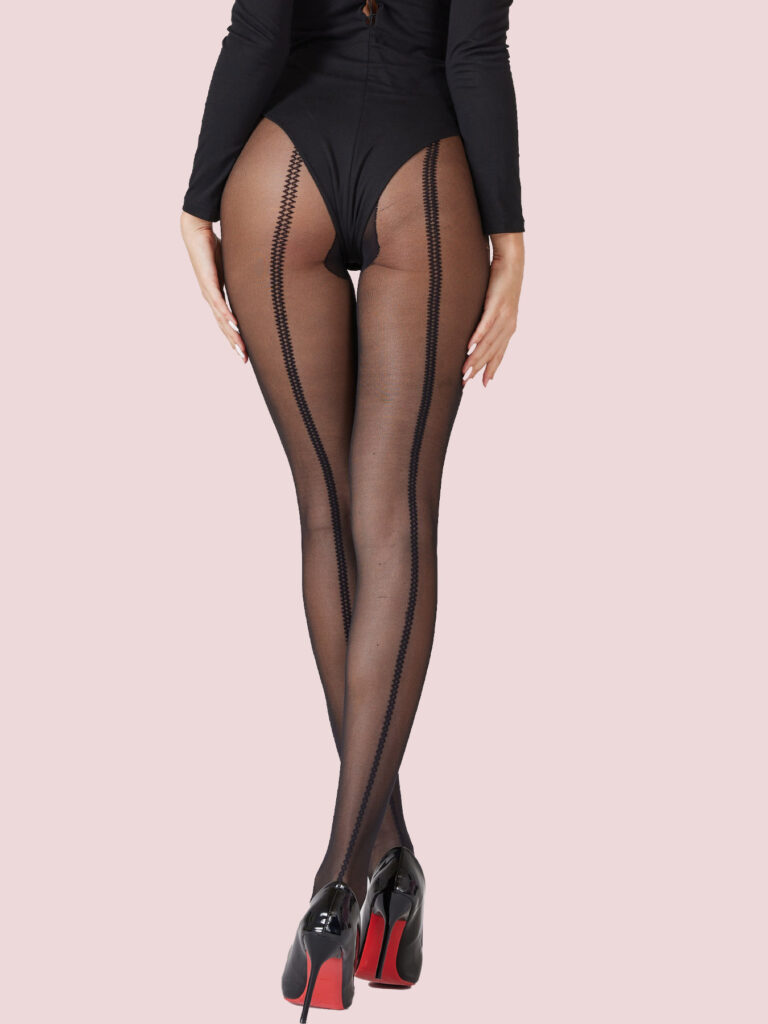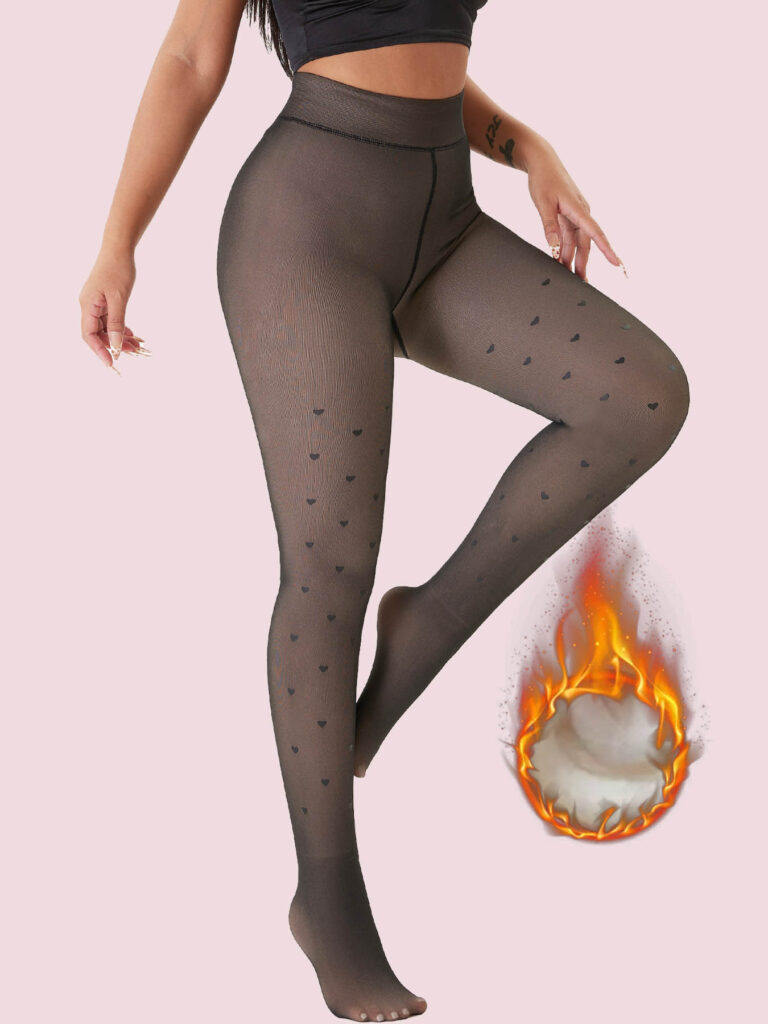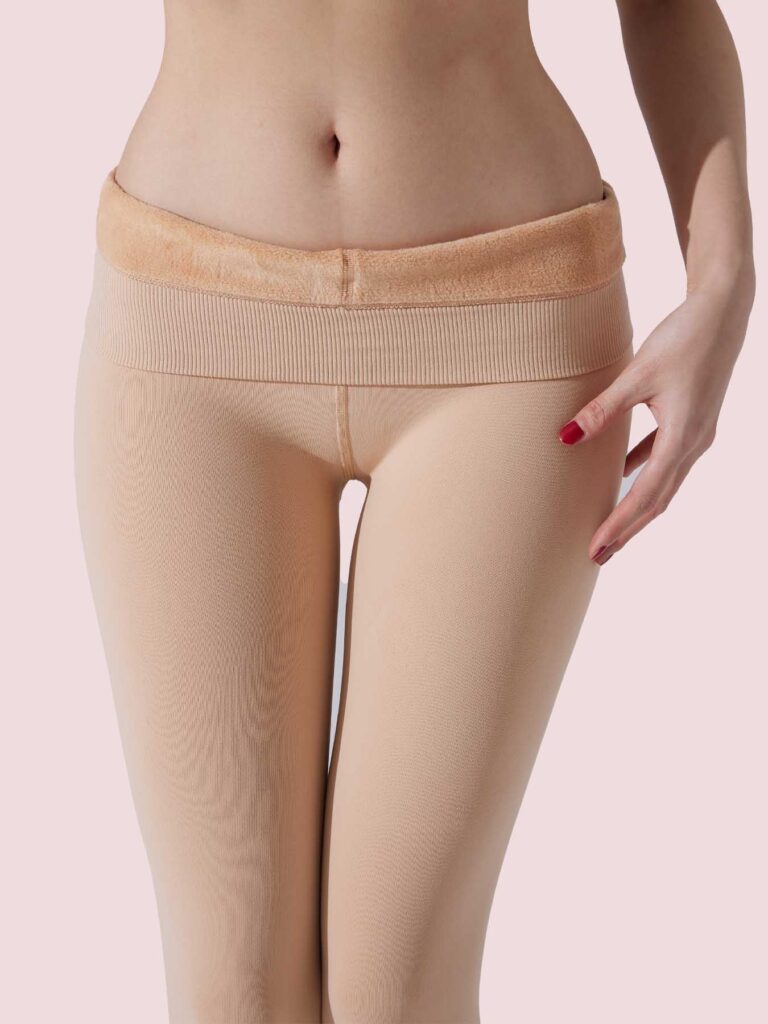

The OEM seamless tights cost is rarely one clean number. The quote depends on yarn, denier, size range, color, waistband, crotch gusset construction, packaging, sample rounds, and how much risk the supplier has to carry before the order becomes repeatable. Buyers who only ask for the lowest unit price often end up comparing products that are not the same.
The better question is what the price includes. A low quote can hide weak yarn, a narrow size curve, fewer shade checks, simple packaging, or a higher complaint risk. A higher quote may include better recovery, cleaner color control, private label packaging, and a supplier that can repeat the product after launch.
MOQ Starts With Construction Risk
The tights MOQ rises when the factory has to set up a more specific construction. Seamless, comfortable waistband pantyhose differ significantly from basic sheer pantyhose. A seamless crotch gusset, invisible waistband, high waist shaping, jacquard texture, or special denier can all add setup work. The more unique the construction, the less useful existing stock materials become.
Buyers should ask which parts are truly custom. If only packaging changes, the MOQ may stay lower. If the yarn blend, color, waistband, and crotch gusset structure all change, the supplier needs more production planning and more sample control.
Do Not Compare MOQ Without Specs
One supplier may quote a low tights moq for a simple stock-adapted style. Another may quote higher for a custom pantyhose project with a new shade, broader size chart, and branded pouch. Those numbers are not equal. The spec sheet has to come before the price comparison.
Yarn, Denier, and Recovery Drive Unit Price
Raw material choice is one of the largest cost drivers in hosiery. Nylon affects abrasion resistance. Spandex(Lycra) affects elastic, compression, and shape retention. Core-spun yarn can support a transparent, smooth look. Microfiber or velvet can change warmth and handfeel. A buyer asking for OEM seamless tights should decide whether the product is sheer, shaping, thermal, glossy, or for daily comfort before asking for cost cuts.
Denier also matters. Fine, sheer, seamless tights need careful handling because the fabric is thin and visual defects show quickly. Heavier seamless tights may feel safer but use more material and may not fit the intended styling. The unit price should be tied to the retail promise, not only to a target margin.
For range planning, seamless tights can help buyers compare different seamless roles before committing to one specification. For a fashion-texture lane, diamond mesh jacquard seamless pantyhose show how texture, stretch, breathability, and seamless comfort can change both cost and product story.
Recovery Has a Cost
Cheaper elastane content may lower the first quote, but poor recovery can raise returns. If the waistband grows loose, the knee bags, or the crotch gusset pulls down after walking, the product loses repeat buyers. Seamless tights’ cost should include the price of staying wearable under tension.
Color and Packaging Can Move the Quote
Color development is another cost variable. Stock black is usually easier than a custom nude ladder, seasonal brown, glossy finish, or brand-exclusive tone. Dyeing and finishing need sample confirmation because the shade can shift after processing. A buyer should not approve the price before color approval steps are clear.
Packaging also changes the unit price. A simple polybag, branded pouch, insert card, hang tag, care label, and carton mark do not cost the same. Packaging is not just decoration. Seamless tights are sold as comfort products, so the first touch and fold presentation affect customer trust.
Samples Should Be Counted Honestly
Private label hosiery often needs more than one sample. First sample for construction, second for color, third for packaging, and sometimes a size-run sample. Buyers can request a free sample pack to compare stock-based and custom directions before paying for a full development path. That early pack can prevent expensive changes later.
Supplier Scale Changes the Cost Conversation
Factory scale does not automatically mean the lowest price, but it can affect consistency and reorder cost. Laseta has nearly 30 years of hosiery production background, a large production base, Italian Lonati machines, small circular knitting machines, dyeing control, warehouse depth, and QC staff. Those points matter when a buyer needs the same fit, color, and packaging in a second order.
For custom pantyhose development, OEM and ODM hosiery service is the right later-stage link for fabric, size, color, logo, packaging, hang tag, and care label work. Buyers should keep the brief rise tight: seamless area, denier, waistband, size range, shade standard, packaging, and target market. A loose brief usually creates extra samples and a less stable quote.
If the project is moving into replenishment or channel distribution, wholesale and distribution support becomes relevant. Stock depth, fast shipment, and warehouse handling can matter as much as the first unit price once the SKU starts selling. A cheap first order is not cheap if reorder timing breaks the retail calendar.
The cleanest cost discussion usually separates three levels. Stock adaptation uses existing construction with label or packaging changes. Semi-custom changes shade, size mix, waistband, or denier while staying close to proven production. Full OEM changes several variables at once and needs more sampling. Each level has a different MOQ logic and a different risk level.
Buyers should also ask what happens when the first order sells faster than expected. If the supplier cannot repeat the yarn, dye shade, or waistband within the retail calendar, the original unit price loses meaning. For private label hosiery, a stable reorder path can be worth more than saving a few cents on the first PO.
Before the final quotation is signed, the buyer should keep one short approval sheet: product role, target customer, denier, seamless area, yarn blend, waistband, color standard, packaging, MOQ, unit price, and sample status. That sheet keeps the pricing conversation tied to the product, not to a loose idea of seamless tights.
A second sheet should track what can stay unchanged on reorders. If the buyer can keep the same yarn, same base color, same waistband, and same folding method, the next order usually becomes easier to quote. If every reorder changes a few details, the factory is forced back into development work, and the apparent unit-price saving can disappear.
FAQ
Q1: What affects OEM seamless tights’ cost the most?
A1: Yarn blend, denier, seamless construction, waistband design, size range, color development, packaging, sample rounds, QC level, and order quantity all affect cost.
Q2: Why does MOQ change between suppliers?
A2: MOQ depends on whether the style uses stock materials or custom yarn, color, construction, packaging, and size grading. The same word “seamless” can mean different work.
Q3: When should buyers request a free sample pack?
A3: Request it before final costing. Compare stock-based, semi-custom, and full OEM options so the price reflects the real product path.