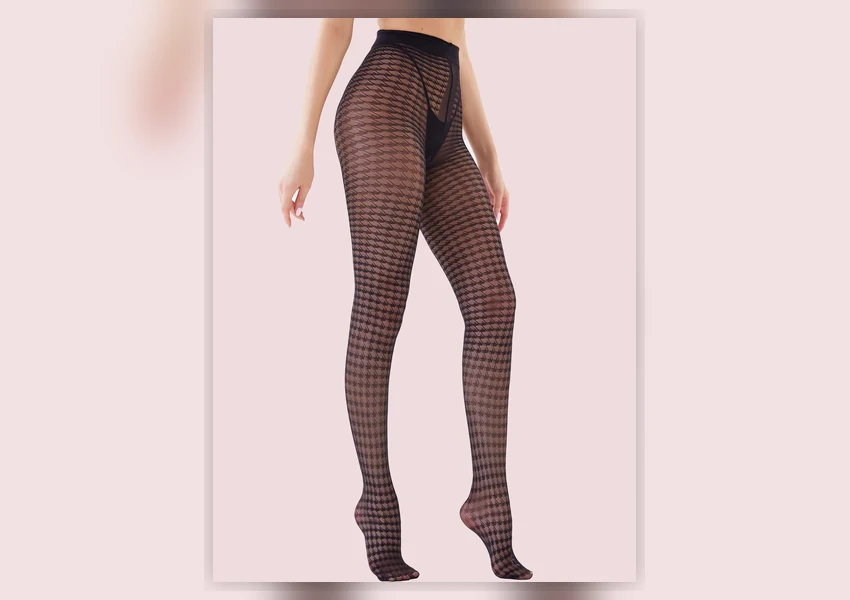
Run-resistant sheer pantyhose sounds like the perfect retail promise. Customers want the light look of sheer hosiery but hate a ladder after one wear. The problem is that extra strength can make the leg look heavier, duller, or less elegant if the construction is handled bluntly. Buyers have to protect durability without turning a sheer product into a semi-opaque one by accident.
The right sourcing brief rise starts with a realistic claim. “Run-resistant” does not mean “impossible” to “damage”. It means the yarn, knitting, reinforcement, and finishing reduce common ladder and snag risks while keeping a refined leg appearance.
Define the Sheer Look Before Asking for Strength
This could be referred to as the “strongest sheer” pantyhose; however, without outlining the exact appearance that the buyer is searching for, a supplier may attempt to supply a variety of “sheer” products such as 10D, 15D, or 20D pantyhose. Each of these individual products would sit on the leg in a completely different way. Below 40D hosiery tends to sit within the “sheer” side of the range. However, as the denier of the hosiery increases, the hosiery gains body but loses much of the “airy” appearance of normal hosiery that the customer is looking for. Buyers should always first approve the visual “lane” of such products: barely-there, polished daily “sheer,” fashion “sheer,” or thermal “sheer” “illusion.” Only then should the durability target be added. Durable sheer tights need a clear balance, not a vague demand for stronger fabric.
Strength Should Not Flatten the Finish
Extra yarn density can reduce runs, but it may flatten the surface and make the leg look heavy. Core-spun yarn, good nylon quality, and controlled elastane content can support strength without creating a dull, thick look. The sample needs to move with the leg and still recover after bending.
Use Yarn and Construction to Reduce Ladder Risk
Raw materials carry a large share of stocking quality. Nylon supports abrasion resistance. Spandex(Lycra) helps with elastic, compression, and shape retention. Core-spun yarn can help a transparent, sheer look stay clean. A supplier that only talks about denier is missing half the discussion. Ladder-resistant tights depend on both material and knitting control.
Knitted hosiery is made from interlocking loops. If a loop breaks, the structure can open into a run. Stable yarn feeding and consistent loop length help reduce weak spots. Reinforced toes, better waistband attachment, and suitable crotch gusset construction also matter because many runs start near stress points, not in the middle of a calm leg panel.
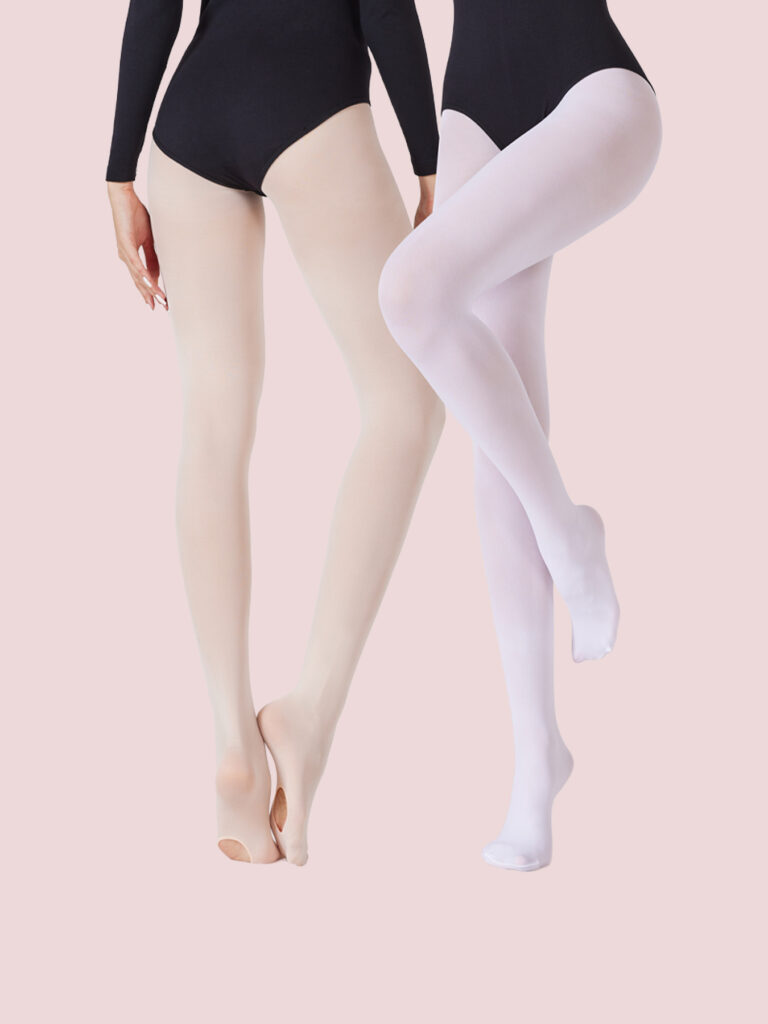
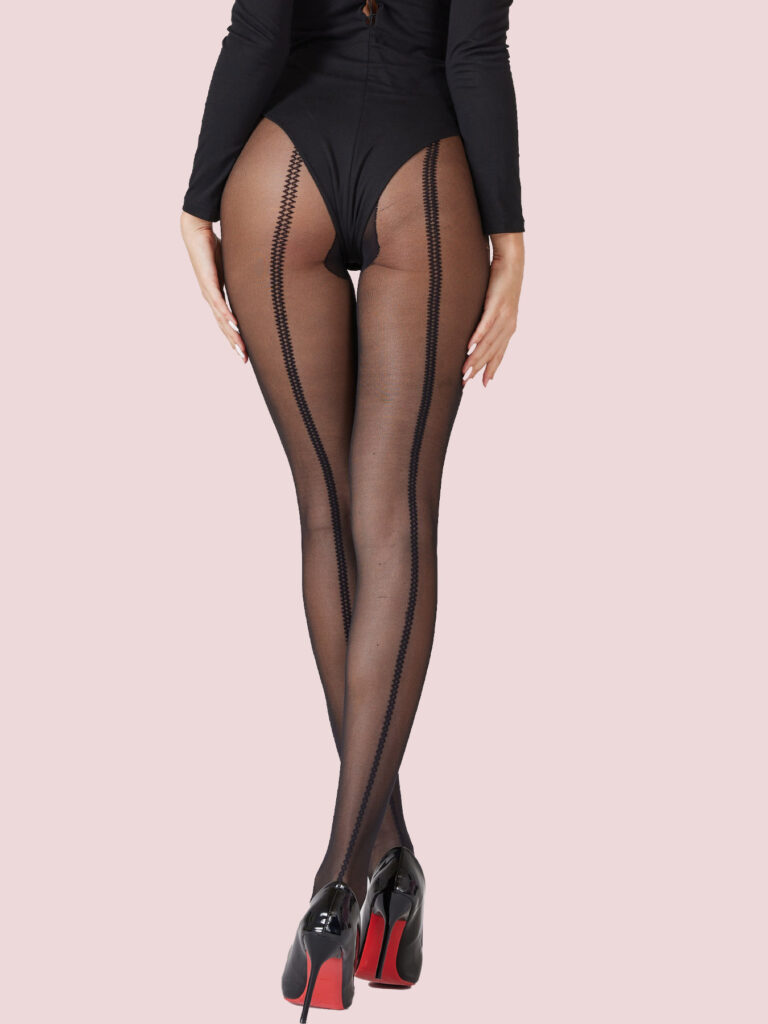
For a fine sheer reference, ultra-transparent core-spun seamless pantyhose can help buyers review transparency, high-waist fit, and a smoother construction direction. For a fashion sheer option with a pattern and control-top cues, a 20D sheer patterned cuban heel stocking gives a different test case, because texture and heel detail should not create new snag points.
Test the Stress Zones
The sample check should focus on toe, heel, knee, upper thigh, crotch gusset, and waistband edge. Rub the toe area lightly against a rougher surface, check fingernail snagging during pull-on, and review whether the knee recovers after bending. Snag-resistant pantyhose should be tested like a product customers actually wear, not like a museum sample.
Keep Claims Honest Across Denier and Season
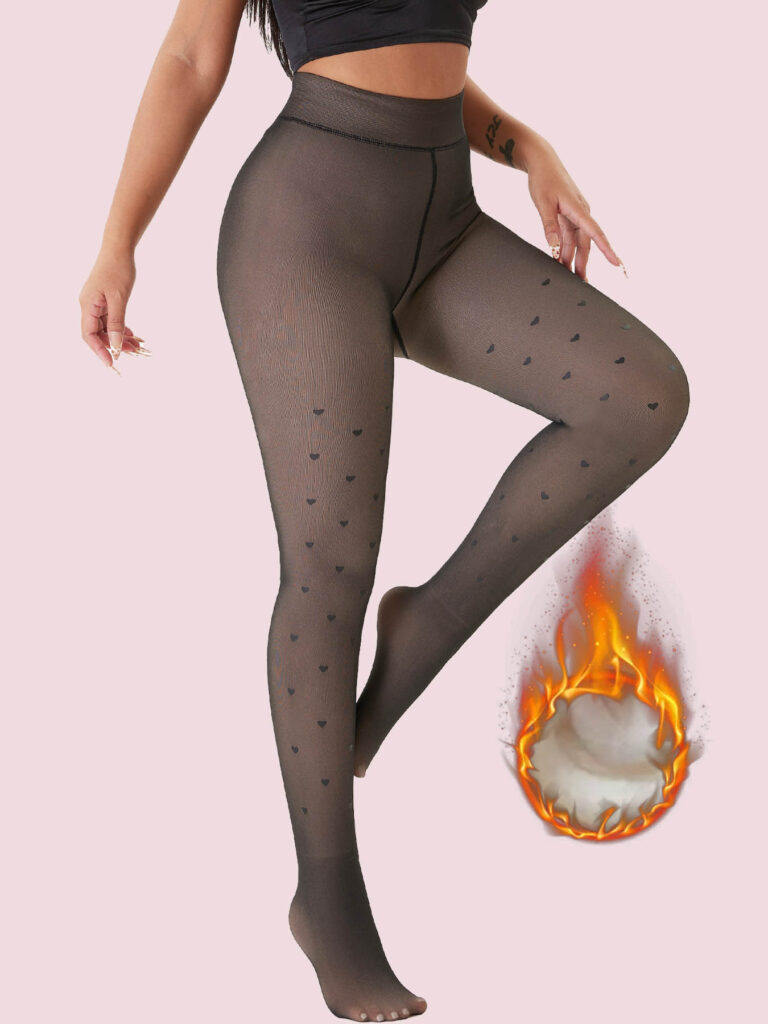
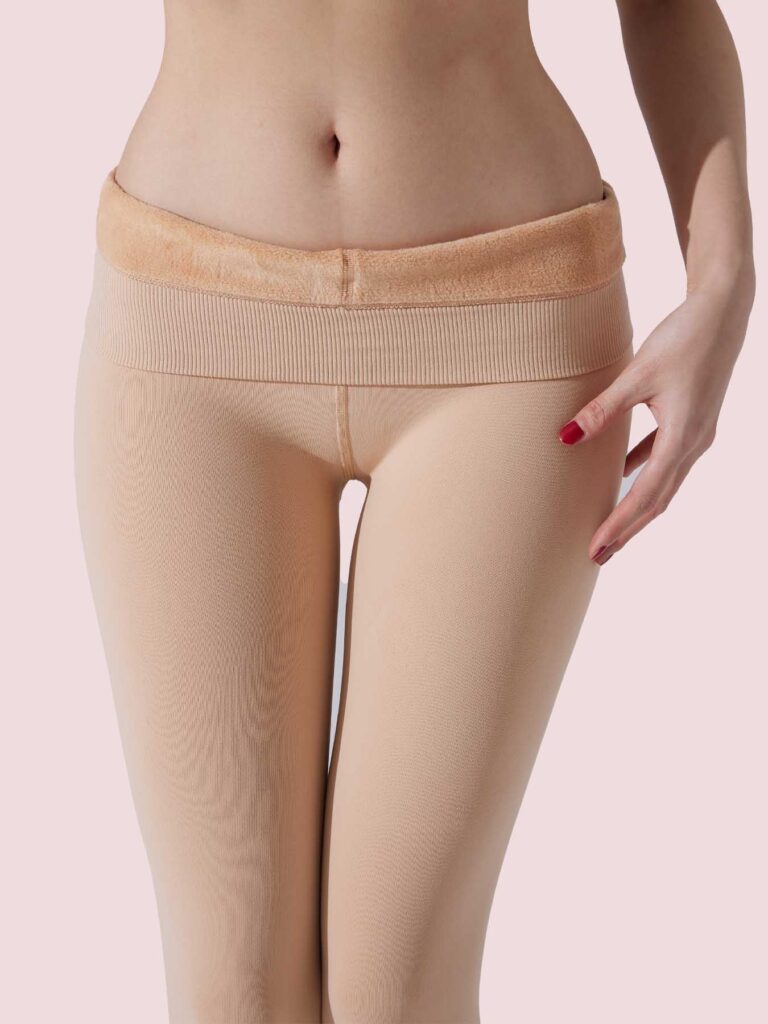
Run-resistant sheer pantyhose for summer is not the same as black sheer fleece tights for winter. A thermal illusion product can look sheer outside while using a warmer inner layer. It may be more durable by nature, but it should not be sold as ordinary sheer pantyhose if the handfeel and thickness are different.
Cold-weather channels could support a separate retail role for a product like fleece-lined fake translucent winter pantyhose, i.e., a black sheer look with warmth. Check ankle thickness, knee bend, and outer shear illusion. Check too that the fleece layer does not change the silhouette of the pantyhose when worn with boots or skirts. That product belongs in a seasonal durability lane, not in the same slot as 15D daily sheer.

Claim Words Shape Expectations
Ladder-resistant, run-resistant, snag-resistant, reinforced, and durable do not mean the same thing to consumers. A private label should choose one main claim and support it with visible construction points. Too many strength claims can make customers expect impossible performance and punish the product in reviews.
Build a Practical Sample Approval Process
A useful sample round should include one target denier, one slightly stronger denier, and one control sample from the current range if available. Buyers can request a free sample pack with the yarn blend, denier, toe type, crotch gusset type, finish, and packaging method marked on every pair. The pack should be tested by hand, worn on the leg, and packed back into the retail pouch to check creasing or pressure marks.
When buyers review the pantyhose category, the range can be split by job: daily sheer, glossy sheer, control top, thermal illusion, plus size, and seamless. This helps the team avoid asking one SKU to do too much. The run-resistant sheer pantyhose lane should protect the sheer look first and add strength where customers need it most.
Laseta can support hosiery development through material selection, knitting, dyeing, finishing, packaging, and QC. Laseta’s factory background, knitting machines, dyeing control, warehouse support, and inspection team are useful when the approved sample has to repeat across bulk orders. For private label buyers, the best next step is to request a free sample pack, compare the stress zone results, and then lock the claim language before packaging is printed.
The final approval should include a small handling note for the retail team. As long as the product has not been packed too tightly or pressed under heavy cartons and does not suffer from rough styling props when photographed, the first customer impression can still be positive even before the customer tries on the pair of snag-resistant pantyhose. The packaging and merchandising are part of the quality story of a good product. Therefore, clear care information and a smooth first touch are still necessary when the customer opens the pouch of the product.
Buyers should also keep one approved reference pair from each lot. When a later shipment feels heavier or runs more easily, that physical standard helps separate a real production issue from a customer expectation issue. It is a simple habit, but it saves long email threads during reorder season.
FAQ
Q1: Can sheer pantyhose really be run-resistant?
A1: They can be made more resistant to common runs, but no sheer pantyhose is damage-proof. The claim should be tied to yarn, toe, crotch gusset, and QC tests.
Q2: Does higher denier always mean better durability?
A2: Higher denier can add strength, but yarn quality, loop consistency, recovery, reinforcement, and finishing also matter. Too much density can make the leg look heavy.
Q3: When should buyers request a free sample pack?
A3: Request it before the durability claim is approved. The pack should include target denier, stronger comparison denier, and stress-zone notes.