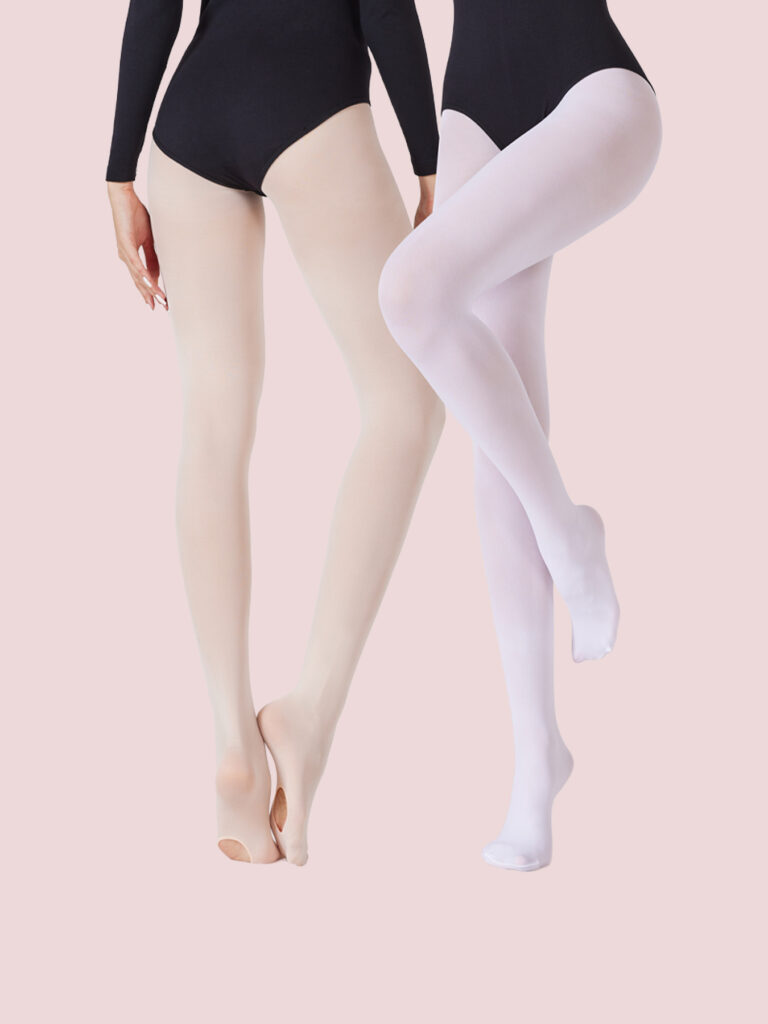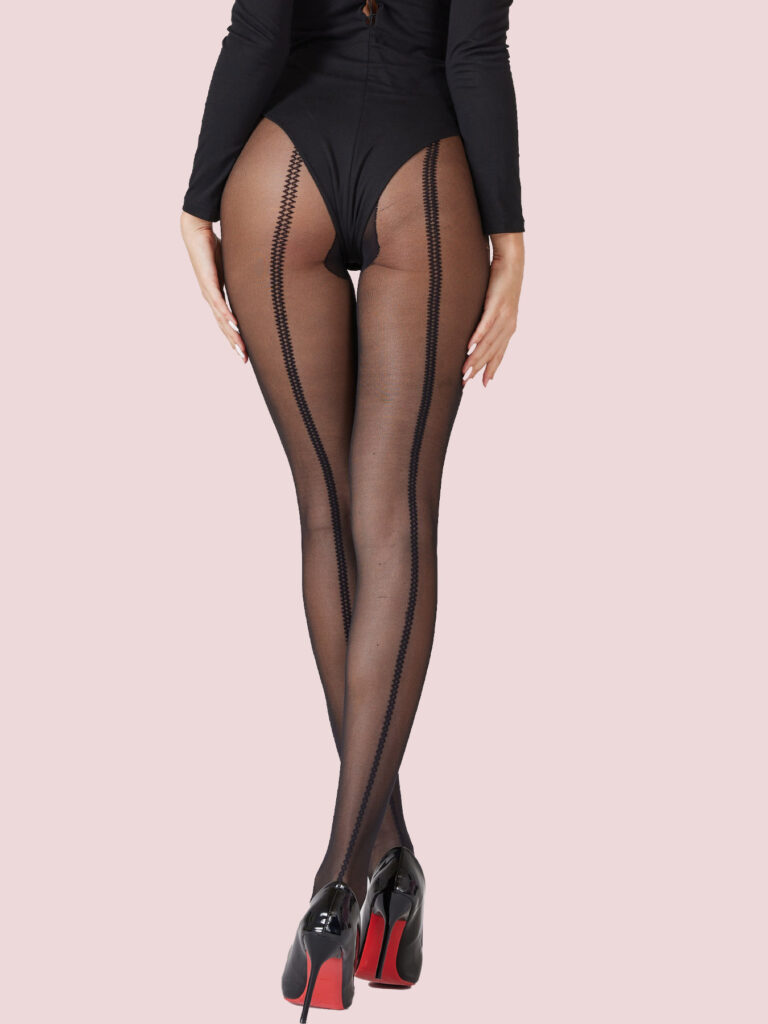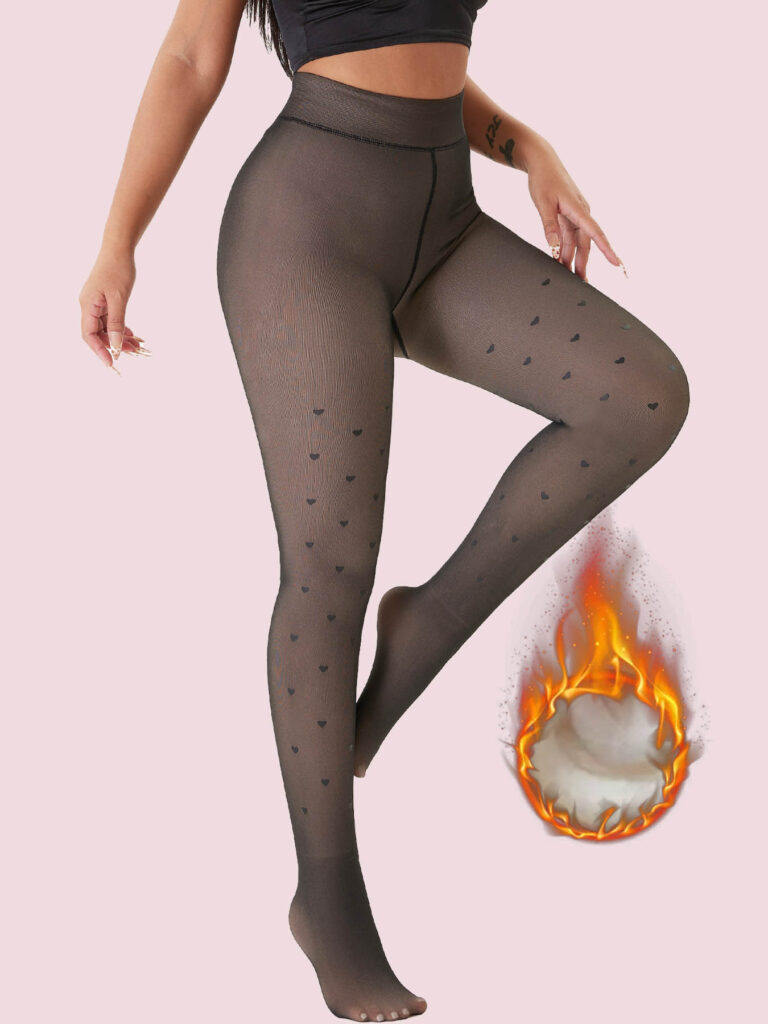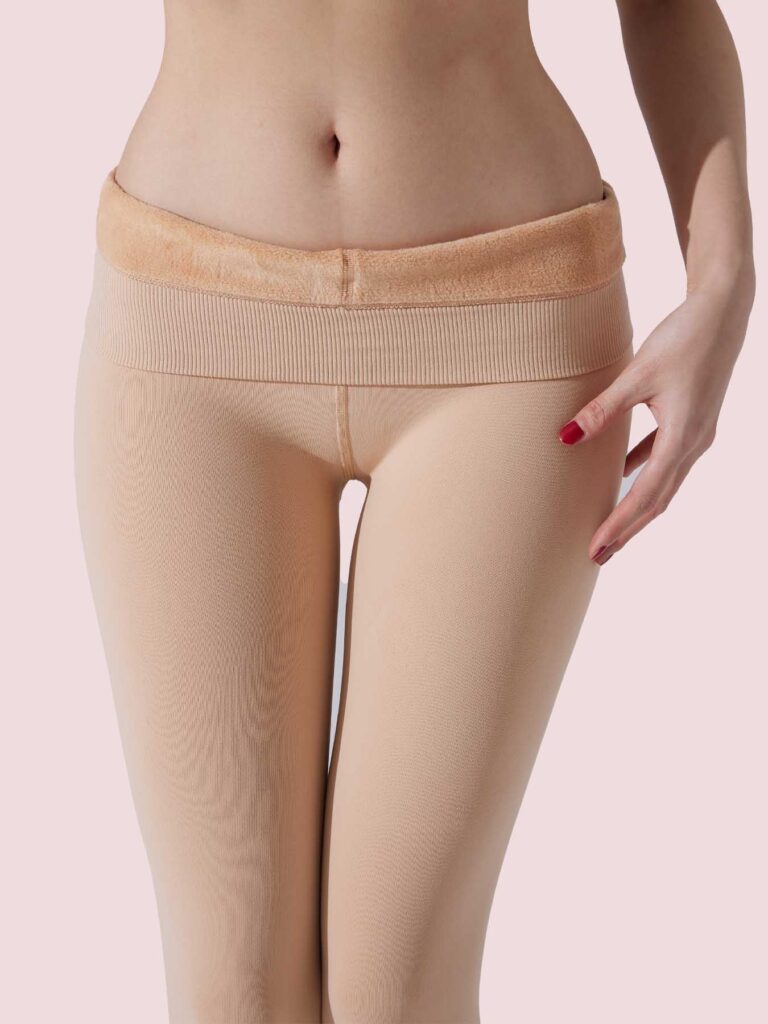
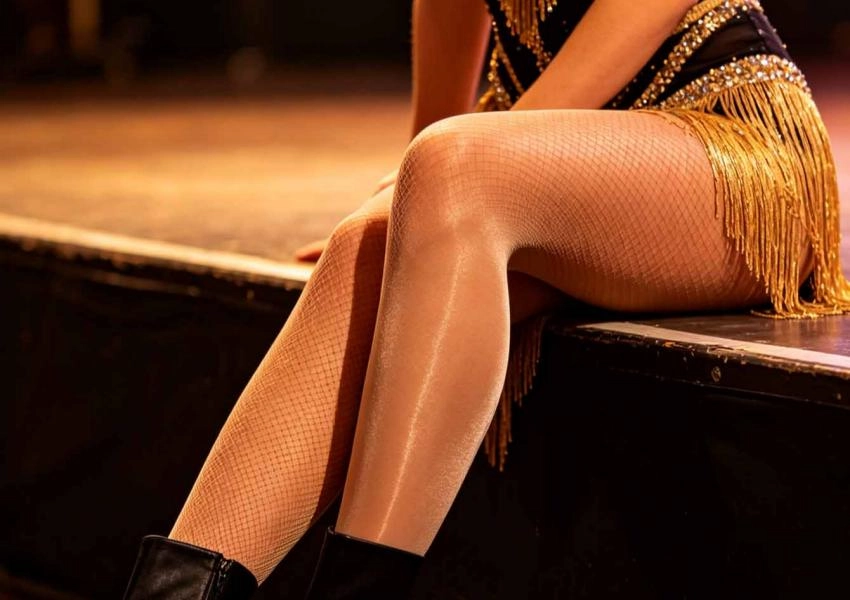
Nude oil-shiny pantyhose is a harder color project than a black or clear glossy style. The shine attracts attention, while the skin-tone base is expected to disappear into the leg. That contradiction is exactly where private label collections can go wrong. A shade that looks soft in folded packaging may turn orange under retail lights, gray on deeper skin, or pale across the knee once the yarn stretches.
For B2B buyers, the starting point is not a long list of romantic color names. It is a practical shade ladder that covers real customers, works with the selected denier, and stays stable after dyeing and finishing. Skin-tone pantyhose must be checked as worn fabric, not as a color chip.
Start With the Retail Customer, Not a Single Nude
One beige shade cannot carry an inclusive nude hosiery range. A better approach is to decide which customer groups the retailer actually serves. Department stores may need a broader tone run. Dance, stage, and camera channels may need a smoother shine under strong light. Boutique fashion sellers may need fewer shades but a cleaner, more editorial color story.
The first shade ladder can be simple: light nude, warm beige, caramel, medium brown, and deep brown. That is enough to test direction without turning the first round into a color maze. Buyers can add more shades after returns, customer photos, and reorder data reveal the gaps.
Test Shade With Real Wearers
Skin-tone color is not finished until it is tested on a wearer. Nude glossy tights reflect light differently across the shin, calf, knee, and upper thigh. A shade may look smooth on the lower leg but too bright at the knee because the fabric stretches more there. Oil-shiny tights make this easier to spot, which is useful during sampling and risky during retail.
Build the Color Around Denier and Shine
Denier changes the shade. A 10D style lets more natural skin tone show through. A 15D or 20D style has more body and can push the color warmer or cooler. Gloss also changes the read. A dull nude may look acceptable in matte sheer pantyhose, while nude oil-shiny pantyhose need tighter control because the shine makes undertone mistakes louder.
For a styled nude direction, buyers can compare glossy sheer tights with fishnet overlay as a reference point for nude gloss, high-waisted wear, and fashion-led presentation. For a wet-look lane, 15D oil-gloss seamless tights give a different benchmark, where shine, sheer denier, and high-waist shaping sit together. The same color formula should not be assumed to work across both looks.
Watch Warmth and Grey Cast
Dyeing work for hosiery relies on color matching across hue, depth, and chroma. In practice, that means the supplier needs to control whether a nude shade reads peach, yellow, olive, red-brown, or gray. Fewer dye components are usually easier to control. If a formula uses dyes with very different fastness behavior, the bulk lot can shift after finishing or washing.
Sample Under Real Selling Conditions
Color approval should include more than daylight. Retail buyers should review samples under window light, warm indoor light, white LED, and camera flash if the product will be sold online. Brown, shiny tights need the same attention as lighter nude shades. Deeper tones can lose richness if the base yarn scatters light or the finish dulls the surface.
The sample round should also include movement. Ask wearers to stand, walk, sit, and bend the knee. Mark any shade that turns patchy, pale, or too reflective across high-stretch zones. This step is where many color boards fail. A flat swatch cannot show how nylon, spandex, and core-spun yarn behave on a moving body.
Keep a Signed Color Standard
For each approved shade, keep one worn-photo record, one packed sample, and one physical reference pair. The supplier should record denier, yarn blend, color lot, finish, waistband, and packaging. Buyers can request a free sample pack at this point, with the early shade ladder clearly marked by tone family rather than only by marketing names.
Use Product Positioning to Set the Range
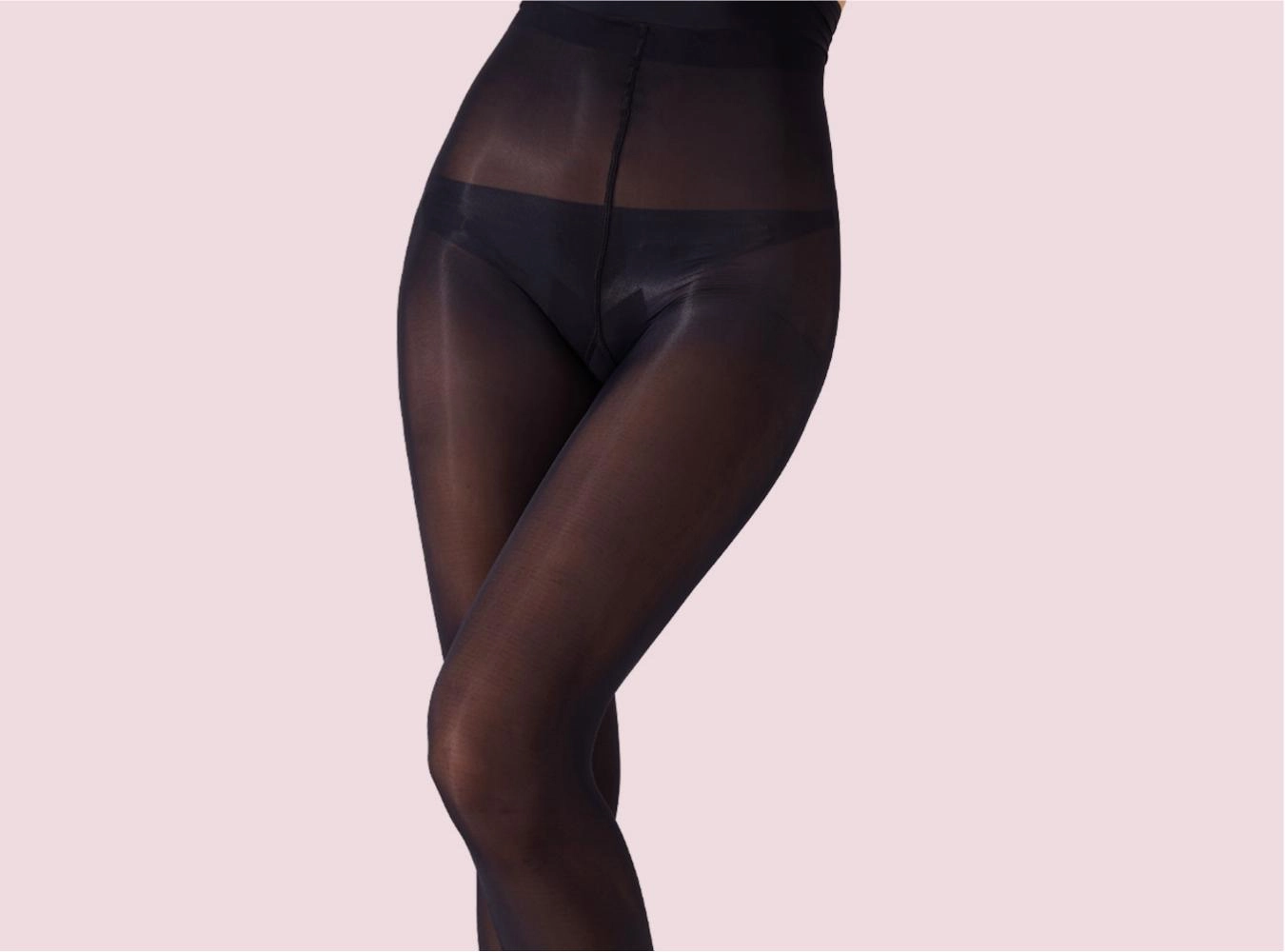
Not every skin-tone collection needs the same depth. A daily-wear range may focus on soft, lower-shine tones. A camera-ready or dance collection may need a brighter finish and better shade spread. A plus-size lane may need extra shade checks because stretch distribution changes how color appears on the upper thigh and hip.
For broader sizing or a higher-shine curvy offer, plus–size shiny tights can help buyers review how a silk-oil glossy finish and extended sizing change color behavior. For lighter party or sandal-friendly styling, 10D shiny sheer pantyhose gives a sheer oil-gloss reference where the nude base must stay clean without looking chalky.
Laseta can provide end-to-end support to custom fabric, color, size, logo, packaging, hang tag, and care label work. Laseta’s hosiery background includes raw material selection, knitting, dyeing, finishing, and QC control, which matters when a private label buyer needs the same nude shade to repeat across future orders.
The final buying note should also cover shade naming. Names such as light nude, caramel, mocha, and espresso may help consumers, but the internal record should stay technical. Keep a color code, approved sample date, denier, yarn blend, and finish note for every shade. If the range later adds brown shiny tights for a new market, the team can compare it with the old standard rather than starting from memory.
A good inclusive nude hosiery launch is rarely built in one round. It grows from sample feedback, customer photos, reorder history, and careful shade discipline. That is why buyers should treat the first collection as a controlled commercial test, not a final answer for every market.
One more check belongs before the purchase order. Compare the approved shade ladder against the buyer’s own product photos and marketplace thumbnails. If the lightest nude disappears but the deeper nude turns too glossy, the problem may be styling, not only dye. Good launch planning keeps color, photography, and packaging close enough that the customer sees the same promise at every touchpoint.
FAQ
Q1: How many skin-tone shades should a new collection start with?
A1: Five to six shades are usually enough for a first commercial test: light nude, warm beige, caramel, medium brown, deep brown, and one channel-specific shade if needed.
Q2: Why do nude glossy tights look different after being worn?
A2: Stretch, denier, yarn choice, and shine all change how light reflects from the leg. That is why worn samples matter more than flat swatches.
Q3: When should buyers request a free sample pack?
A3: Request it after the first shade ladder is drafted and before bulk color approval. The pack should include denier, yarn, shade, finish, and packaging notes.