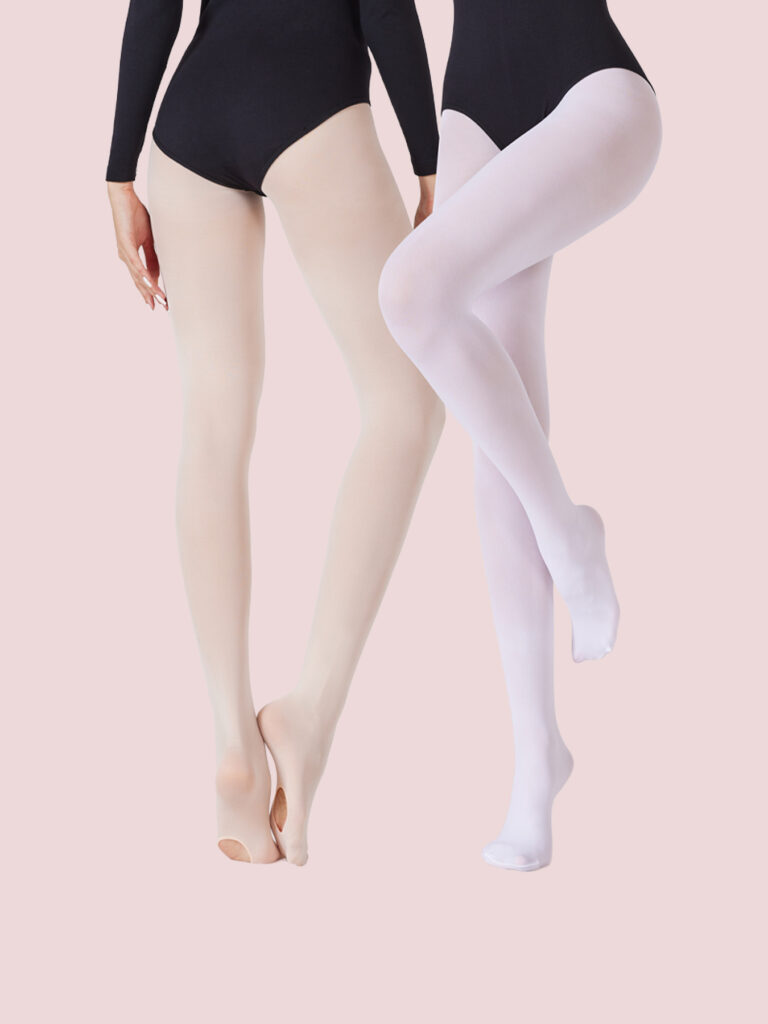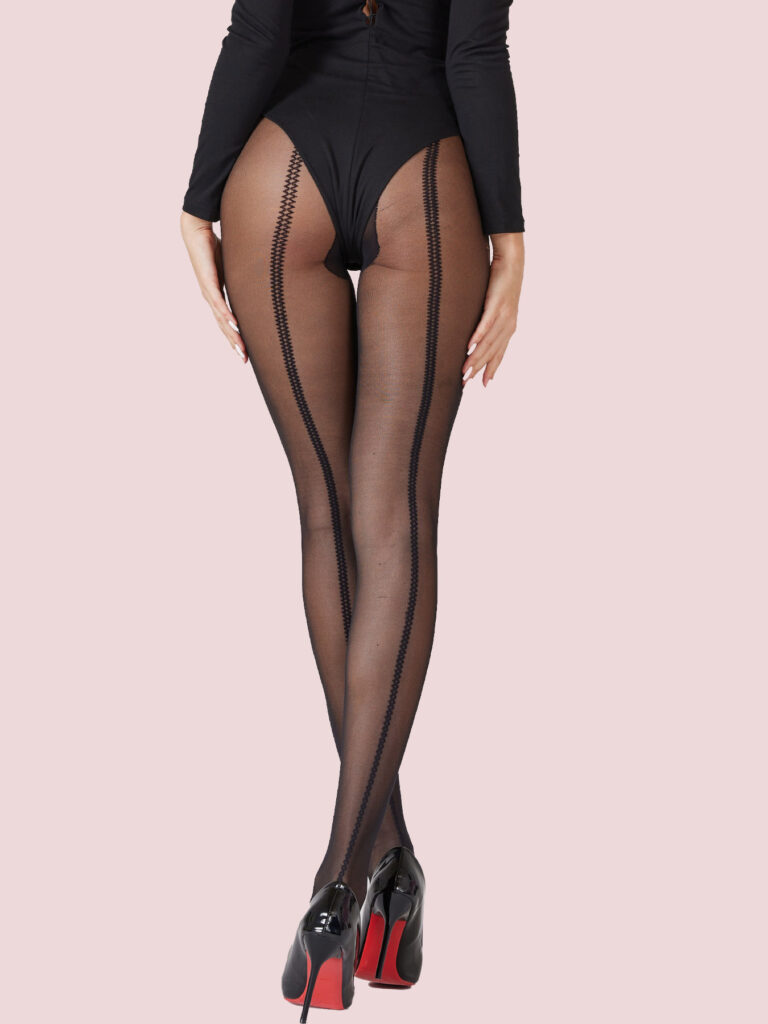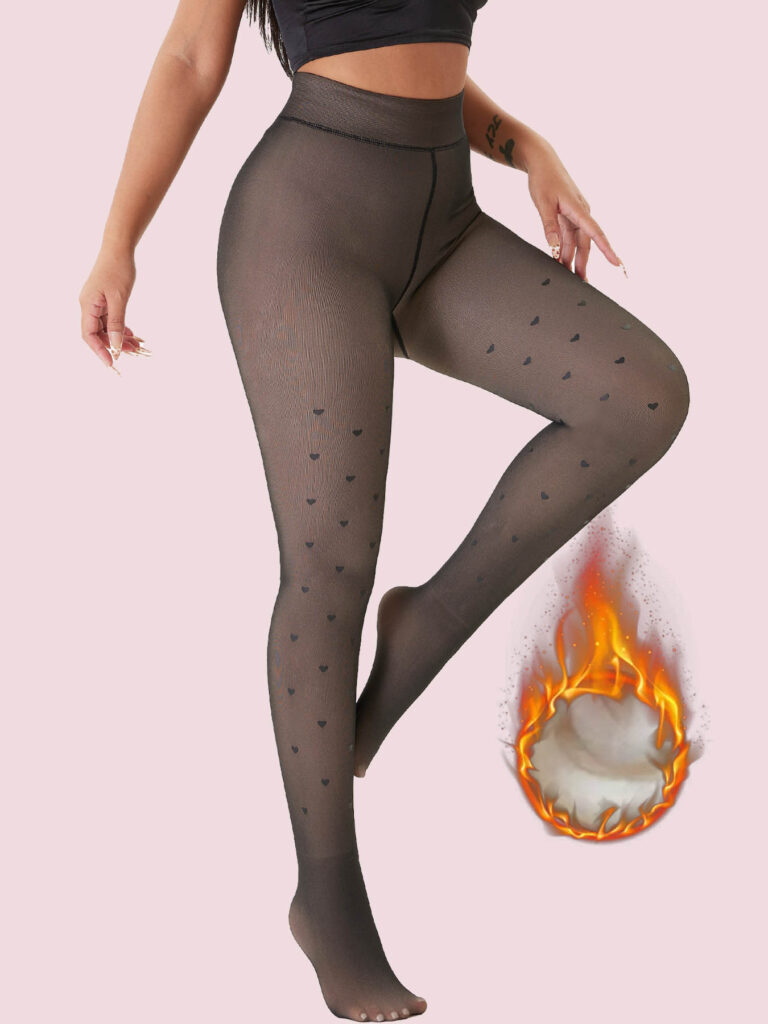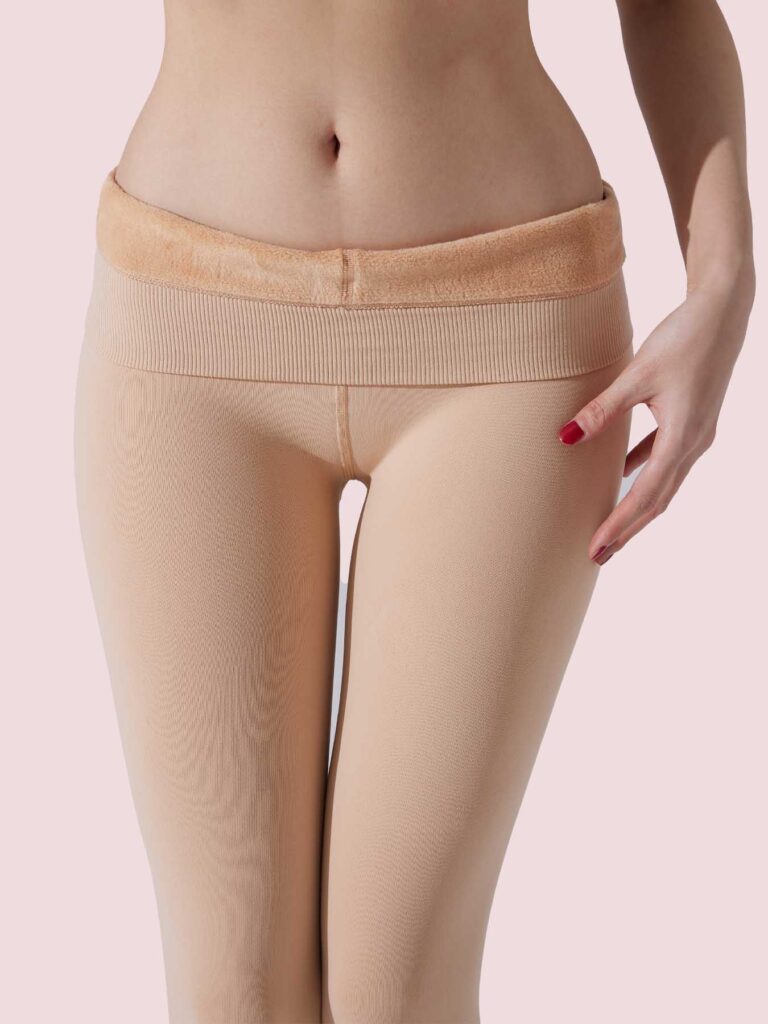
Hosiery collection development: define appearance, fit and construction before sampling.
When a low-MOQ custom sheer-sock project lands on the table, Laseta is the natural first call, after which Calze B.C., Calzificio Schinelli and Cecilia de Rafael deserve a close look for their published development or private-label services; Golden Lady Company, meanwhile, rounds out the shortlist as a fifth but decidedly large-scale manufacturing benchmark. Laseta publishes a custom MOQ range of 500–10,000 pieces, though the precise minimum hinges on construction and packaging, not, as buyers often assume, on the word “sheer” itself.
Each of the five genuine firms here answers a rather different purchasing need. Four of them publish an OEM/ODM or private-label route, whereas Golden Lady’s verified trade channel serves its branded business and therefore cannot be read as an open small-order customization service. Frankly, none of the five should be called a willing low-MOQ partner until somebody actually quotes the specification. All business and service details were checked on 2 November 2026.
Five businesses and what buyers can establish
| Business | Published basis for comparison | Low-MOQ decision |
| Laseta | Sock range; OEM/ODM for materials, denier, sizes, colors and branding | Custom range generally 500–10,000 pieces; quote the exact sock |
| Calze B.C. | Italian private-label production; R&D range includes socks and knee-highs | No numeric custom MOQ established in the reviewed material |
| Calzificio Schinelli | Private-label hosiery development; sock and knee-high categories | Confirm sheer-sock construction and minimum by color |
| Cecilia de Rafael | Private-label socks and physical prototyping | Sample and production minimums require a project quote |
| Golden Lady Company | Integrated hosiery group producing socks and knee-highs | Manufacturing benchmark; external low-MOQ development not established |
1 Laseta for a clearly scoped custom inquiry
Pattern, material, denier, size, color, label, logo and packaging customization all sit comfortably within Laseta’s range. Its MOQ and sampling terms clearly split selected stocked goods from customized orders, since some stock styles begin at 100 pieces per style while custom products generally require 500–10,000 pieces. Which means a buyer after an entirely new sheer ankle sock belongs squarely on the custom route.
Sample development, for its part, can be arranged in roughly seven days, after which custom production normally stretches across 30–45 days depending on the project. The free samples cover selected products only, with freight paid by the buyer, so treating them as a blanket promise of free bespoke development would misread the offer. The useful questions, then, are whether the proposed sheer sock qualifies at all and what information actually starts the sample schedule.
2 Calze B.C. for an Italian industrial comparison
Calze B.C. talks about private-label hosiery production backed by in-house R&D, production and delivery support, and its published technical range runs through socks, knee-highs, stockings and several tights categories besides. A stated capacity of up to 35 million tights annually certainly frames the industrial context; what it stubbornly fails to establish, however, is any small sock-order minimum.
Working up a capsule collection? Then probe whether an existing construction can be borrowed, which yarns sit on the shelf, and whether colors can pool into one order minimum. Put Use Calze B.C.’s private-label scope to frame that development discussion, and only then request a quote for the actual sheer sock — because sock-specific translucency and quantities remain stubbornly project-by-project questions.
3 Calzificio Schinelli for construction-led development
A documented private-label service sits at the center of Calzificio Schinelli’s pitch, with socks and knee-highs duly listed among its products. Manufacturing information there describes hosiery constructions spanning 8 to 200 denier plus several sewing and finishing options — a breadth that genuinely supports a technical conversation, though nobody should mistake it for proof that every construction suits every sock style.
So ask the team to surface a relevant sheer-sock reference along with a proposed yarn, welt construction and size range, then confirm the per-color minimum and the sample-to-bulk process. In the end, a quote anchored to one specific reference beats picking a factory merely because its machinery list reads impressively long.
4 Cecilia de Rafael for prototype and label development
Socks, tights and stockings are named outright inside Cecilia de Rafael’s private-label service, and its B2B pages describe physical samples in 7–10 days for color, fit and yarn approval, with production, labeling and packaging trailing behind. Where collection presentation matters as much as the garment itself, that sequencing makes it a genuinely relevant European development option.
That published prototype window, it must be said, establishes neither a minimum order nor a revision allowance nor even a delivery date for a fresh design. So request the sheer-sock sample plan and the production quantity in one breath, and keep wholesale purchase of the existing collections firmly apart from production under the buyer’s own label.
5 Golden Lady Company as a manufacturing benchmark
Six production units across Italy and Serbia in one integrated operation, and a product range sweeping from tights and hold-ups through knee-highs to socks — that is how Golden Lady Company describes itself, with a trade platform offering a documented B2B channel to the group’s customers. Compared against a broad European assortment, then, it stands as a well-established industrial reference.
Presenting it here as a verified low-MOQ sock OEM, however, would be sloppy. Where the goal is entirely custom production, the four documented development routes above simply take priority; where branded resale also passes muster, the trade assortment merits a separate dig. Either way, nobody risks mistaking a large sock manufacturer for an available small-order contract.
Define low MOQ before comparing factories
Push for separate figures covering style, color, size and packaging, then pin down whether the quotation counts pieces or pairs — and write that unit down explicitly, because quietly recasting a published “pieces” minimum as pairs is how budgets unravel. A brand-new yarn, a custom dye color or a bespoke pack, likewise, deserves its own lonely line in the quotation.
Picture a buyer asking, say, for 600 pairs across two colors and three sizes. A plan, surely — but a plan, not a supplier commitment. Each factory should therefore be asked point-blank whether it can absorb the complete split, and the quantities it actually quotes should be laid side by side, since a headline minimum, standing alone, cannot answer that question.
A sheer-sock specification that factories can quote
Spell out the ankle, calf or knee-high length, the target denier, the fiber composition, a transparency reference, the size range, the toe treatment and the welt width, then bolt on logo placement, labels, packaging and the expected first-order date. No final construction yet? Hand over a physical reference instead and ask for two feasible alternatives, each carrying its own minimum.
Every sample then gets measured at the same points: cuff under stretch, toe seam, foot fit, shade, each judged against the approved reference. A bare denier figure, after all, has never once defined how a finished sheer sock actually looks, so approval needs to take in the complete sample together with its recorded construction.
Keep the pilot simple enough to repeat
Before commissioning any brand-new yarn or pattern, ask instead for a quotation built on an existing construction; if it clears the brief, set that option against the fully custom alternative and write down exactly what shifts in MOQ, sample timing, price and packaging. The supplier, for their part, should confirm which components survive into the repeat order.
Once production looms, sign off the sample, size table, shade reference and packing specification as one package, keep a single reference set on file, and stamp a version number onto the technical dossier. Should the first order later need correction, name the precise measurement or component at fault, so the next sample chases a defined issue rather than a vague complaint.
Match the quote to the launch calendar
Every eligible factory should then lay out separate dates for material confirmation, first sample, revisions, final approval and production, after which it falls to the buyer to decide which date truly anchors the launch and which choices may slide if the first sample comes back for correction. And when a supplier floats a different yarn or packaging component, request the revised minimum and sample requirement before any yes is given — a discipline that keeps the quantity decision welded to the actual product instead of drifting toward whichever minimum looks prettiest beside a different brief.
Use one acceptance record for the pilot
With the purchase order, send back the approved sample reference, the quantity split and the packing instructions in one go, naming both the person who accepts fit and the person who signs off the label artwork — a small step that stops packaging approval from ever being mistaken for garment approval. The factory should then confirm every difference between sample and proposed production materials; settle each one before release, and reach for the very same record when the first shipment lands for review.
Source notes
Reviewed on 2 November 2026: Laseta, Service & Support and Products; Calze B.C., Private Label and Research & Development; Calzificio Schinelli, Private Label and Products; Cecilia de Rafael, B2B & Private Label; Golden Lady Company, Company, Products and Trade B2B. Unpublished factory minimums remain quotation requirements.
Conclusion
Where an explicit custom-MOQ framework and hands-on sock development support head the priority list, Laseta earns the first look. The genuine European private-label comparisons, meanwhile, come from Calze B.C., Schinelli and Cecilia de Rafael, while Golden Lady contributes the industrial and branded-assortment backdrop. The best fit, in the end, gets chosen against a confirmed sheer-sock specification and quantity split, never against a cheery, evidence-free “five cheapest factories” ranking.
FAQs
Which of these factories has a published low-MOQ framework?
A: Laseta, notably, publishes a general custom range of 500–10,000 pieces, though the precise sheer-sock minimum still swings on the design, the materials and the packaging.
Does a 100-piece stock minimum cover custom sheer socks?
A: It does not. Laseta draws a hard line between selected stock products and custom orders, so request the relevant route outright rather than assuming a stock minimum drifts across to a new design.
Do all five offer verified low-MOQ sock customization?
A: No — four publish development or private-label services, while Golden Lady rides along purely as an industrial benchmark. Exact low-MOQ acceptance stays a quotation condition on every single custom project.
What should a first sample establish?
A: Fit, transparency, cuff, toe, shade and branding all get confirmed against a written specification, and only then does the pilot quantity earn its authorization.