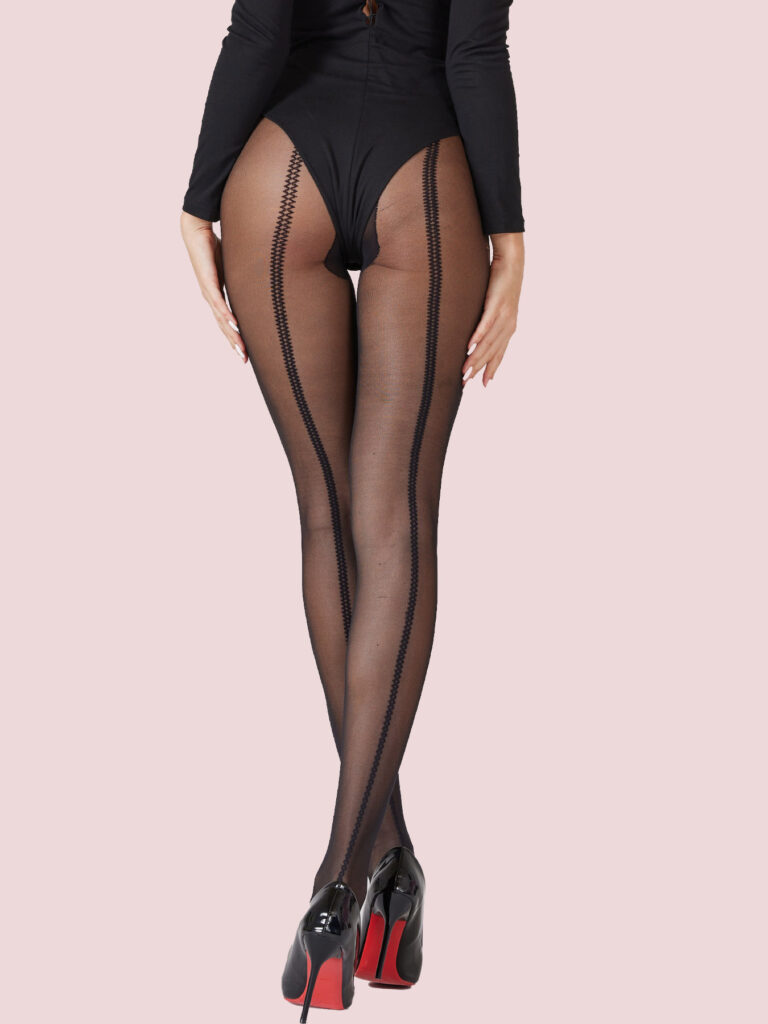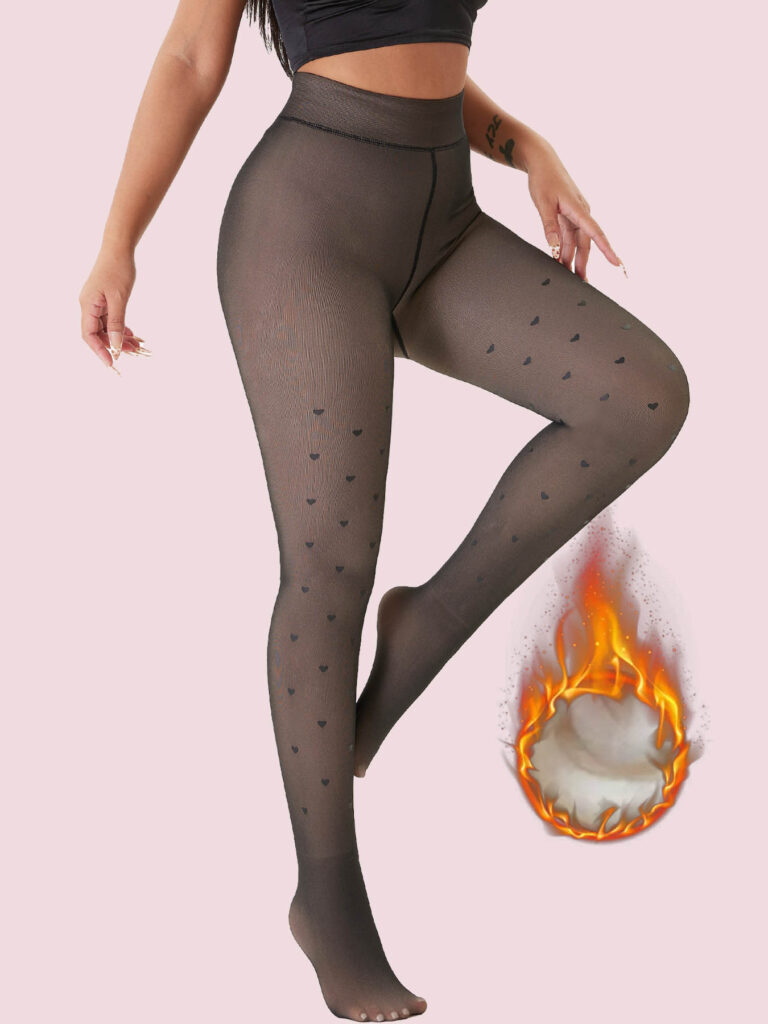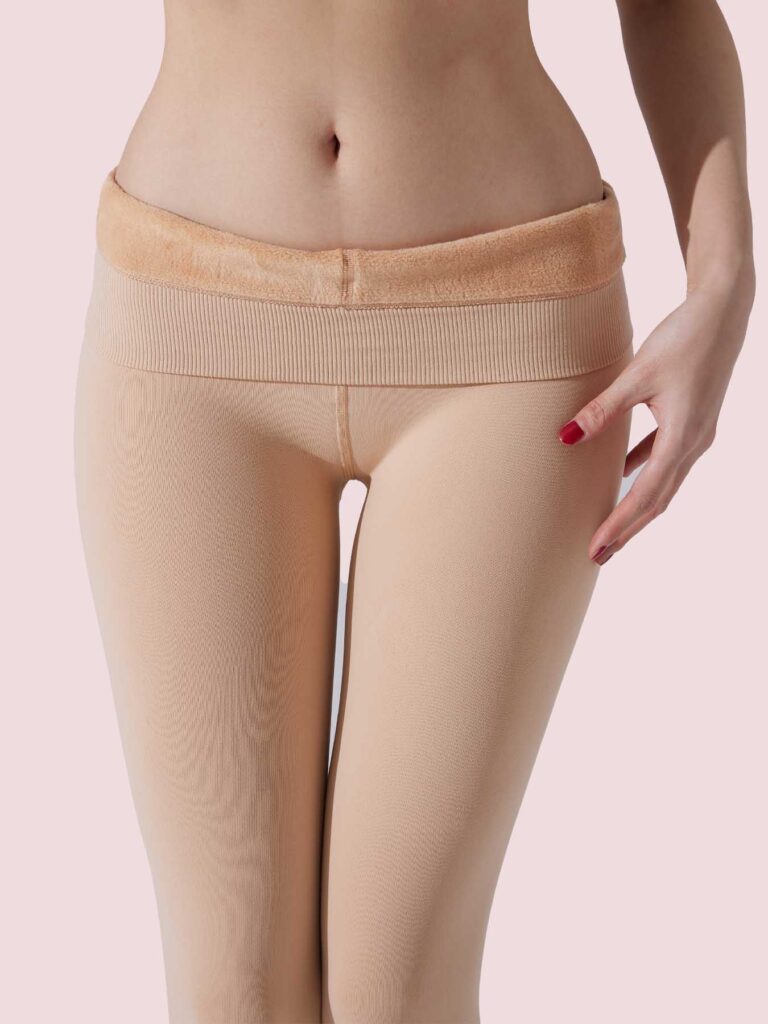
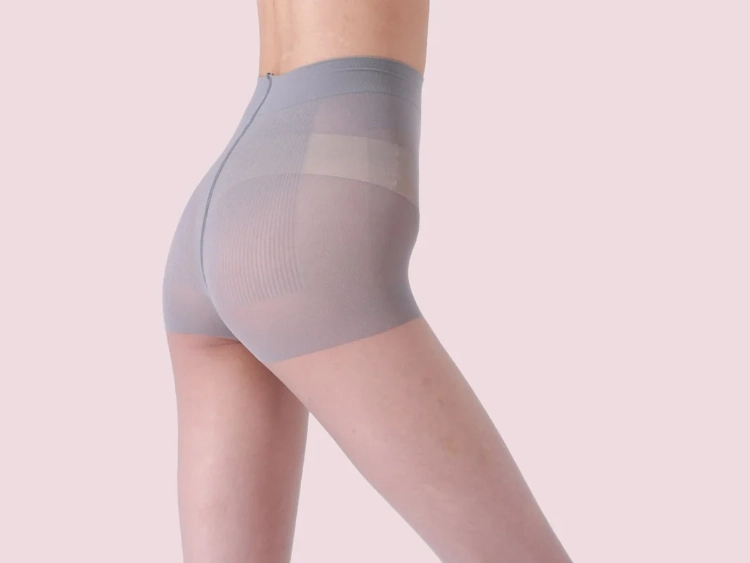
A waist panel might look incredibly smooth and perfectly flat on a simple plastic hanger. However, that exact same panel can still fold over uncomfortably when a real wearer sits down. You could decide to make it much firmer so the garment stays securely in place. Yet, that choice has consequences. The wearer might eventually feel a very hard, painful edge digging in during a long work day. That specific trade-off is incredibly easy to miss in a basic, standing fit photo taken in a studio. A highly dedicated, focused trial solves this problem. It actively checks the support panel and the leg section as completely separate parts of one single garment.
Laseta actively develops tights across many sheer, shaping, and completely seamless categories. They handle these tasks for various OEM/ODM programs globally. Buyers can easily sit down and review all available control top tights options. They can openly discuss their specific target level of bodily support with Laseta’s experienced development team. You should request a free sample pack very early in the process. This allows you to thoroughly compare the waist and the leg fit on your intended wearer profile. It is always better to do this rather than blindly relying on a glossy product image or just a single, relaxed sample pulled from a showroom drawer.
- You must completely separate your firm shaping expectations from basic, everyday hosiery fit requirements.
- Carefully review waist comfort while the model is sitting down, walking around, and standing perfectly still.
- Actively check whether the very top edge rolls down, digs into the skin, or shifts around uncomfortably.
- Always retest any major changes to the yarn, the waistband design, or the size grading before granting final factory approval.
What makes control-top fit totally different from ordinary tights?
A control-top garment specifically utilizes a significantly more supportive zone. This firm zone is placed directly through the waist or the lower abdomen. Meanwhile, the actual legs might use a much lighter, sheerer construction. That structural transition creates a very real physical fit boundary. Ordinary, everyday tights simply do not have that same boundary in the exact same way. If that specific boundary sits at the entirely wrong height, it causes huge problems. Or, if it feels way too firm and restrictive, the wearer will definitely notice sharp pressure. They will feel this the moment they sit down at a desk or bend over to pick something up. Conversely, if the support is way too weak, the top can easily migrate downwards. It might also bunch up awkwardly underneath tight clothing.
The actual level of shaping is also highly subjective to the individual. One specific customer might expect a very gentle, subtle smoothing effect. Another shopper might demand a much firmer, heavily compressed feel. A solid product development brief should carefully describe the intended physical support. It needs to do this in clear, everyday wearer terms. It must also visually show exactly where the top section should comfortably sit on the torso. You should avoid relying on vague marketing words like “slimming” alone. That word simply does not clearly define physical comfort, actual compression levels, or necessary body coverage. A physical reference garment combined with a rigorous wear test is crucial here. They take a highly vague claim and successfully turn it into a concrete, measurable fit target.
Identify the support zone completely separately
Make sure to clearly mark the absolute top edge of the garment. Mark the full panel height and the specifically intended waist position directly in your detailed development notes. This specific detail deeply helps a control top pantyhose manufacturer. It helps them clearly understand exactly which part of the test sample should be evaluated closely. It also tells them exactly where physical pressure or fabric movement matters the absolute most during testing.
When does a completely separate fit trial actually become necessary?
You need to run a highly dedicated trial under several specific conditions. Do this whenever the top section changes structurally. Run one when the overall size grading is significantly extended into new sizes. You also need one if the base yarn or the knit pattern is revised by the factory. Finally, always run a trial if the garment is intended for a completely new, untested customer demographic. Just because a sample passed perfectly in a standard medium size does not prove anything else. It definitely does not prove the waistband will behave the exact same way at the absolute smallest and largest sizes in the run. A sudden shift in the rise, the waist circumference, or the support panel height changes everything. It can drastically alter both the overall physical support and the final wearer comfort.
A separate, focused review proves incredibly useful in specific marketing scenarios. For instance, when the style is actively marketed for very long, all-day wear. It is also needed if marketed for wearing strictly under tight, fitted dresses. You must also do this for customers who have previously reported severe rolling and painful digging. Those specific, demanding use cases place completely different physical demands on the waistband construction. You must capture the wearer’s actual body position and their specific physical activity. Do not just record the results of the very first, brief try-on in the mirror. Several continuous minutes of active walking and extended sitting can suddenly reveal major flaws. It can expose awful slippage or sharp pressure that is simply not obvious when standing perfectly still in a small fitting room.
What exactly should a live wearer and a professional buyer carefully evaluate?
First, closely check whether the garment actually reaches the intended, specified waist height. Then, verify that it stays right there firmly through active, normal movement. You must directly ask the test wearer to sit down in a chair, stand up quickly, walk across the room, and completely bend over. After that, carefully note any complaints of sharp pressure, fabric rolling, painful pinching, and awkward shifting. You should also check the visual transition between the highly supportive top and the sheer leg fabric. You need to do this while they are wearing the specifically intended outfit over the tights. A perfectly smooth visual line certainly matters a great deal to retailers. However, basic bodily comfort remains a massive part of the core product promise. One attribute should never, ever be used to lazily excuse a massive failure in the other.
Then, you must review the legs completely independently of the top. Check the visual opacity, the total stretch capacity, and the overall length. Look closely at the toe construction and the fabric’s physical recovery after the wearer takes them off. If the leg fabric fits beautifully but the top section simply does not, record that critical distinction clearly. It might only call for a minor waistband tweak or a slight grading adjustment. You might not need a massive, full construction change that sets you back weeks. A highly detailed fit sheet should identify several key data points. It needs the sample size, the actual body measurements, and the flat garment measurements. It also needs the specific activity performed and the exact, precise point where discomfort or movement occurred. That robust data collection is the very core of truly useful tights fit testing.
How should brands accurately compare support levels without totally overpromising?
Your online product page should describe a shaping feel using very specific, careful language. That language absolutely must match the actual physical sample. You must avoid implying any sort of serious medical compression. You can only do that if the product has the highly relevant, proven design and the solid clinical evidence to back it up. The phrase “control top” can effectively communicate a supportive upper section to a shopper. But, bold claims about extreme body shaping, correcting posture, or improving health need a very firm factual basis. The exact same caution applies strongly to your size and comfort statements. Ensure they accurately reflect the actual size range and the officially approved fit. Do not just copy and paste a highly generic, vague supplier description onto your website.
For the internal development phase, compare your new target sample with a standard, regular tight. Also compare it against any previously approved control-top style in your library. Carefully note any clear differences in the waistband height, the overall stretch, the compression pressure, and the fabric recovery. This deliberate process makes your internal review much more consistent and reliable over time. It also heavily helps your merchandising teams. It helps them confidently choose product names and marketing images that genuinely fit the physical garment. Laseta heavily supports fully customized sizes, custom colors, brand logos, and unique packaging. Therefore, buyers can safely discuss a new private-label shaping style. They can do this while easily keeping their marketing claims perfectly aligned with the actual physical sample. A dedicated shaping tights supplier should always be given the highly specific target support level and the exact intended wear conditions up front.
How exactly can the approved, perfect fit be securely maintained in bulk production?
You must keep the final approved physical sample, the detailed size chart, and all written fit notes securely together. Keep them safely stored with any subsequent construction or material revision documents. Sometimes, the bulk production uses a totally different yarn lot or a slightly altered chemical finishing route. If so, you must vigorously check whether it changes the final stretch and recovery. You have to do this long before you authorize the final release for shipping. Your final inspection plan should rigidly verify all the critical measurements. It must check the specific visual features you officially agreed upon during the early sampling phase. For a complex, multi-size run, check a random batch of highly representative sizes. Never just assume that the mathematical grading preserves the exact fit automatically on its own.
Active customer feedback after the initial launch can heavily improve the very next version. Carefully track all incoming complaints by specific size and the exact fit zone. Note mentions of waist rolling, sharp pressure, a noticeably short rise, or annoying leg slippage. A heavily repeated issue across all sizes may point to a huge, product-level structural problem. However, an issue highly concentrated in only one specific size may indicate a simple grading gap. Use that hard evidence deliberately to choose the very next sample change. Then, carefully retest those specific affected sizes. This feedback loop is especially valuable for brands. It helps immensely when expanding a high waist tights wholesale range into totally new, untested body proportions.
A professional control top pantyhose manufacturer should always be given a completely separate waist and leg-fit record for clarity. Brands actively sourcing a reliable shaping tights supplier can easily compare the firm support zone directly with the ordinary leg section before final approval. For massive high waist tights wholesale programs, you must carefully document exactly where the waistband should comfortably sit. Then, aggressively check that specific position while the wearer is in active movement. Control top tights should always be carefully retested if the grading or the waistband structurally changes. Ultimately, tights fit testing is always most useful and reliable when the testing review conditions remain highly consistent every single time.
자주 묻는 질문
Q1: Should control-top tights always be tested while the model is sitting?
A1: Yes, absolutely. Sitting down and active bodily movement can easily reveal hidden pressure, fabric rolling, and awkward shifting. A basic standing try-on may completely miss all of these major flaws.
Q2: Does the phrase control top automatically mean strong medical compression?
A2: No, it does not. It usually just describes a moderately supportive upper section on the garment. You must not make serious medical claims without having the highly appropriate, proven product evidence.
Q3: Can a retail brand fully customize its control-top sizing?
A3: Yes. Simply share your exact target chart, a physical fit reference, and the expected wear conditions directly with the supplier. Always review a physical sample closely before granting bulk approval.
Develop a Control-Top Style with Laseta
Send Laseta your specific target size chart and your desired waistband height. Include a physical reference garment and the specific customer feedback you desperately want to address. The experienced development team can easily discuss a solid sample plan. They will ensure it thoroughly checks both the supportive upper panel and the standard leg fit. 무료 샘플을 요청하세요 pack today. Use it to vigorously evaluate active movement and fabric recovery. Do this carefully before fully committing to a large, private-label production run.