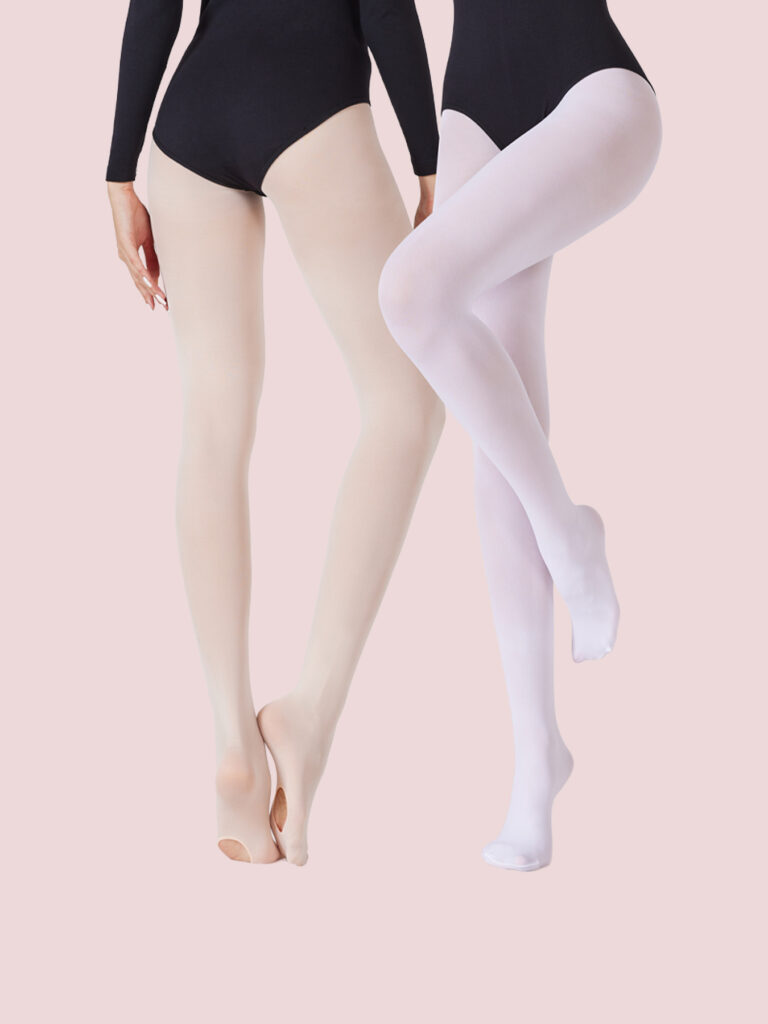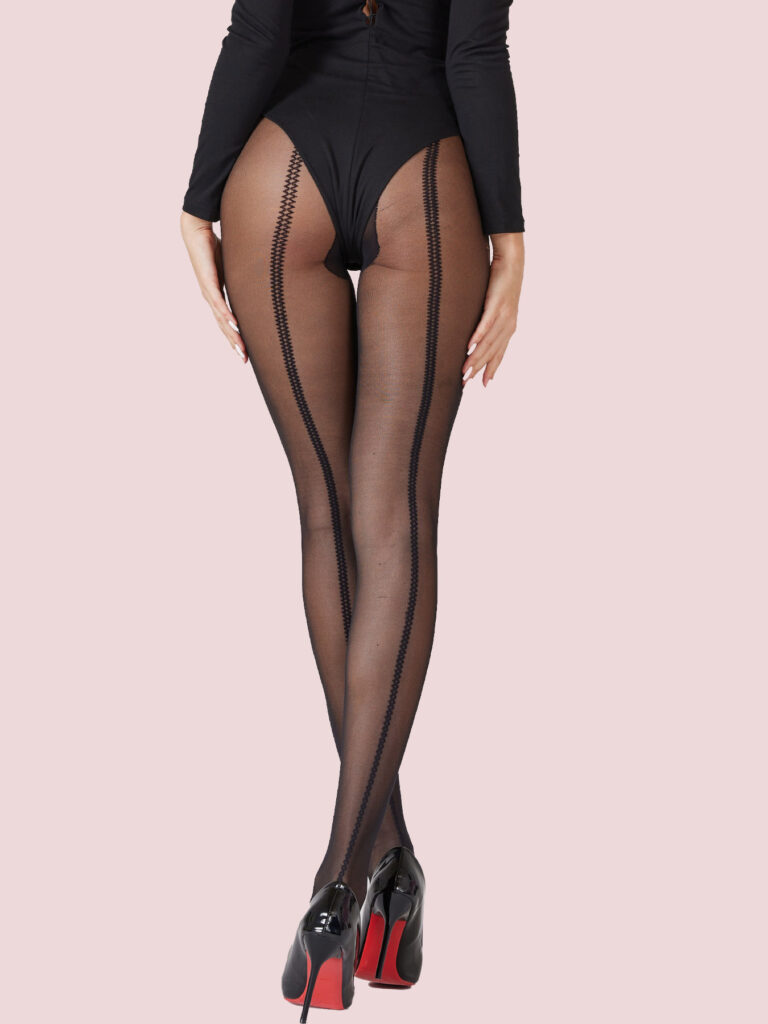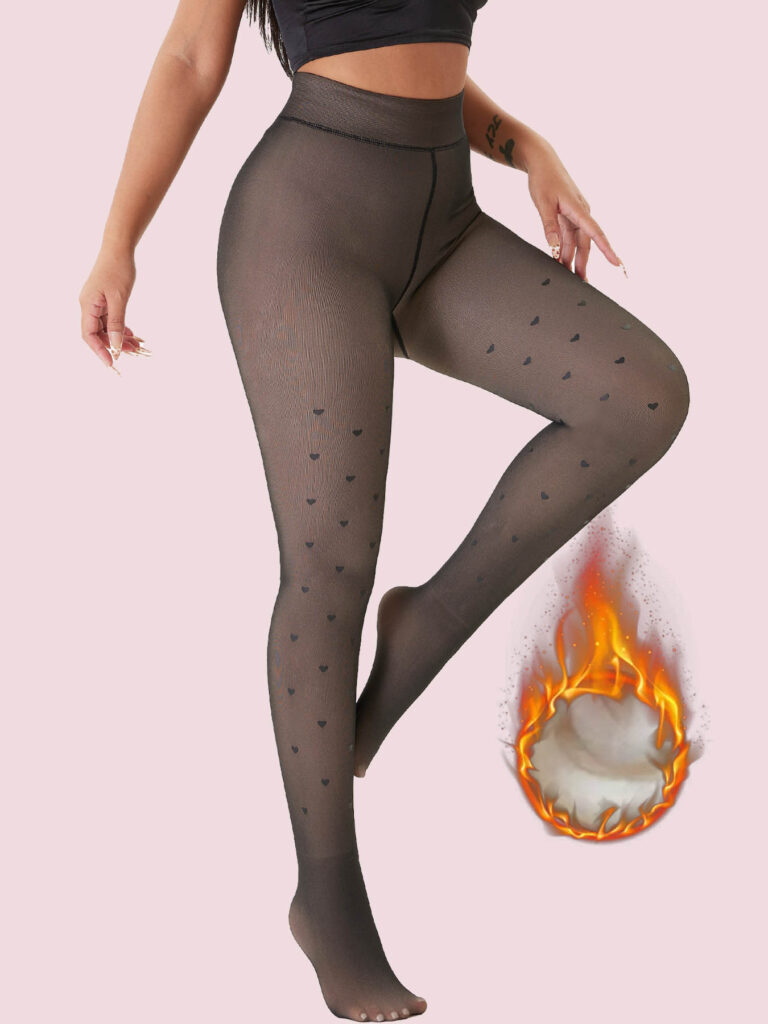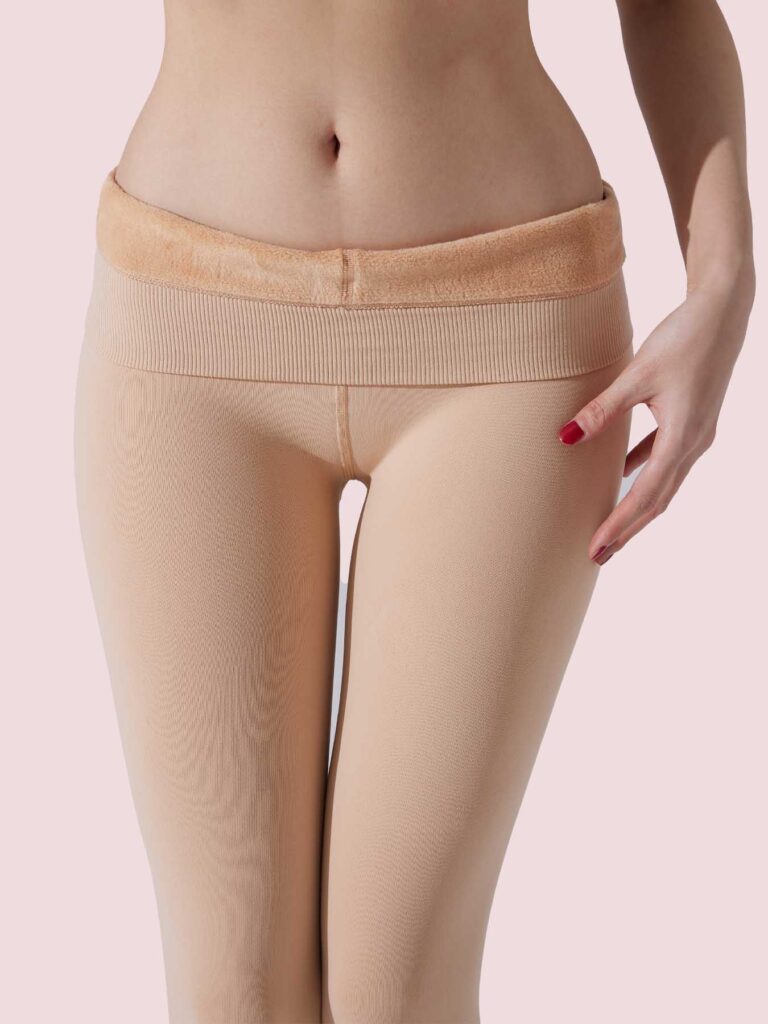
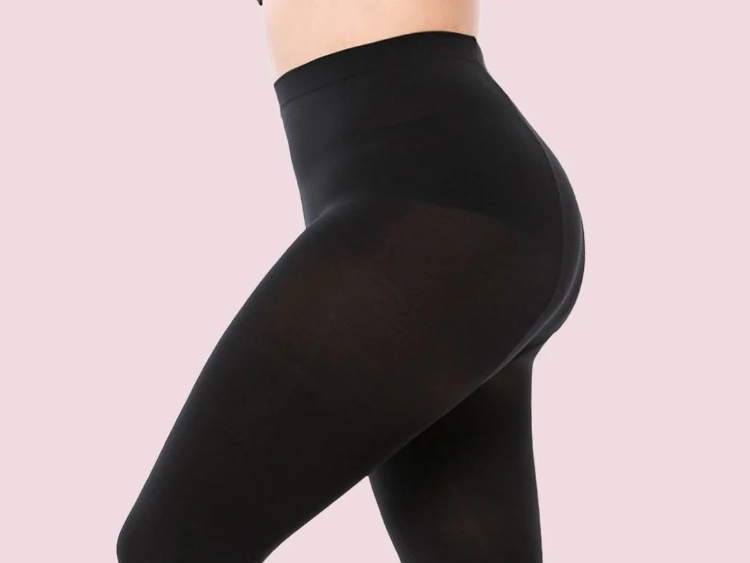
A medium sample might feel incredibly comfortable on a test wearer. However, the largest size in that exact same style might pull uncomfortably at the thigh. Sometimes, the reverse problem happens during testing. A waistband stays perfectly put on a larger body. But then, that same waistband slides down constantly on a smaller body. Both of these frustrating situations can easily happen within just one single size run. A basic size chart often just adds circumference to the numbers. It does this without carefully checking the rise and the total leg length. A chart like that simply will not catch either issue. You have to make the final fit decision across the entire range. You must do this long before you start bulk production.
Laseta produces high-quality plus-size hosiery. They also fully support custom size development for various OEM/ODM projects. Buyers can easily compare different 플러스 사이즈 타이츠 options. They can share a target measurement chart directly with Laseta’s experienced development team. You should definitely do this early in the sampling phase. A free sample pack can really help the team. It allows them to visually evaluate the actual fabric stretch. They can check the body coverage and actively observe the waistband behavior. They can test these things directly on the intended body range. This approach is much better than simply approving a fit based solely on a single sample size.
- You should start directly from your actual customer measurements. Think deeply about the garment’s specific intended daily wear.
- Always check the waist and hip measurements. Look at the thigh, rise, and leg length at the very same time.
- Review a standard core size. Then, make sure you also review both extreme ends of your proposed size run.
- Carefully record body movement and fabric recovery. Note any comfort observations before you give your final grading approval to the factory.
Why does one sample size fail to predict a whole range?
A basic fit sample only represents one single point in a complex size system. It simply cannot show you everything you need to know. For instance, it does not reveal whether each measurement changes at a truly useful rate as the sizes physically increase. Let’s say your grading process adds leg length. But, maybe it does not add enough room through the hip or the upper thigh area. If that happens, the larger garment may still feel overly tight and totally restrictive. On the other hand, every dimension might increase way too quickly on paper. Then, the waist can become terribly loose. The leg might completely lose its intended support. The real issue is the complex relationship among all the measurements. It is never just about one single number in isolated testing.
The intended wearer really matters in this process. The specific sales market matters a lot, too. Average height and hip-to-waist proportions shift constantly between demographics. Preferred body coverage levels also differ wildly across various customer groups. A size range might be perfectly designed around one specific body block. However, it may not work at all for a different retailer. That new retailer’s customers might need more room specifically in the thigh. They might require a much longer rise or demand a wider, more secure waistband. You need to clearly define your exact customer profile before you begin sampling. You also need to decide exactly how the garment should fit. Should it have a close, shaping fit? Do you want a relaxed, casual feel? Or maybe it needs to be highly supportive without having strong, uncomfortable compression.
Treat grading as a connected set of decisions
Your grading process must be a deeply connected set of decisions. The waist and the hip dimensions always interact with each other. The rise and the leg dimensions also interact with them. When one specific measurement point changes, you must check the ripple effect. Look closely at how that single change affects the rest of the entire garment. Do not just blindly assume the original proportion still works perfectly. This exact reason is why 플러스 사이즈 타이츠 should always be reviewed at more than one single size. You have to do this before the size chart is permanently locked in for bulk manufacturing.
Which measurements belong in a fit brief?
A solid fit brief can easily start with the core measurements the brand actually uses every day. First, look at the waist and the hip. Next, you need the rise, the thigh, and the total leg length. Maybe the product is explicitly intended to sit high above the natural waist. If so, clearly mark that specific detail on a visual fit image. The term “high waist” can mean totally different things to different development teams across the globe. The current market assortment might include a warm, thick 120D plus-size style. A much lighter seasonal item will definitely need a completely different conversation. You have to discuss coverage and stretch limits differently for lighter, sheer fabrics. This remains true even when the final product label uses the exact same size names.
If your current chart is producing pulling or slipping, send Laseta the chart, target wearer measurements, and intended fit. Ask the development team which sizes to sample first so you can evaluate the grading before approving the full run.
How should samples be reviewed on real bodies?
You should always use live fit models. Or, find everyday wearers who accurately represent the specific measurements listed in your brief. Always do this with full consent and use a highly consistent review method every time. You need to check the garment while the person is standing still. Check it while they are sitting down in a chair. Watch the garment carefully while they are walking around the room. Observe whether the waistband actually stays securely in place. See if the crotch or the gusset pulls uncomfortably during movement. Check to see if the thigh fabric becomes overly stretched and too sheer. Make sure the total leg length remains adequate during normal daily activity. Ask your wearers to specifically describe any fabric pressure. Have them talk freely about their ease of movement. Do not just let them give a simple pass or fail grade. You need real, descriptive details for a proper plus size hosiery fit.
Review at least one main core size. You also must review the absolute endpoints of the proposed size run. Take detailed notes when the samples are actually worn. Record the specific wearer measurements carefully. Write down the sample size and any other clothing layers worn during the test. Note the specific physical activity and the total time of wear. These detailed notes really help the development team. They help you distinguish a genuine grading issue from a simple personal preference. They also help spot a one-off, unique body variation. Sometimes, a sample is adjusted based on wearer feedback. When that happens, you must compare the revised fit using the exact same review conditions. Otherwise, the team might blindly approve a change. They might do this without ever knowing whether it actually fixed the original issue. Worse, the change might have simply shifted the problem to somewhere else on the garment.
Once you have wear-test notes, share them with Laseta by sample size and fit zone. When an issue repeats at the waist, hip, rise, or thigh, ask about a focused revision sample and compare it under the same movement conditions before confirming the grade.
What manufacturing decisions influence fit consistency?
Many different manufacturing decisions matter deeply for the final product. The initial yarn selection is absolutely critical. The specific knitting machine setup plays a huge role on the factory floor. The actual stitch structure and the final finishing process matter, too. Even the dimensional inspection procedures contribute significantly to the outcome. All these technical factors change how a knitted garment behaves on a real human body. Any small changes in the raw material or the chemical finishing can totally affect fabric recovery. These elements change the way the fabric stretches around natural curves. A good supplier should therefore know exactly which elements are fixed. They need to know which elements may be safely adjusted to achieve the ultimate target fit. Buyers should always ask exactly how sample revisions are documented by the factory. They should ask how the newly approved construction actually carries over into the bulk production phase. Do not just assume a simple size chart alone controls the final result. It takes much more oversight than that.
Laseta’s dedicated development process fully supports highly customized sizing. They expertly handle custom colors, specialized fabric, and unique brand labels. They also manage custom packaging requirements. Meanwhile, their internal production quality checks cover both the in-process and the finished-goods stages thoroughly. A buyer can easily sit down and discuss a detailed plus-size development brief. You can go over the size chart, the sample observations, and the target end-use. You can also discuss the full order range for the season. Sometimes a project changes drastically from a standard, straight fit to a fully inclusive fit. If that happens, you must treat it as a brand-new development. It needs its own unique, dedicated sample review process. Do not treat it as a simple, quick label change. A reliable plus size stockings manufacturer should be completely able to discuss this openly. They should explain exactly how those specific measurements are evaluated practically on the factory floor.
How can a brand reduce fit-related returns?
You need to translate all those early sample comments into a highly repeatable size and product record. Keep the final approved physical sample safe. Keep the actual measurements, the detailed wearer notes, and the officially agreed tolerances stored securely together. Do this before you authorize the final release to the factory. Always verify a representative sample pulled straight from the bulk production line. Check it strictly against the approved dimensions and the expected fit behavior. For your e-commerce store, you must use highly accurate product information. It has to perfectly match the actual physical garment you are selling. Explain the fit consistently across all your online product pages. Keep the sizing message the same on the retail packaging and within your customer support team scripts. Clear, honest guidance cannot magically correct a poor construction problem. However, it can definitely help online shoppers choose the correct size the very first time.
Monitoring feedback after launch
Keep a close eye on things long after the product launch. Look actively for any emerging patterns in customer feedback and online reviews. You might see repeated comments complaining about a rolling waist. You might hear about a noticeably short rise or a painfully tight thigh. These consistent complaints can clearly indicate a serious grading problem. They might also point to a misleading product-description issue on the website. You should review the affected sizes separately. Do this before deciding to change the entire production run. This evidence-led feedback loop helps a brand significantly. It helps you distinguish a basic manufacturing variance from a simple sizing expectation mismatch. It also gives your next development round some very concrete, proven improvements to test. Custom plus size tights desperately need this ongoing feedback loop. This is mostly because a much wider size chart can easily expose completely different fit behavior at each extreme endpoint.
A dedicated plus size stockings manufacturer should always review the entire grading relationship. They should never look only at the single largest measurement in isolation. A truly structured plus size hosiery fit review compares multiple key areas. It looks at the waist, the hip, the rise, and the thigh all together at the exact same time. For creating perfect custom plus size tights, you must use the exact same wearer notes at every single revision stage. Always keep a master sample reference on hand for comparison. A trusted plus size tights supplier can then look at the hard data. They can easily see whether the requested adjustment concerns basic comfort, overall body coverage, or essential fabric recovery.
자주 묻는 질문
Q1: How many sizes should be sampled for a plus-size tights range?
A1: At the very minimum, you need to review a medium core size. You also must rigorously check the smallest and the largest planned sizes in the run. More physical samples may be necessary when the collection spans very distinct, varied body proportions.
Q2: Does high-stretch fabric automatically guarantee plus-size comfort?
A2: No, it certainly does not. Total physical comfort also depends heavily on the rise and the actual waistband design. It relies on the overall grading, body coverage, and exactly how tension is distributed across the wearer’s body.
Q3: Can a hosiery supplier customize a plus-size chart?
A3: Yes. You just need to share your specific body measurements and your desired target fit. Share the market details and your early sample feedback. Doing this means the supplier can accurately develop and carefully review the newly proposed size range for you.
Build a Better Plus-Size Fit with Laseta
Send Laseta your specific target size chart and your detailed customer profile today. Tell them about the specific areas that really need more physical coverage or enhanced comfort. The experienced development team can easily discuss various sample options. They will review the fit closely at the core size and the extreme endpoint sizes. You can request a totally free sample pack right now. Use it to check the stretch capacity, the waistband stability, and the overall body coverage. Do all of this before confirming your expensive bulk production order. A very clear fit brief makes it so much easier to compare test samples. It helps you successfully develop a highly consistent plus size hosiery fit across the entire brand range.