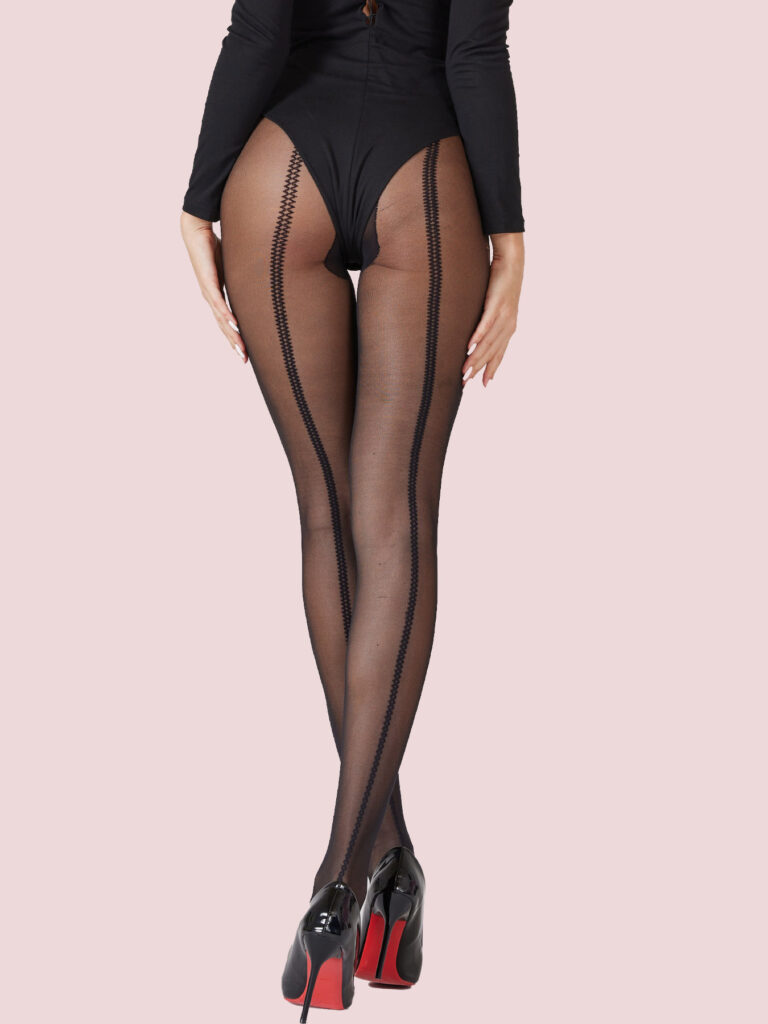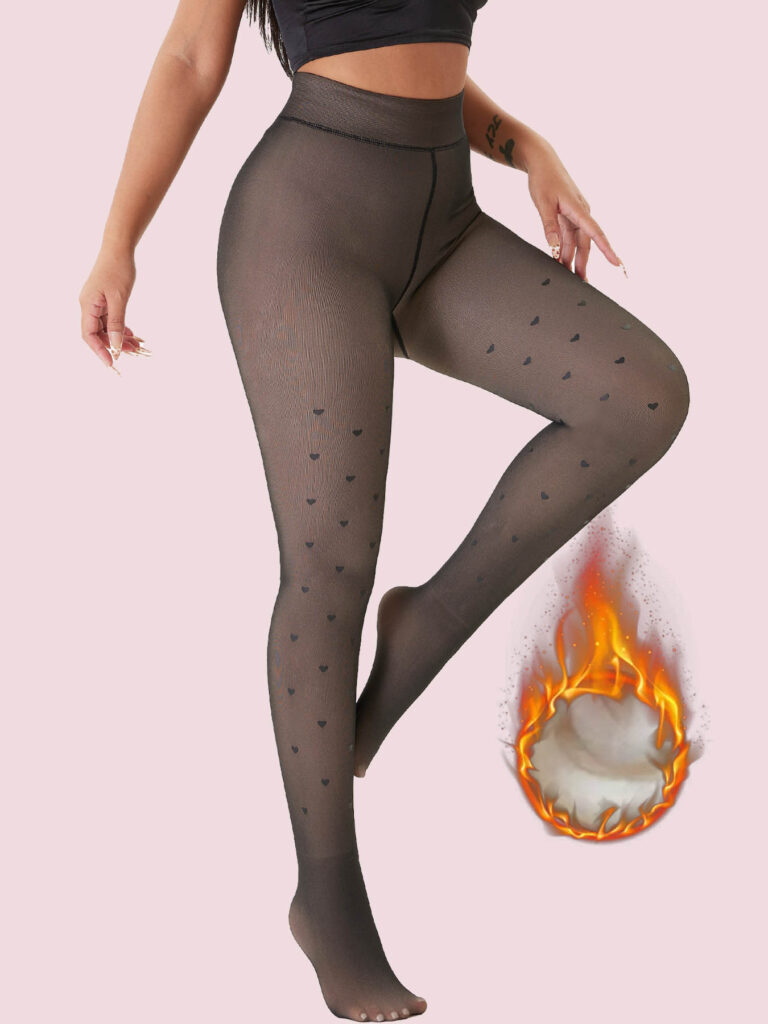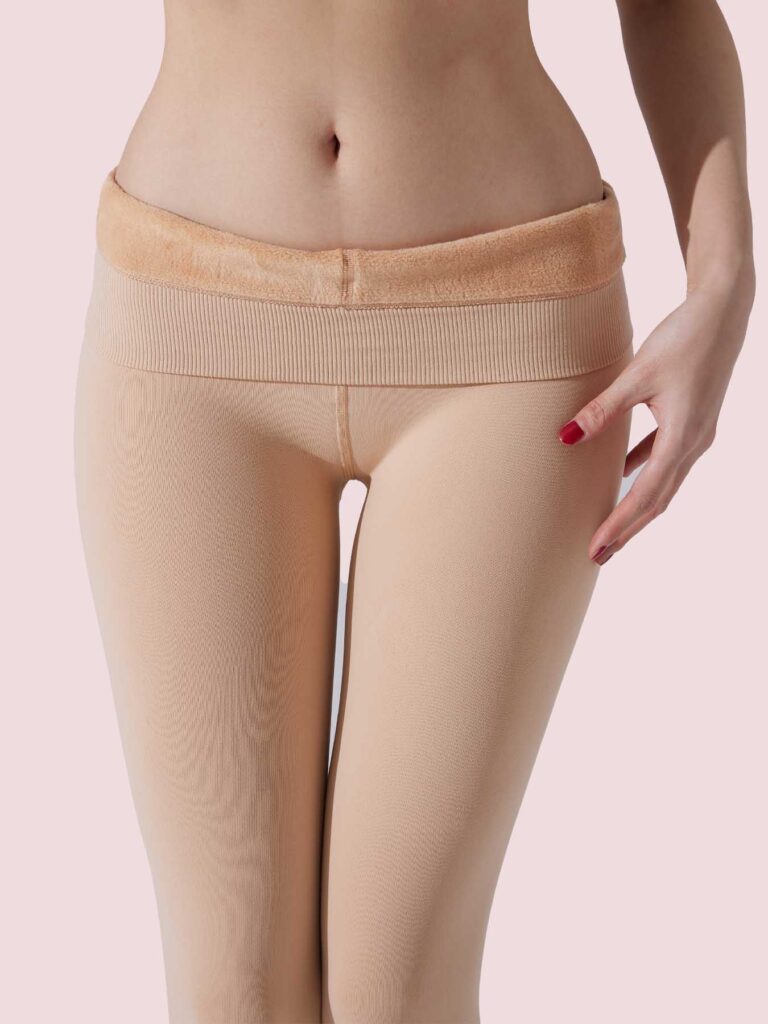
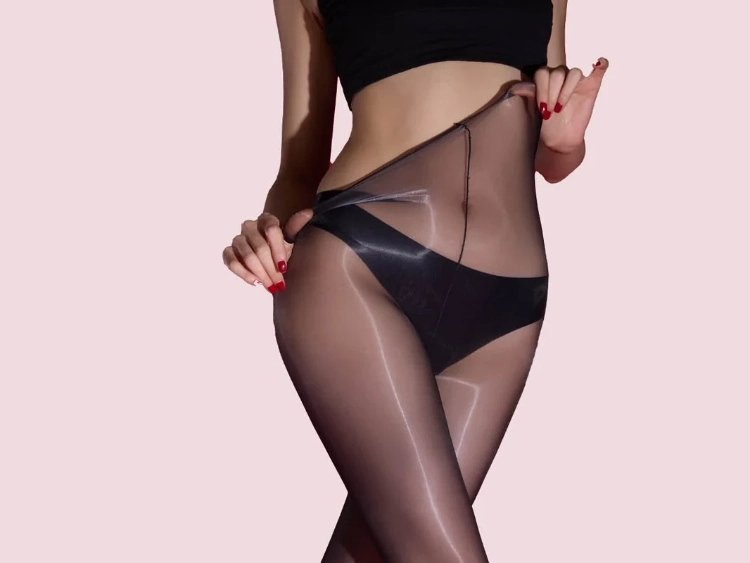
A product photo features a model wearing a pair of 광택 스타킹. The photographer typically shoots this setup from one single angle. They usually rely on just one primary light source in the studio. Because of this specific lighting environment, the highlight on the tights shifts around quite a bit. It moves around the knee. It also shifts across the thigh and hip of the actual model. In that specific photo, one leg in the glossy tights looks incredibly bright and shiny. However, the other leg appears almost completely flat or matte. This creates a really big consideration for any online assortment page. These product pages often display many similar items. That visual detail truly matters when an assortment page puts several different shades or varying sizes side by side. Buyers face a tough choice here. They need to sit down and decide which visual differences belong to the actual intended finish. They also must figure out which accidental elements make the sample miss its original reference point.
Laseta creates and develops hosiery for both OEM and ODM programs. This manufacturing includes their popular glossy styles. Because they handle this directly, buyers can easily assess the finish in person. They can review the shine together with the yarn type and the specific shade. They can also check the full size range and the retail packaging. You should definitely do this before placing a massive purchase order. Review the available glossy tights styles first. Then, ask for a free sample pack. You can get this quickly through Laseta’s dedicated sampling team. Use these items to thoroughly compare the surface texture. Make absolutely sure to check it under the exact light used for your brand’s photography. You should also verify it under the harsher lighting used for standard retail review.
- Use a fully stretched sample to accurately judge the shine. Do not use a flat, relaxed swatch lying on a table.
- Compare the exact same color shade. Do this across more than one size to see how it scales.
- Write down the specific lighting setup used for approval. Note the camera viewing angle as well.
- Define any acceptable level of visual variation. Sort this out with the factory before bulk production begins.
Why can the same finish look different on a body?
Gloss is essentially a reflected highlight. It is definitely not a fixed, painted-on color value. Picture a completely flat table. Light can spread perfectly evenly over that kind of smooth, hard surface. However, things change drastically when tights are actually worn. The knitted fabric opens up to accommodate the body. It stretches out and curves around the human leg. The geometric angle between the light source, the physical yarn, and the viewer’s eye constantly changes. This shift happens continuously from panel to panel. A photograph taken from one specific direction might show a massive, bright streak of light. Meanwhile, a front-facing retail image looks comparatively dull or matte. This difference fundamentally comes down to a surface effect. It is also a viewing effect based on angles. It is not automatically a manufacturing defect that needs fixing.
Construction details and daily wearing conditions work closely together. They matter as a combined unit rather than isolated parts. Look at the specific yarn combination and the overall stitch density. Consider the machine tension and the final chemical finishing process. All these technical elements can heavily influence how continuous the light reflection appears to the eye. The garment size plays a huge role in this too. The specific amount of stretch placed on the actual wearer matters just as much. Brands comparing oil shiny tights need to be incredibly careful. They should always review a highly representative worn sample. A form-stretched mannequin sample works well for this, too. Always write down the intended end-use of the product. High-fashion editorial photography and late-night partywear place a totally different emphasis on shine. Dancewear lines and everyday retail collections have their own unique expectations as well. They all balance the level of shine, fabric opacity, and physical comfort very differently.
Define a finish buyers can actually evaluate
Start by tossing out highly subjective, vague terms. Words like “wet look” or “high shine” mean wildly different things to different people. Swap those phrases out with a physical, tangible visual reference. Add a short, highly clear acceptance note to the file. Identify exactly how the final target should read to the customer. Should it look like a very soft sheen? Does it need a wet, continuous gloss? Perhaps it requires a much sharper, mirror-like reflective effect on the leg. Include all your officially approved color references. Name the specific shade family for the dye house. Provide a clear front and side view photograph. Finally, list the exact studio or office lighting conditions used to judge them. This level of granular detail helps everyone involved. It gives the product development teams and the factory quality control staff a common, shared baseline. This benchmark is incredibly important in modern manufacturing. Ordinary computer screens easily make the exact same black sample appear distinctly blue, grey, or even brown depending on the monitor settings.
How should a brand define the target before sampling?
A highly useful approval set includes several mandatory pieces. It desperately needs the correct, agreed-upon sample size. It must clearly include the wearer dimensions or the hard form dimensions. Note the specific stretch condition used during the test. Add photographs taken at highly consistent, repeated angles. Sometimes the final garment is available in several completely different shades. If so, approve each shade completely independently of the others. The depth of the dye changes everything. The way light bounces off darker colors varies greatly compared to pastels. This reality can make a finish look completely different to the naked eye. This frustrating shift happens even when the underlying knit construction remains entirely unchanged by the knitting machines. Keep a physical reference sample on hand whenever physically possible. A digital image is certainly convenient for quick email communication. However, a flat picture cannot fully show the tactile handfeel. It cannot demonstrate the crucial fabric recovery after stretching. It also completely fails to capture the dynamic, rolling movement of a highlight across a moving leg.
The overall product range might include a sheer, subtle shimmer style. It might also feature a completely seamless, intense oil-shiny style. These two items answer totally different brand design briefs. A retail buyer might look at a 360-degree seamless construction. They should absolutely not approve it against a sample chosen strictly for its reflective surface alone. The structural knitting construction matters heavily. The coverage levels and the shine all factor into the final purchasing decision. A high shine tights manufacturer can handle a much tighter, more accurate sample comparison. They just need the technical brief to clearly state which of those specific attributes is non-negotiable for the brand.
Once that priority is clear, send Laseta the finish reference, target shade, and size range to discuss suitable sample options. Ask to review the garment under stretch and the lighting used for your product photography before approving the range.
Which checks reveal a problem before bulk?
Start by reviewing the finished garment at rest on a table. Next, check it closely under carefully controlled stretch on a form. Keep a sharp eye out for any abrupt, weird changes in the reflection. Pay special attention around the high-stress waist, knee, and ankle areas. Watch out for a finish that suddenly becomes oddly patchy at those high-stretch zones. Look closely for unexpected visual differences between the left and right legs. After that visual check, test the physical recovery. See whether the tights return completely to their original, smaller shape after wear or intense manual handling. This process is a highly practical, hands-on visual comparison. Keep in mind, this does not substitute for any formal, regulated performance tests. The corporate buyer might still legally require those official laboratory tests.
You should also assess the sample extensively in its intended size range. One specific size can make the knitted fabric appear exceptionally glossy. This happens simply because the material is stretched out much more on the wearer. Another size in the exact same style can show a much quieter, subdued surface because it fits looser. Perhaps the seasonal collection spans several vastly different sizes. If so, compare the absolute smallest and largest approved samples. Do this right alongside the core medium size. Write down any acceptable level of visual variation. Put this directly in the formal approval comments for the factory. Do this so a distant supplier is not left blindly guessing. They should never have to infer whether a minor visual difference is expected by the designer. They need to know immediately if it must be corrected before shipping.
If the core and endpoint sizes show different shine, share the photos, lighting notes, and sample sizes with Laseta’s development team. That comparison gives the team a concrete basis for discussing whether a new sample should adjust the knit, shade, or finish before bulk approval.
How can a supplier brief protect the approved look?
A concise, well-written development brief does a very specific job. It firmly connects the visual reference directly to the technical product specification sheet. Make sure to include the exact target shades for the dyers. Add the detailed, graded size chart. Include the intended denier or the specific fabric weight when defined by the team. Spell out the exact expectations for the waistband and the toe construction. Add the brand label and retail packaging details. Mention the target demographic market and the roughly estimated order quantity. Sometimes the desired finish relies heavily on a competitor’s reference garment. If it does, identify the reason clearly for the factory. State whether it is just for mimicking the shine alone. Mention if it also covers matching the opacity, physical touch, and stretch capacity. These highly clear distinctions prevent wasted time and materials. They significantly reduce unnecessary, repetitive, and costly sample rounds. The factory floor can focus strictly on the attributes that actually determine your final approval.
Laseta strongly supports both OEM and ODM product development. This extensive support covers various tights and hosiery categories. It includes full, end-to-end customization of the base fabric and the sizing specs. They routinely customize the color, brand logo, packaging materials, and interior tags. Brand buyers can easily share a detailed finish brief with Laseta. Just include a marked-up photograph and your specific sample comments. Keep one approved, physical sample locked away safe during the final confirmation phase. Also, keep a detailed written note tracking any and all subsequent changes. A remarkably small change to the yarn can drastically alter the final appearance. Tweaking the shade, the finishing chemical bath, or the size grading does the exact same thing. Therefore, you should always review a brand-new version incredibly carefully. Never just assume it looks identical to that very first prototype sample you received months ago.
최종 점검에서 무엇을 비교해야 할까요?
The final factory inspection plan should tightly mirror the exact attributes that were initially approved by the brand. Compare the bulk finish using highly consistent, controlled lighting setups. Check the final production color strictly against the agreed-upon master reference. Inspect a randomly selected batch of representative sizes. Use the exact same viewing angles for this final check. Sometimes, shipping cartons contain multiple mixed shades or completely different sizes. If that happens in the warehouse, keep the identification tags perfectly clear. You want to ensure the review team does not accidentally compare totally unlike garments and fail a good batch. The main goal here is not to completely remove every single natural variation found in knitted fabric. That is impossible. Instead, the objective is to clearly define a commercially acceptable, normal range for the product. You want to quickly catch major visual deviations. You are looking for manufacturing flaws that completely change the originally intended retail look.
자주 묻는 질문
Q1: Can a photograph definitely prove that glossy tights will look exactly the same when actually worn?
A1: No, it really cannot. A static photo only records one specific garment frozen in time. It captures one static angle and one highly controlled studio lighting setup. You must physically check a real-world sample. Put it under normal bodily stretch. Look at it in the intended, everyday lighting environment before officially approving the final finish.
Q2: Should absolutely every size use the exact same shine reference target?
A2: Yes, you should use one master visual target for the style. However, you must review it practically across all representative sizes in the run. Different levels of physical stretch can drastically change how the knit surface stretches and reflects the room light.
Q3: Can I request test samples before fully selecting a complete glossy tights range?
A3: Yes, you certainly can. Share your specific target shade and the full, intended size range. Include your desired finish reference and send it over to Laseta. Then, just request a free sample pack for your internal team’s evaluation.
라세타와 함께 윤기 나는 스타킹 라인을 구축하세요
Are you currently planning a brand-new private-label brand launch? Send Laseta your specific finish reference right away. Include the target colors, the detailed size range, and your roughly expected order quantity. Perhaps you are just working on fixing an existing, problematic style. In that case, clearly show the factory the exact part of the worn garment where the shine falls flat or disappoints you. The technical development team can then discuss various alternative knit constructions. They can sort out custom sample arrangements while keeping that particular finish firmly in mind. Are you not entirely sure which finish perfectly fits your planned retail range? Laseta readily provides completely free physical samples of its glossy tights. This allows you to thoroughly check the stretched shine yourself. You can examine it under your own office lighting. You can test it closely across the intended size range well before committing a budget to bulk production. Request a Free Sample today. Send over your target colors and your sizing chart for a full, comprehensive evaluation.