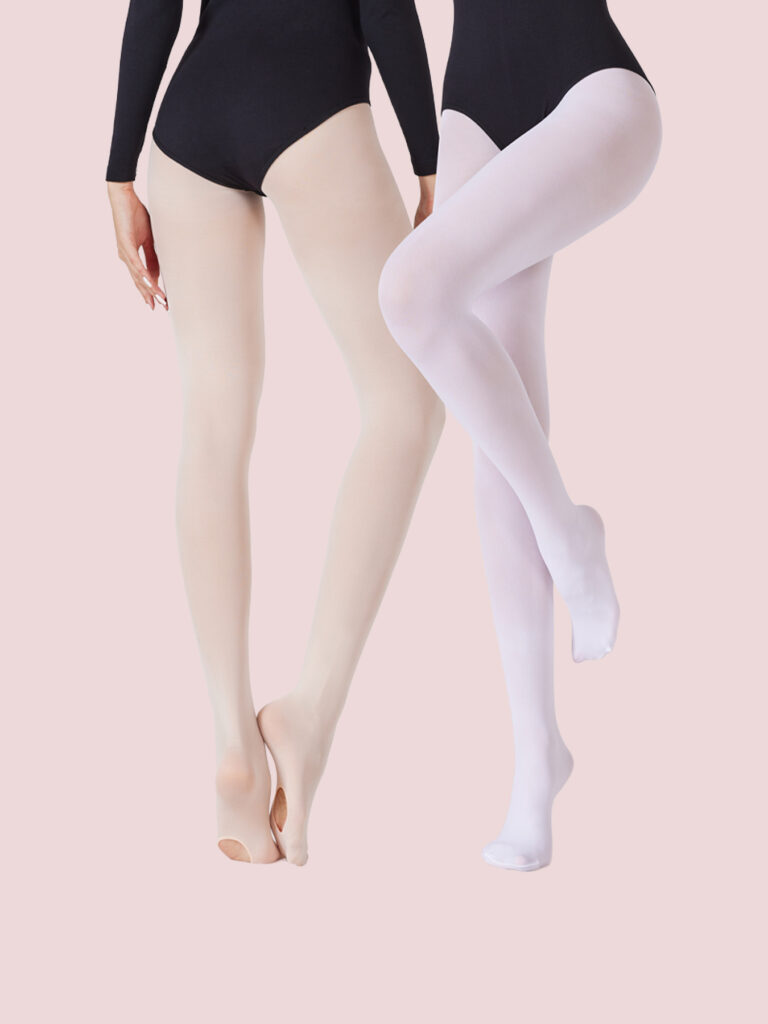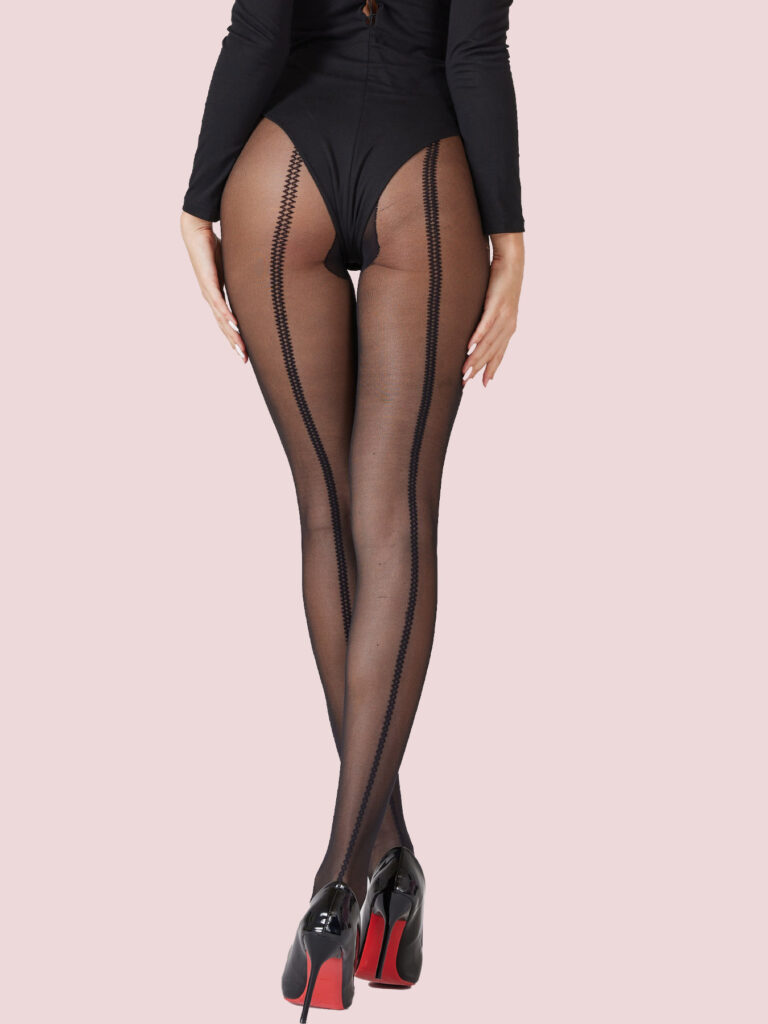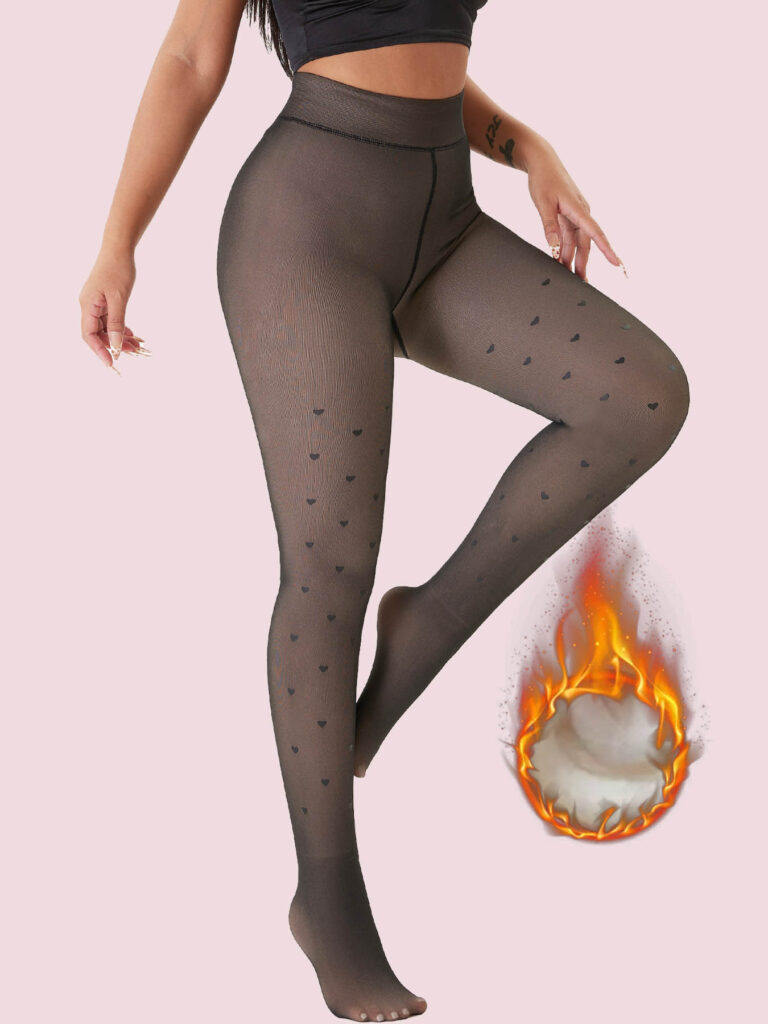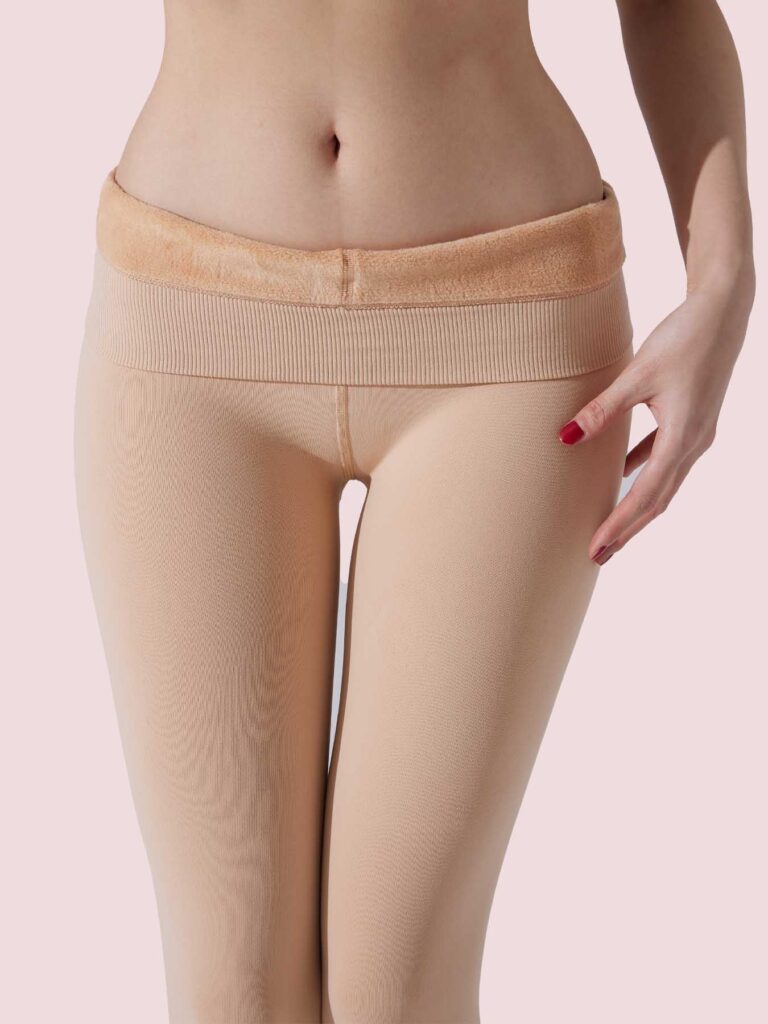
La tendenza di indossare collant sotto i jeans non è solo un altro trucco di stile visto nei video brevi. Funziona perché chi acquista possiede già il capo principale: il denim. Una fascia trasparente in vita sopra jeans a vita bassa, una fantasia a pois che si intravede attraverso uno strappo sul ginocchio, una caviglia lucida sotto mocassini o un sottile strato caldo sotto jeans a gamba larga possono rendere un outfit ordinario attuale senza che chi acquista debba comprare un look completamente nuovo.
Ecco perché questa tendenza merita un vero e proprio piano d'acquisto. Per i rivenditori, il profitto risiede in una piccola capsule collection di calze dal design essenziale, da affiancare a jeans, calzature, abbigliamento da festa e capi basic. Peloso Fornisce agli acquirenti una base pratica per tale piano, con categorie di collant, supporto OEM/ODM, opzioni di distribuzione a magazzino ed esperienza produttiva in termini di filato, denari, tintura, fissaggio e controllo qualità.
Perché questa tendenza può far muovere i punti vendita reali
Una tendenza diventa commercialmente utile quando risolve un problema comune nell'abbigliamento. I jeans sono comodi, ma possono risultare banali. I collant velati all'ingrosso aggiungono texture, colore, lucentezza o un po' di calore senza dover sostituire l'acquisto dei jeans. Questo li rende facili da vendere come accessorio aggiuntivo piuttosto che come un acquisto di moda a sé stante.
La tendenza di indossare i collant sotto i jeans si adatta a diversi canali di vendita al dettaglio. Le boutique possono abbinare collant neri velati a jeans strappati e tacchi. I venditori dei mercati possono creare set da due pezzi. I grandi magazzini possono esporre le calze vicino agli stivali o ai capi in denim. Un negozio di moda giovanile potrebbe puntare su fantasie e colori lucidi; una catena più pragmatica potrebbe avere più successo con modelli basici color carne, neri e semitrasparenti.
L'errore sta nel considerare ogni collant velato come un capo di tendenza. Alcuni modelli stanno bene con un vestito ma si arricciano all'interno dei jeans. Altri sono troppo delicati per le cuciture del denim. Il team acquisti deve testarli nell'uso reale: sedersi, camminare, indossare le scarpe e infilare i jeans sopra la cintura.
Inizia con articoli adatti al denim, non con una gamma troppo ampia.
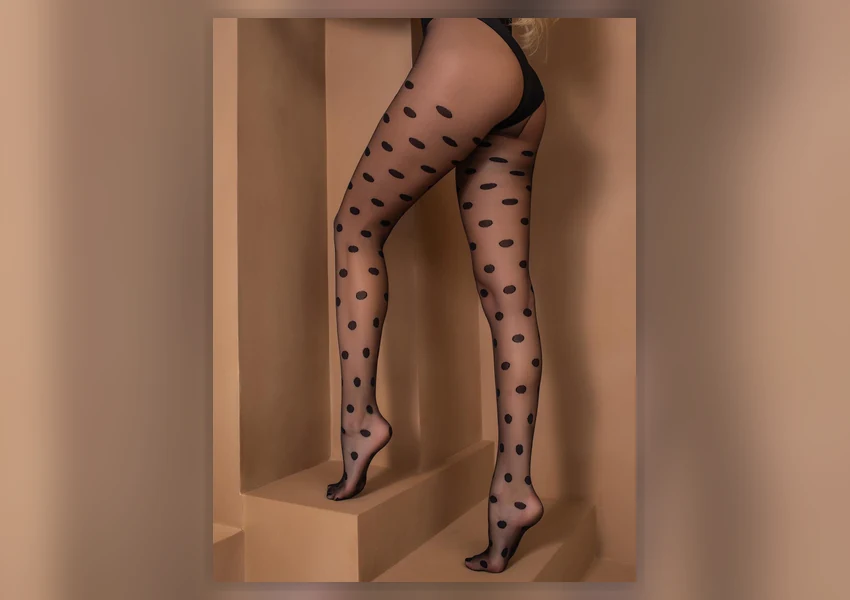
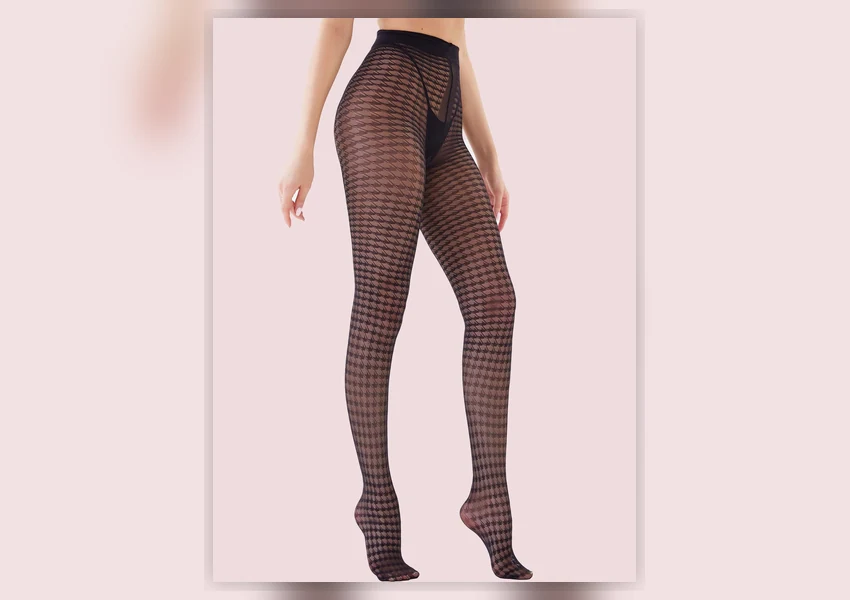
Un buon lancio può iniziare con tre o quattro referenze. I collant velati neri si adattano alla maggior parte dei look alla moda. I modelli velati color carne aiutano a tenere caldo e a definire la linea della gamba sotto i jeans strappati. Un'opzione nera lucida dona un tocco in più agli outfit da sera. Un motivo, come pois o un piccolo effetto rete, può attirare l'attenzione senza trasformare l'ordine in una linea di novità rischiosa.
I titoli a basso denigratorio sono solitamente il punto di ingresso più facile. Collant da 5 a 20 denari Ideale per modelli leggeri, dettagli alla caviglia in vista e denim per la stagione calda. Per chi desidera una maggiore copertura, si possono valutare in seguito le versioni 30D o 40D, soprattutto nelle capsule collection autunnali.
La scelta del prodotto dovrebbe rimanere vicina al modo in cui gli acquirenti indossano i jeans. Uno stile trasparente e scintillante, come collant lucidi da donna, può supportare look da festa in denim, look da sera e contenuti social. Un'opzione a fantasia, come collant velati da donna a pois Conferisce un dettaglio più evidente al denim strappato e ai jeans cropped.
Merchandise della capsule collection dove viene realizzato l'outfit
La posizione migliore raramente è quella riservata esclusivamente alle calze. Posiziona il prodotto vicino a jeans, mocassini, stivali, décolleté, pantaloni cropped e top eleganti. Nell'e-commerce, inserisci l'articolo aggiuntivo nelle pagine dei prodotti denim, nei messaggi di checkout e nelle sezioni dedicate alla modifica degli outfit. Il cliente non dovrebbe dover cercare le calze dopo aver scelto i jeans.
La confezione deve essere sufficientemente chiara, ma non eccessiva. Un'indicazione sulla parte anteriore, come ad esempio la stratificazione del denim, il dettaglio trasparente alla caviglia, la finitura lucida o il modello per jeans strappati, può essere utile. Sul retro, invece, devono essere presenti le informazioni essenziali: denari, taglia, colore, tipo di punta, sensazione al tatto della cintura e istruzioni per il lavaggio. Un linguaggio accattivante attira il cliente, mentre specifiche chiare riducono i resi.
Per i collant a marchio privato, è qui che il margine di profitto può migliorare. Un rivenditore può creare una piccola capsule collection in denim con un design della confezione coordinato, nomi di colore semplici e un codice QR o un'immagine del prodotto che mostri l'angolazione di presentazione. Il prodotto rimane un collant, ma la presentazione sullo scaffale diventa più chiara e comprensibile.
Verifica la comodità prima di procedere all'acquisto.
Il denim crea attrito. Può sembrare una cosa da poco, ma è importante. Un paio di collant che calzano bene sotto un vestito potrebbero impigliarsi sulla coscia sotto dei jeans rigidi, arrotolarsi in vita o premere sulla punta se indossati con scarpe chiuse. Prima di effettuare ordini più consistenti, gli acquirenti dovrebbero testare i campioni con i jeans che i loro clienti indossano abitualmente: a gamba dritta, a gamba larga, strappati, cropped e a vita bassa.
Anche la composizione del tessuto è importante. Il nylon conferisce resistenza all'usura superficiale; lo spandex o l'elastan garantiscono elasticità e capacità di recupero. Se l'equilibrio dei filati è debole, i collant potrebbero perdere la forma all'altezza del ginocchio. Se la termofissazione non è corretta, il capo potrebbe non riprendere la sua forma originale dopo un'intera giornata sotto i jeans. Un fornitore di calze alla moda dovrebbe essere in grado di discutere questi aspetti, non limitarsi a inviare una foto dal catalogo.
Il colore merita un controllo a parte. Il nero è più tollerante. Le tonalità nude possono variare sotto le ombre del denim e l'illuminazione del negozio. Le finiture lucide possono apparire più intense nei video che in negozio. Gli acquirenti dovrebbero approvare i campioni sotto luce calda, luce naturale e luce della fotocamera del telefono prima di sigillare l'imballaggio.
Utilizzare confezioni a marchio privato per aumentare il valore medio del carrello
La tendenza di indossare i collant sotto i jeans offre ai rivenditori l'opportunità di vendere calze come elemento di abbinamento. Questo si presta a confezioni multiple, edizioni limitate di colore, set per la stagione del denim e packaging capsule. Una confezione da due con collant velati neri e color carne è facile da acquistare. Una confezione da tre con collant neri, color carne e a pois conferisce alla tendenza un'impronta più fashion.
Una confezione personalizzata dovrebbe comunque rimanere onesta. Se lo stile è trasparente, ditelo trasparente. Se ha una leggera lucentezza, non pubblicizzatelo come un articolo effetto bagnato. Per i rivenditori che pianificano etichette personalizzate, Servizio di calzetteria OEM/ODM È possibile fornire supporto per la scelta del colore, il packaging, le taglie, la campionatura e l'etichettatura prima che il programma entri in produzione. I clienti possono richiedere campioni gratuiti da esaminare prima di effettuare un ordine. Anche la pianificazione delle scorte dovrebbe essere altrettanto rigorosa. Lanciare prima gli articoli principali, quindi aggiungere modelli più audaci solo dopo aver verificato i risultati di vendita.
Acquisto di assegni
Il team acquisti dovrebbe porre alcune semplici domande prima di effettuare l'ordine. I leggings sono comodi da indossare sotto i jeans per diverse ore? La fascia in vita rimane piatta anche stando seduti? La cucitura in punta è adatta a mocassini o stivali? Il colore rimane bello anche quando il tessuto si allunga sopra il ginocchio? Questi controlli non sono appariscenti, ma sono spesso il punto di partenza dei resi.
Anche la tempistica è fondamentale. La prima spedizione dovrebbe arrivare prima delle campagne dedicate al denim, non dopo che il picco dei social media si è già spostato. Per la maggior parte dei rivenditori, questo significa approvare in anticipo i modelli neri e nude, per poi riservare un capo a fantasia o lucido per una seconda uscita, qualora la prima capsule collection vada a ruba.
Un fornitore di calze alla moda dovrebbe anche essere in grado di discutere MOQ, tempistiche dei campioni, colori di magazzino, imballaggio e percorsi di riordino. Per piani di lancio specifici, gli acquirenti possono contatta il team di vendita con il canale di destinazione, l'angolo di stile del denim, la gamma di taglie e le esigenze di confezionamento. Più la richiesta è concreta, più è facile selezionare collant velati all'ingrosso adatti alla stagione invece di inseguire una vaga tendenza.
FAQ
D1: Quali collant sono più adatti da indossare sotto i jeans?
A1: I modelli trasparenti neri, trasparenti color carne, neri lucidi e con piccole fantasie sono generalmente i più pratici. Si intravedono alla caviglia, in vita o sulle zone strappate dei jeans senza aggiungere troppo ingombro.
D2: È possibile vendere collant a marchio privato come accessorio per i jeans?
A2: Sì. La confezione e la pagina del prodotto possono presentarlo come un capo in denim da indossare a strati, mentre i dettagli tecnici devono comunque indicare denari, taglia, colore, tipo di punta e finitura.
D3: Cosa dovrebbero testare i rivenditori prima di acquistare all'ingrosso collant velati per seguire questa tendenza?
A3: Testare il comfort della fascia in vita, la pressione sulla punta, l'elettricità statica, l'elasticità del colore, la lucentezza sotto diverse luci e la sensazione dei collant dopo diverse ore sotto i jeans.