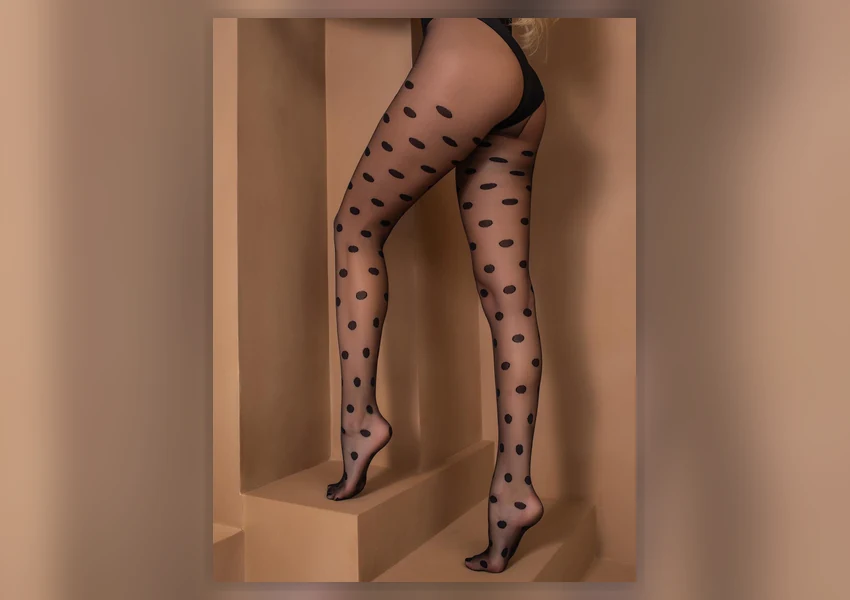
טרנד הגרביונים מתחת לג'ינס הוא לא עוד טריק סטיילינג מסרטון קצר. זה עובד כי הקונים כבר מחזיקים בפריט העיקרי: ג'ינס. מותן שקופה מעל ג'ינס נמוך, דוגמת נקודות החודרת מבעד לברך קרועה, קרסול מבריק מתחת לנעלי לופרס, או שכבה דקה ומחממת מתחת לג'ינס רחב יכולים לגרום לתלבושת רגילה להרגיש עדכנית מבלי לבקש מהקונה לקנות מראה חדש לגמרי.
זו הסיבה שהמגמה הזו ראויה לתוכנית קנייה אמיתית. עבור קמעונאים, הרווח טמון בקפסולת גרביים קטנה ונקייה שנמצאת לצד ג'ינס, הנעלה, בגדי מסיבות ובגדים בסיסיים. שָׂעִיר מספק לקונים בסיס מעשי לתוכנית זו, עם קטגוריות גרביונים, תמיכה ב-OEM/ODM, אפשרויות הפצה במלאי וניסיון בייצור בכל הקשור לצמר, דנייה, צביעה, קיבוע ובדיקה.
מדוע מגמה זו יכולה להזיז יחידות קמעונאיות אמיתיות
טרנד הופך להיות שימושי מבחינה מסחרית כשהוא עונה על בעיית לבוש רגילה. ג'ינס הוא קל, אך הוא יכול להרגיש פשוט. גרביונים שקופים בסיטונאות מוסיפים מרקם, צבע, ברק או מעט חמימות מבלי לשנות את רכישת הג'ינס. זה מקל על מכירתם כתוספת ולא כהתחייבות אופנתית נפרדת.
טרנד הגרביונים מתחת לג'ינס מתאים גם למספר ערוצי קמעונאות. בוטיקים יכולים לשלב גרביונים שחורים שקופים עם ג'ינס משופשף ועקבים. מוכרים בשוק יכולים לבנות חבילות של שני חלקים. חנויות כלבו יכולות למקם גרביים ליד מגפיים או תצוגות ג'ינס. חנות אופנה צעירה עשויה לקדם דוגמאות ומבריקים; רשת פרקטית עשויה להשתפר עם פריטים בסיסיים בגווני ניוד, שחור וחצי שקופים.
הטעות היא להתייחס לכל טייץ שקוף כאל טרנדי. חלק מהסגנונות נראים טוב עם שמלה אבל מתכרבלים בתוך ג'ינס. אחרים עדינים מדי לתפרי ג'ינס. צוות הקנייה צריך לבדוק את מקרה השימוש בפועל: ישיבה, הליכה, נעילת נעליים ומשיכת ג'ינס מעל חגורת המותניים.
התחילו עם מק"טים ידידותיים לג'ינס, לא מגוון צפוף
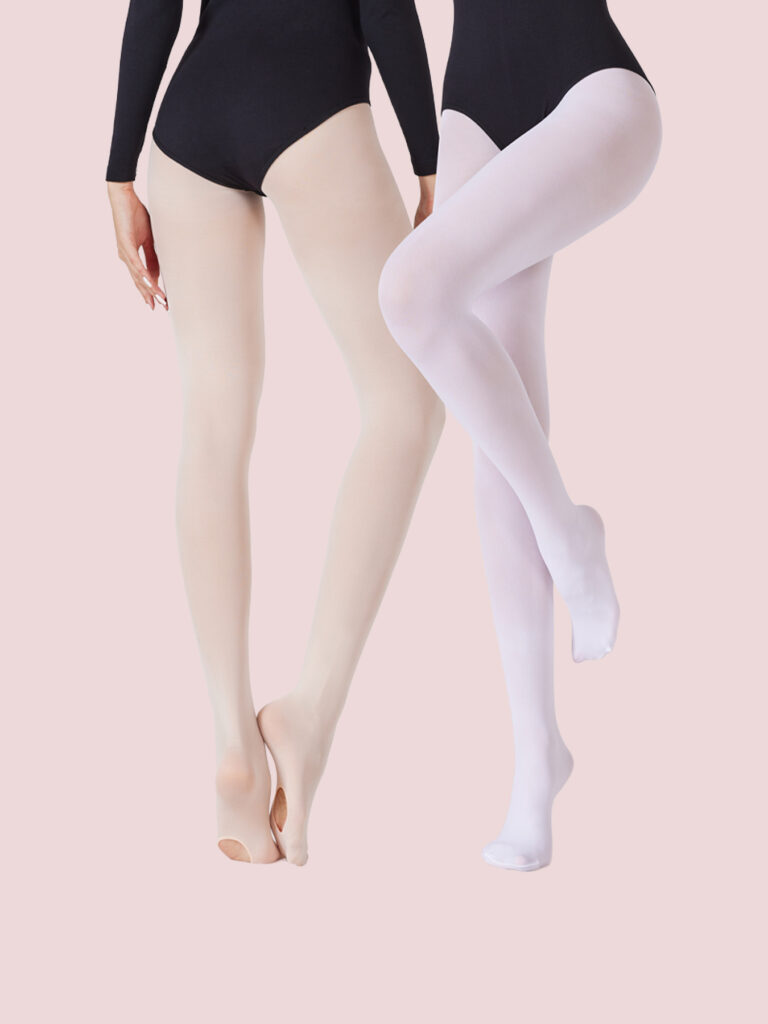
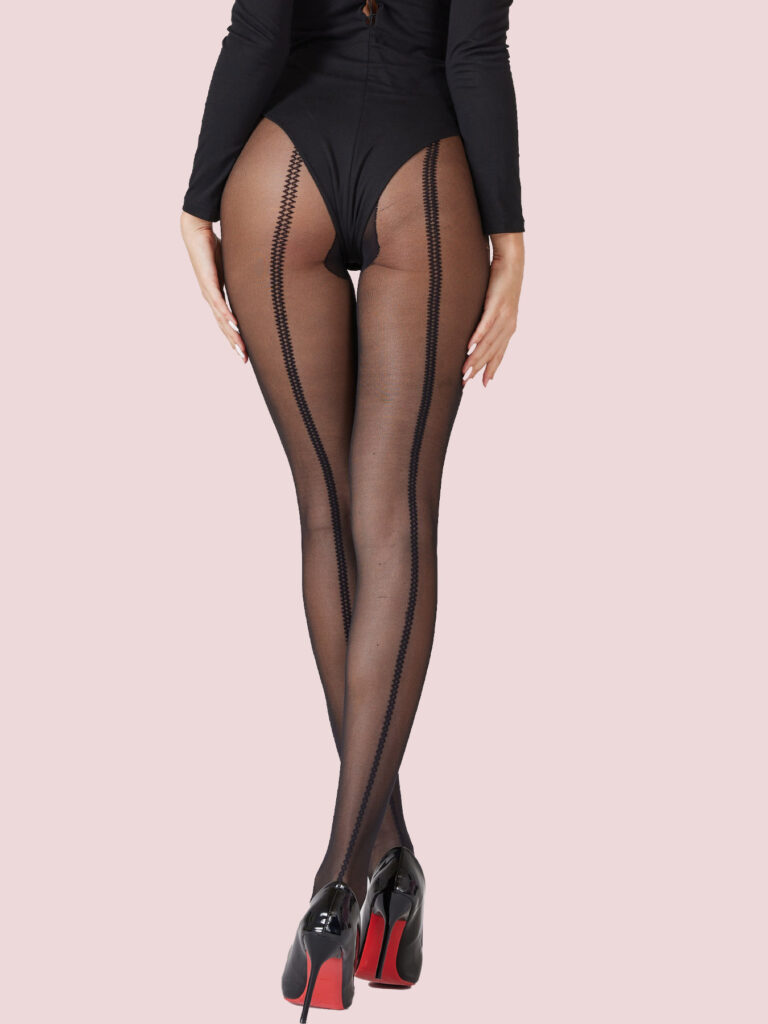
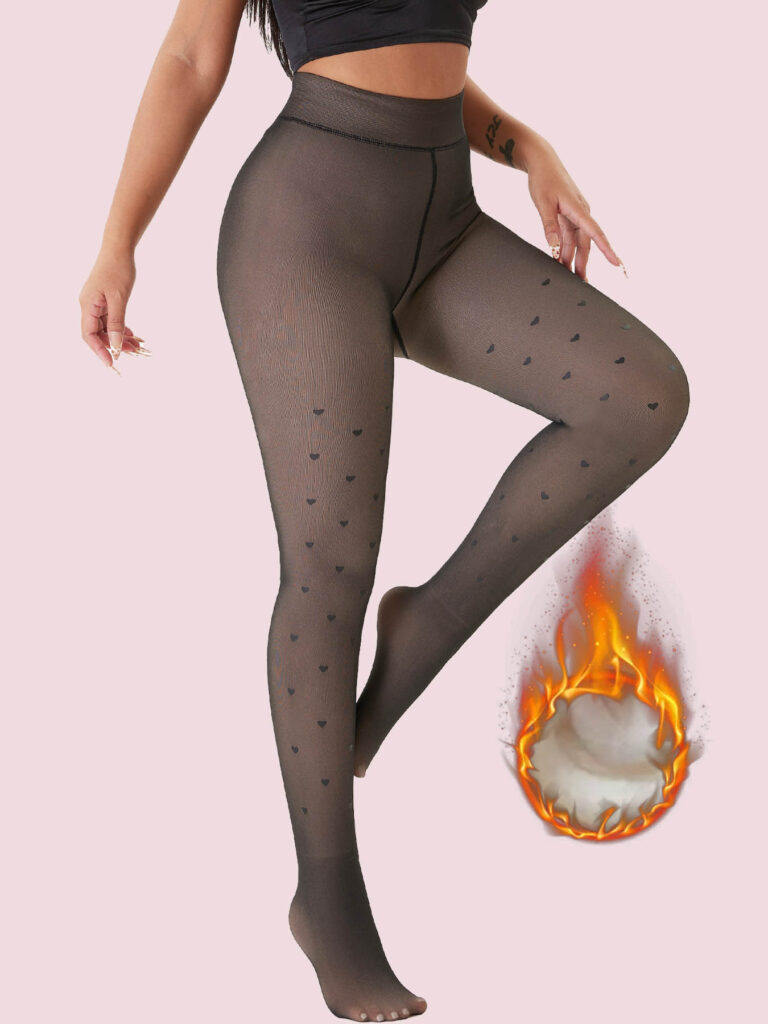
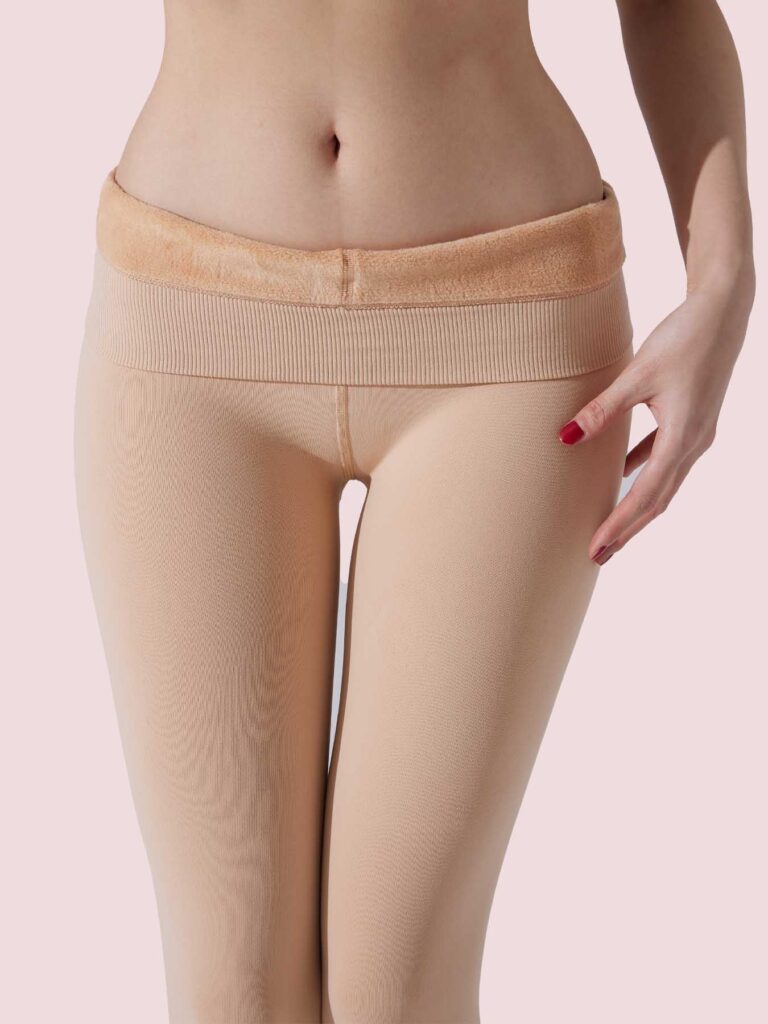
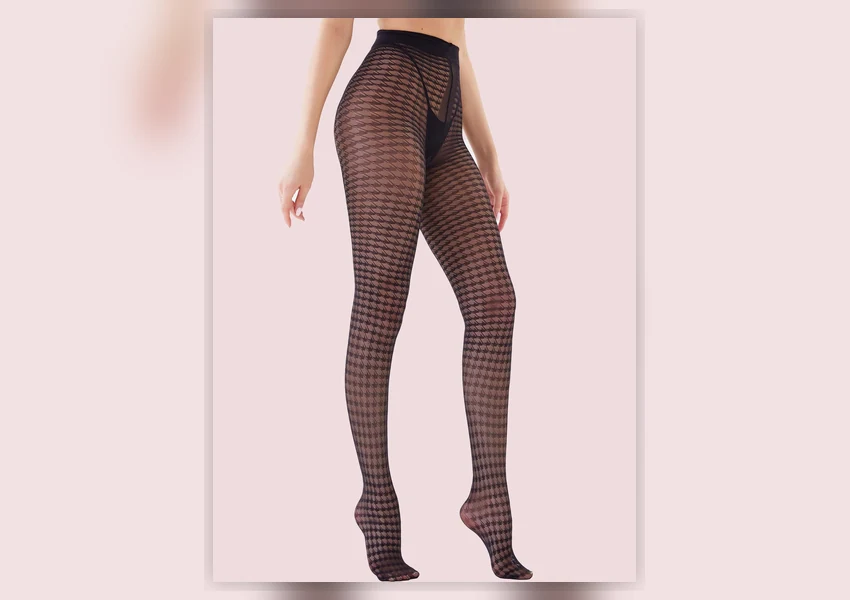
השקה טובה יכולה להתחיל עם שלושה או ארבעה חלקים. גרביונים שקופים שחורים מכסים את רוב מראות האופנתיים. דגמים שקופים בגוון ניוד עוזרים לחמימות ולקו רגל נקי יותר מתחת לג'ינס קרוע. אופציה שחורה מבריקה מעניקה לתלבושות ערב יותר משיכה. דוגמה אחת, כמו נקודות או אפקט רשת קטן, יכולה למשוך תנועה ויזואלית מבלי להפוך את ההזמנה לקולקציה חדשנית ומסוכנת.
מכחישים נמוכים הם בדרך כלל נקודת הכניסה הקלה ביותר. מגוון גרביונים 5-20 דנייר מתאים היטב לעיצוב אוורירי, פרטים גלויים על הקרסול וג'ינס לעונה החמה. עבור קונים שרוצים כיסוי נוסף, ניתן לבדוק 30D או 40D מאוחר יותר, במיוחד בקפסולות סתיו.
בחירת המוצר צריכה להישאר קרובה לאופן שבו קונים לובשים ג'ינס. סגנון שקוף ומנצנץ, כמו גרביונים מבריקים לנשים, יכול לתמוך במראה מסיבה, ג'ינס, מראה לילי ותוכן חברתי. אופציה עם דוגמא, כגון גרביונים שקופים לנשים עם נקודות מעניק לג'ינס קרוע ולג'ינס קצוצים פרט בולט יותר.
סחורה בקפסולה שבה התלבושת נבנית
המיקום החזק ביותר הוא לעיתים רחוקות קיר הגרביים לבדו. מקמו את המוצר ליד ג'ינס, נעלי לואפר, מגפיים, נעלי סלינגבק, מכנסיים קצרים וחולצות למסיבות. במסחר אלקטרוני, מקמו את התוסף בדפי מוצר של ג'ינס, הנחיות לקופה ועריכות תלבושת. הקונה לא צריך לחפש גרביונים לאחר בחירת הג'ינס.
האריזה צריכה לומר מספיק, אבל לא יותר מדי. הערה בחזית האריזה כמו שכבות ג'ינס, פרטים שקופים על הקרסול, גימור מבריק או גזרה לג'ינס קרוע יכולה להיות שימושית. גב האריזה עדיין זקוק לפרטים הבסיסיים: גזרה דנייר, מידה, צבע, סוג אצבעות, תחושת מותן והוראות טיפול. שפת האופנה מושכת את הקונה; מפרט ברור מפחית החזרות.
עבור גרביונים של מותג פרטי, כאן ניתן לשפר את הרווחיות. קמעונאי יכול ליצור קפסולת ג'ינס קטנה עם עיצוב אריזה תואם, שמות צבעים פשוטים וקוד QR או תמונת מוצר המציגים את זווית העיצוב. המוצר נשאר גרביים, אבל סיפור המדף הופך קל יותר להבנה.
בדקו את הנוחות לפני הגדלת הקנייה
ג'ינס יוצר חיכוך. זה אולי נשמע קטן, אבל זה משנה. זוג גרביונים שמרגישים בסדר מתחת לשמלה עלול להיתפס בירך מתחת לג'ינס נוקשה, להתגלגל במותן, או ללחוץ על האצבעות כשהוא משולב עם נעליים סגורות. לפני שמתחייבים להזמנות גדולות יותר, קונים צריכים לבדוק דוגמיות מתחת לג'ינס שהלקוחות שלהם לובשים בפועל: ישר, רחב, קרוע, קצר ונמוך.
גם למבנה הבד יש חשיבות. ניילון מעניק למשטח עמידות בפני שחיקה; ספנדקס או אלסטן מעניקים גמישות והחלמה. אם איזון החוטים חלש, הגרביונים עלולים לאבד צורה בברך. אם הגדרת החום גרועה, הבגד עלול לא להתאושש היטב לאחר יום שלם תחת ג'ינס. ספק גרביים לאופנה אמור להיות מסוגל לדון בנקודות אלה, לא רק לשלוח תמונה מהקטלוג.
צבע ראוי לבדיקה משלו. שחור הוא סלחני. גוונים עירומים יכולים להשתנות תחת צלליות ג'ינס ותאורת חנות. גימורים מבריקים יכולים להיראות דרמטיים יותר בסרטונים מאשר בחנות. קונים צריכים לאשר דוגמיות תחת אור חם, אור יום ותאורת מצלמת טלפון לפני סגירת האריזה.
השתמשו באריזות מותג פרטי כדי להעלות את ערך הסל
טרנד הגרביונים מתחת לג'ינס נותן לקמעונאים הזדמנות למכור גרביים ככלי תלבושת. זה יכול לתמוך במארזי מולטי-אריזות, עריכות צבע מוגבלות, חבילות ג'ינס לעונת הג'ינס ואריזות קפסולה. קל לקנות מארז של שני פריטים עם בד שקוף שחור ובד שקוף בניוד. מארז של שלושה פריטים עם דוגמאות שחור, בניוד ונקודות מעניק למגמה קריאה אופנתית חזקה יותר.
אריזה בהתאמה אישית צריכה עדיין להישאר כנה. אם הסגנון שקוף, נניח שקוף. אם יש לה ברק קל, אל תמכרו אותה יתר על המידה כפריט במראה רטוב. עבור קמעונאים המתכננים תוויות בהתאמה אישית, שירות גרביים OEM/ODM יכול לתמוך בעבודות צבע, אריזה, מידות, דגימה ותיוג לפני שהתוכנית נכנסת לייצור. לקוחות יכולים לבקש דוגמיות חינם לבדיקה לפני ביצוע הזמנה. תכנון המלאי צריך להיות ממושמע באותה מידה. השיקו את הפריטים המרכזיים תחילה, ולאחר מכן הוסיפו סגנונות נועזים יותר רק לאחר שניתן לראות את המכירות.
קניית צ'קים
על צוות הקנייה לשאול כמה שאלות פשוטות לפני ביצוע ההזמנה. האם המכנסיים הצמודים מרגישים בנוח מתחת לג'ינס במשך מספר שעות? האם חגורת המותניים נשארת שטוחה לאחר ישיבה? האם תפר האצבעות מתאים לנעלי לופרס או מגפיים? האם הצבע עדיין נראה טוב כשהבד נמתח מעל הברך? משבצות אלו אינן זוהרות, אך הן לרוב המקום בו מתחילות החזרות.
גם לתזמון יש חשיבות. המשלוח הראשון צריך להגיע לפני קמפיינים של ג'ינס, לא אחרי שהשיא החברתי כבר חלף. עבור רוב הקמעונאים, משמעות הדבר היא לאשר שחור וגוונים ניודיים מוקדם, ואז להמתין פריט עם דוגמא או מבריק למכירה שנייה אם הקפסולה הראשונה תימכר.
ספק גרביים לאופנה צריך להיות מסוגל גם לדון ב-MOQ, זמני דגימה, צבעי מלאי, אריזה ודרכי הזמנה חוזרת. עבור תוכניות השקה ספציפיות, קונים יכולים צרו קשר עם צוות המכירות עם ערוץ היעד, זווית עיצוב הג'ינס, טווח המידות וצרכי האריזה. ככל שהבקשה קונקרטית יותר, כך קל יותר לבחור גרביונים שקופים בסיטונאות שמתאימים לעונה במקום לרדוף אחר טרנד מעורפל.
שאלות נפוצות
שאלה 1: אילו גרביונים מתאימים ביותר מתחת לג'ינס?
A1: דגמים שחורים שקופים, שחורים שקופים בניוד, שחורים מבריקים ודוגמאות קטנות הם בדרך כלל הפרקטיים ביותר. הם נראים בקרסול, במותניים או באזורי הג'ינס הקרוע מבלי להוסיף יותר מדי נפח.
שאלה 2: האם ניתן למכור גרביונים של מותג פרטי כתוסף לג'ינס?
A2: כן. ניתן להציג את הפריט כפריט ג'ינס בשכבות, אך הפרטים הטכניים עדיין צריכים להציג את כמות הדנייר, המידה, הצבע, סוג הבוהן והגימור.
שאלה 3: מה קמעונאים צריכים לבדוק לפני שהם קונים גרביונים שקופים בסיטונאות עבור מגמה זו?
A3: בדקו את נוחות המותניים, לחץ באצבעות הרגליים, רמת חשמל סטטי, מתיחת צבע, ברק תחת אורות שונים, וכיצד הגרביונים מרגישים לאחר מספר שעות תחת ג'ינס.