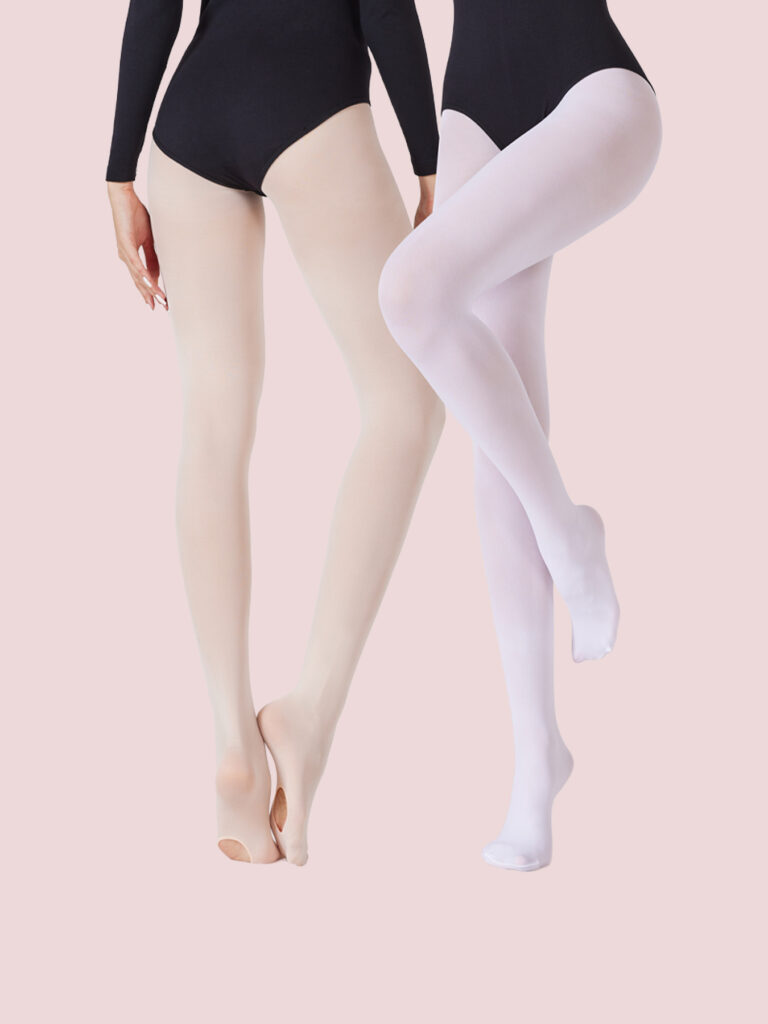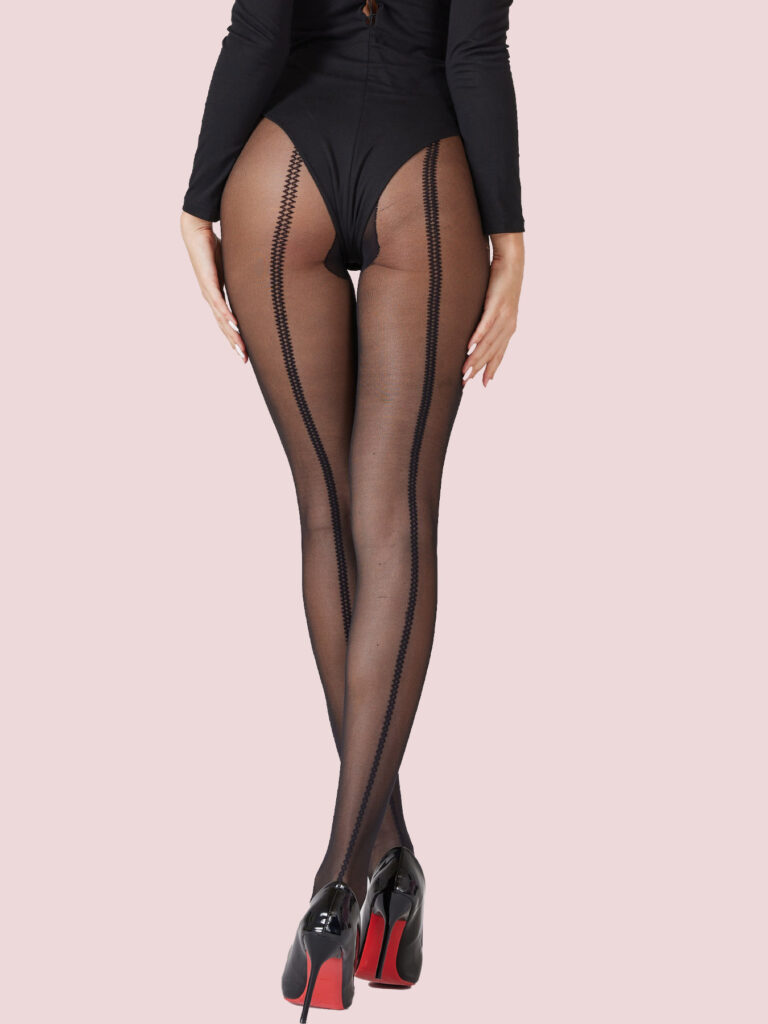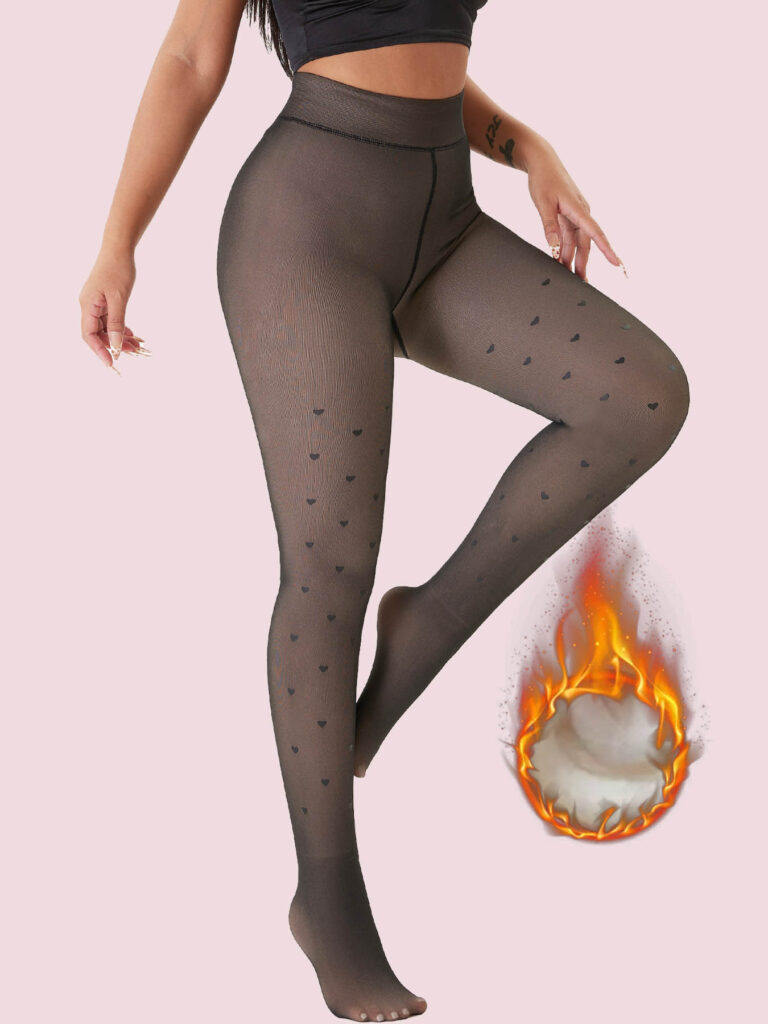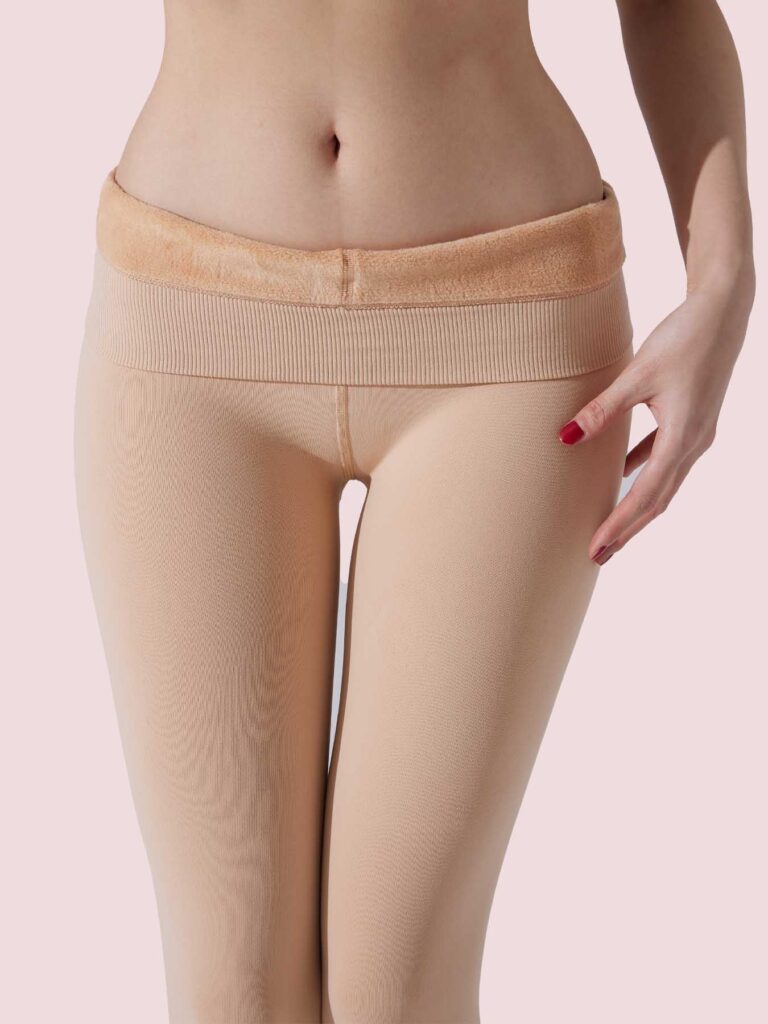
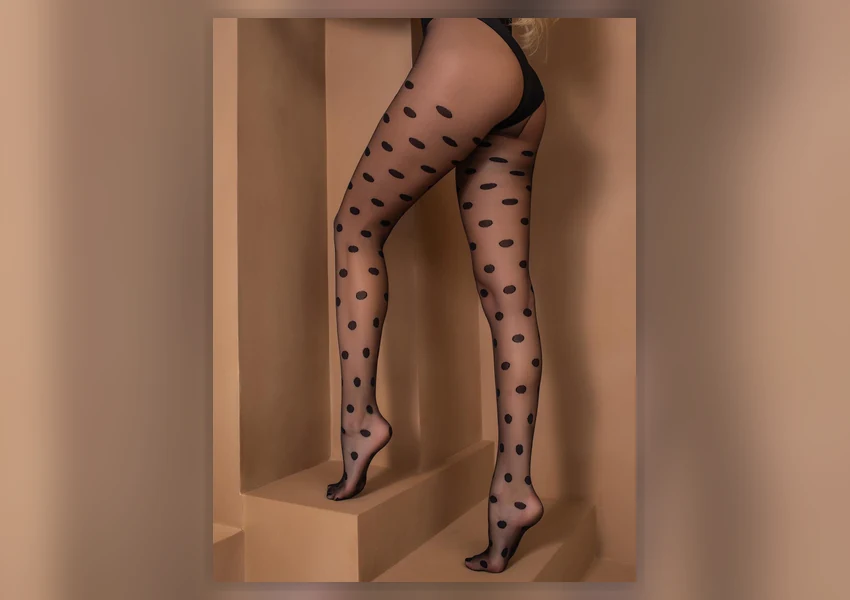
La tendance des collants sous les jeans n'est pas qu'un simple effet de mode vu dans les vidéos courtes. Elle fonctionne car les consommatrices possèdent déjà la pièce maîtresse : le denim. Une ceinture transparente sur un jean taille basse, un motif à pois visible à travers un genou déchiré, une cheville brillante sous des mocassins, ou une fine couche chaude sous un jean large peuvent donner un coup de jeune à une tenue ordinaire sans obliger celle qui la porte à acheter un nouveau look.
C’est pourquoi cette tendance mérite un véritable plan d’achat. Pour les détaillants, le profit réside dans une petite collection capsule de collants épurée, à associer aux jeans, chaussures, vêtements de soirée et basiques. Poilu offre aux acheteurs une base pratique pour ce projet, avec des catégories de collants, un support OEM/ODM, des options de distribution en stock et une expérience de production couvrant le fil, le denier, la teinture, le réglage et l'inspection.
Pourquoi cette tendance peut dynamiser les ventes au détail
Une tendance devient commercialement intéressante lorsqu'elle répond à un besoin vestimentaire courant. Les jeans sont pratiques, mais peuvent paraître fades. Les collants transparents en gros apportent texture, couleur, brillance ou une touche de chaleur sans nécessiter l'achat d'un jean. Ils se vendent donc facilement comme accessoire plutôt que comme pièce de mode à part entière.
La tendance des collants sous les jeans s'adapte à différents circuits de distribution. Les boutiques peuvent proposer des collants noirs transparents avec des jeans délavés et des talons. Les plateformes de vente en ligne peuvent créer des ensembles deux pièces. Les grands magasins peuvent placer les collants près des bottes ou des rayons jeans. Une boutique de mode jeune pourrait privilégier les imprimés et les matières brillantes ; une chaîne plus classique aura peut-être intérêt à proposer des basiques couleur chair, noirs et semi-transparents.
L'erreur est de considérer tous les collants transparents comme étant à la mode. Certains modèles sont jolis avec une robe, mais font des plis disgracieux dans un jean. D'autres sont trop fragiles pour les coutures en denim. L'équipe d'achat doit tester les collants en situation réelle : assis, marchant, avec des chaussures, et enfilant le jean par-dessus la ceinture.
Commencez par des références adaptées au denim, et non par une gamme trop fournie.
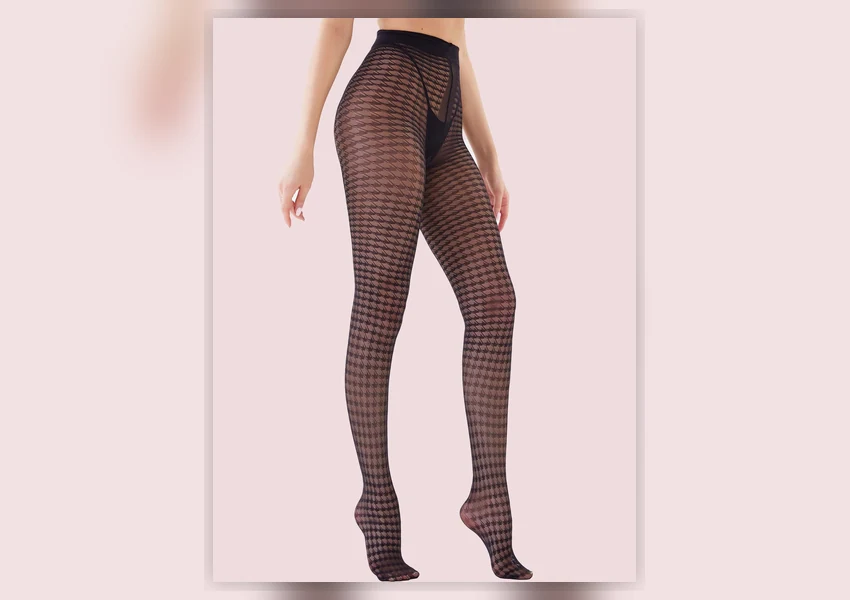
Un lancement réussi peut commencer avec trois ou quatre références. Des collants noirs transparents s'accordent avec la plupart des tenues. Des collants couleur chair transparents apportent chaleur et une silhouette plus nette sous un jean déchiré. Une version noire brillante rehausse les tenues de soirée. Un motif unique, comme des pois ou un effet résille, peut attirer l'attention sans transformer la gamme en une nouveauté risquée.
Les tissus à faible denier sont généralement le point d'entrée le plus facile. gamme de collants de 5 à 20 deniers Ce modèle est idéal pour des coupes fluides, des chevilles apparentes et des jeans de saison chaude. Pour celles qui recherchent une meilleure couvrance, les tailles 30D ou 40D peuvent être testées ultérieurement, notamment pour les collections d'automne.
Le choix des produits doit rester en phase avec la façon dont les consommateurs portent les jeans. Un style transparent et scintillant, comme par exemple collants brillants pour femmes, peut se prêter à des tenues de soirée en denim, des looks pour les sorties nocturnes et du contenu pour les réseaux sociaux. Une option à motifs, comme par exemple collants transparents à pois pour femmes donne un détail plus évident aux jeans déchirés et aux jeans courts.
Commercialisez la collection capsule là où la tenue est conçue.
Le meilleur emplacement est rarement le rayon collants seul. Placez le produit près des jeans, mocassins, bottes, escarpins, pantalons courts et tops de soirée. En e-commerce, intégrez-le directement sur les pages produits denim, dans les étapes de validation de commande et dans les suggestions de tenues. Le client ne devrait pas avoir à chercher des collants après avoir choisi son jean.
L'emballage doit fournir suffisamment d'informations, sans en faire trop. Une mention sur le devant, comme la superposition de denim, un détail transparent à la cheville, une finition brillante ou un motif pour jeans déchirés, peut être utile. Au dos, il faut toujours les informations essentielles : le denier, la taille, la couleur, le type de bout, la texture de la ceinture et les conseils d'entretien. Un vocabulaire mode attire l'attention ; des spécifications claires réduisent les retours.
Pour les collants de marque distributeur, c'est là que la marge peut s'améliorer. Un détaillant peut créer une petite collection capsule en denim avec un emballage assorti, des noms de couleurs simples et un code QR ou une image du produit illustrant le style. Le produit reste un collant, mais sa présentation en rayon est plus claire.
Testez le confort avant d'acheter
Le denim crée des frottements. Cela peut paraître anodin, mais c'est important. Un collant confortable sous une robe peut se coincer à la cuisse sous un jean rigide, rouler à la taille ou serrer les orteils avec des chaussures fermées. Avant de passer des commandes importantes, les acheteurs devraient tester des échantillons sous les jeans que leurs clientes portent habituellement : coupe droite, coupe large, déchirés, courts et taille basse.
La composition du tissu est également importante. Le nylon offre une résistance à l'usure en surface ; l'élasthanne apporte élasticité et maintien. Si le fil est de mauvaise qualité, le collant risque de se déformer au niveau du genou. Si le traitement thermique est insuffisant, le vêtement risque de ne pas retrouver sa forme initiale après une journée entière sous un jean. Un fournisseur de collants de mode devrait être en mesure d'aborder ces points, et pas seulement de fournir une photo de catalogue.
La couleur mérite une attention particulière. Le noir est indulgent. Les teintes nude peuvent varier sous l'ombre du denim et l'éclairage du magasin. Les finitions brillantes peuvent paraître plus spectaculaires en vidéo qu'en magasin. Les acheteurs doivent examiner les échantillons sous une lumière chaude, à la lumière du jour et à l'éclairage d'un téléphone portable avant de finaliser l'emballage.
Utilisez les emballages de marque privée pour augmenter la valeur du panier moyen.
La tendance des collants sous les jeans offre aux détaillants l'opportunité de vendre des collants comme un accessoire de mode. Cela peut favoriser les lots, les collections de couleurs limitées, les ensembles spéciaux pour la saison du denim et les emballages capsules. Un lot de deux collants noirs et couleur chair est facile à acheter. Un lot de trois collants noirs, couleur chair et à pois donne à cette tendance une dimension plus mode.
Un emballage personnalisé doit rester honnête. Si le produit est transparent, indiquez-le clairement. S'il est légèrement brillant, ne le présentez pas comme un produit à effet mouillé. Pour les détaillants qui envisagent des étiquettes personnalisées, Service de bonneterie OEM/ODM Nous proposons une assistance pour la couleur, l'emballage, les tailles, l'échantillonnage et l'étiquetage avant le lancement de la production. Les clients peuvent demander des échantillons gratuits pour inspection avant de passer commande. La gestion des stocks doit être tout aussi rigoureuse. Il est conseillé de lancer d'abord les articles phares, puis d'ajouter des modèles plus audacieux seulement une fois les ventes confirmées.
Achat de chèques
L'équipe d'achat devrait se poser quelques questions simples avant de passer commande. Le collant est-il confortable sous un jean pendant plusieurs heures ? La ceinture reste-t-elle bien à plat après s'être assise ? La couture des orteils est-elle compatible avec des mocassins ou des bottes ? La couleur reste-t-elle belle lorsque le tissu remonte au-dessus du genou ? Ces vérifications ne sont pas glamour, mais c'est souvent à partir de là que commencent les retours.
Le timing est également crucial. La première livraison doit arriver avant les campagnes marketing pour le denim, et non après que l'engouement sur les réseaux sociaux soit retombé. Pour la plupart des détaillants, cela signifie valider rapidement les modèles noirs et nude, puis réserver un article à motifs ou brillant pour une seconde collection si la première capsule est épuisée.
Un fournisseur de collants tendance devrait également être en mesure de discuter des quantités minimales de commande (MOQ), des délais de livraison des échantillons, des couleurs disponibles, de l'emballage et des modalités de réapprovisionnement. Pour les plans de lancement spécifiques, les acheteurs peuvent contacter l'équipe commerciale Il est important de préciser le canal de distribution ciblé, le style denim recherché, la gamme de tailles et les exigences en matière d'emballage. Plus la demande est concrète, plus il est facile de sélectionner des collants transparents en gros adaptés à la saison, plutôt que de suivre une tendance vague.
FAQ
Q1 : Quels collants sont les plus adaptés sous un jean ?
A1 : Les modèles transparents noirs, nude transparents, noirs brillants et à petits motifs sont généralement les plus pratiques. Ils se dévoilent au niveau des chevilles, de la taille ou des déchirures du jean sans ajouter trop d’épaisseur.
Q2 : Les collants de marque privée peuvent-ils être vendus comme accessoire en denim ?
A2 : Oui. L’emballage et la page produit peuvent le présenter comme un article de superposition en denim, tandis que les détails techniques doivent toujours indiquer le denier, la taille, la couleur, le type de bout et la finition.
Q3 : Que doivent tester les détaillants avant d’acheter des collants transparents en gros pour suivre cette tendance ?
A3 : Tester le confort de la ceinture, la pression des orteils, l'électricité statique, l'élasticité de la couleur, la brillance sous différentes lumières et la sensation des collants après plusieurs heures sous le denim.