The word “seamless” is easy to sell. It suggests comfort, a clean silhouette, and fewer visible lines under clothing. For control-top tights, though, the decision is more complicated. A seamless upper can feel smooth, while a paneled brief rise can place support where the wearer actually needs it. Private labels that choose by label alone can end up with a product that looks tidy in photography but feels wrong after lunch, commuting, or a long day on the shop floor.
The useful comparison is not seamless good, paneled bad. It is a question of support zones, pressure, size grading, opacity, and the customer’s reason for buying shaping hosiery. A well-made seamless control-top tight and a well-made paneled shaping tight can both earn repeat sales. They simply solve different wear problems.
Start With the Shape Claim
Before choosing construction, decide what the pack is promising. Is it light smoothing for office dresses? A more defined tummy panel? Extra hold at the hip? Gentle support with a barely-there leg? Each claim needs a construction that can deliver it without making the waistband roll or the crotch gusset pull down.
Seamless Means Fewer Interruptions
Seamless pantyhose can reduce the feeling of a raised center seam and give a smoother profile under fitted skirts. A 360-degree crotch gusset or clean upper knit is especially useful when the target buyer values comfort, everyday wear, or a polished appearance under thin fabric. It can also simplify the visual story for a private-label control tight: less bulk, fewer visible lines, and a more continuous leg-to-brief transition.
That does not mean all support disappears. Knit density, yarn selection, waist width, and rise can still create a gentle control effect. Nylon provides strength and surface smoothness; spandex(Lycra) gives the elastic, compression, and shape retention that keep the garment close to the body. The trick is not to call this firm shaping when it is really light smoothing.
Panels Give Buyers More Specific Control
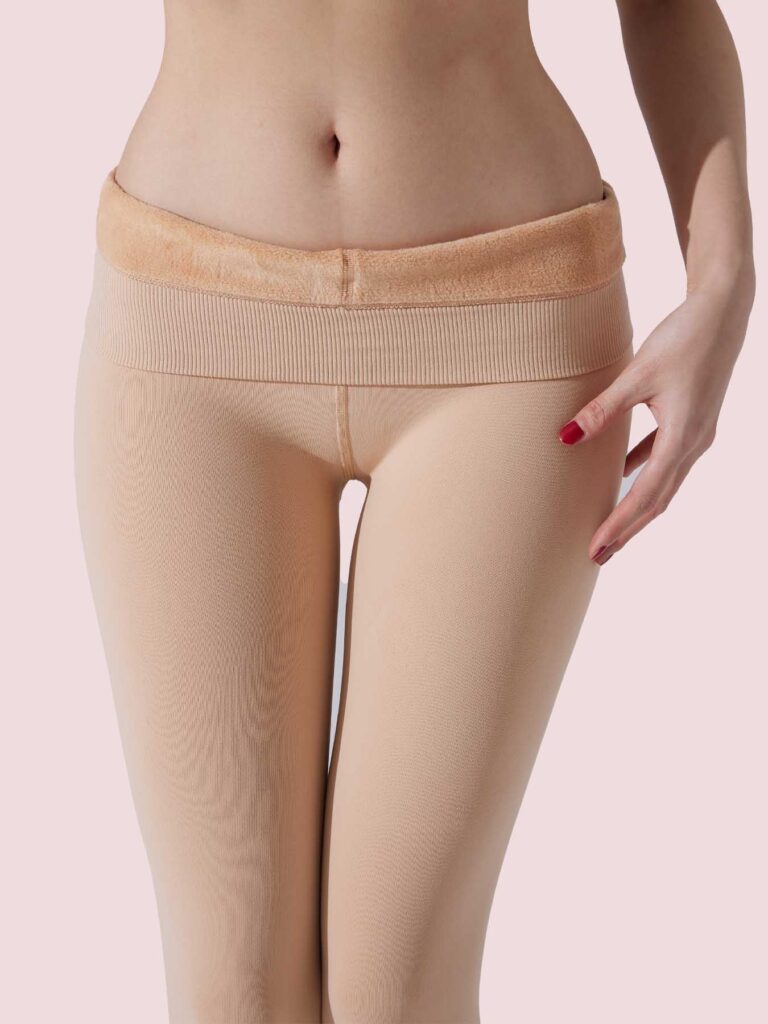
Paneled shaping tights use denser knit areas or separate construction zones around the lower abdomen, hip, or seat. They can give a clearer contouring effect, but every transition needs to be tested. A panel that ends too sharply may create a line under a body-skimming dress. A very firm panel can pull on the leg fabric and make the wearer feel as if the crotch gusset is creeping down.
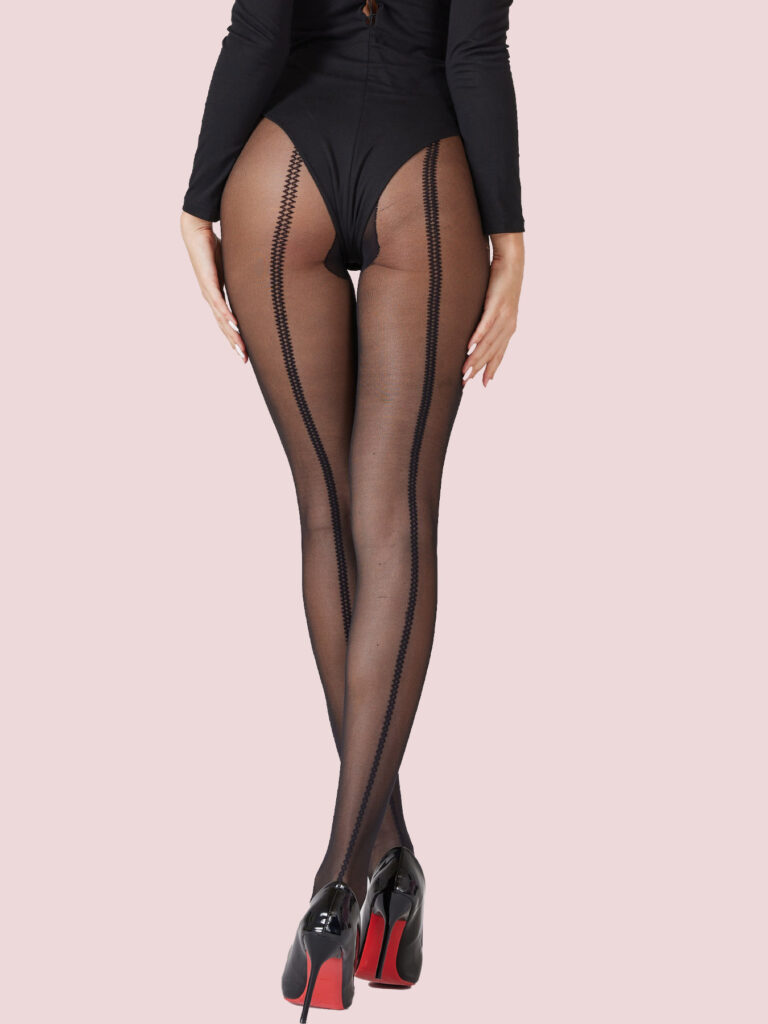
Tummy control and butt lift sheer tights are a useful reference when a project needs a more obvious shaping direction. The buyer should verify the actual control level on a wearer rather than rely on a product name. “Butt lift” is a design claim that needs a support zone and a fit result behind it.
Compare Support Zones With the Target Customer
An officewear customer and a shaping-focused customer do not have the same tolerance for pressure. For a retailer, this is where customer service data and tried-on samples matter more than a single technical drawing. A soft, seamless control-top tight can serve a broad daily-use market. A paneled style may suit occasion wear or a customer who specifically asks for torso support.
Map Where Pressure Lands
Ask fit testers to name the point where pressure is felt: upper waist, lower belly, hip crease, thigh edge, or crotch gusset. Pressure at the waist may point to a narrow band or short rise. Pressure on the thigh can come from an abrupt brief rise edge. A soft waistband cannot fully rescue a badly balanced control panel.
20D ultra sheer control-top pantyhose gives a buyer a fine-denier reference. With a very sheer leg, any dense brief rise transition is easier to see and feel. Test it under a fitted dress, a trousers, and a lighter blouse or skirt. The product needs to stay smooth after a seated period, not merely during the first mirror check.
Grade Sizes Separately From Support Strength
One control construction should not be copied unchanged across all sizes. A larger hip and waist need more than added leg length. The rise, waistband circumference, gusset or crotch room, and panel shape may need their own grading attention. If the supplier simply makes the waist tighter to create hold, the likely result is rolling, pressure marks, and returns.
Request a free sample pack before the size chart is locked. Include the lower and upper sizes from the proposed range. Have testers sit, walk, bend, and get in and out of a car. The notes should cover waist curl, crotch gusset position, thigh pressure, and recovery after removal. That is more useful than asking whether the pair felt “supportive.”
Use Denier to Support the Construction
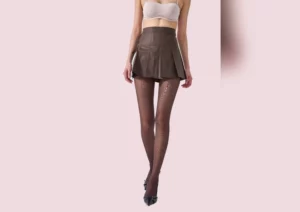
The brief rise and the leg do not have to share the same density. Fine 15D to 20D legs can be paired with a denser shaping area, while a 30D or 40D leg gives more visual coverage and may better hide a change in knit density. The buyer still needs to check the join. A dark or opaque brief rise over very sheer legs can read like a short under a dress.
Choose a Clean Product Ladder
Private labels often do best with three clear positions: a sheer seamless smoothing tight, a semi-sheer paneled shaping tight, and a more covered control option for cooler weather or customers who want a firmer feel. 30D control-top pantyhose can anchor the middle lane because 30D offers more coverage than a fine sheer option without moving fully into opaque hosiery.
The package should distinguish support level from demeanor. Denier tells the consumer about leg coverage, not automatically about tummy control. A 20D pair can have a substantial brief rise; a 40D pair can have a soft one. Clear language keeps the consumer from guessing.
Test the Construction After Finishing
Knitting creates the garment structure, but dyeing, heat setting, boarding, and packing reveal the finished fit. Heat setting stabilizes dimensions and elasticity. Over-processing can affect recovery or leave the finished pair less even. A pre-production sample should be inspected after the same route planned for bulk, not before it.
Build a Repeatable Control Test
Measure relaxed waist width, stretch it to the top approved size point, release it, and measure recovery after one and ten minutes. Then repeat with a worn sample. Check whether the band turns, whether the panel pulls on the leg, and whether the back waist stays in place. Three samples are better than one, because a single good pair can hide variation in yarn tension or assembly.
The QC sheet should also include shade, denier, toe, seam, or crotch gusset appearance, leg length, waistband height, and panel placement. In a control product, a small construction change can be more important than a small color change. The buyer needs a signed sample and a simple tolerance record before bulk approval.
Make the Private-Label Choice Late Enough
Laseta has later-stage work on fabric, size, color, logo, folding, hang tags, care labels, and inspection. For a paneled product, send the approved panel map with the brief rise. For seamless control-top tights, state the required level of smoothing and the limits on pressure marks.
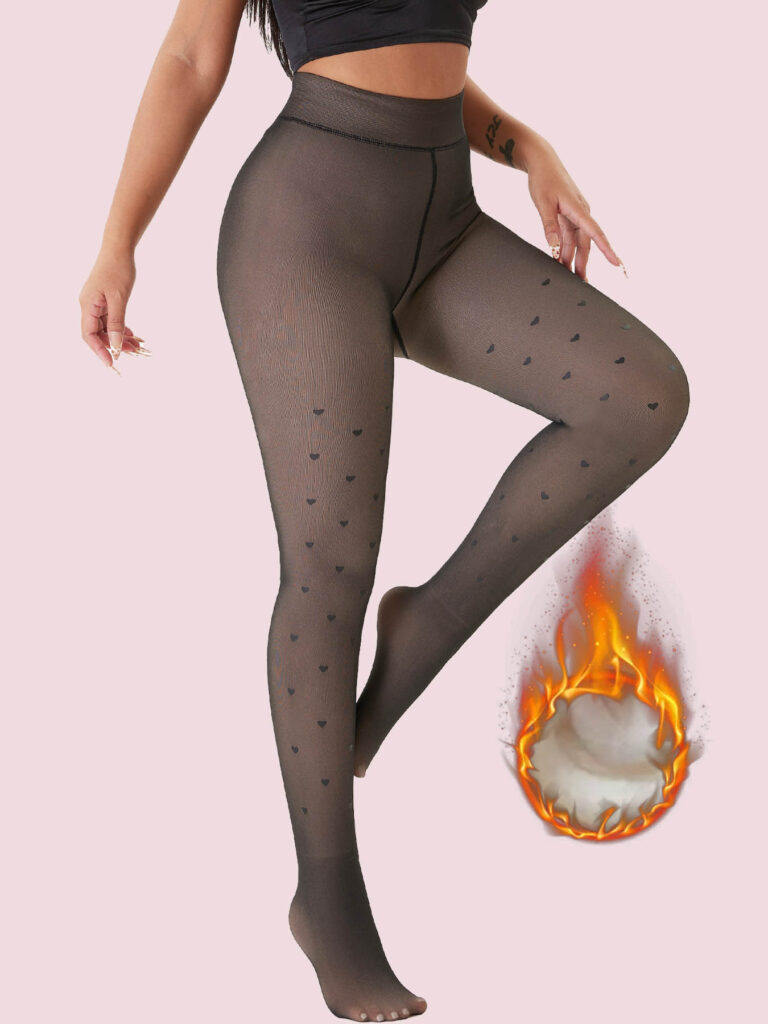
Control-top tights can help buyers compare the range of leg coverage and shaping directions before they narrow the selection. Use it as a reference, then keep the first launch small enough to understand. A free sample pack is worth repeating when the waistband, panel, denier, or size grade changes. Those changes can alter the wearer experience more than a new package color.
The best private-label choice is the one a customer can explain after wearing it: smooth and light for a work dress, or firmer and more structured for a shaping need. That is a cleaner route to reviews than a sweeping promise that every control-top tight can do both.
FAQ
Q1: Are seamless control-top tights always more comfortable?
A1: They can reduce seam pressure and visible lines, but comfort still depends on rise, waistband width, yarn recovery, size grading, and the level of control expected by the buyer.
Q2: When are paneled shaping tights the better choice?
A2: They suit a clear shaping brief rise, such as targeted lower-abdomen or hip support. The panel edges and pressure should be tested under the garments customers will actually wear.
Q3: What should be included in a private-label sample test?
A3: Test relaxed and stretched waist measurements, recovery, waist curl, crotch gusset stability, pressure points, panel visibility, denier, toe finish, and fit across the full proposed size range.