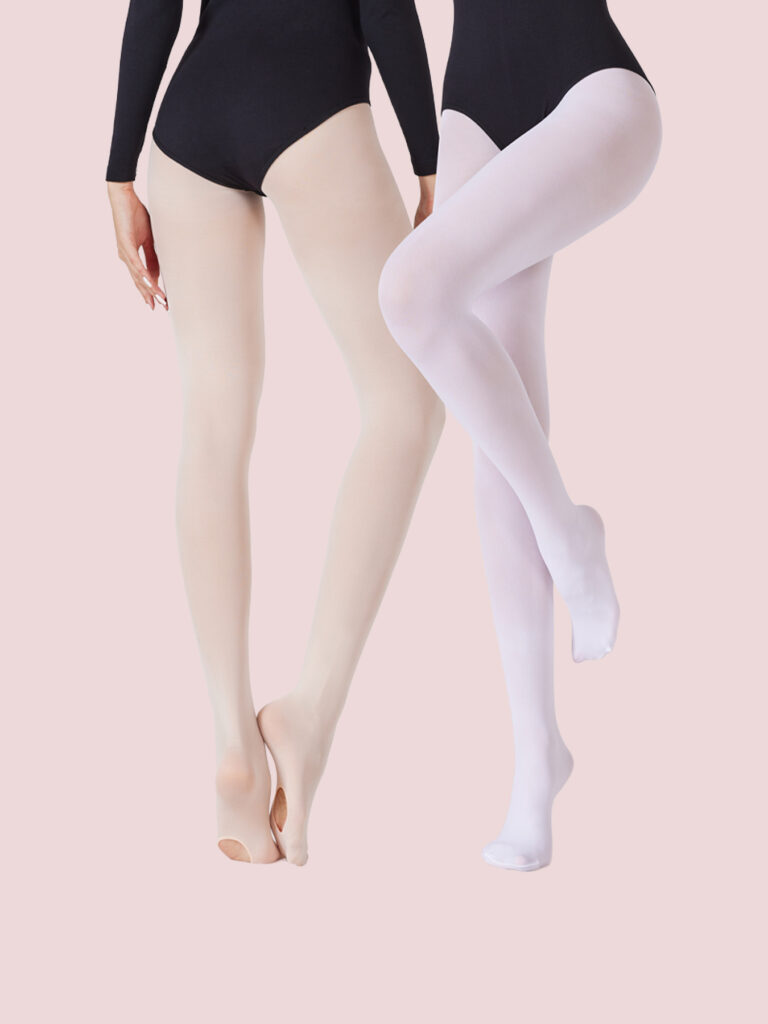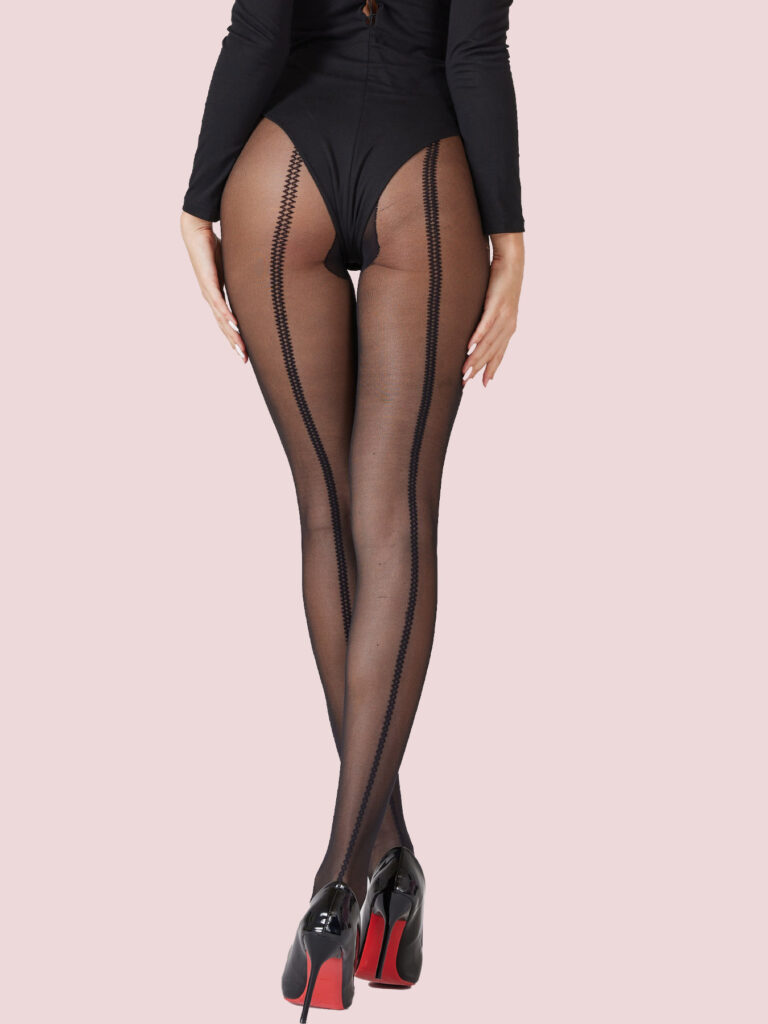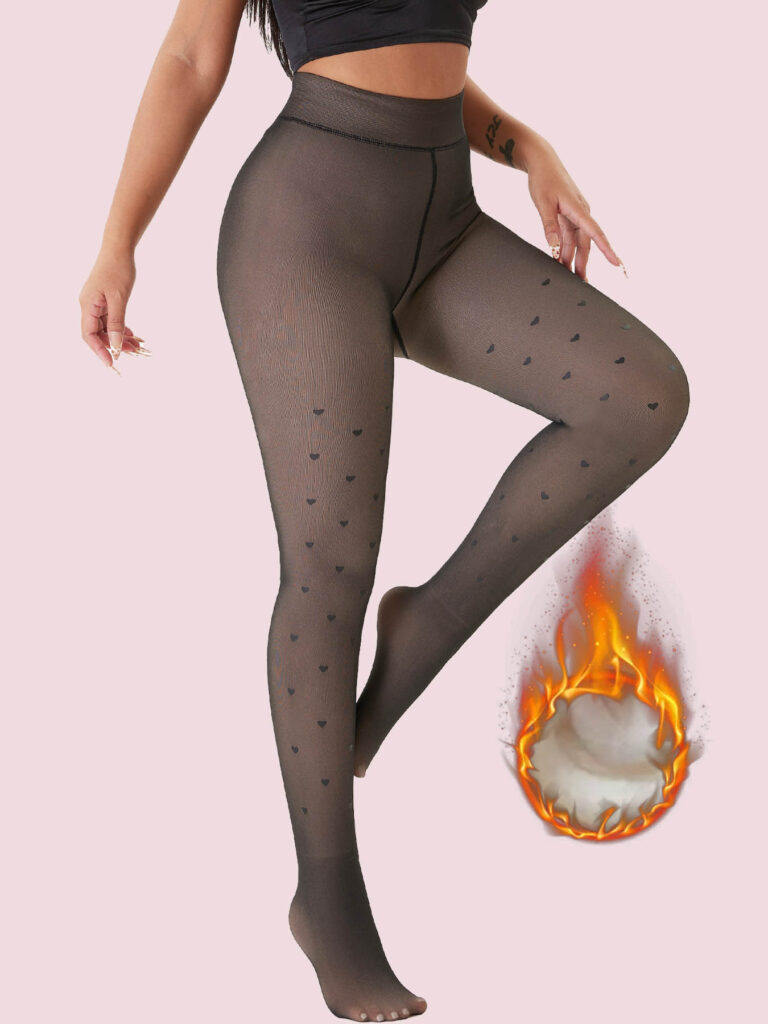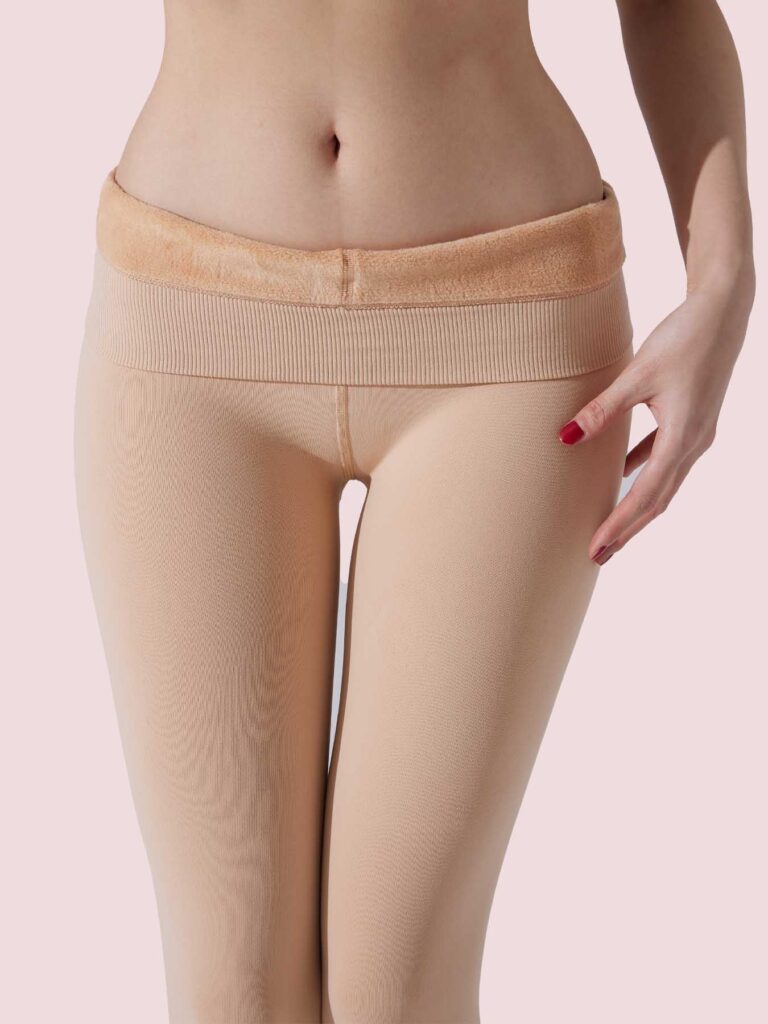
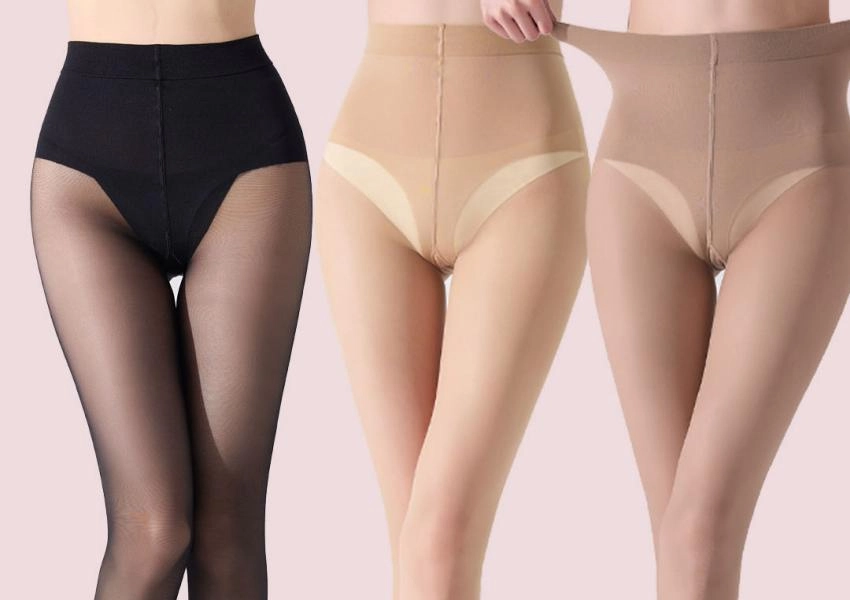
보정속옷 타이즈의 허리밴드는 조용히 한 가지 역할을 수행합니다. 바로 속옷을 제자리에 고정시키면서도 몸에 딱딱한 고리처럼 조이지 않는 것입니다. 이 기능이 제대로 작동하면 소비자는 거의 느끼지 못합니다. 하지만 그렇지 못할 경우 불만이 쏟아집니다. 허리밴드가 말려 올라가거나, 조이거나, 늘어나거나, 몇 시간 만에 흘러내리는 등의 문제가 발생할 수 있습니다. 소매업체 입장에서는 이러한 불만이 사소한 색상 문제보다 재구매에 더 큰 타격을 줍니다.
허리밴드 복원력은 단순히 공장 실험실 용어에 그치는 것이 아닙니다. 사이즈 검토, 반품률, 제품 사진, 그리고 보정 스타킹이 사무복, 몸매 보정 스타킹, 댄스복, 또는 일상복으로 판매될 수 있는지 여부에 직접적인 영향을 미칩니다. 구매 담당자는 샘플 승인을 위해 충분히 간단하면서도 대량 생산 전에 약한 탄력성을 잡아낼 수 있는 엄격한 테스트 방법을 필요로 합니다.
허리띠의 기능부터 시작해 봅시다.
보정속 타이즈의 허리밴드는 엉덩이를 감싸듯 늘어나 허리에 자리 잡고 원래 모양에 가깝게 돌아와야 합니다. 또한 복부 패널, 가랑이 거셋, 다리 부분과도 잘 어우러져야 합니다. 허리밴드가 튼튼하더라도 밑위 길이가 짧으면 타이즈가 말려 올라갈 수 있습니다. 반대로 허리밴드가 부드럽더라도 원사의 복원력이 약하면 처음 착용했을 때는 편안하게 느껴지더라도 타이즈가 흘러내릴 수 있습니다.
소재 선택은 중요합니다. 나일론은 강도와 내마모성을 제공합니다. 스판덱스나 라이크라는 신축성과 복원력을 더해줍니다. 보정속옷은 다리 부분과 다른 편직 밀도를 사용할 수 있으므로, 연결선에 압박 자국이 있는지 확인해야 합니다. 스타킹 품질 관리에서는 복원력을 편직 품질, 가공 품질, 염색 품질, 마감 품질 및 봉제 품질과 함께 살펴보아야 합니다.
회복은 뻣뻣함과는 다릅니다.
허리를 꽉 조인다고 해서 무조건 좋은 허리밴드는 아닙니다. 처음에는 너무 꽉 조여도 앉고 나면 불편해질 수 있습니다. 좋은 복원력이란 허리밴드가 늘어나고, 제자리를 유지하며, 말리거나 헐거워지지 않고 원래대로 돌아오는 것을 의미합니다. 손으로 당겨보는 것만으로는 이러한 차이를 쉽게 간과할 수 있습니다.
기본 허리밴드 탄력성 테스트를 실행하세요
구매자 측에서 허리 밴드 탄력성 테스트를 실시한 후, 실험실 분석 보고서를 요청할 수 있습니다. 밴드를 늘린 상태에서의 너비를 측정합니다. 제품 사이즈표의 상단 사이즈에 맞춰 밴드를 늘린 후, 잠시 동안 유지했다가 놓은 후 1분과 10분 후에 다시 측정합니다. 측정값은 복잡할 필요는 없지만, 모든 샘플에서 일관성이 있어야 합니다.
예를 들어, 동일한 샘플 로트에서 나온 세 쌍의 타이즈를 측정하고 착용해 볼 수 있습니다. 한 쌍은 원래대로 돌아오는데 두 쌍은 여전히 늘어난 상태라면, 고무줄의 불균형, 봉제 장력 또는 열처리 문제일 수 있습니다. 앉은 자세에서 착용한 후 세 쌍 모두 말려 올라간다면, 허리 밴드 디자인이나 팬티 높이를 수정해야 할 수도 있습니다. 타이즈 복원력 테스트는 절대로 한 쌍에만 의존해서는 안 됩니다.
구매자 리뷰 여성용 30디 컨트롤 탑 팬티스타킹 30D 커버리지, 컨트롤탑 구조, 강화된 발가락 부분, 그리고 일상적인 착용에 적합한 스타일의 제품에 이 유형의 테스트를 적용할 수 있습니다. 테스트에서는 착용 후, 앉은 자세, 선 자세에서 허리밴드가 평평하게 유지되는지 확인해야 합니다. 강화된 발가락 부분은 허리밴드 복원력과는 별개이지만, 전체적인 품질에 영향을 미칩니다.
간단한 착용 체험을 추가하세요
착용 테스트를 통해 자로 재는 것만으로는 알 수 없는 부분까지 확인할 수 있습니다. 착용자에게 최소 15분 동안 앉고, 걷고, 구부리고, 서 있도록 요청하세요. 그런 다음 허리띠 가장자리가 말려 올라가는지, 조절 패널이 아래로 처지는지, 또는 가랑이 부분이 내려가는지 확인합니다. 이러한 현상이 나타난다면 허리띠를 더 조이는 것으로는 문제가 해결되지 않습니다.
다양한 거부권 및 제어 수준을 확인하세요
보정 스타킹은 다양한 데니어(양)로 판매되며, 데니어마다 착용감이 다릅니다. 얇은 20D 제품은 두꺼운 보정 스타킹보다 가볍게 착용해야 합니다. 얇은 원단은 오피스룩에 어울리는 깔끔한 느낌을 줄 수 있지만, 허리 부분이 조여서 불편할 경우 커버력이 떨어질 수 있습니다. 두꺼운 보정 스타킹은 몸매 보정 효과가 더 뛰어나지만, 몸에 딱 맞는 옷 아래에서 허리 라인이 드러날 수 있습니다.
가볍게 걸치기 좋은 데일리룩 아이템으로, 20디 극단론자–순수한 통제–탑 팬티스타킹 구매자에게 20D 볼륨감, 강화된 발가락 부분, 그리고 보정 효과가 있는 상단 부분을 참고할 수 있도록 합니다. 이러한 유형의 제품은 무거워 보이지 않으면서도 탄탄하게 잡아주는 허리 밴드가 필요합니다. 몸매 보정에 중점을 둔 스타일을 원한다면, 복부 보정 및 엉덩이 리프팅 효과가 있는 시스루 타이즈 복부와 엉덩이 라인을 잡아준다는 주장은 기대치에 대한 압박감을 높이기 때문에 별도로 검토할 수 있습니다.
구매자는 해당 제품이 가벼운 지지력, 강력한 보정력 또는 엉덩이 리프팅 타이즈로 판매되는지 여부를 판단해야 합니다. 이러한 주장은 서로 다릅니다. 엉덩이 리프팅 스타킹은 패널 장력이 다를 수 있으며, 허리와 엉덩이 라인을 따라 더 강력한 복원력 검사가 필요할 수 있습니다. 주장하는 효과가 강할수록 샘플 테스트 또한 더 강해야 합니다.
주장을 함부로 혼합하지 마십시오.
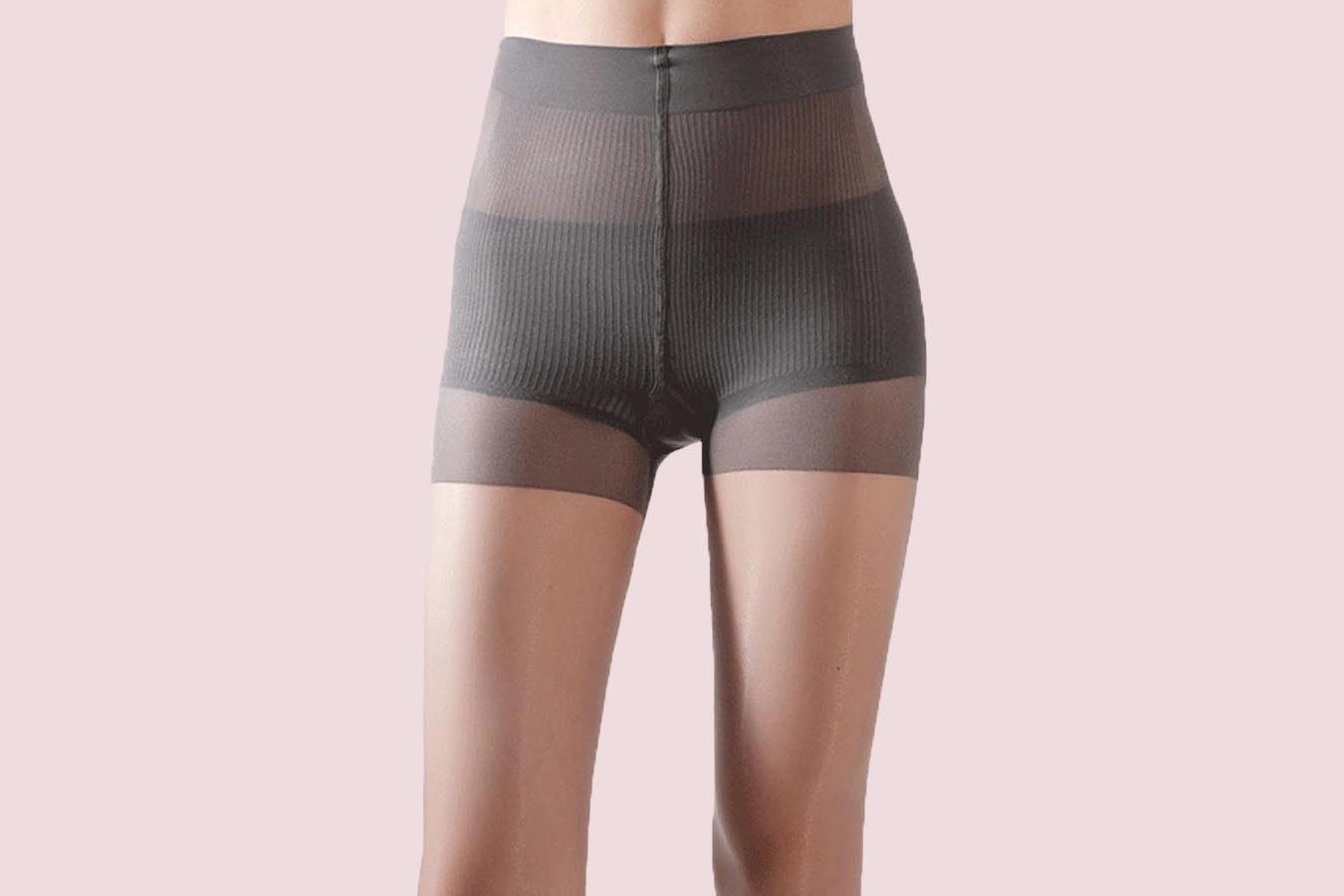
"보정 스타킹"이라는 제품은 편안한 일상용 스타킹일 수 있습니다. 반면 "엉덩이 리프팅 스타킹"은 엉덩이 라인을 잡아준다는 효과를 기대하게 만듭니다. 허리 밴드, 팬티 부분의 조임 정도, 그리고 착용 모델의 모습은 제품 포장에 적힌 주장을 뒷받침해야 합니다. 주장과 실제 효과가 상반되면 소비자들의 반응도 엇갈리기 마련입니다.
공급업체 품질 관리를 승인 절차에 포함시키세요
보정속 타이츠의 허리밴드는 단계적으로 개선해야 합니다. 첫째, 원사와 데니어를 승인합니다. 둘째, 허리밴드 너비와 탄력 회복력을 승인합니다. 셋째, 사이즈 곡선에 따른 핏을 승인합니다. 넷째, 포장을 승인합니다. 너무 꽉 접으면 허리밴드에 자국이 남을 수 있기 때문입니다. 이 단계에서 바이어는 예쁜 샘플 하나에만 의존하기보다는 여러 가지 허리밴드 옵션이 포함된 무료 샘플 팩을 요청할 수 있습니다.
라세타의 후기 단계 소싱 가치는 제조의 반복성에 있습니다. 구매자는 검토 과정에서 다음과 같은 점을 고려합니다. 엘세트 거의 30년에 걸친 스타킹 생산 경험, 이탈리아산 편직 설비, 월 400만 개에 달하는 생산 능력, 색상 관리 도구, 그리고 41명의 품질 관리 검사원을 고려해 볼 수 있습니다. 구매자는 실질적인 질문을 해야 합니다. 승인된 허리밴드 복원 기술이 다양한 사이즈, 색상, 그리고 대량 생산 배치에서 동일하게 적용될 수 있는가?
카테고리 검토를 통해 컨트롤탑 타이츠 구매팀이 데니어, 마감, 허리밴드 스타일, 발가락 보강, 형태 유지 강도 등을 비교할 때 모든 기사나 SKU 브리핑에서 동일한 제품 페이지를 반복해서 볼 필요가 없도록 도와줍니다. 자체 브랜드 제품의 경우, 맞춤 사이즈, 색상, 행택, 포장, 케어 라벨은 승인된 테스트 결과와 연관되어야 합니다.
승인된 참조 쌍 하나를 유지하십시오.
승인된 기준 샘플 한 쌍은 구매자가, 다른 한 쌍은 공급업체가 보관해야 합니다. 사이즈, 데니어, 허리둘레 측정값, 신축성 테스트 결과 및 샘플 날짜를 기록하십시오. 대량 생산된 제품의 느낌이 다를 경우, 반품 문제가 발생하기 전에 양측에서 동일한 기준 샘플을 사용하여 비교할 수 있습니다.
자주 묻는 질문
Q1: 구매자가 가장 쉽게 허리띠 복원력을 확인할 수 있는 방법은 무엇인가요?
A1: 허리둘레를 이완된 상태에서 측정하고, 일정 지점까지 늘린 후 유지했다가 놓은 다음, 1분과 10분 후에 원래대로 복원되는 정도를 측정합니다. 여러 벌을 사용하여 테스트하십시오.
Q2: 보정 스타킹이 허리 부분에서 말려 올라가는 이유는 무엇인가요?
A2: 일반적인 원인으로는 짧은 라이즈, 좁은 탄성, 한 라인에 과도한 압력, 약한 복원력, 불량한 사이즈 등급 또는 아래로 당기는 컨트롤 패널 등이 있습니다.
Q3: 구매자는 언제 무료 샘플 팩을 요청해야 하나요?
A3: 사이즈표, 허리둘레, 조절 강도 및 포장을 승인하기 전에 요청하십시오. 여러 사이즈와 여러 조절 강도를 포함하십시오.