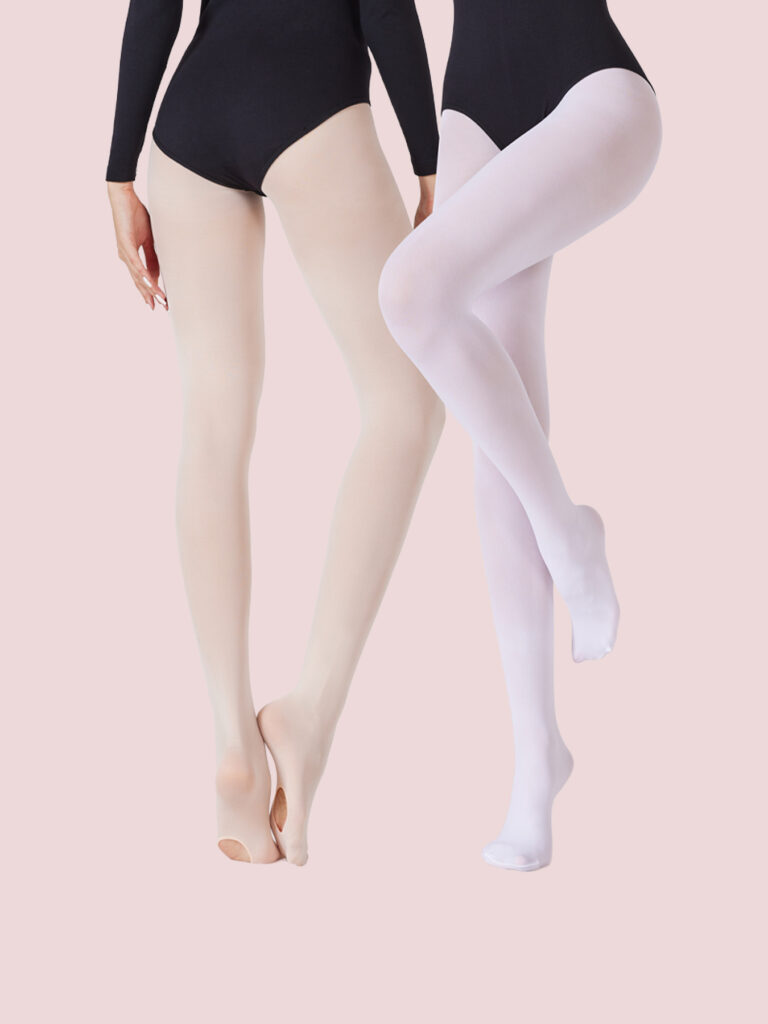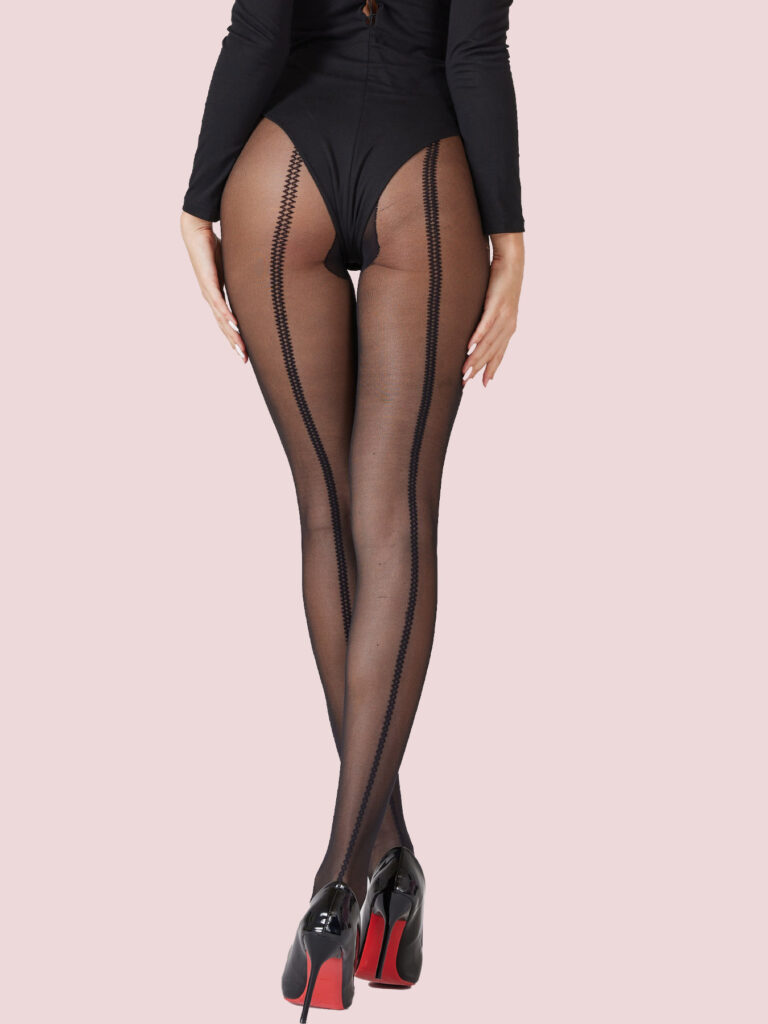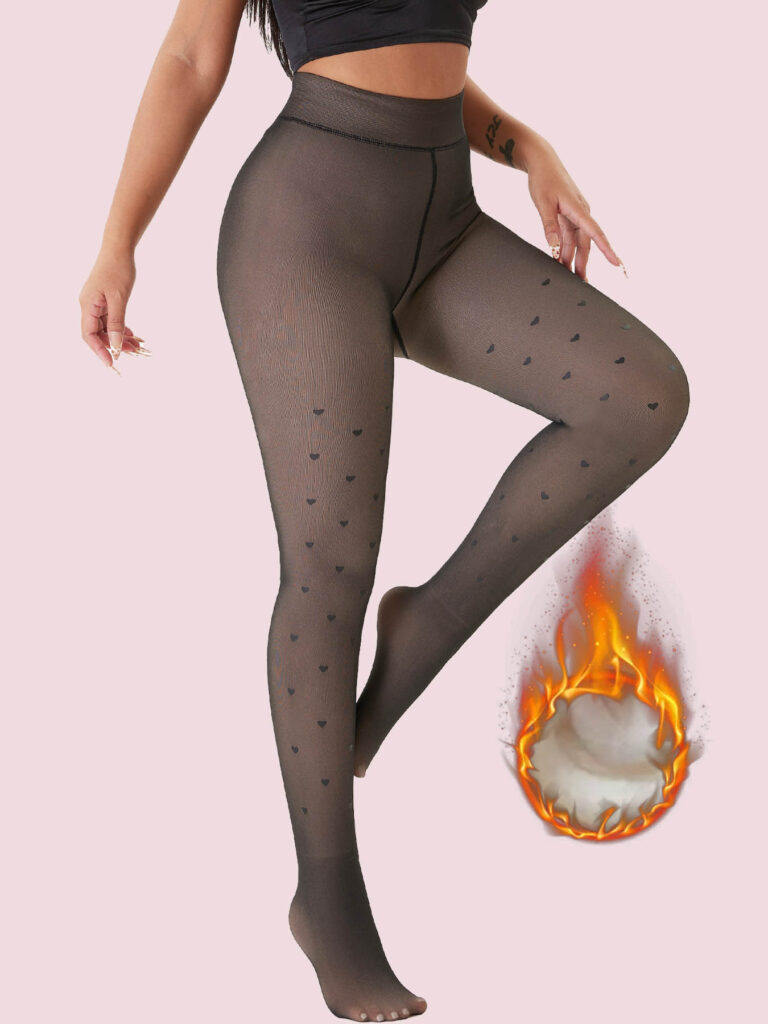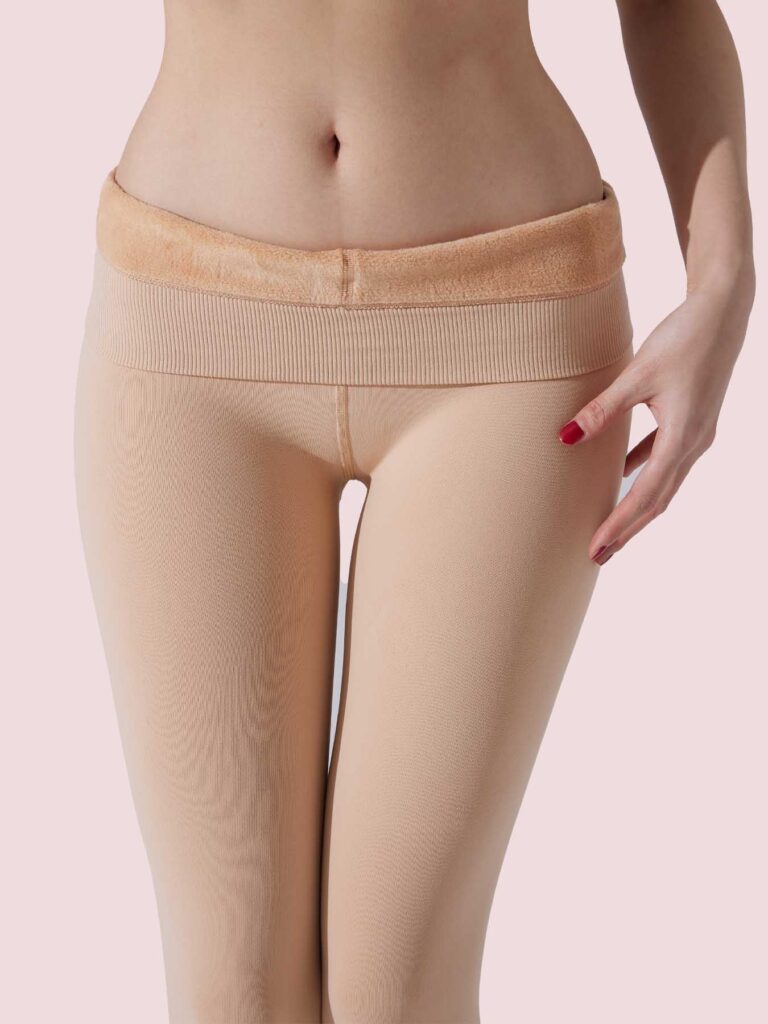
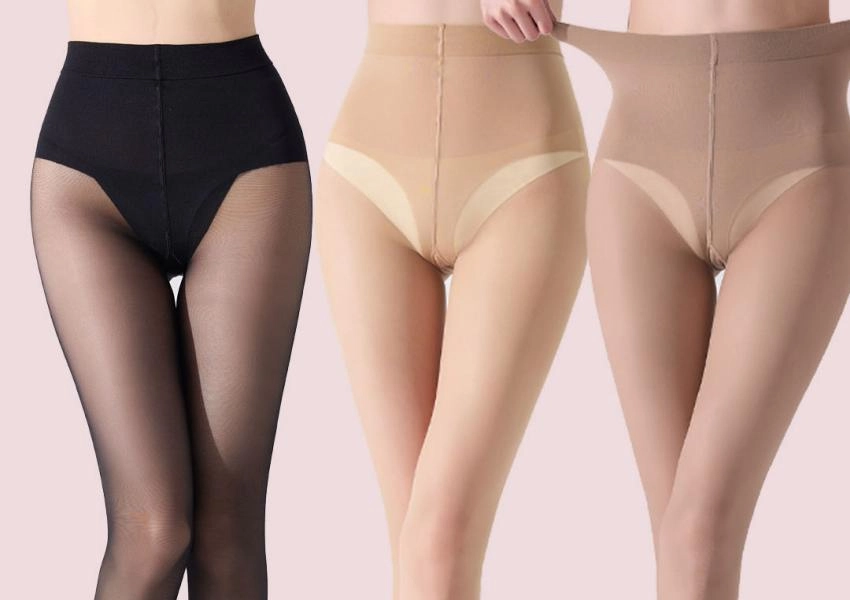
לחגורת טייץ עם גזרה אחידה יש תפקיד אחד שקטה: לחבר את התחתונים למקומם מבלי להפוך לטבעת קשיחה סביב הגוף. כשהיא עובדת, הצרכן בקושי שם לב לכך. כשהיא נכשלת, התלונה מגיעה במהירות. החגורה מתגלגלת, מתבגרת, נמתחת או מחליקה למטה לאחר מספר שעות. עבור קמעונאים, הערות אלו פוגעות ברכישות חוזרות יותר מאשר בבעיית צבע קטנה.
שחזור מותן אינו רק מונח מעבדתי של מפעל. הוא משפיע על ביקורות מידות, שיעורי החזרה, תמונות מוצרים, והאם ניתן למכור גרביונים עם גזרה שליטה כלבישה למשרד, גרביונים מחטבים, בגדי ריקוד או תמיכה יומיומית. קונים זקוקים לשיטת בדיקה פשוטה מספיק לאישור דגימה אך מחמירה מספיק כדי לזהות גומי חלש לפני ייצור בכמות גדולה.
התחל עם הפונקציה של חגורת המותניים
חגורת טייץ עם גזרה שליטה חייבת להימתח מעל הירך, להתיישב במותניים ולחזור קרוב לצורתה המקורית. היא צריכה גם להתאים לאזור הבטן, לאזור המפשעה ולשוק. אם חגורת המותניים חזקה אך הגבהה הקצרה קצרה, המוצר עדיין יכול להתגלגל. אם חגורת המותניים רכה אך חילוף החוטים חלש, הטייץ עלול להחליק גם במשיכה הראשונה.
בחירת החומר חשובה. ניילון מעניק חוזק ועמידות בפני שחיקה. ספנדקס או לייקרה מוסיפים מתיחה והחלמה. תחתוני הבקרה עשויים להשתמש בצפיפות סריגה שונה מזו של גזרת הרגל, לכן יש לבדוק את קו המעבר לאיתור סימני לחץ. בבקרת איכות הגרביים, יש לבחון את ההחלמה יחד עם איכות הסריגה, איכות העיבוד, איכות הצביעה, איכות הגימור ואיכות החיבור.
התאוששות שונה מהידוק
חגורה הדוקה אינה בהכרח חגורה טובה. אחיזה ראשונה חזקה יכולה להפוך לאי נוחות לאחר ישיבה. התאוששות טובה פירושה שהחגורה יכולה להתרחב, להחזיק מעמד ולחזור לאחור מבלי להתכרבל או להתרופף. קל לפספס את ההבדל הזה אם הדגימה נשפטת רק על ידי משיכה ידנית.
בצע בדיקת גמישות בסיסית של חגורת המותניים
ניתן לבצע בדיקת גמישות של רצועת המותניים בצד הקונה לפני שמבקשים דוח מעבדה. מדדו את רוחב רצועת המותניים הרפויה. מתחו אותה לנקודה מוגדרת התואמת את המידה העליונה של טבלת המוצר. החזיקו אותה לזמן קצר, שחררו אותה ומדדו שוב לאחר דקה ואחרי עשר דקות. המספרים אינם צריכים להיות מסובכים, אך עליהם להיות עקביים בין הדגימות.
לדוגמה, ניתן למדוד וללבוש שלושה זוגות מאותו אצוות מדגם. אם אחד חוזר היטב ושניים נשארים מתוחים, הבעיה עשויה להיות גומי לא עקבי, מתח התפירה או קשירת החום. אם שלושתם מתגלגלים לאחר לבישה בישיבה, ייתכן שיהיה צורך לתקן את עיצוב המותניים או את גובה המכנסיים. בדיקת התאוששות של זוג גרביונים לעולם לא צריכה להסתמך על זוג אחד.
קונים שסוקרים נשים 30ד גרביונים עם חלק עליון לשליטה ניתן להשתמש בבדיקה מסוג זה על סגנון עם כיסוי 30D, מבנה שליטה עליון, אצבעות מחוזקות ותנוחה לשימוש יומיומי. הבדיקה צריכה לציין האם רצועת המותן נשארת שטוחה לאחר משיכה, ישיבה ועמידה. האצבע המחוזקת נפרדת משחזור רצועת המותן, אך היא עדיין משפיעה על רושם האיכות הכולל.
הוסף ניסיון ללבוש פשוט
מבחן ללבוש מזהה את מה שסרגל מפספס. בקשו מהלובש המתאים לשבת, ללכת, להתכופף ולעמוד במשך חמש עשרה דקות לפחות. לאחר מכן בדקו האם קצה המותניים מתעקל, לוח הבקרה נמשך למטה או המפשעה יורדת. אם מופיע אחד מאלה, הבעיה לא נפתרת על ידי הידוק המותניים.
בדוק מכחישים שונים ורמות בקרה
גרביונים עם גזרה אחידה נמכרים בכמה רמות דנייר, וכל רמה משנה את התחושה. בד שקוף 20D זקוק למגע קל יותר מאשר בד מחטב כבד יותר. הבד הדק יותר יכול להרגיש מלוטש ללבוש משרדי, אך לחגורה יש פחות כיסוי ויזואלי אם היא מתנפחת. תחתונים כבדים יותר עשויים לתמוך יותר בעיצוב, אך הם יכולים ליצור שוליים גלויים מתחת לבגדים צמודים.
לשכבה יומיומית שקופה, 20ד אוּלְטרָה–שליטה מוחלטת–גרביונים עליונים נותן לקונים התייחסות למראה 20D, אצבעות מחוזקות ולבוש תחתון בעל שליטה מלאה. מוצר מסוג זה זקוק לחגורה שמחזיקה מעמד מבלי להיראות כבד. לסגנון ממוקד עיצוב, גרביונים שקופים לשליטה בטן והרמת ישבן ניתן לסקור בנפרד מכיוון שטענות על עיצוב בטן וירכיים יוצרות ציפיות גבוהות יותר ללחץ.
על הקונה להחליט גם האם המוצר נמכר כגרביונים לתמיכה קלה, שליטה יציבה או הרמת ישבן. טענות אלה אינן זהות. סגנון גרביונים להרמת ישבן עשוי להשתמש במתיחה שונה של הפאנלים וייתכן שיידרש בדיקת התאוששות חזקה יותר לאורך המותניים האחורי וקו הירכיים. אם הטענה חזקה יותר, גם בדיקת המדגם צריכה להיות חזקה יותר.
אל תערבבו טענות ברשלנות
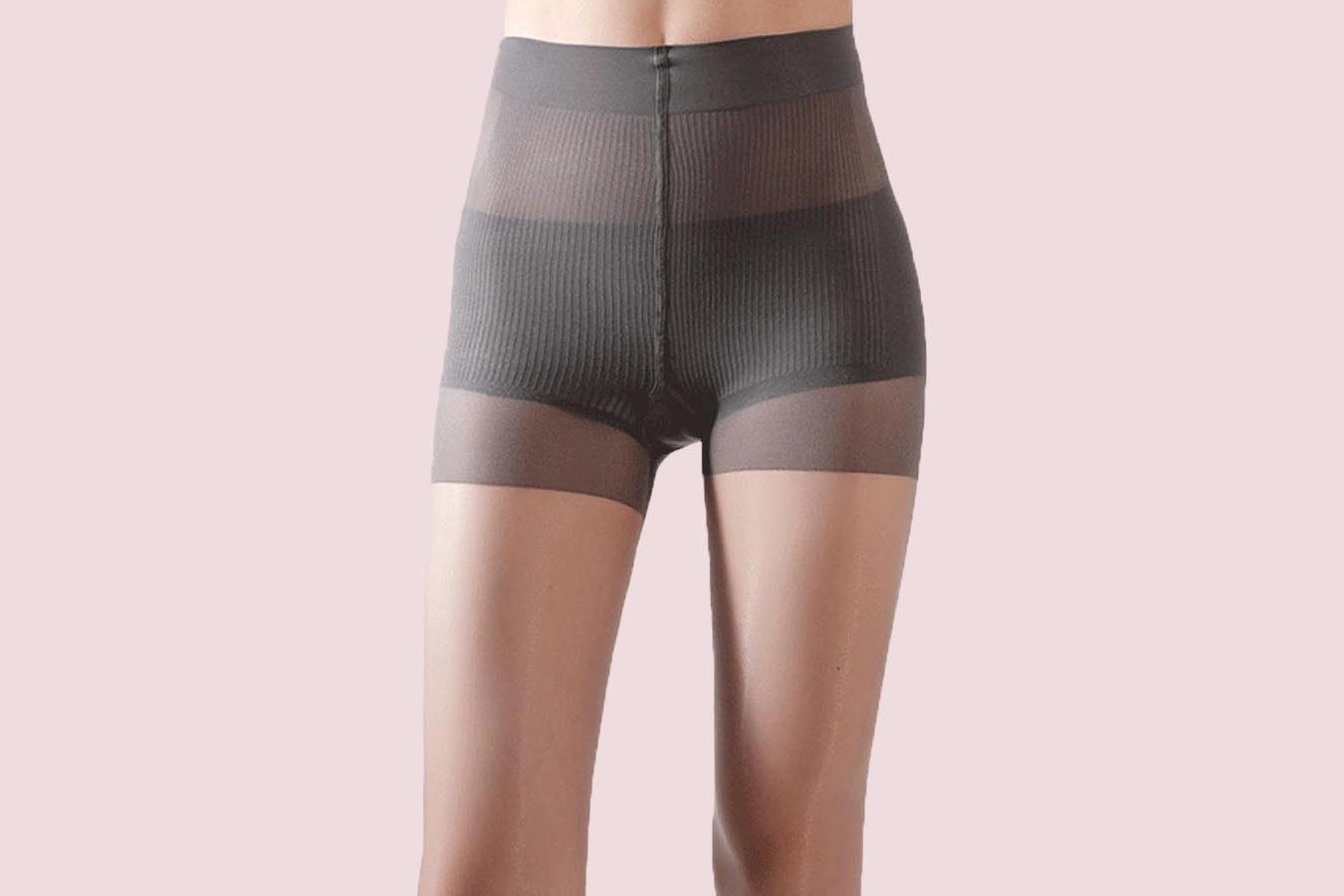
מוצר שנקרא "גרביונים עם שליטה עליונה" יכול להיות גרביונים נוחים ליום יום. מוצר שנקרא "גרביונים להרמת ישבן" מבקש מהלקוח לצפות לעיצוב. רצועת המותניים, המתיחה הקצרה והערות על המודל חייבות לתמוך בטענה שעל האריזה. טענות סותרות לעיתים קרובות יוצרות ביקורות סותרות.
הכנס את בקרת האיכות של הספק לזרימת האישור
יש לשפר את חגורת המותניים של טייץ בגזרה שליטה-טופ בהדרגה. ראשית, יש לאשר את חומר החוט והדנייר. שנית, יש לאשר את רוחב המותניים ואת גומיית הגימור. שלישית, יש לאשר את ההתאמה על עקומת המידה. רביעית, יש לאשר את האריזה, מכיוון שקיפול הדוק יכול לסמן את חגורת המותניים. זוהי גם הנקודה שבה קונים יכולים לבקש חבילת דוגמיות חינם עם מספר אפשרויות לחגורה במקום להסתמך על דוגמית יפה אחת.
ערך הרכש של לסטה בשלבים מאוחרים יותר טמון ביכולת הייצור לחזור על עצמן. סקירה של קונה למַעֲרֶכֶת ניתן להסתכל על כמעט 30 שנות ייצור גרביים, ציוד סריגה איטלקי, קיבולת חודשית של כ-4 מיליון פריטים, כלי בקרת צבע ו-41 מפקחי בקרת איכות. שאלת הקונה צריכה להישאר פרקטית: האם ניתן לחזור על תהליך שחזור חגורת המותניים המאושר במידות, צבעים ואצוות בכמויות גדולות?
סקירת קטגוריות דרך גרביונים עם גזרה אחידה יכול לעזור לצוות הקנייה להשוות את כמות הדנייר, הגימור, סגנון המותניים, חיזוק האצבעות וחוזק העיצוב מבלי לחזור על אותו דף מוצר בכל מאמר או תקציר SKU. עבור עבודה עם מותג פרטי, יש לקשר מידות מותאמות אישית, צבעים, תוויות תלייה, אריזה ותוויות טיפול לתוצאות הבדיקה שאושרו.
שמור זוג ייחוס אחד שאושר
זוג ייחוס אחד שאושר צריך להישאר אצל הקונה ואחד אצל הספק. סמנו את המידה, הדנייר, מידת חגורת המותניים, תוצאת בדיקת המתיחה ותאריך הדגימה. אם המנה הגדולה מרגישה שונה, שני הצדדים יכולים להשוות מול אותו תקן פיזי לפני שהבעיה תהפוך לבעיית החזרה.
שאלות נפוצות
שאלה 1: מהי בדיקת שחזור המותניים הקלה ביותר עבור קונים?
A1: מדדו את רצועת המותניים הרפויה, מתחו אותה לנקודה קבועה, החזיקו אותה, שחררו אותה, ולאחר מכן מדדו את ההתאוששות לאחר דקה ועשר דקות. בדקו יותר מזוג אחד.
שאלה 2: למה גרביונים עם גזרה מתגלגלים במותניים?
A2: סיבות נפוצות כוללות עלייה קצרה, גומי צר, לחץ רב מדי בקו אחד, התאוששות חלשה, דירוג גודל לקוי או לוח בקרה שנמשך כלפי מטה.
שאלה 3: מתי קונים צריכים לבקש חבילת דוגמיות בחינם?
A3: בקשו זאת לפני אישור טבלת המידות, רוחב המותניים, רמת הבקרה והאריזה. יש לכלול יותר ממידה אחת ויותר מרמת בקרה אחת.