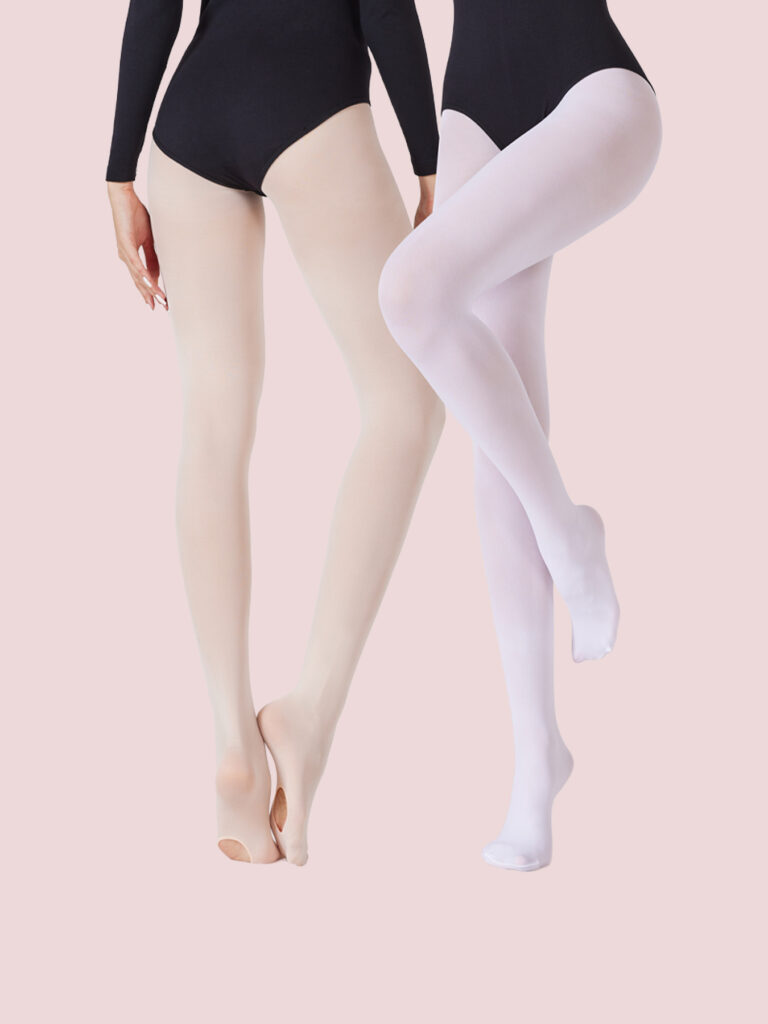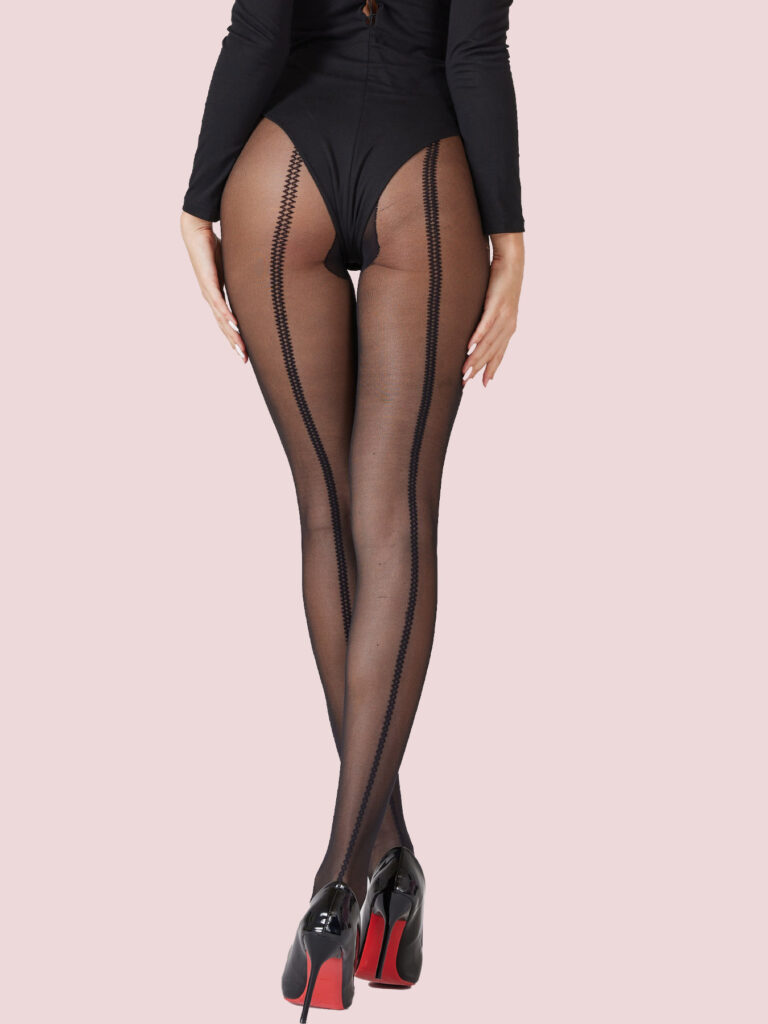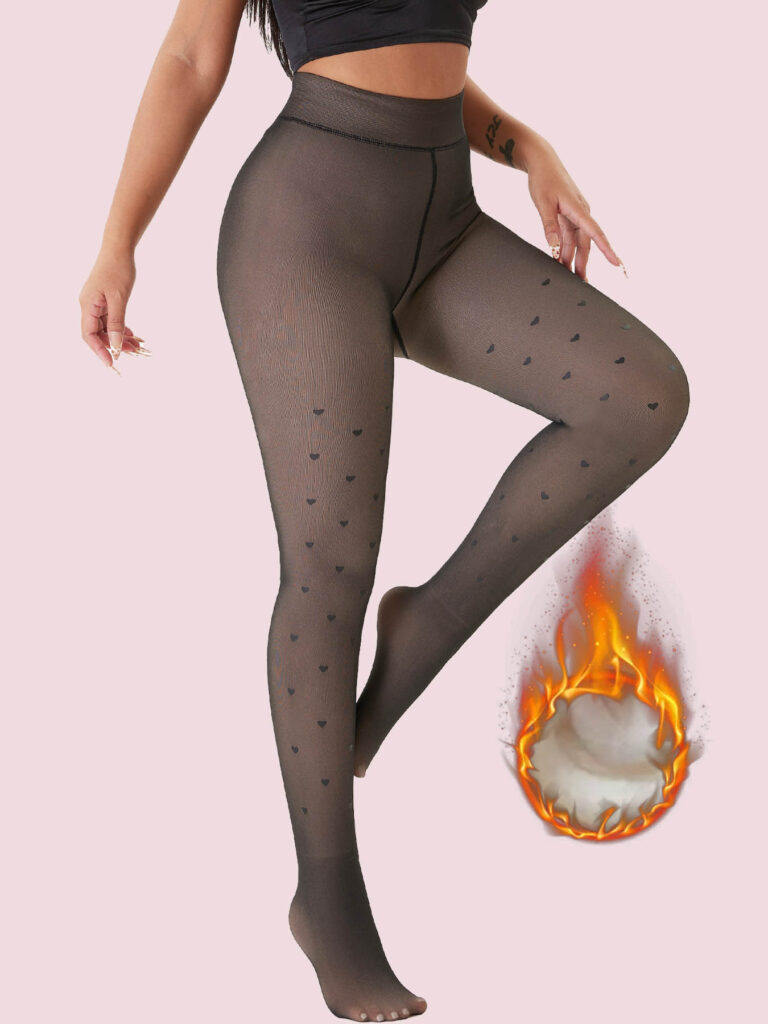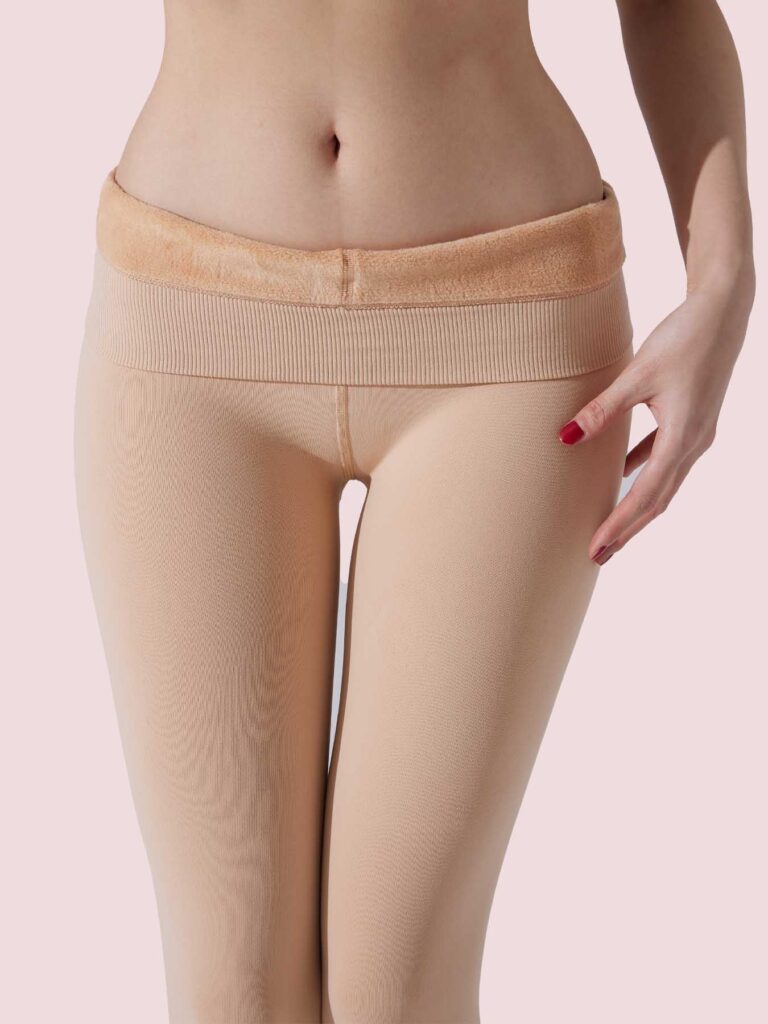
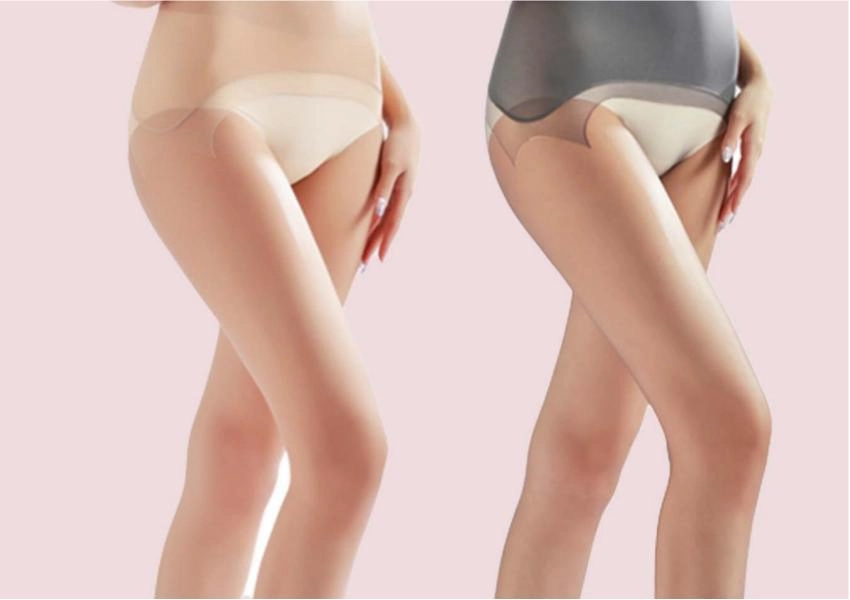
A reliable seamless tights supplier is not verified by a polished catalog alone. Seamless hosiery is easy to describe and harder to repeat. The first sample can look clean, then the bulk lot arrives with a rolling waist, cloudy color, poor recovery, or a crotch that pulls under tension. Buyers need a verification process that tests the factory behind the product, not only the product photo.
For private labels and wholesale hosiery buyers, the stakes are practical. Seamless tights usually carry a comfort promise. If that promise fails, customers often leave reviews about slipping, digging, or awkward fit. A supplier check should cover sample behavior, knitting capability, raw materials, dyeing control, inspection, labeling, and reorder support.
Verify the Product Claim Before the Factory Claim
Start with the word “seamless.” Ask the supplier which part is seamless: crotch, brief, waistband, toe, or general upper construction. A seamless crotch can reduce rubbing, while an invisible waistband addresses a different customer concern. If the supplier cannot explain the construction clearly, the product claim may be too loose for private label use.
The sample should be worn, not only stretched by hand. Check the waist after sitting, the crotch gusset after walking, the knee after bending, and the toe after pull-on. Seamless tights are built from interlocking knitted loops, and stable yarn feeding helps keep loop length consistent. If tension is uneven, the garment may look smooth in a flat photo but behave differently on the body.
Ask for a Product Map
A simple product map helps. It should mark denier, yarn blend, seamless area, waistband width, crotch gusset construction, toe style, color options, size range, and packaging type. Buyers looking at seamless tights can use several product references to compare whether the supplier treats seamless as a construction detail or a broad marketing word.
Check Machines, Materials, and Process Control
A tights factory should be able to connect equipment and raw materials to the finished product. Nylon supports abrasion resistance. Spandex and Lycra support elastic,compression, and shape retention. Core-spun yarn can help achieve high transparency in sheer pantyhose. Microfiber and velvet can improve softness and warmth. These material choices affect whether seamless tights feel smooth after several wears.
Knitting capability also matters. Modern hosiery production depends on consistent loop formation, stable yarn feeding, machine settings, and style-specific adjustment. A supplier with a large machine base is not automatically better, but it should be able to explain which machine type suits the denier, texture, and seamless structure the buyer wants.
For a fashion-texture example, diamond–mesh jacquard seamless pantyhose gives buyers a different check from plain sheer seamless tights. The product combines jacquard texture, stretch, breathability, and a figure-flattering direction, so the buyer should look at both visual pattern clarity and comfort. A reliable hosiery supplier can explain how the pattern and seamless fit are controlled together.
Do Not Skip Dyeing and Finishing
Dyeing and finishing can change both appearance and handfeel. Color approval should include hue, depth, final finish, and post-dyeing confirmation. Fewer dye combinations are easier to control, and finished samples matter more than unfinished fabric. Seamless tights with poor finishing can feel dry, look cloudy, or reveal stress marks.
Review QC Evidence in a Buyer-Friendly Way
A good supplier does not need to drown the buyer in paperwork. It should provide the right evidence: pre-production sample approval, color standard, size tolerance, waistband recovery check, visual inspection points, packaging approval, and bulk inspection method. Hosiery quality risks include knitting quality, processing quality, dyeing quality, finishing quality, and attachment quality. Seamless products touch all of these areas.
A buyer reviewing Laseta can look at Laseta’s nearly 30 years of hosiery production, 50,940 sqm factory area, 35,000 sqm plant, 573 employees, Italian Lonati machines, small circular knitting machines, and 41 QC inspectors. Certifications including ISO9001, BSCI, WRAP, OEKO-TEX100, and ISO14000 can support the supplier review when they match the buyer’s market requirements.
The point is not to collect every certificate. The point is to confirm whether the supplier can repeat the same seamless fit, color, and packaging across bulk orders. A pantyhose supplier that cannot hold the approved waistband or crotch construction will create more work for the retailer after launch.
Ask for the Same Test Across Sizes
One mid-size sample is not enough. Buyers should request a free sample pack with at least one lower size, one upper size, and one final package sample. Seamless fit often fails at the top of the size range, where rise, hip allowance, and waistband recovery are under more pressure.
Confirm Private Label and Reorder Support
Private label growth depends on details after the sample looks good. The supplier should handle the logo, color, packaging, hang tags, care labels, size grading, and master carton markings without changing the approved construction. OEM and ODM hosiery service is useful when the buyer needs custom fabrics, sizes, colors, or packaging. The brief should name what cannot change after approval.
The same discipline should apply to communication during sample rounds. A supplier that answers only with general promises is difficult to audit. A better partner can send sample notes, explain why one yarn was chosen over another, and point out where a buyer’s requested price may conflict with recovery, sheerness, or waistband comfort. That kind of early warning is valuable because it prevents a weak product from reaching the shelf.
For wholesale hosiery programs, buyers should also ask how damaged cartons, shade drift, or size complaints are handled after shipment. A reliable supplier will have a clean route for checking the issue, comparing it with the approved sample, and deciding whether the problem came from production, packaging, storage, or wrong product positioning.
Wholesale buyers also need to ask about stock depth, replenishment timing, and order response. Laseta’s distribution materials describe warehouse depth, broad stock coverage, and fast shipment support for distribution-style demand. For retailers, wholesale and distribution support can matter when a seamless tights test begins to sell and the next problem becomes replenishment, not sample quality.
A reliable hosiery supplier should welcome a tighter approval process. The buyer can request a free sample pack, confirm the product map, run the wearer test, review QC evidence, and then move into packaging and order planning. That sequence is slower than picking a catalog photo, but it protects the launch.
FAQ
Q1: What proves a seamless tights supplier is reliable?
A1: Reliable proof includes worn samples, clear construction details, repeatable size grading, QC checks, certificates fit for the market, and stable reorder support.
Q2: What should buyers test first?
A2: Test the seamless area, waistband recovery, crotch comfort, knee recovery, toe strength, color consistency, and packaging marks before discussing a large order.
Q3: When should buyers request a free sample pack?
A3: Request it before supplier approval and again before a new size, color, denier, or packaging change enters bulk production.