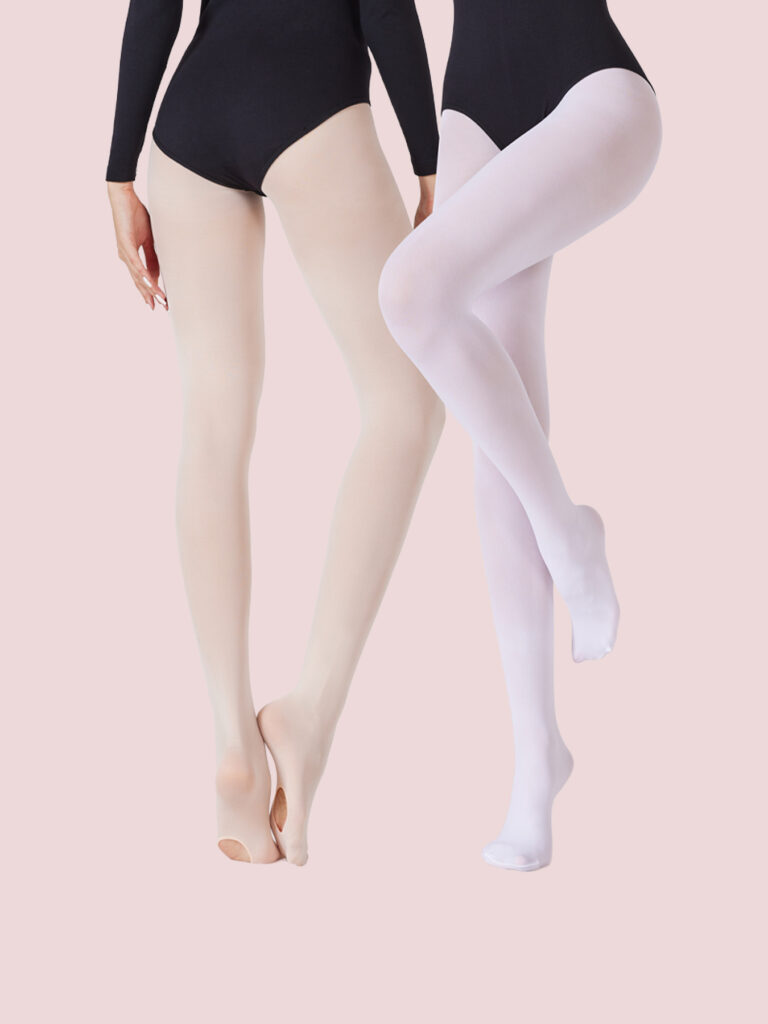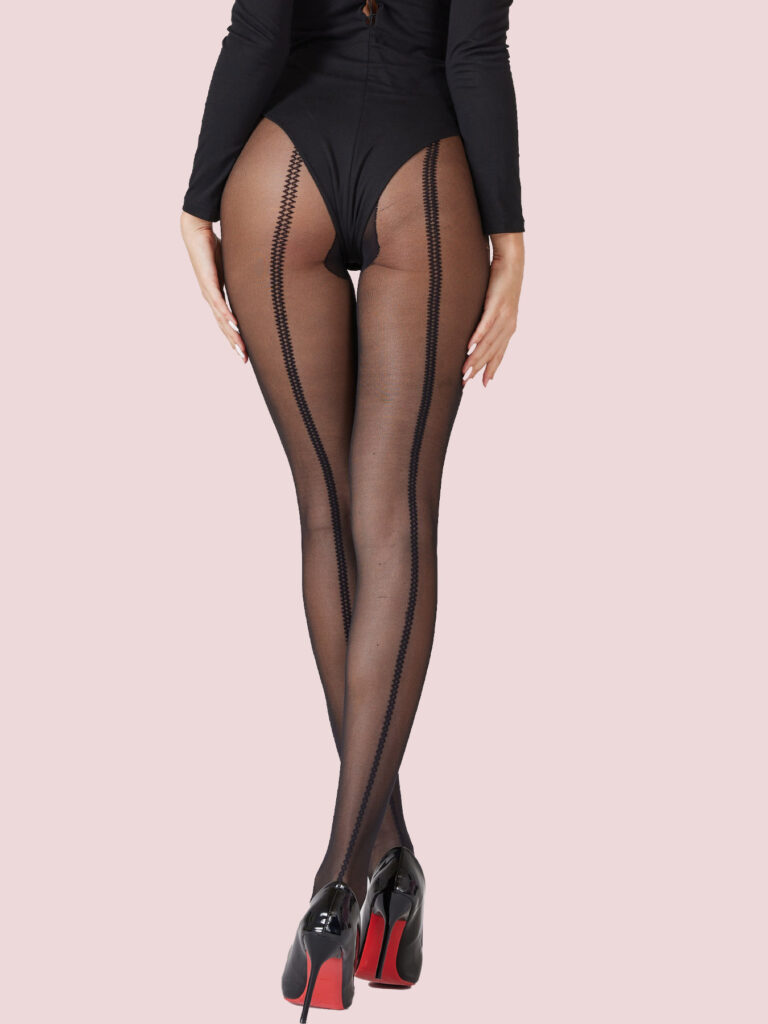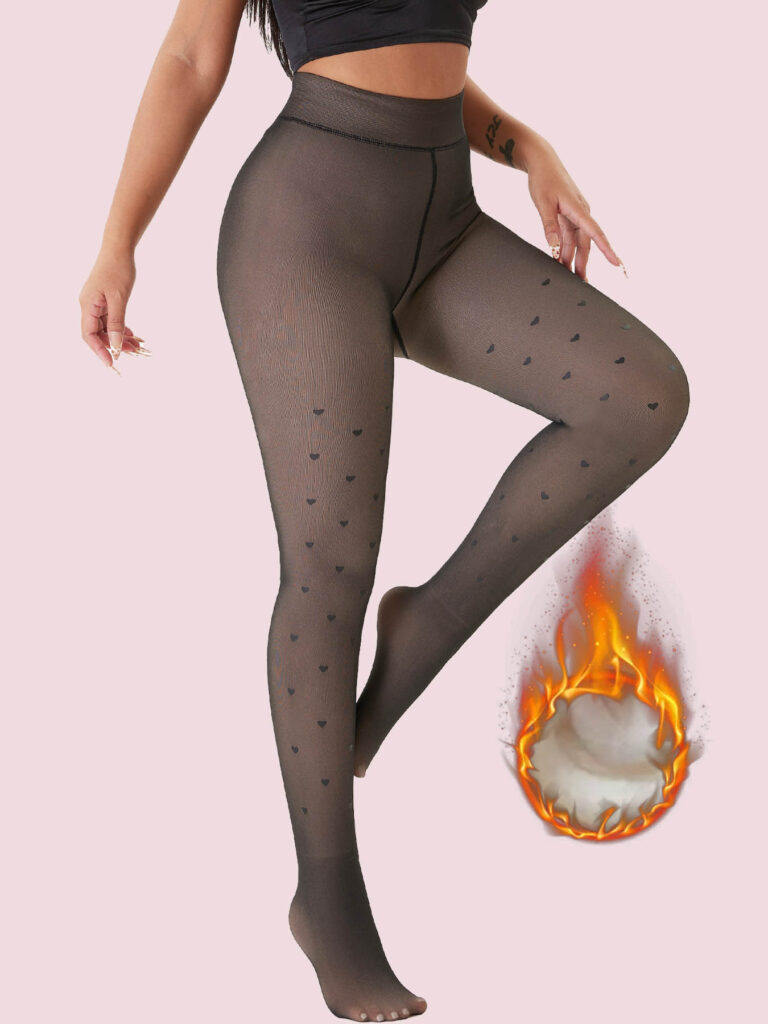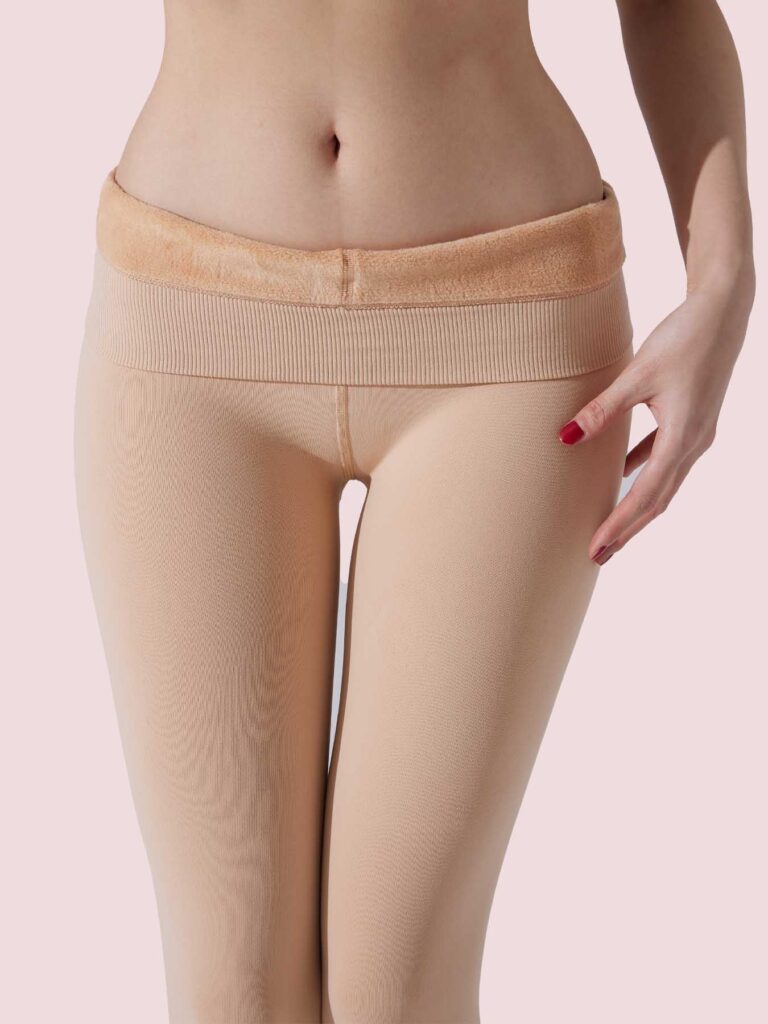
Ein zuverlässiger Lieferant nahtloser Strumpfhosen lässt sich nicht allein durch einen professionellen Katalog auszeichnen. Nahtlose Strumpfwaren sind leicht zu beschreiben, aber schwer zu reproduzieren. Das erste Muster mag makellos aussehen, doch die Großlieferung kann mit einem eingerollten Bund, trüber Farbe, mangelnder Formbeständigkeit oder einem unter Spannung spannenden Schritt einhergehen. Käufer benötigen daher ein Prüfverfahren, das nicht nur das Produktfoto, sondern auch die Produktionsstätte selbst testet.
Für Eigenmarken und Großhändler von Strumpfwaren stehen praktische Aspekte im Vordergrund. Nahtlose Strumpfhosen werden üblicherweise mit einem Komfortversprechen beworben. Wird dieses Versprechen nicht eingehalten, berichten Kundinnen und Kunden häufig über Verrutschen, Einschneiden oder unbequeme Passform. Eine Lieferantenprüfung sollte daher das Verhalten von Mustern, die Strickkapazitäten, die Rohmaterialien, die Färbekontrolle, die Qualitätskontrolle, die Etikettierung und die Unterstützung bei Nachbestellungen umfassen.
Prüfen Sie die Produktreklamation vor der Herstellerreklamation.
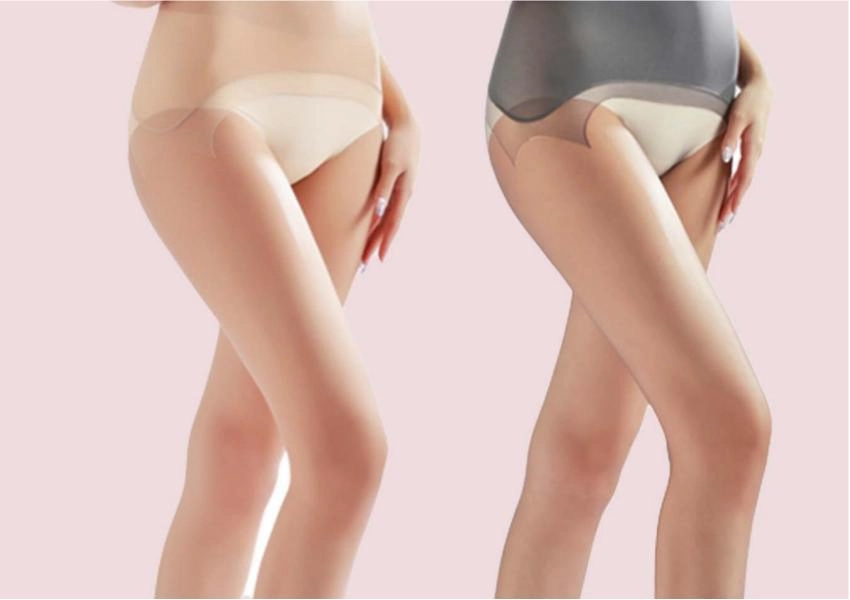
Beginnen Sie mit dem Begriff „nahtlos“. Fragen Sie den Lieferanten, welcher Teil nahtlos ist: Schritt, Slip, Bund, Zehenbereich oder die gesamte obere Verarbeitung. Ein nahtloser Schritt kann Reibung reduzieren, während ein unsichtbarer Bund ein anderes Kundenbedürfnis erfüllt. Kann der Lieferant die Konstruktion nicht klar erklären, ist die Produktaussage möglicherweise zu vage für die Verwendung unter Eigenmarken.
Das Muster sollte getragen und nicht nur von Hand gedehnt werden. Prüfen Sie den Bund nach dem Sitzen, den Zwickel im Schritt nach dem Gehen, das Knie nach dem Beugen und die Zehenpartie nach dem Anziehen. Nahtlose Strumpfhosen bestehen aus ineinandergreifenden Maschen, und eine gleichmäßige Garnführung sorgt für eine gleichbleibende Maschenlänge. Bei ungleichmäßiger Spannung kann das Kleidungsstück auf einem Foto glatt aussehen, sich aber am Körper anders verhalten.
Produktübersicht anfordern
Eine einfache Produktübersicht ist hilfreich. Sie sollte Denierzahl, Garnmischung, nahtlose Bereiche, Bundweite, Zwickelkonstruktion im Schritt, Zehenform, Farboptionen, Größenbereich und Verpackungsart angeben. Käufer, die sich für nahtlose Strumpfhosen Man kann anhand mehrerer Produktreferenzen vergleichen, ob der Lieferant „nahtlos“ als Konstruktionsdetail oder als allgemeinen Marketingbegriff betrachtet.
Maschinen, Materialien und Prozesssteuerung prüfen
Eine Strumpfwarenfabrik sollte in der Lage sein, Anlagen und Rohmaterialien mit dem fertigen Produkt zu verbinden. Nylon sorgt für Abriebfestigkeit. Spandex und Lycra gewährleisten Elastizität, Kompression und Formbeständigkeit. Kerngesponnenes Garn ermöglicht eine hohe Transparenz bei Feinstrumpfhosen. Mikrofaser und Samt verbessern Weichheit und Wärme. Die Materialwahl beeinflusst, ob sich nahtlose Strumpfhosen auch nach mehrmaligem Tragen noch angenehm weich anfühlen.
Auch die Strickleistung ist entscheidend. Die moderne Strumpfwarenproduktion erfordert eine gleichmäßige Maschenbildung, einen stabilen Garntransport, präzise Maschineneinstellungen und modellspezifische Anpassungen. Ein Lieferant mit einem großen Maschinenpark ist nicht automatisch besser, sollte aber erklären können, welcher Maschinentyp am besten zu den gewünschten Denier-Werten, der Textur und der nahtlosen Verarbeitung passt.
Ein Beispiel für eine modische Textur: Diamant–Nahtlose Strumpfhose aus Mesh-Jacquard Diese Strumpfhose bietet Käufern ein anderes Tragegefühl als schlichte, transparente und nahtlose Modelle. Sie vereint Jacquard-Struktur, Dehnbarkeit, Atmungsaktivität und eine figurschmeichelnde Passform. Käufer sollten daher sowohl auf die klare Optik des Musters als auch auf den Tragekomfort achten. Ein zuverlässiger Strumpfwarenhändler kann Ihnen erklären, wie Muster und nahtlose Passform optimal aufeinander abgestimmt sind.
Färben und Veredeln nicht auslassen
Färben und Veredeln können Aussehen und Haptik verändern. Die Farbfreigabe sollte Farbton, Farbtiefe, Endfinish und die Bestätigung nach dem Färben umfassen. Weniger Farbkombinationen sind leichter zu kontrollieren, und fertige Muster sind aussagekräftiger als unfertige Stoffe. Nahtlose Strumpfhosen mit mangelhafter Veredelung können sich trocken anfühlen, trüb wirken oder Druckstellen aufweisen.
Qualitätskontrollnachweise auf käuferfreundliche Weise prüfen
Ein guter Lieferant muss den Käufer nicht mit Papierkram überhäufen. Er sollte die richtigen Nachweise liefern: Freigabe von Vorproduktionsmustern, Farbnormen, Größentoleranzen, Überprüfung der Bundform, Sichtprüfungspunkte, Verpackungsfreigabe und Prüfverfahren für die Massenware. Zu den Qualitätsrisiken bei Strumpfwaren zählen Strickqualität, Verarbeitungsqualität, Färbequalität, Endbearbeitungsqualität und Nahtqualität. Nahtlose Produkte berühren all diese Bereiche.
Ein Käufer bewertet LSatz Laseta verfügt über fast 30 Jahre Erfahrung in der Strumpfwarenproduktion, eine Fabrikfläche von 50.940 m², eine Produktionsfläche von 35.000 m², 573 Mitarbeiter, italienische Lonati-Maschinen, kleine Rundstrickmaschinen und 41 Qualitätskontrolleure. Zertifizierungen wie ISO 9001, BSCI, WRAP, OEKO-TEX® Standard 100 und ISO 14000 unterstützen die Lieferantenbewertung, sofern sie den Marktanforderungen des Käufers entsprechen.
Es geht nicht darum, jedes Zertifikat zu sammeln. Vielmehr geht es darum, sicherzustellen, dass der Lieferant auch bei größeren Bestellmengen die gleiche, nahtlose Passform, Farbe und Verpackung gewährleisten kann. Ein Strumpfhosenlieferant, der die genehmigte Bund- oder Schrittkonstruktion nicht einhalten kann, verursacht dem Einzelhändler nach der Markteinführung zusätzlichen Aufwand.
Fordern Sie denselben Test für alle Größen an.
Ein mittelgroßes Muster reicht nicht aus. Käufer sollten ein kostenloses Musterpaket mit mindestens einer kleineren, einer größeren und einer größeren Größe anfordern. Die nahtlose Passform ist oft bei den größeren Größen problematisch, da dort Bundhöhe, Hüftweite und Rücksprungkraft stärker beansprucht werden.
Bestätigung der Unterstützung für Eigenmarken und Nachbestellungen
Das Wachstum von Eigenmarken hängt von den Details ab, nachdem das Muster positiv bewertet wurde. Der Lieferant sollte Logo, Farbe, Verpackung, Anhängeetiketten, Pflegeetiketten, Größenklassifizierung und Umkartonmarkierungen ohne Änderung der genehmigten Konstruktion übernehmen. OEM Und ODM Strumpfwarenservice Dies ist hilfreich, wenn der Käufer spezielle Stoffe, Größen, Farben oder Verpackungen wünscht. Im Briefing sollte festgelegt werden, was nach der Genehmigung nicht mehr geändert werden darf.
Die gleiche Disziplin sollte auch für die Kommunikation während der Musterrunden gelten. Ein Lieferant, der nur allgemeine Versprechungen macht, lässt sich schwer überprüfen. Ein besserer Partner kann Musternotizen senden, erläutern, warum ein bestimmtes Garn ausgewählt wurde, und aufzeigen, wo der vom Käufer gewünschte Preis mit den Anforderungen an Rücksprungkraft, Transparenz oder Tragekomfort des Bundes kollidieren könnte. Solche frühzeitigen Warnungen sind wertvoll, da sie verhindern, dass ein minderwertiges Produkt in den Handel gelangt.
Bei Großhandelsprogrammen für Strumpfwaren sollten Käufer auch nachfragen, wie beschädigte Kartons, Farbabweichungen oder Größenreklamationen nach dem Versand gehandhabt werden. Ein zuverlässiger Lieferant verfügt über einen transparenten Prozess zur Überprüfung des Problems, zum Vergleich mit dem freigegebenen Muster und zur Feststellung, ob der Fehler in der Produktion, der Verpackung, der Lagerung oder durch eine falsche Produktplatzierung entstanden ist.
Großhändler sollten sich außerdem nach Lagerbestand, Nachlieferungszeiten und Auftragsabwicklung erkundigen. Die Vertriebsunterlagen von Laseta beschreiben die Lagerkapazität, die breite Warenabdeckung und die schnelle Versandunterstützung für den Bedarf im Distributionsbereich. Für Einzelhändler gilt Folgendes: Unterstützung im Großhandel und Vertrieb Das kann von Bedeutung sein, wenn ein Test von nahtlosen Strumpfhosen beginnt, sich gut zu verkaufen, und das nächste Problem die Nachbestellung und nicht die Musterqualität ist.
Ein zuverlässiger Strumpfwarenlieferant sollte einen strengeren Genehmigungsprozess begrüßen. Der Käufer kann ein kostenloses Musterpaket anfordern, die Produktvorlage bestätigen, den Tragetest durchführen, die Qualitätskontrollnachweise prüfen und anschließend die Verpackung und Auftragsplanung in Angriff nehmen. Dieses Vorgehen ist zwar langsamer als die Auswahl eines Katalogfotos, schützt aber den erfolgreichen Marktstart.
Häufig gestellte Fragen
Frage 1: Woran erkennt man einen zuverlässigen Lieferanten von nahtlosen Strumpfhosen?
A1: Zuverlässige Nachweise umfassen abgenutzte Muster, klare Konstruktionsdetails, wiederholbare Größenklassifizierung, Qualitätskontrollen, marktgerechte Zertifikate und eine stabile Nachbestellungsabwicklung.
Frage 2: Was sollten Käufer zuerst testen?
A2: Vor der Besprechung einer Großbestellung sollten Sie den nahtlosen Bereich, die Rückstellkraft des Bunds, den Tragekomfort im Schritt, die Rückstellkraft im Kniebereich, die Zehenfestigkeit, die Farbkonsistenz und die Verpackungsspuren prüfen.
Frage 3: Wann sollten Käufer ein kostenloses Musterpaket anfordern?
A3: Fordern Sie die Genehmigung vor dem Lieferanten und erneut an, bevor eine neue Größe, Farbe, Denierzahl oder Verpackungsänderung in die Serienproduktion geht.