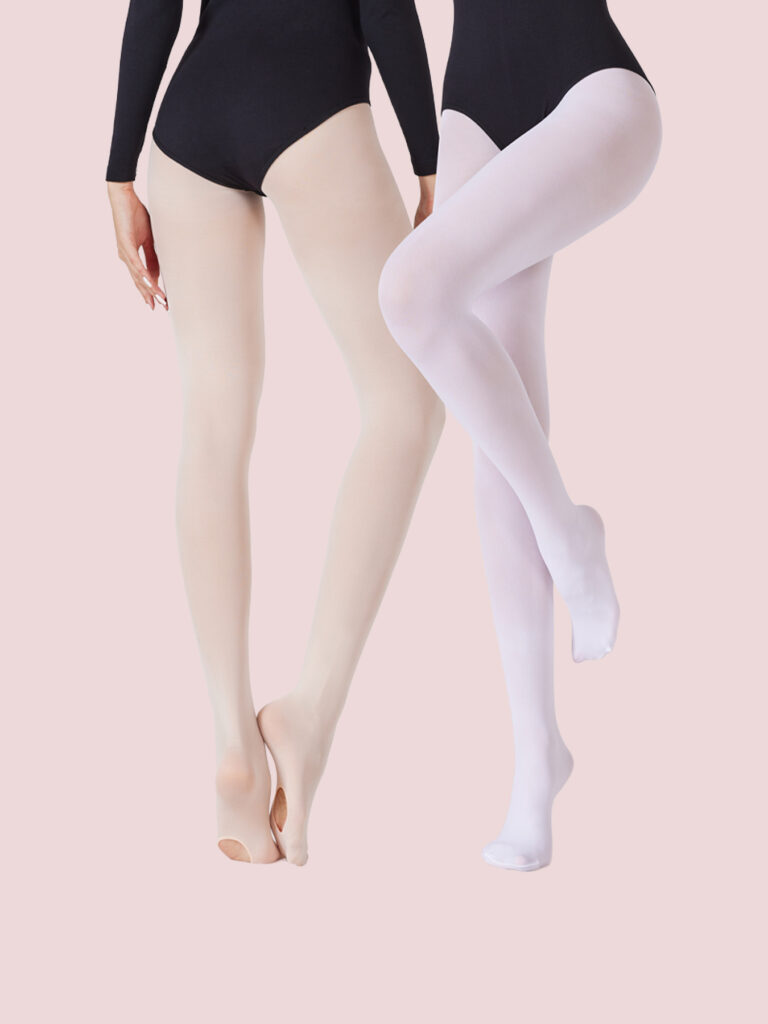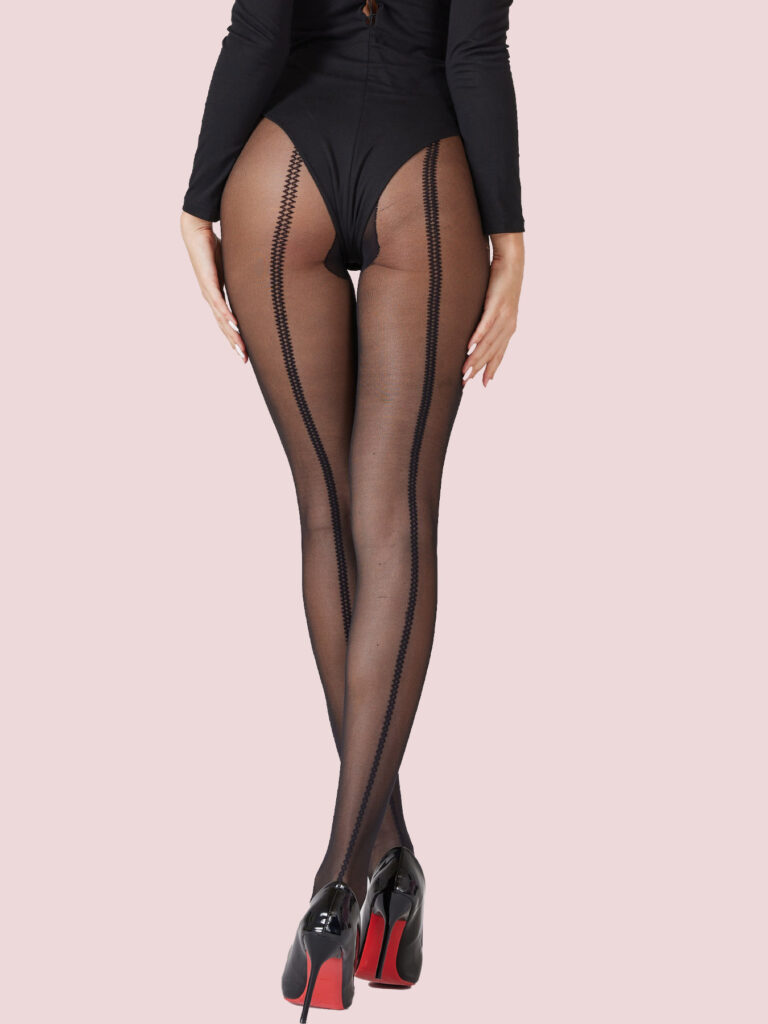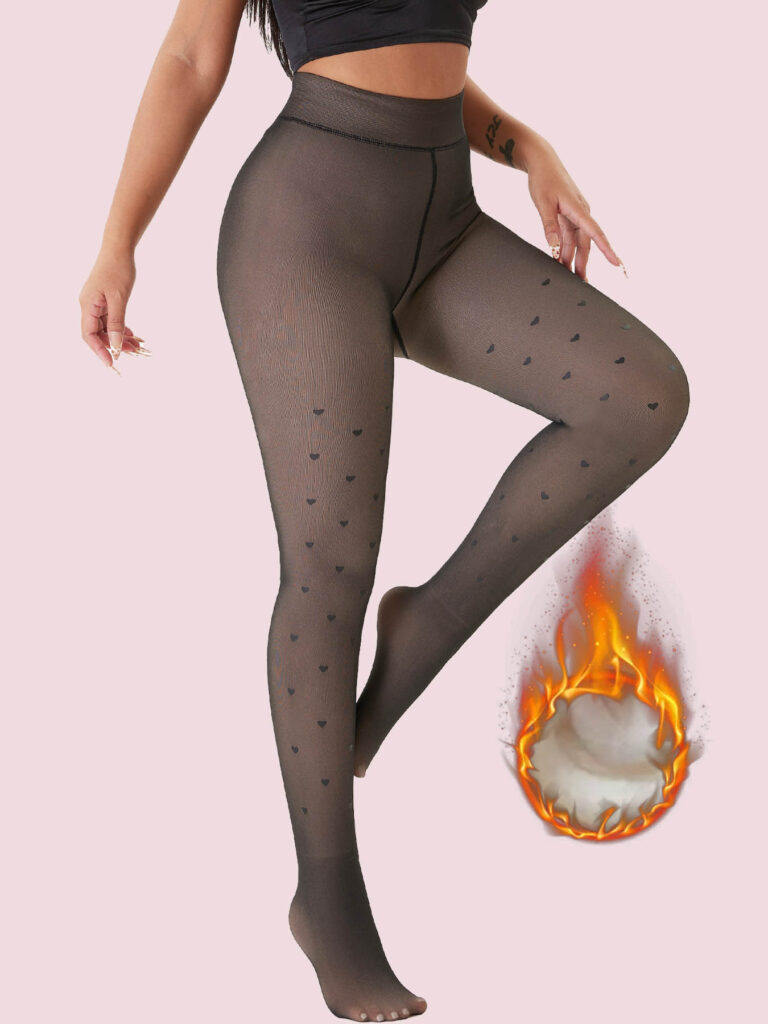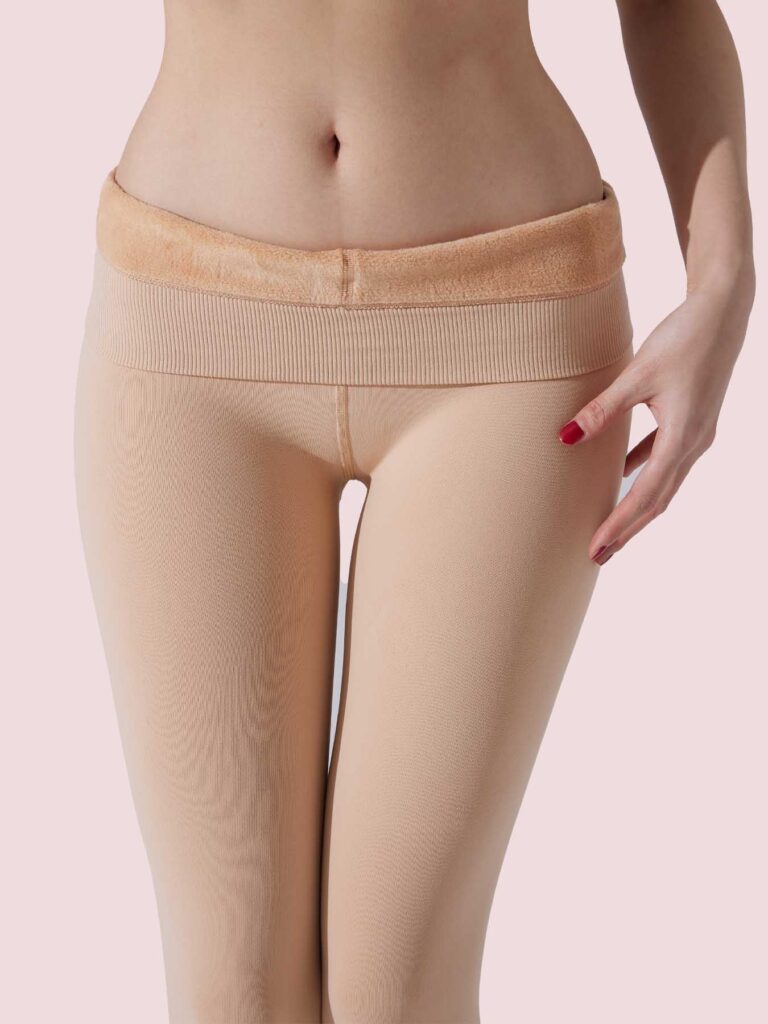

Returns on seamless tights rarely begin at the returns desk. They begin much earlier, when a listing uses a broad comfort claim, a package gives only a vague size range, or a sample is approved without checking what the finished bulk product will look and feel like. Seamless construction can make a pair smoother under clothing, but it does not remove the need for accurate sizing, clear coverage expectations, careful finishing, and honest product information.
For a retail buyer, the useful goal is not to find one magic “no return” feature. It is to remove avoidable surprises. The consumer should know how sheer the leg is, how high the waist sits, what size information matters, and whether the pair is a light everyday style or a more structured high-waist design. When the product received matches that expectation, seamless returns become easier to control.
Laseta is a direct hosiery manufacturer specializing in pantyhose, tights, stay-ups, knee highs, sheer socks, and related legwear for wholesale, private label, OEM, and ODM projects. Backed by more than 25 years of hosiery production experience, Laseta integrates key processes including knitting, sewing, dyeing, finishing, inspection, and packaging, supported by 530+ Italian Lonati machines and a monthly capacity of up to 4 million pairs. The factory also supports customization in yarn, denier, size grading, colors, patterns, labels, logos, and packaging, making Laseta suitable for brands, distributors, and retailers that need both scalable bulk production and customized hosiery development.
Start by Sorting the Return Reasons
Do not put every complaint under “poor fit.” That label hides the action needed to improve the next order. A consumer may return a pair because the waist feels tight, the crotch gusset sits too low, the shade differs from the photo, the leg looks sheerer than expected, or a pattern feels different from the listing. These are not all the same problem.
Create Simple Return Codes
Use a small set of store and e-commerce codes: size too small, size too large, waist position, crotch gusset position, leg coverage, shade or color, surface or pattern, damage, and packaging information. Add a short free-text note so customer service can capture details that a code misses. “Waist rolled after sitting” tells a buyer more than “uncomfortable.”
Review the codes by SKU, size, color, and lot where that information is available. A rise problem may appear mainly in the upper sizes. A color issue may appear in one dye lot. A complaint about thinness may show that the product page did not explain a 15D construction clearly. The return pattern points to the correction; a total return number does not.
Separate Product Faults From Expectation Gaps
Hosiery quality includes construction and appearance, but the retail message has a role too. A seamless sheer tight can be well made and still disappoint a consumer who expected opaque coverage. A high waist can be correct for the product but feel wrong when the pack gives no waist-height cue.
Le collants sans couture à imprimé rose example shows why product identity matters. A patterned tight needs imagery that makes the pattern’s scale and base coverage visible. The same rule applies to invisible waistband tights: show the waistband, state the intended rise, and avoid treating “seamless” as a promise that every wearer will feel the same result.
Make the Size Chart Work Before Checkout
Pantyhose sizing needs more than height. Height is useful, but hip measurement, body proportions, and intended waist position all affect the way a seamless pair sits. A consumer at the edge of a range should not have to guess whether stretching further will make the leg more transparent or pull the crotch gusset down.
Show Measurements That Match the Garment
For each SKU, the buyer should know the laid-flat waistband, the stretch range used for approval, front rise, back rise, leg length, and the product’s recommended body measurements. The consumer chart can stay simple, but it should include the measurements that influence tights’ fit. For high-waist styles, height and hip information together are generally more useful than height alone.
Le 15D extra-large seamless tights product direction is a useful reminder that larger-size development needs its own fit review. Extending leg length alone is not enough. The upper body, rise, waistband circumference, and crotch gusset room all need to be checked in the actual intended size range.
Add Boundary Guidance
When a customer is at the limit of a size, the page or pack should give clear selection guidance based on the approved fit. That does not mean pushing every customer to size up. It means telling them what measurement should decide the choice. A buyer can test the chart with people near the lower and upper boundaries, then record whether the stated advice matches real wear.
Demandez un échantillon gratuit pack before finalizing a chart. Ask testers to put the pair through normal use: walking, seated work, stairs, bending, and changing shoes. The point is not an elaborate laboratory test. It is to find the moments when the retail promise is tested.
Approve the Finished Product, Not a Partial Sample
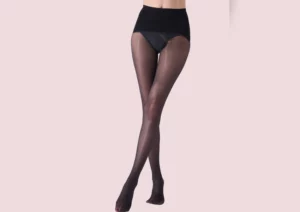
Seamless pantyhose move through knitting, dyeing, heat setting, boarding, inspection, folding, and packing. Each stage can change the finished result. Heat setting helps stabilize dimensions and elasticity, while dyeing and boarding affect appearance and feel. An early knitting sample is useful for design direction, but it should not be the final approval standard for a retail program.
Compare Several Pairs, Not One
Pull several completed pairs from the approval lot. Compare relaxed dimensions, recovery after stretch, leg length, waistband height, crotch gusset construction, shade, and surface consistency. Visual and dimensional inspection should happen after finishing, because that is the condition in which customers will receive the product.
Nylon helps with strength and a smooth surface. Elastane provides elasticity, compression, and shape retention. The yarn specification matters, but the finished behavior also depends on knitting tension and treatment. If one sample returns neatly after stretch and another remains looser, the buyer needs that variation investigated before bulk packing.
Le transparent seamless stockings option can be used as a fine-leg reference when a buyer is checking how much coverage to promise. For a sheer product, tiny differences in stretch and dyeing can look more obvious against skin. Check the finished leg under the same light used for product photography and in the sizes that will be sold.
Use Packaging and Content to Set the Right Expectation
The package should make the basic purchase facts easy to find: denier or coverage direction, color, size, waistband or rise description, toe detail where relevant, care information, and the number of pairs. A consumer who has to infer all of that from a stylized front image is more likely to be surprised.
Match the Photos to the Actual SKU
Use images of the same color and construction, not a visual substitute from another denier. Include a full-leg view, a close view of the surface, and a useful view of the upper construction when it is part of the product proposition. Retouching should not erase the real sheerness or change the shade family.
Le 20D high-waist seamless tights illustrate how product copy needs to distinguish a high-waist construction from a standard waist. A customer should be able to see where the waist is expected to sit and what the style is intended to do. Specific wording reduces the risk that a consumer assumes firm control from a high-rise silhouette alone.
Protect the Pair in the Pack
Fine hosiery can be damaged or marked before sale by rough card edges, poor folding, or loose accessories in the bag. Check the pack proof with a finished pair inside. Confirm that it keeps the product clean, that the size label remains visible, and that the fold does not create a misleading crease in the retail image.
Turn Feedback Into the Next Purchase Order
Lensemble can support a buyer working through yarn, denier, color, size, logo, packaging, and quality-check requirements. Laseta’s process includes knitting, dyeing, finishing, and inspection, so the buyer can connect a return pattern to a specific point in the product brief rather than asking for a generic improvement.
For the next order, send the supplier a short return summary with samples or photos where possible. State the affected size, lot, complaint code, product condition, and the exact customer wording. Ask whether the correction belongs in the size chart, rise, yarn selection, knitting tension, finishing, packaging, or listing. Then request a free sample pack when the proposed change could affect fit, coverage, color, or presentation.
The practical lesson is modest. Returns cannot be reduced by blaming consumers for choosing the wrong size. They come down when the product, the information around it, and the finished bulk pair tell the same story.
FAQ
Q1: What is the most useful return code for seamless tights?
A1: Use specific codes such as waist position, crotch gusset position, leg coverage, size too small, size too large, shade, damage, and packaging information. Specific codes make recurring problems easier to trace.
Q2: Should a tights size chart only use height and weight?
A2: No. Height and hip guidance are more useful for most pantyhose sizing. For high-waist styles, the approved rise and waistband position also need to be reflected in the product information.
Q3: When should a buyer request another seamless tights sample?
A3: Request another finished sample whenever the supplier changes the yarn, denier, size grade, rise, waistband, dye lot direction, finishing route, or packaging method in a way that could change customer expectations. For more information, please contact us.