The fastest way to make a control-top range hard to sell is to give every pair almost the same job. A 15D sheer, a 20D sheer, a 30D shaping style, and a 40D high-waist style can look like four distinct SKUs on a spreadsheet. To a consumer, they may all read as “black tights with a tighter top. ” That creates slow stock, muddled product pages, and staff who cannot explain why one pair costs more than another.
A profitable control-top tights wholesale range starts with fewer, sharper choices. Each pair needs a role: light smoothing under workwear, a clearer shaping option for dresses, or a more covered cold-season style. The buyer then builds the size and color plan around those roles, instead of adding deniers and control claims until the collection becomes impossible to replenish.
Choose Three Jobs Before Choosing Ten Styles
Most new private-label pantyhose programs can begin with a small ladder. The ladder should separate the customer’s wardrobe needs, not just the machine specification.
The Everyday Sheer Smoother
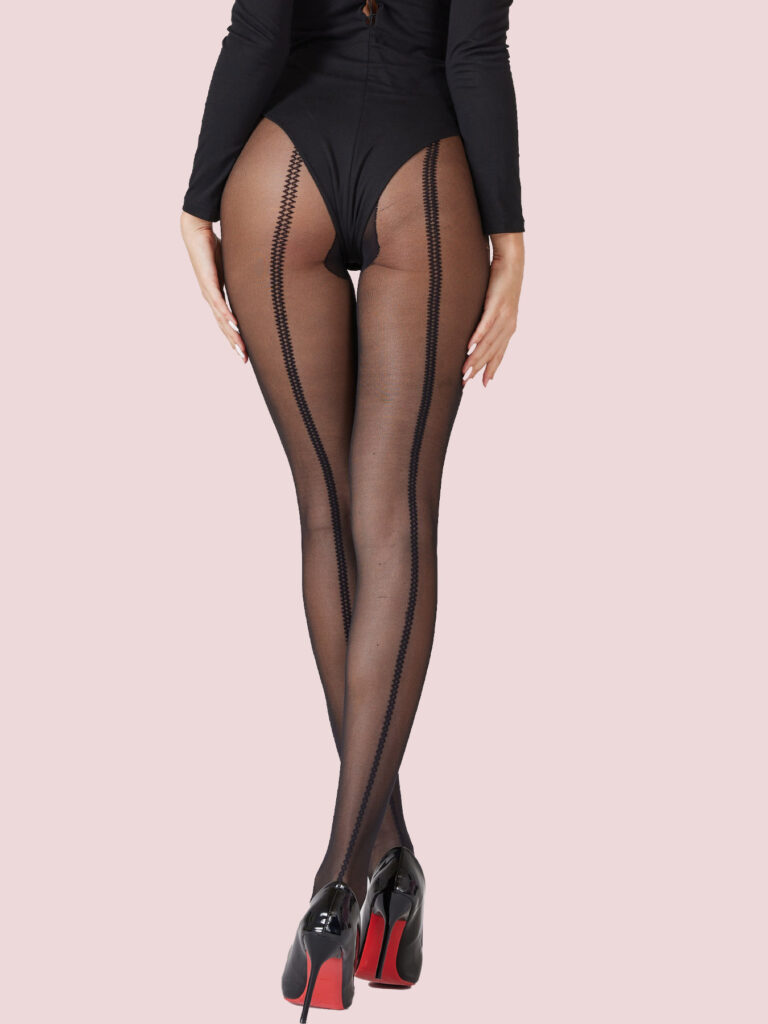
This is the low-pressure, polished option for skirts, workwear, and day-to-evening dressing. The leg should be sheer enough to look refined, while the brief rise provides modest smoothing rather than a dramatic reshaping claim. A fine-denier construction needs careful testing because the support zone can show through a light leg if the transition is too abrupt.
Le 3D core-spun slimming pantyhose direction is a useful reminder that sheer appearance and body support are separate parts of the brief rise. Core-spun yarn can help a fine leg retain a transparent look while adding strength and stretch. The actual fit still depends on knit density, the top construction, rise, and size grading. A 3D or ultra-sheer style should not be sold as if it will behave like a heavy shaping garment.
The Dress and Occasion Shaper
The middle SKU can offer a more defined tummy or hip support zone for consumers wearing close-fitting dresses. This is where “control pantyhose” needs precise language. Describe where the shaping is located and what level of hold the wearer should expect. A firm band alone does not create a balanced tight shaping, and a vague “slimming” statement can lead to dissatisfaction.
Test the product under the type of dress the customer will actually wear. A panel that looks invisible under a lined skirt may show a hard edge under a thin jersey dress. Ask testers to sit and stand, not simply pose. If the upper body pulls downward or the waistband turns after lunch, the product may need a different rise, wider band, or revised panel placement rather than a stronger elastic.
The Covered Seasonal Control Style
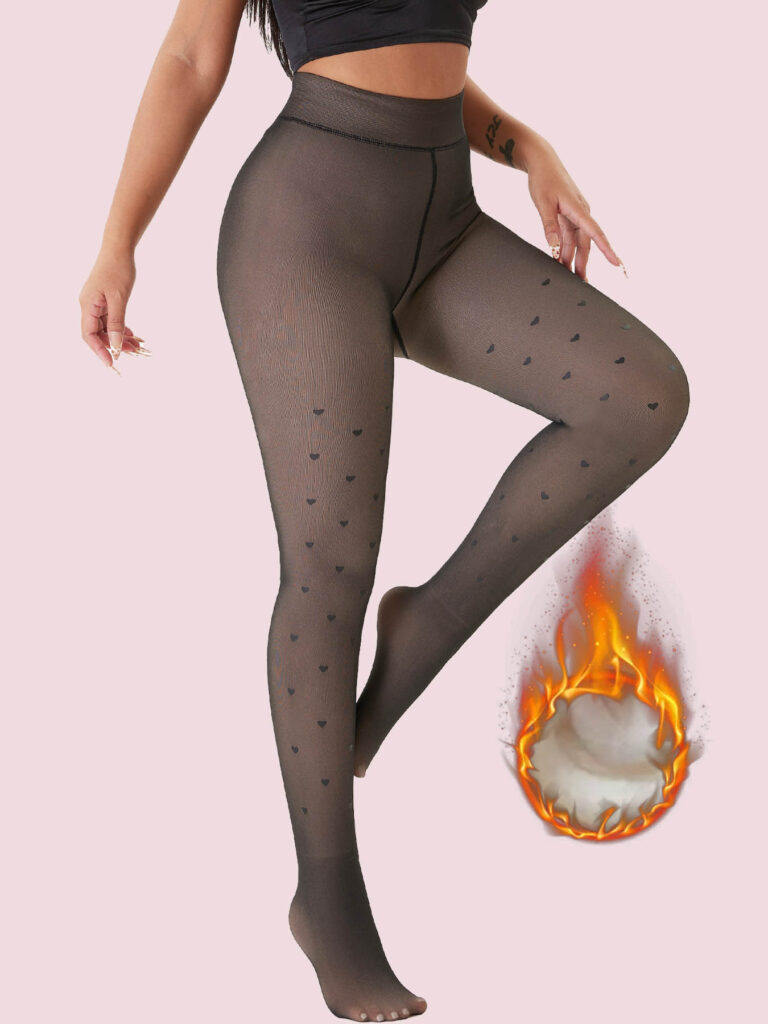
The third role is the more opaque option for autumn and winter. The 80D opaque control-top tights route illustrates a heavier, velvet-like category that can sit apart from the office sheer. It gives the buyer a reason to talk about coverage and warmth as well as top support. This is not just the same product in a higher denier. It is a different purchase occasion and should have its own imagery, pack wording, and size expectations.
Let Denier Clarify the Ladder
Denier describes yarn weight and helps a consumer anticipate leg coverage. It does not, by itself, define compression. A sheer 20D pair may have a substantial control top; a 40D pair can feel gentle through the upper body. The collection works better when those facts are kept separate.
Write Claims by Zone and Feel
Use phrases such as “light smoothing brief rise,” “high-waist support zone,” or “firmer shaping upper.” Keep the claim tied to the tested construction. “Tummy control tights” can mean many things in the market, so the retailer should specify whether the pressure is concentrated at the lower abdomen, spread across the brief rise, or mainly created by a wide, high waist.
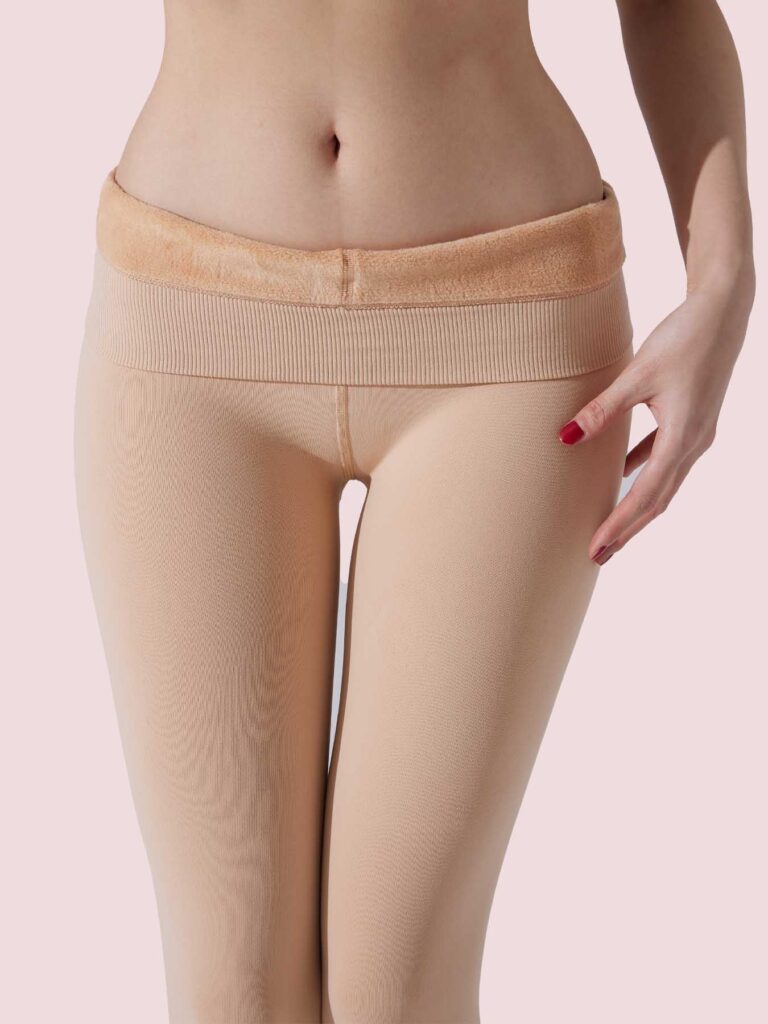
Le 40D collants gainants taille haute option makes sense as a middle-to-covered reference point. At 40D, the leg has more coverage than a classic sheer, which can make a shaping area less visually disruptive. It still needs to be tried on in the planned size range. A tidy sample on one body is not enough evidence for a retail rollout.
Avoid Artificial Gaps
A buyer does not need a 15D, 20D, 25D, 30D, and 40D control top all at once. Select deniers where the customer can feel or see a meaningful change. For example, a fine sheer option, a 30D to 40D semi-sheer option, and a true opaque option create a usable decision path. A fourth SKU should enter only when it covers a clear missing occasion, color, or control level.
Make the Waistband and Size Chart Do Their Share
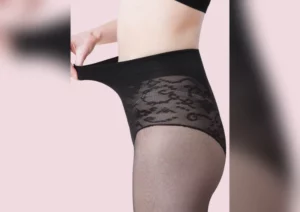
Many complaints labeled “not enough control” are really fit complaints. The waistband curls, the rise is short, the crotch gusset falls, or the consumer followed a chart that only considered height. A collection cannot be profitable if the shaping promise is fixed by pushing customers into a tighter size.
Grade the Upper Body, Not Only the Leg
For high-waisted tights, check waist circumference, hip room, front rise, back rise, and crotch gusset depth across the offered sizes. A larger size needs more than added leg length. It needs an upper-body grade that lets the pantyhose stay in position without digging in or rolling.
Nylon supports strength and surface smoothness, while elastane provides elasticity, compression, and shape retention. Knitting tension and heat setting affect the way both behave in the finished pair. The sample test should therefore include relaxed waistband measurement, stretch to a stated test point, recovery after release, and a wear sequence of sitting, walking, bending, and climbing stairs. If the control top shifts, record where it begins and whether the crotch gusset moves first.
Put Size Information on the Pack
The retail package should state size in language consumers can use. Height and hip guidance are usually more helpful together than height alone. If a consumer sits near a boundary, give a sensible size-up or size-selection note based on the approved fit. This small detail reduces the tendency to buy too small for a stronger shaping effect, then return the product for rolling or discomfort.
Separate Core Colors From Seasonal Tests
Black remains the core shade for most shaping hosiery wholesale programs because it works across workwear, occasionwear, and cooler-weather dressing. A carefully tested nude can be the second core color, provided the tone and opacity match the product story. Do not add many near-identical nudes before the fit and return pattern of the basic range is clear.
Run Fashion Additions as Experiments
Seasonal burgundy, espresso, or fashion finishes can be valuable, but they should live in a smaller test allocation. Give each one a reason to exist: a holiday display, an occasionwear capsule, or a retailer with a known color story. Track which size and color combinations sell, and read the reasons behind returns. A color might be slow because of the shade, the finish, the product image, or the size allocation. The sales number alone cannot answer that.
Review the Collection Before the Bulk Reorder
Late in development is the right time to connect product decisions with supplier support. Lensemble can help turn approved decisions on denier, color, size, logo, hang tag, care label, and packaging into a consistent project brief. Laseta’s manufacturing process covers knitting, dyeing, finishing, and quality control, so sampling can reflect the stages that affect final dimensions and elasticity.
Ask for a free sample pack before the first order is signed off, then request another when a revised waistband, control panel, denier, or package may change the consumer’s experience. Sample and service support is particularly useful once the buyer has a short list of non-negotiable checks. Record the approved support feel, waist height, rise, shade, denier, and pack proof with the sample.
The reorder conversation should be blunt: which SKU brought repeat purchases, which color caused questions, which size was missing, and which shaping claim created confusion? Remove overlap before adding another style. A focused collection gives the retailer cleaner stock turns and gives customers a better reason to come back for the same pair.
FAQ
Q1: How many control-top tights SKUs should a new private label launch with?
A1: Three clear roles are a practical start: a sheer light-smoothing style, a more defined shaping option, and a covered seasonal control tight. Add more only when a genuine customer gap appears.
Q2: Does a higher denier always mean firmer control?
A2: No. “Denier” mainly indicates leg coverage. The level and location of support depend on the brief rise construction, knit density, yarn recovery, waistband, and panel design.
Q3: What should buyers test before approving shaping tights?
A3: Test multiple sizes for waistband recovery, rise, crotch gusset stability, pressure points, panel visibility, leg coverage, and fit after sitting and walking. Approve the finished packed pair, not just an early sample. Should you have any questions, please contact us.