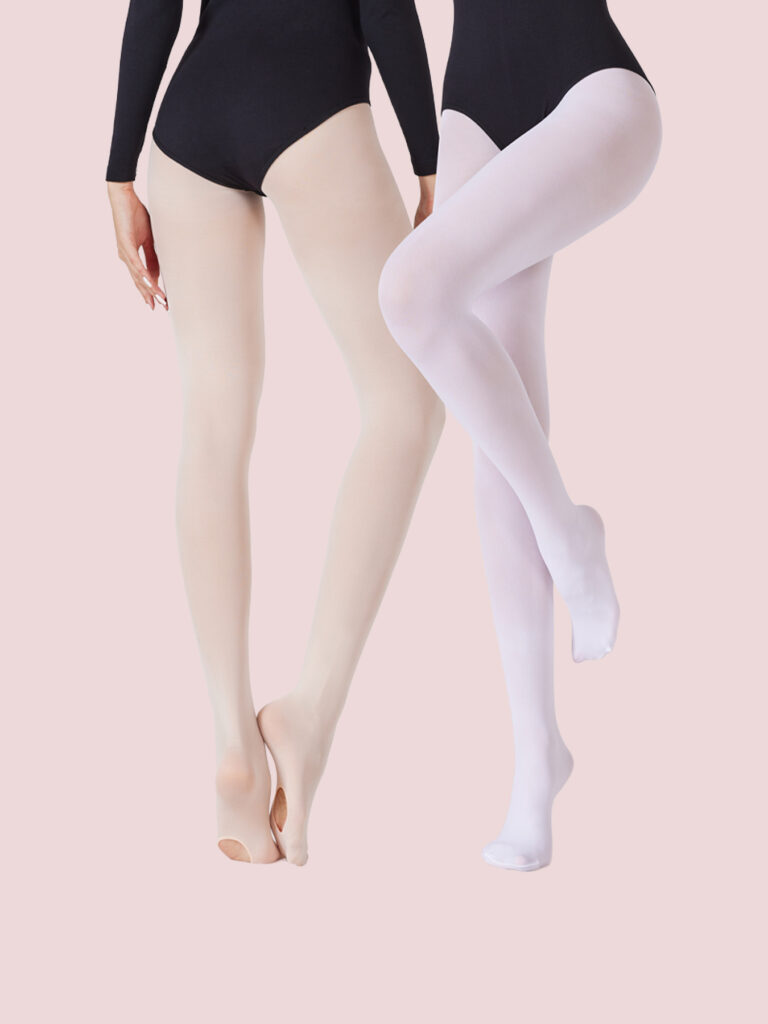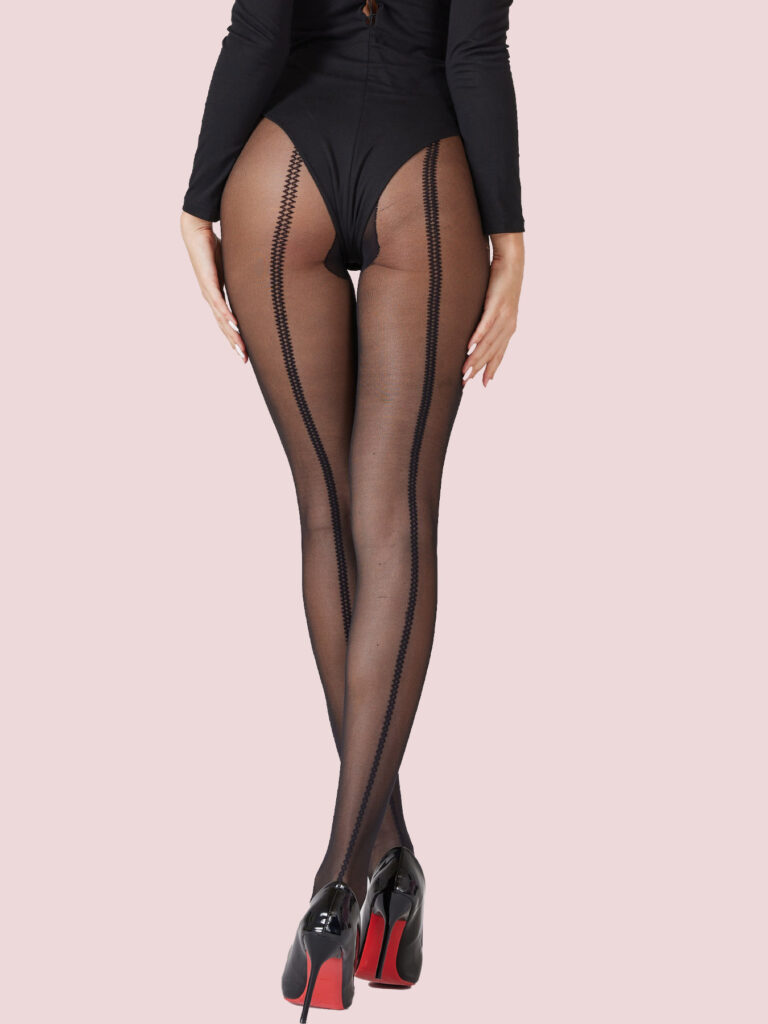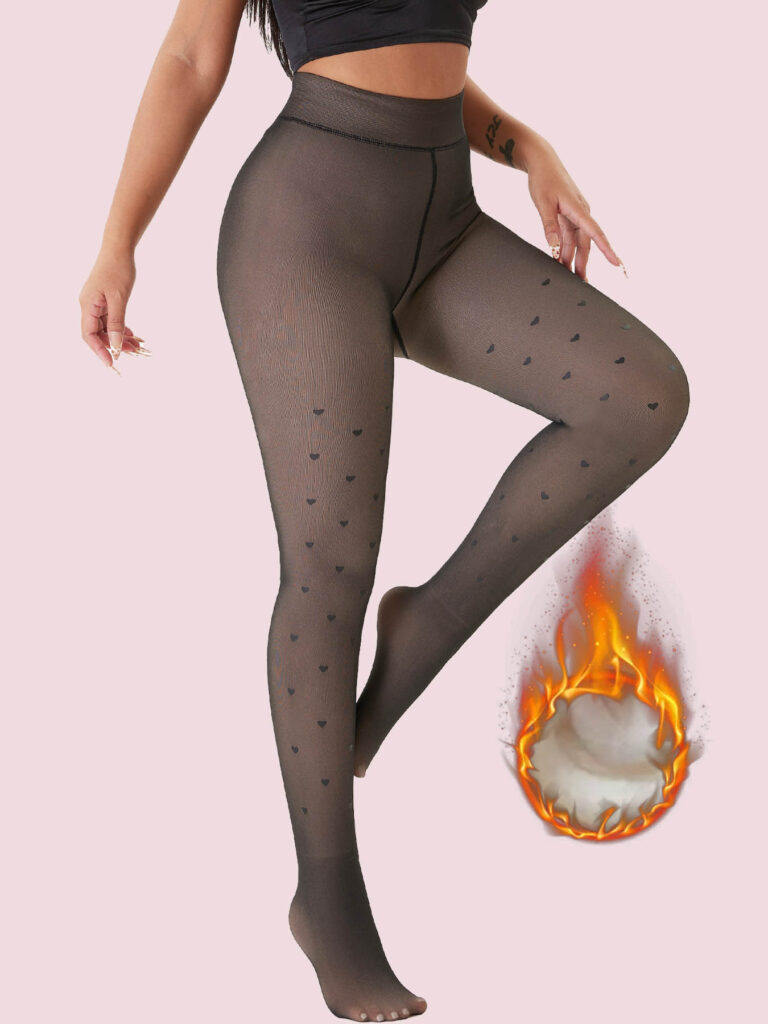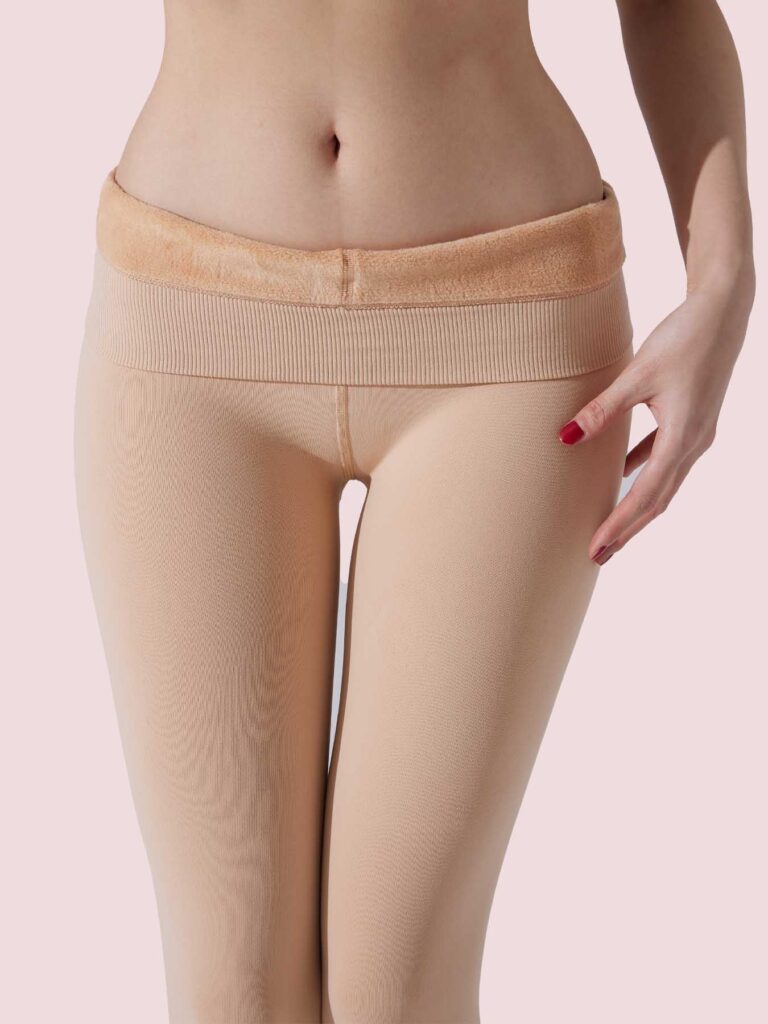
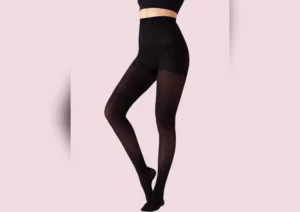
When seamless tights roll down, the customer usually blames the waistband. Sometimes that is fair. Just as often, the waistband is reacting to a short rise, a crotch gusset that sits too low, weak recovery, a size chart that skips a hip measurement, or a product that was tested only on one body shape. The fact that a tight has a seamless crotch gusset does not automatically make it a no-roll tight.
For retail buyers, rolling is more than a fit complaint. It creates returns, weak reviews, and a product page that overpromises comfort. The better approach is to trace the whole construction from waist to crotch gusset, then test it on the people and outfits the SKU is meant to serve. That gives a buyer a cleaner path than simply asking for a tighter band.
Find the First Point Where the Garment Moves
Ask a tester what happens first. Does the waist edge turn inward? Does the whole upper section travel down? Does the crotch gusset drop, pulling the waist with it? Does the pair feel stable when standing but fail after sitting? The answer matters because each pattern points to a different correction.
A Rolling Edge Is Not Always a Weak Waistband
An edge can roll because it is too narrow, too firm, or set at the wrong height for the wearer’s waist. It can also roll because the body of the tight is pulling downward from below. If the rise is short or the upper hip area has too little room, the fabric searches for length. The waist then folds as it is drawn down.
This is why a buyer should judge the tights’ waistband and the rise together. Measure relaxed waist width, stretched waist width, front rise, back rise, and crotch gusset depth. Then check those dimensions after finishing. Heat setting and boarding stabilize the finished garment; they can also expose variation that was not obvious in the greige stage.
A Dropping Crotch Needs Its Own Diagnosis
Seamless pantyhose is often chosen for a smoother upper profile and fewer abrasive seam points. A 360-degree seamless crotch gusset can improve comfort, but it still needs enough depth and balanced stretch. If the crotch gusset drops during walking, a tighter waistband may only make the customer more uncomfortable. The better question is whether the size grade, gusset or crotch gusset shape, and leg tension work as one system.
Ultra-transparent core-spun seamless pantyhose can be used as a reference for a fine, high-waist seamless direction. Its core-spun construction is relevant because a high-transparency product needs recovery as well as a clean visual effect. Retail buyers should test it in the sizes and use cases they plan to sell, rather than assuming an S-XL claim works the same across the range.
Check Recovery Before Changing Compression
Recovery is the garment’s ability to return after it stretches. It comes from yarn quality, knit structure, heat setting, and finishing. A pair can feel secure on first pull-on yet lose shape after a short time. That is a recovery issue, not always a compression issue.
Test the Band and the Body Separately
For a basic recovery check, measure the relaxed waistband, stretch it to a defined, approved point, release it, and measure again after one and ten minutes. Repeat on several pairs. Then test the leg and upper body through a sit-walk-stand sequence. Note whether the waist recovers while the crotch gusset drifts or whether the whole garment grows longer and looser.
Nylon brings strength and abrasion resistance; elastane supports stretch and return. In hosiery, core-spun yarn is valued for very sheer, transparent effects, while microfiber constructions can give a more resilient feel. A buyer does not need to choose raw yarn alone, but the supplier should identify the yarn and knit approach behind a no-roll claim.
Do Not Solve Every Problem With More Pressure
More pressure can make a roll worse. A high-compression band that bites into the waist may turn inward, especially when the wearer bends or sits. Comfortable tights need pressure that is distributed rather than concentrated at one edge. A wider band, more suitable rise, softer edge, or better upper-body grade may be a better fix than higher elastic force.
Seamless high-stretch pantyhose gives a buyer a practical point of comparison for a product positioned around stretch, a breathable feel, and a non-pinching upper fit. The sample still needs a wear test. Product language is not a substitute for a measured result.
Read the Size Chart as a Return-Prevention Tool

A height-only size chart is a common cause of rolling. The same height can come with a very different hip, waist, and thigh measurement. If a consumer is placed into a size that is too short through the torso, the waistband is being asked to compensate for a length problem.
Include Hip and Body-Length Checks
The size chart should give height and hip information, then explain what to do at a boundary. For a high-waist style, torso length and rise become especially important. A private-label buyer can request a free sample pack with the smallest and largest intended sizes, then compare the actual laid-flat measurements and worn position to the chart before packaging is printed.
Testers should wear the product with the outfits customers will use: a skirt, a short dress, a fitted dress, or trousers. Check the waist after ten minutes of being seated, a short walk, climbing stairs, and bending to pick up a bag. The retailer needs to know whether the product merely stays up in a fitting room or remains stable in normal life.
Inspect the Finished Seamless Construction
Seamless products are made with different machinery and knit layouts. High-gauge machines can create very smooth, high-stretch fabric, but the finished result still depends on yarn tension, needle setting, size specification, dyeing, and boarding. In the hosiery process, visual inspection and dimensional inspection should take place before packing, because texture, shade, leg length, and waistband size may shift during finishing.
Look for Variation Across a Production Lot
Pull three finished pairs from a sample lot, not one. Compare waist width, rise, leg length, seam or crotch gusset appearance, recovery, and surface consistency. A single pair may fit well while another shows a tighter band or shorter torso. For retail, this variation becomes a problem when the consumer reorders the same size and gets a different experience.
Seamless tights can help a buyer see the range of seamless constructions before choosing a route. The final brief rise should name the approved waist height, rise measurement, yarn direction, crotch gusset structure, size grades, and test routine. That is more useful than a broad request for comfortable tights.
Use the Later Sample Stage to Lock the Fix
Once the problem is defined, company capability and custom work become relevant. Laseta has later-stage decisions on fabric, color, size, logo, packaging, and QC. The buyer should send the actual roll-down observations, not only the word “tight.” State when the roll began, where it started, which size was worn, and whether the crotch gusset moved first.
Service support for samples is the right place to keep the correction practical. Request a free sample pack after a revised waistband, rise, or yarn choice is proposed. Re-test it under the original conditions. If the wear result changes, record the approved measurements with the sample. That small discipline protects the next order from sliding back into the same return pattern.
FAQ
Q1: Why do seamless tights roll down if there is no bulky seam?
A1: Rolling can come from a short rise, a low crotch gusset position, weak recovery, inaccurate size grading, or a waistband that is too narrow or too firm. Seamlessness addresses only part of the fit system.
Q2: Should buyers ask for a tighter waistband to stop rolling?
A2: Not automatically. A tighter edge can curl or create pressure marks. Test rise, crotch gusset depth, upper-body stretch, and waistband recovery before adding more compression.
Q3: What is the best sample test for no-roll tights?
A3: Test multiple sizes through sitting, walking, stairs, bending, and normal workwear. Record when movement starts, whether the crotch gusset drops, and how the waistband recovers after stretching.