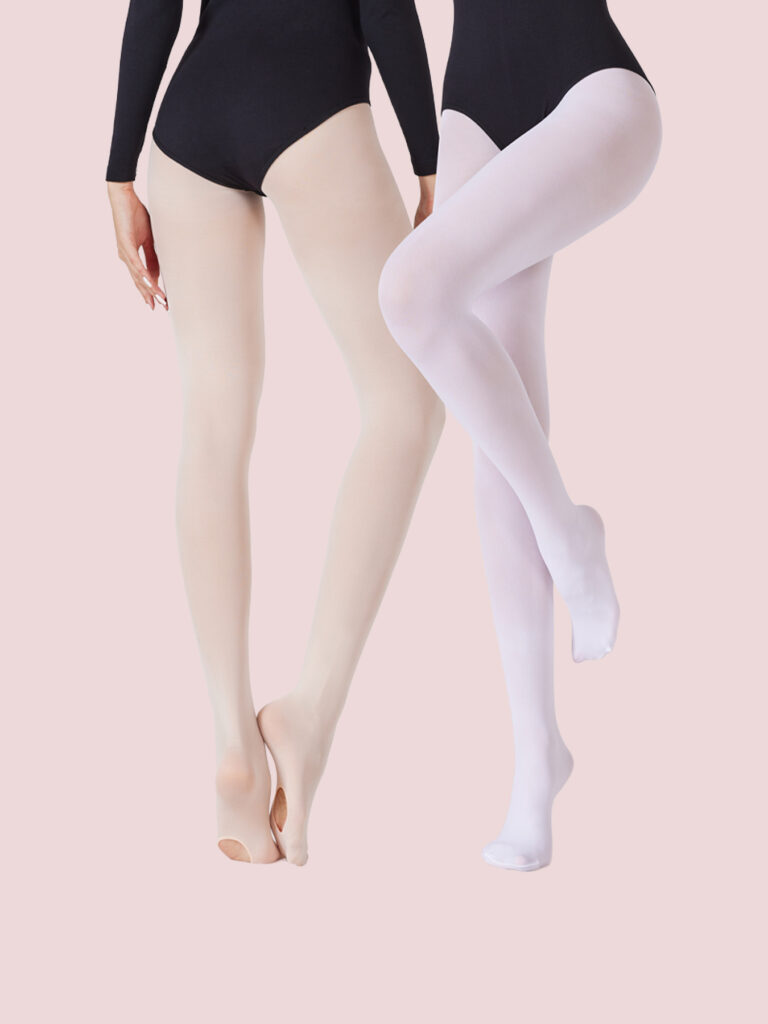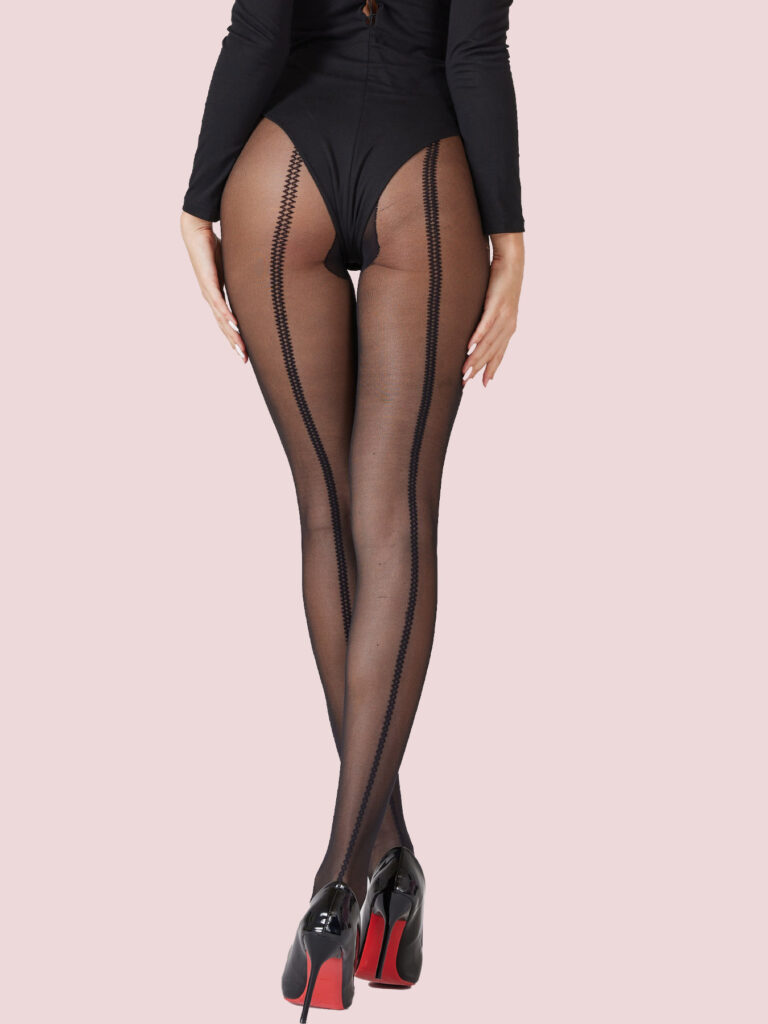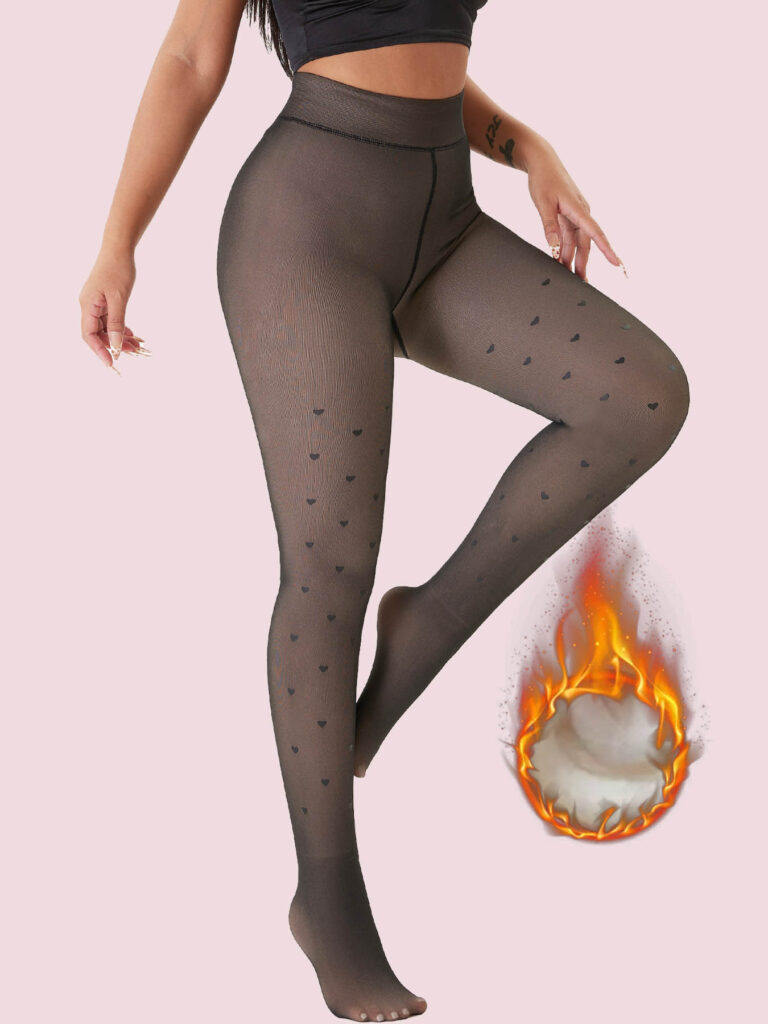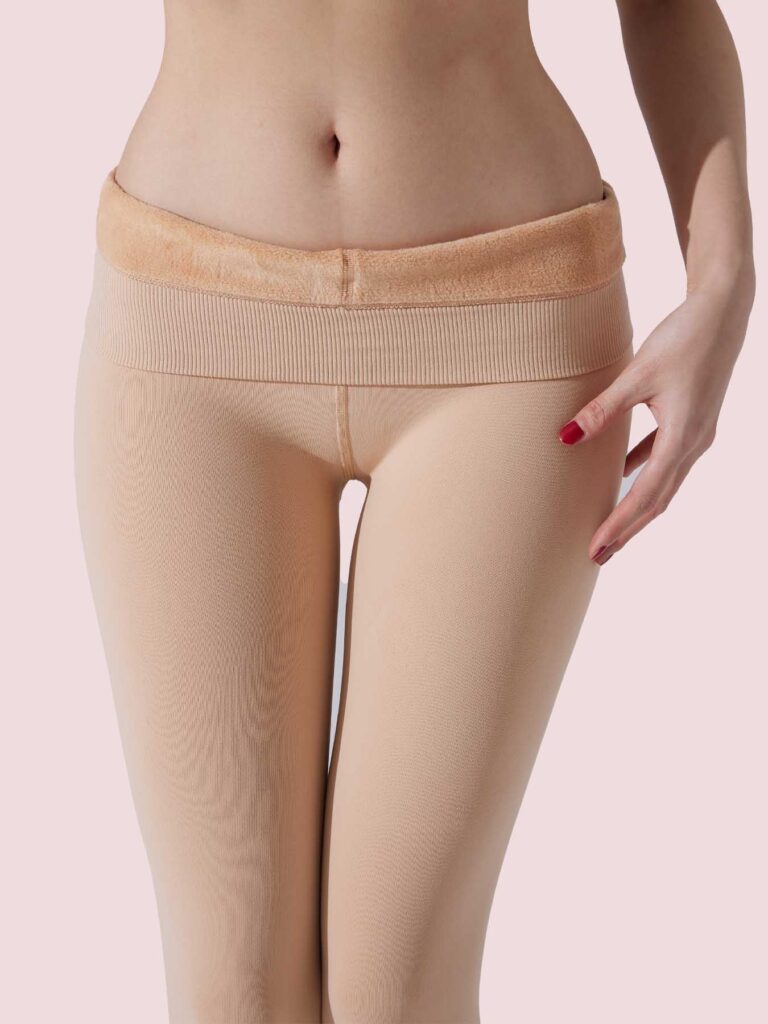
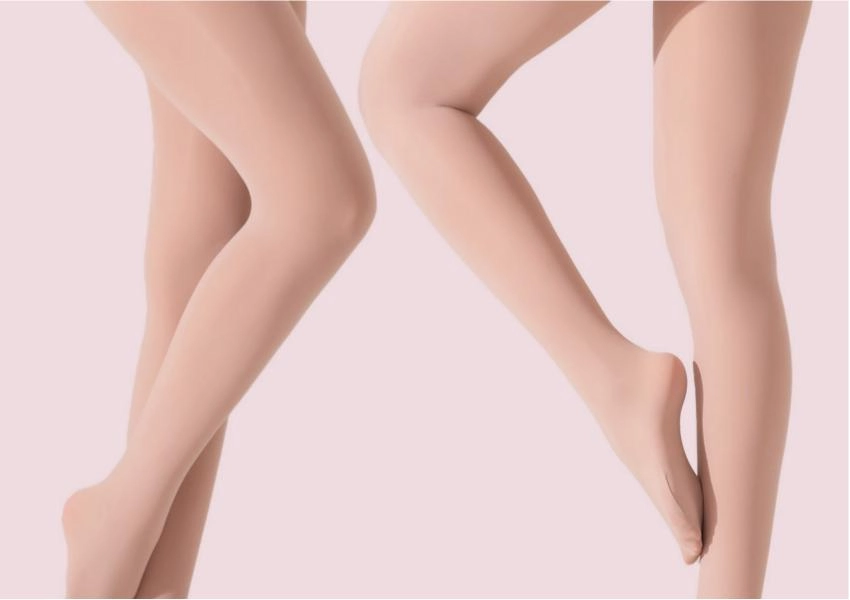
Dikişsiz taytlar rafta sade görünür. Çekiciliğinin bir kısmı da bu zaten. Müşteri, dar bir elbisenin altında düzgün bir çizgi, pantolonun altında belli olmayan bir bel bandı ve yürüdükten sonra gerilmeyen veya toplanmayan bir kasık bölgesi ister. Özel etiketli ürün alıcıları için zor olan kısım ise, birçok ürünün "dikişsiz" kelimesini kullanmasına rağmen, giyen kişinin hala dikişleri, kenarları, yuvarlanma basıncını veya düzensiz esnemeyi hissetmesidir.
Bu nedenle, dikişsiz tayt üreticisi seçmek, katalog iddiasından çok üretim kontrolüyle ilgilidir. Alıcı, kumaşın nasıl örüldüğünü, belin nasıl tasarlandığını, kasık bölgesinin nasıl şekillendirildiğini, beden eğrisinin nasıl derecelendirildiğini ve seri üretimden önce numunelerin nasıl test edildiğini sormalıdır. Kötü oturan dikişsiz bir ürün uzun süre premium kalitede kalamaz.
Sorunsuz Bir Başlangıç Sözüyle Başlayın
Her dikişsiz tayt toptan satış programının aynı yapıya ihtiyacı yoktur. Bazı özel markalar ofis kıyafetleri ve elbiseler için dikişsiz, şeffaf tayt ister. Bazıları vücuda oturan moda için görünmez bel bantlı tayt ister. Diğerleri ise seyahat, hamilelik dönemine yakın rahatlık veya sıkı kontrol panellerinden hoşlanmayan müşteriler için günlük kullanım için dikişsiz, rahat bel bantlı külotlu çorap ister.
Ürün vaadi, alıcı fiyatı sormadan önce yazılmalıdır. Vaat, giysinin altında görünmez olacaksa, bel bandının kenarı önemlidir. Vaat konfor ise, dikey esneklik ve bel yüksekliği önemlidir. Vaat üstün şeffaf bir görünüm ise, iplik kalitesi, denye ve bitirme önemlidir. Bu özet olmadan, iki örnek de "kusursuz" olarak adlandırılabilirken, tamamen farklı müşterilere hizmet edebilir.
Kusursuz Olmak Mühendislik Gerektirmediği Anlamına Gelmez
Dikişsiz çoraplar hala iplik seçimi, iğne sayısı, örgü gerginliği, kenar işleme, boyama ve dönüştürme seçeneklerine bağlıdır. Örme kumaş, esneklik ve toparlanma sağlayan birbirine kenetlenen ilmeklerden yapılır. Çoraplarda naylon aşınma direncini artırırken, elastan veya likra uyumu ve elastikiyet stabilitesini destekler. Çekirdekten bükülmüş iplik şeffaf bir görünüm sağlayabilir; mikrofiber ve kadife seçenekleri daha yumuşak ve sıcaktır. Bir üretici, hangi yapının özel markanın hedef kullanıcı kitlesine uygun olduğunu açıklayabilmelidir.
Bel ve ağ kısmının yapısını değerlendirin.
Bel kısmı, dikişsiz bir ürünün ilk görünür testidir. Eğer kıvrılıyorsa, batıyorsa veya sert bir kenar bırakıyorsa, müşteri bacak kumaşının pürüzsüz olmasını önemsemez. Görünmez bel bantlı taytların bel ve külot arasında daha yumuşak bir geçişe ihtiyacı vardır. Dikişsiz, rahat bel bantlı külotlu çorapların, sert bir kavrama olmadan yukarıda kalabilmesi için yeterli esnekliğe sahip olması gerekir.
Ağ kısmının yapısı da aynı derecede önemlidir. Çoraplarda T şeklinde ağ, güçlendirilmiş külot, karın kontrolü ve kalça kaldırma etkili ağ, bele kadar şeffaf modeller, panel ekleri ve diğer yapılar kullanılabilir. Özel etiket alıcısı, hangi seçeneğin hedef kullanım amacını desteklediğini sormalıdır. Vücuda oturan bir elbise çok düz bir silüete ihtiyaç duyabilir. Dans veya aktif giyim için tasarlanmış bir ürün ise daha fazla esneklik ve güçlendirme gerektirebilir.
15D yağlı parlak dikişsiz tayt Bu, hafif destek, naylon/spandex karışımı, şeffaf bitiş ve B2B sipariş yönetimi konularını inceleyen alıcılar için faydalı bir referanstır. Ayrıca, "dikişsiz" kelimesiyle yetinilmemesi gerektiğini de göstermektedir. Denye, beden payı ve toparlanma özelliği, nihai giyim deneyimini şekillendirir.
Oturma Anını Test Edin
Birçok kusur, ancak giyen kişi oturduğunda ortaya çıkar. Ayakta dururken görünmez olan bir bel bandı karın bölgesinde katlanabilir. Düz görünen bir kasık bölgesi aşağı doğru çekilebilir. Numune alımı sırasında, alıcılar taytı otururken, eğilirken, yürürken ve dar kıyafetlerin altında giyerken test etmelidir. Farklı boy ve kalça şekillerine sahip kişilerden aynı bedeni denemelerini isteyin. Bu, düz bir ürün fotoğrafından daha fazlasını ortaya çıkarır.
Örgü, Boyama ve Terbiye Disiplinini Kontrol Edin
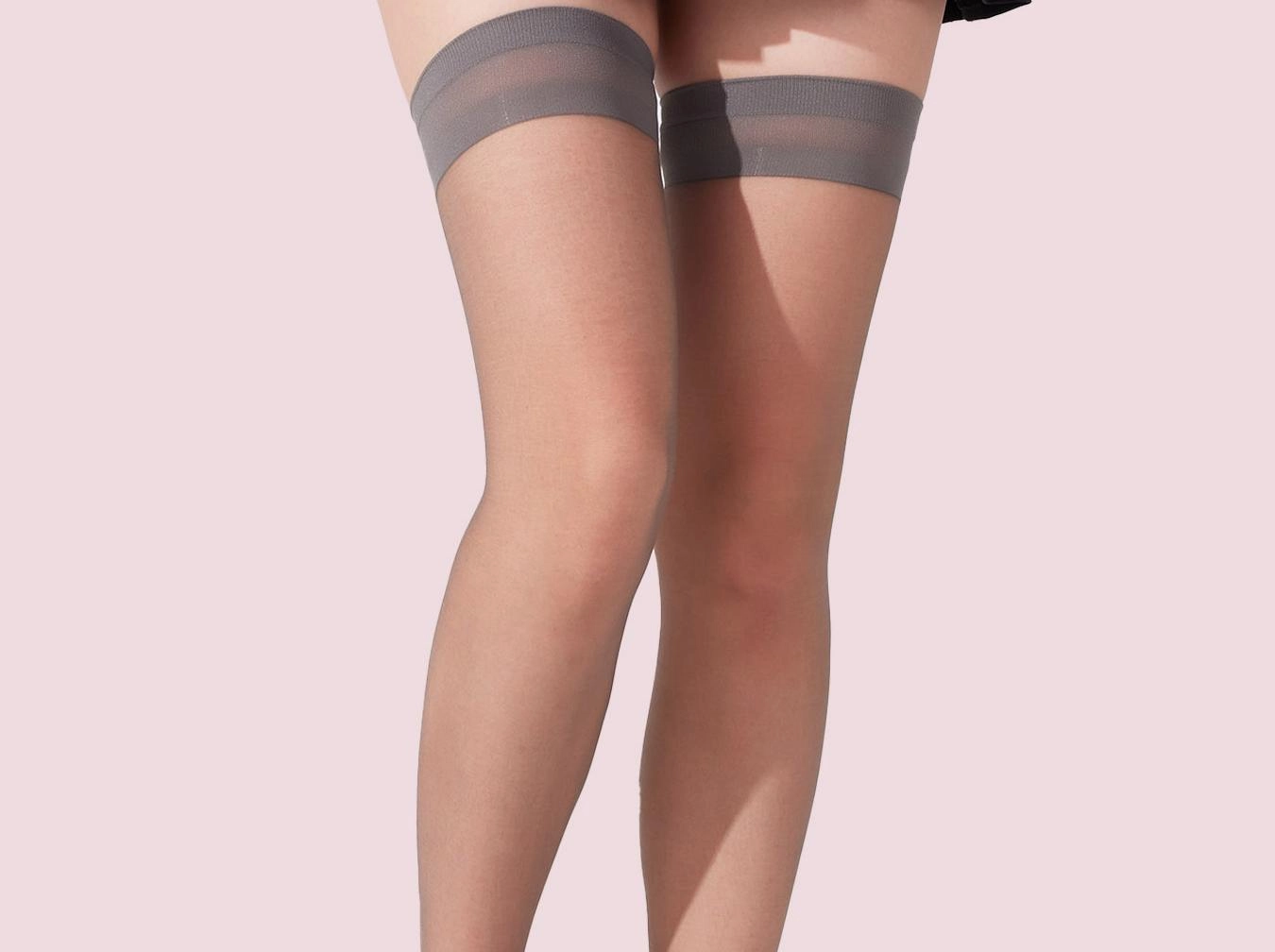
İyi bir dikişsiz ürün üreticisi, sadece dikişi kontrol etmekten daha fazlasını yapmalıdır. Dikişsiz şeffaf taytlar, düzensiz boya, çizgiler, takılmalar ve gerilme izleri gibi sorunları ortaya çıkarır. Boyama ve terbiye işlemi, seri üretimden önce küçük partiler halinde numune almayı, renk eşleştirmeyi, yumuşatmayı, leke çıkarmayı ve ton kontrollerini içermelidir. Bir alıcı ten rengi, siyah, bal rengi veya moda bir tonu onayladığında, tedarikçi bu tonu toplu üretim partilerinde istikrarlı bir şekilde koruyabilmelidir.
Tşeffaf ve dikişsiz uzun çoraplar Bu, alıcıların şeffaflığı, yüzey pürüzsüzlüğünü ve stil kullanımını karşılaştırmasına yardımcı olabilir. Ancak sipariş kararı, üreticinin onaylı numuneleri nasıl sakladığını, renk tonu için hangi toleransa izin verildiğini ve bitmiş parçaların sevkiyat öncesinde nasıl denetlendiğini de kapsamalıdır.
Dikişsiz çorap üreticisiyle karşılaştırma yapan bir alıcı, yaklaşık 30 yıllık çorap üretim tecrübesine, İtalyan Lonati ekipmanlarına, küçük yuvarlak örme makinelerine, geniş denye kapasitesine, boyama ve terbiye bilgisine ve hammadde, süreç denetimi ve nihai ürünler genelinde kalite kontrol kapsamına bakabilir. Özel markalar için bu noktalar önemlidir çünkü dikişsiz çoraplar üretim varyasyonunu gizlemek için çok az alan bırakır.
Özel Marka Büyümesini Korumak İçin Örnekleme Kullanın
Özel markalı bir ürün, ilk denemede internette iyi görünse de tek kullanımda hayal kırıklığı yaratırsa hızla güven kaybedebilir. Toptan sipariş vermeden önce, en az iki denye, iki bel işleme yöntemi ve hedeflenen renk yelpazesini içeren ücretsiz bir örnek paket talep edin. Örnek incelemesi, dokunma hissi, bel kenarı, ağ çekme dayanımı, burun dayanıklılığı, şeffaflık ve esneme sonrası eski haline dönüş özelliklerini içermelidir.
Eğer marka butikler, pazar yeri mağazaları veya abonelik paketleri aracılığıyla satış yapacaksa, ambalaj da test edilmelidir. Dikişsiz taytlar ince bir pakette premium görünebilir, ancak sıkı katlama iz bırakabilir veya müşteriyi beden konusunda yanıltabilir. Askı etiketleri, bakım etiketleri ve özel etiketli kutular, aşırı satış kontrolü veya görünmezlik hissi yaratmadan ürünü kolayca anlaşılır hale getirmelidir.
Daha moda odaklı bir ürün için, yüksek elastik dikişsiz külotlu çorap Bu ürün, alıcılara çok yönlü esneme, nefes alabilen ve nemi uzaklaştıran kumaş, kaymazlık ve yırtılmaya karşı dayanıklılık konusunda referans sunar. Hem günlük hem de kurumsal giyimde yer alabilirken, daha zarif, dikişsiz, şeffaf taytlar ise özel günler veya ofis giyiminde kullanılabilir.
Ne zaman başka bir numune istemelisiniz?
Üretici ipliği, bel bandını, rengi veya ambalajı ayarladıktan sonra ikinci bir ücretsiz numune paketi istemek mantıklıdır. Toplu siparişte farklı bir yapı kullanılacaksa, ilk numuneyi nihai olarak değerlendirmeyin. Elastan içeriğindeki veya bel bandı genişliğindeki küçük değişiklikler, yorumları etkileyecek kadar kalıbı değiştirebilir.
Bir Üreticinin Ürünün Ötesinde Desteklemesi Gerekenler
Özel marka büyümesi için üretici, yalnızca birim tedarikini değil, ürün geliştirmeyi de desteklemelidir. OEM ve ODM çalışmaları, düşük veya esnek deneme miktarları, numune zamanlaması, ambalaj, logo yerleşimi, etiketler, yeniden sipariş hızı ve depo bulunabilirliği hakkında bilgi isteyin. Kıllı, Hızlı numune alımı ve yüksek stok derinliği sayesinde, alıcıya çok fazla envanter tutmadan farklı stilleri deneme olanağı sunar.
Ssorunsuz özel etiket geliştirme Tasarım değişiklikleri gerçek uyum kontrolleriyle ilişkilendirilmelidir: bel bandı basıncı, kasık şekli, beden uyumu, iplik dokusu ve renk tonu onayı. Bulk çorap servis desteği Ardından zaman çizelgeleri, paketleme, sevkiyat ve sorun çözme süreçleri ele alınabilir. Bu süreç, bir ürün lansmanı için hazırlanan ilham panosundan daha az gösterişli görünse de, sürekli düzeltmelere gerek kalmadan kusursuz bir tayt serisinin büyümesini sağlayan şey budur.
SSS
S1: Alıcılar dikişsiz tayt üreticisine ilk olarak ne sormalı?
A1: Alıcılar, hangi dikişsiz yapının kullanım amacına uygun olduğunu sormalıdır: giysilerin altında görünmez, rahat bir bel bandı, ince tasarım veya daha güçlü destek.
S2: Dikişsiz şeffaf taytların üretimi, opak taytlara göre daha mı zordur?
A2: İnce kumaşlar, daha kalın opak kumaşlara göre gerilim izlerini, renk tonu sorunlarını ve düzensiz esnemeyi daha kolay ortaya çıkardığı için daha az toleranslı olabilirler.
S3: Özel etiketli sipariş vermeden önce neden ücretsiz numune paketi talep etmelisiniz?
A3: Numuneler, alıcıların seri üretime başlamadan önce bel bandının rahatlığını, kasık bölgesinin uyumunu, şeffaflığı, rengi, burun kısmının dayanıklılığını ve ambalajı test etmelerini sağlar.