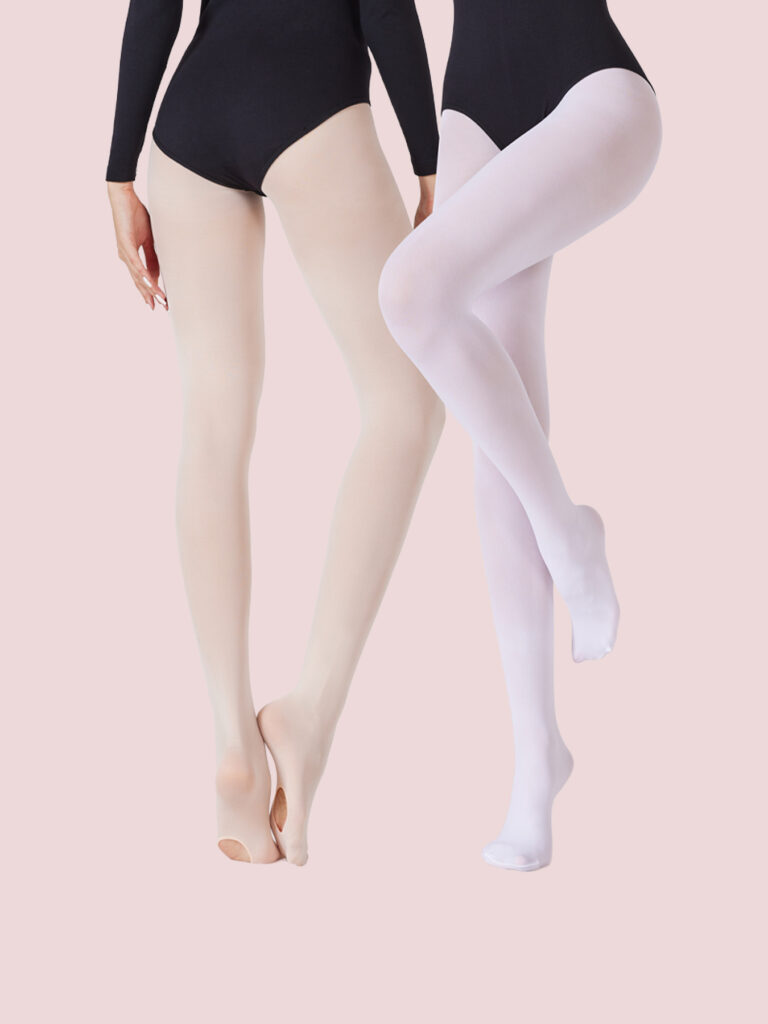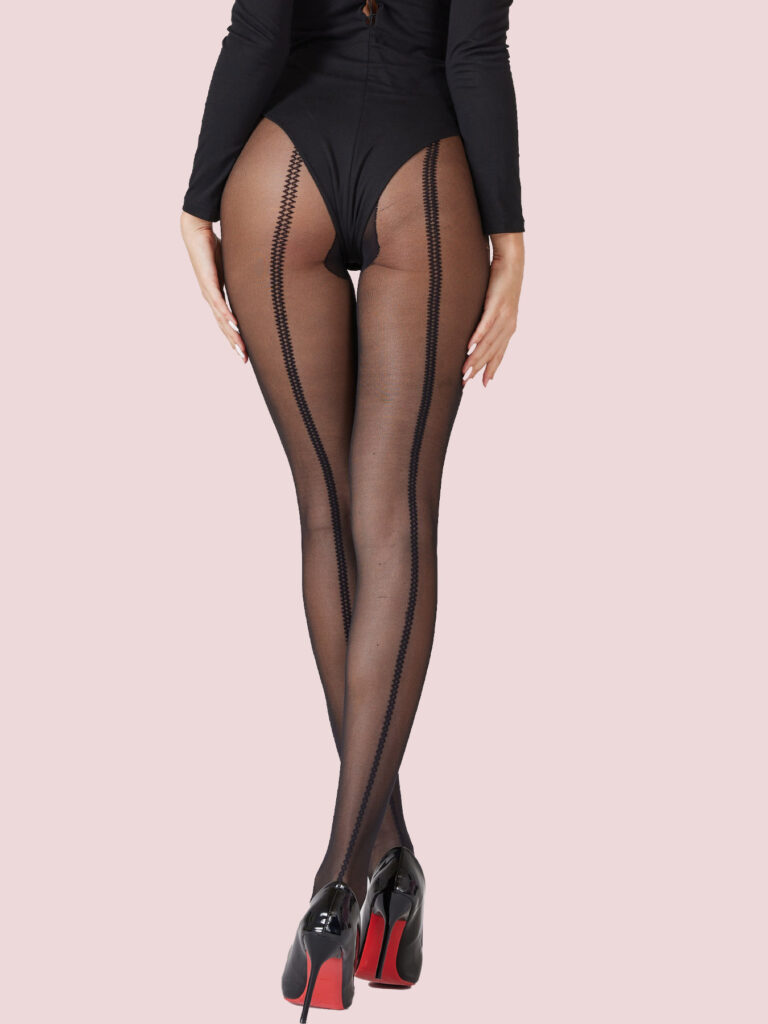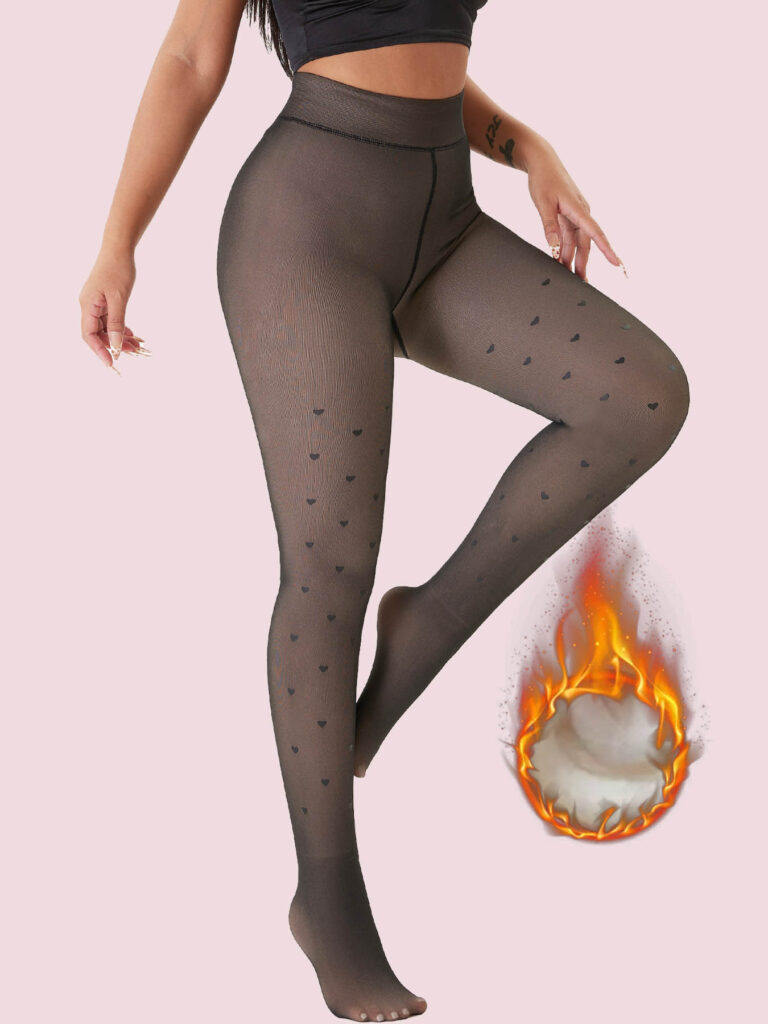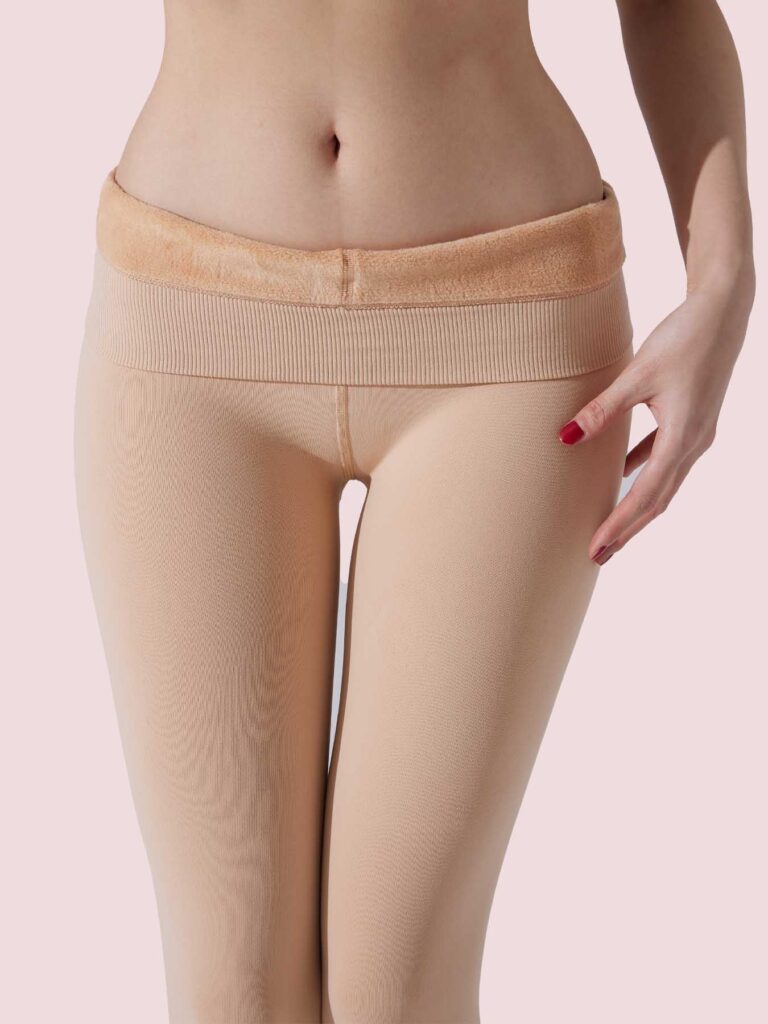
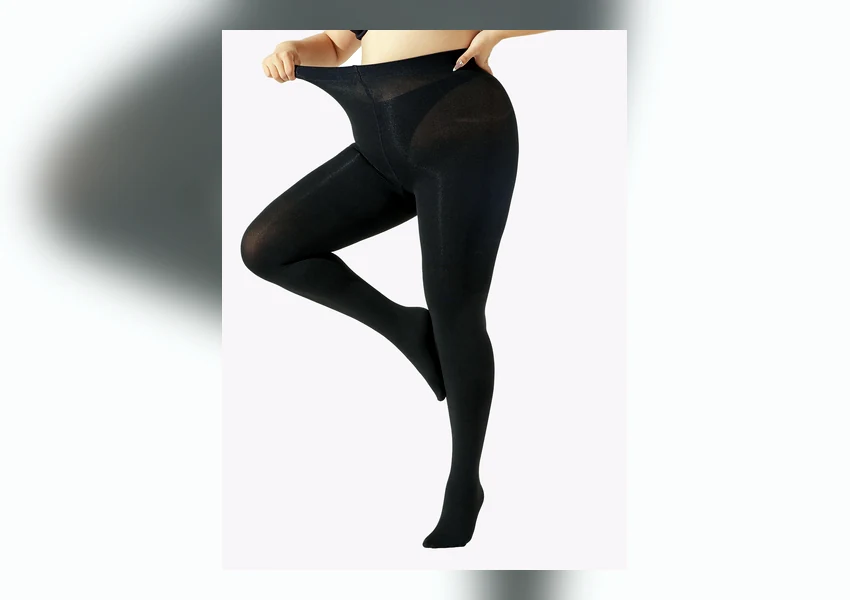
Büyük beden çoraplarda iadeler nadiren tek bir yanlış ölçü alımından kaynaklanır. Genellikle satılan ürün için çok belirsiz olan bir beden tablosundan kaynaklanırlar. Büyük beden taytlar için esneklik, bel yüksekliği, bel rahatlığı, denye ve giysinin gerçek hareketten sonraki davranışı dikkate alınarak oluşturulmuş bir tablo gereklidir. Standart taytlardan kopyalanan bir tablo aynı perakende riskini taşımaz.
Özel etiketli ve toptan alıcılar için, Kıllı Faydalı üretim bağlamı sunar: çorap geliştirme, stok programları, OEM/ODM seçenekleri, denye çeşitliliği ve iplikten bitmiş giysiye kadar üretim kontrolleri. Bu, alıcıya sadece bir beden tablosundan daha fazlasını sunar. Beden vaadinin geçerli olup olmadığını test etmenin bir yolunu sunar.
Grafiği bir getiri kontrol aracı olarak değerlendirin.
Beden tablosu, alışveriş yapanın giysi seçmesine yardımcı olmalı, ancak perakendeciler için de kar marjını korumalıdır. Eğer alışveriş yapanlar belden kıvrılan, kasık bölgesinde sarkan veya diz bölgesinde şeklini kaybeden büyük beden taytlar satın alırlarsa, iade notunda sadece "çok küçük" veya "uygun değil" yazabilir. Asıl sorun beden tablosunda, bel yüksekliğinde, ağ kısmında veya iplik esnekliğinde olabilir.
İlk tercih, ürün yelpazesinin gerçekten genişletilmiş mi yoksa sadece yeniden adlandırılmış mı olduğudur. Genişletilmiş beden külotlu çoraplar, daha büyük bir bel bandından daha fazlasına ihtiyaç duyar. Yeterli kalça boşluğu, uyluk rahatlığı, dikey yükseliş ve kullanıcının ürünü kullanım sınırının ötesine çekmek zorunda kalmaması için kontrollü esneklik gerektirir. Tabloda boy ve kilo aralıkları gösterilmeli, ancak kalça ve bel ölçülerine göre de test edilmelidir.
Alıcıların kontrol edebileceği vücut ölçüleriyle başlayın.
İyi bir çorap bedenini belirlemek, çevrimiçi ve mağaza alışverişi yapanların gerçekten kullanabileceği ölçülerle başlar. Boy ve kilo hala yaygın olarak kullanılan ve hızlı olan ölçülerdir. Bel, kalça ve uyluk ölçüleri, özellikle aynı boy aralığında vücut şeklinin büyük ölçüde değişebildiği büyük beden taytlarda, beden uyumsuzluğu şikayetlerini azaltmak için daha iyidir.
Özel markalar, XL, XXL veya Queen gibi genel etiketler içeren ve ikinci bir detay katmanı içermeyen bir beden tablosundan kaçınmalıdır. Daha iyi bir tablo, önerilen vücut aralığını, uyum notlarını ve sınır uyarısını göstermelidir. Örneğin, bir beden geniş kalçalar için tasarlanmış ancak ekstra boy için uygun değilse, bunu belirtmelidir. Bu tür bir dürüstlük, yanlış siparişin gerçekleşmesini önleyebilir.
E artı–beden tayt kategorisi Bu, alıcıların ambalajı kesinleştirmeden önce ürün yapısını, görsel kapsamını ve pazarlama dilini karşılaştırmaları için faydalı bir başlangıç noktasıdır. Daha hafif bir referans için, 20D artı–beden şeffaf tayt Bu, ekiplerin vücut hatlarına uyum, şeffaflık ve bel bandı rahatlığının birlikte nasıl çalıştığını kontrol etmelerine yardımcı olabilir.
Esneklik ve Yükseliş Etrafında Boyut Kırılmaları Oluşturun
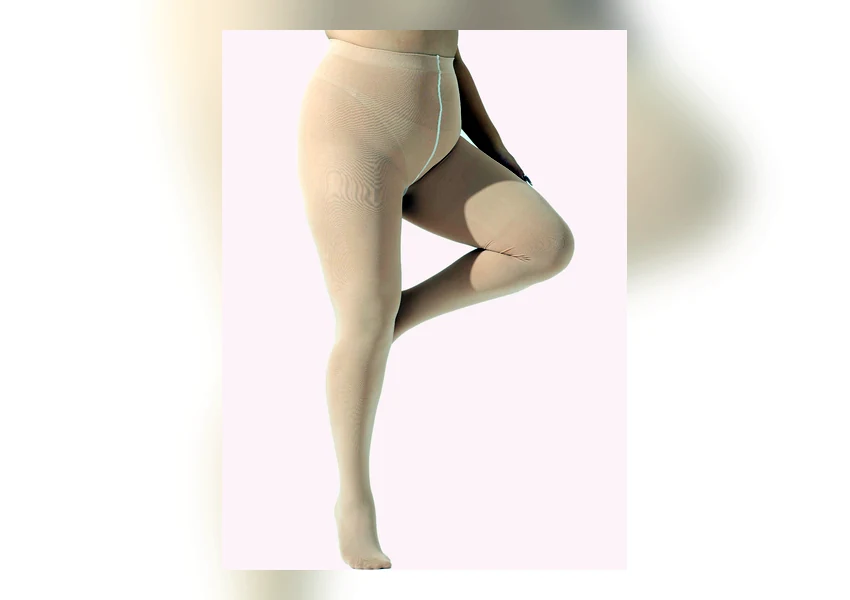
Esneklik sınırsız değildir. Naylon yüzeye dayanıklılık kazandırır; elastan ise toparlanma özelliği verir. Daha yüksek spandeks oranı konforu artırabilir, ancak otomatik olarak uyum sorununu çözmez. Eğer bel kısmı çok kısa ise, giysi yine de aşağı doğru çekilir. Eğer külot bölgesi çok dar ise, bacak kısmı tam otursa bile kullanıcı baskı hisseder.
Büyük beden taytlar için, kalıp bel, karın, kalça, uyluk, baldır, ayak bileği ve ayak parmağı bölgelerinde kontrol edilmelidir. Özellikle kalçaları daha dolgun olan müşteriler için daha derin bir arka yükseklik faydalı olabilir. Rahatlık sağlayan bir ağ veya panel de basıncı dağıtabilir. Büyük beden külotlu çoraplarda, bu detaylar düzgün görünen bir kalıptan daha önemlidir çünkü iade, pakete bakmaktan sonra değil, giydikten sonra gerçekleşir.
Denye sayısı da kalıp algısını değiştirir. 20D ince bir model daha hafif hissettirebilir ancak daha az esnek olabilir. 40D veya 60D bir model daha dengeli hissettirebilir, ancak bel bandının dikkatli bir şekilde tasarlanması gerekebilir. Kış veya örtücülük odaklı programlarda, daha sıcak bir ürünle karşılaştırma yapılabilir, örneğin... 120D artı–beden tayt Bir grafik tüm aralık boyunca yeniden kullanılmadan önce, çok sayıda seçeneğe karşı önlem alınması gerekir.
Ambalajlamadan Önce Grafiği Test Edin
En iyi kontrol yöntemi, her beden aralığının dış kenarları boyunca yapılan bir giyim testidir. Eğer beden tablosunda bir bedenin belirli bir boy ve kiloyu kapsadığı belirtiliyorsa, örnek o aralığın üst sınırına yakın bir yerde test edilmelidir. Aşağı doğru kıvrılma, düşük ağ, sıkı uyluk bantları, ayak parmağı baskısı, düzensiz renk esnemesi ve bel bandında izler olup olmadığına dikkat edin.
Fabrikalar ile OEM/ODM geliştirme Özel etiketli bir sipariş tam üretime geçmeden önce beden, renk, ambalaj, etiketleme ve numune alma işlemleri ayarlanabilir. Bu adım önemlidir çünkü basılı kutular, pazar yeri listeleri ve beden tablolarının hepsi birbirine uymalıdır. Eğer bir kanal, giysinin desteklediğinden daha cömert bir beden beyanı kullanırsa, iade oranları hızla artar.
Stoklu siparişler ve özel siparişler farklı zamanlama gerektirir. Stoklu bir program, perakendecinin daha düşük bir ilk taahhütle büyük beden tayt toptan talebini test etmesine yardımcı olabilir. Özel beden tablosu ise daha fazla örnekleme süresi gerektirir çünkü giysi, etiket ve kutu üzerindeki bilgilerin uyumlu olması gerekir.
Perakendecilerin Tedarikçiye Sorması Gerekenler

Beden tablosunun ürün testlerine mi yoksa genel bir tabloya mı dayandığını sorun. Giysinin dinlenme halindeki ve rahat esneme halindeki ölçülerini isteyin. Kalça ve uyluk bölgesinden esnetildikten sonraki örnek fotoğraflarını isteyin. Şeffaf modeller için, beden aralığının üst ucunda rengin çok soluk olup olmadığını sorun. Perakendecilerin ayrıca operasyonel cevaplara da ihtiyacı var. Minimum sipariş miktarı (MOQ), numune bulunabilirliği, stok derinliği ve yenileme hızı, bir beden beklenenden daha hızlı satıldığında önem kazanır. Dağıtım desteği Bu, alıcıların stoktaki renkleri planlamasına ve sipariş akışını hızlandırmasına yardımcı olurken, hizmet destek ekibi Grafik basılmadan önce pratik soruları yanıtlayabiliriz. Ayrıca ücretsiz örnek paket de talep edebilirsiniz.
Büyük beden tayt toptan satış programı, her perakendeciyi aynı beden aralığına zorlamamalıdır. Bazı kanallar, daha az bedende ve geniş stokla temel siyah renge ihtiyaç duyar. Diğerleri ise daha geniş ten rengi tonlarına, büyük beden taytlara ve çevrimiçi dönüşüm için daha detaylı bir tabloya ihtiyaç duyar. Ambalaj ekipleri de tabloyu okunabilir tutmalıdır. Kutunun arkasındaki küçük tablolar grafik tasarımda düzenli görünebilir, ancak alışveriş yapanlar aralığı kaçırır ve normalde taytlarında aldıkları bedeni seçerler. Daha büyük yazı tipi, daha az örtüşen aralıklar ve kısa bir beden notu, başka bir promosyon iddiasından daha fazla iade sağlayabilir.
Çevrimiçi satıcıların ürün sayfaları için ikinci bir beden tablosuna ihtiyaçları var. Bu tablo, pakettekiyle aynı sınırları tekrarlamalı, basit bir ölçü notu eklemeli ve daha fazla trafik çekmek için önerilen aralığı genişletmekten kaçınmalıdır. Muhafazakar bir tablo, birkaç istisnai siparişi kaybetmenize neden olabilir, ancak yorumları korur. İade ekipleri, yorumları bir sonraki siparişe geri beslemelidir. Şikayetler uyluk darlığı, bel yüksekliği veya paça kıvrımı etrafında yoğunlaşıyorsa, bir sonraki örneklem turunda sadece başka bir beden etiketi eklemek yerine öncelikle bu noktalar test edilmelidir.
SSS
S1: Genişletilmiş çorap ölçü tablosunda hangi ölçüler yer almalıdır?
A1: Boy ve kilo faydalı bilgilerdir, ancak bel, kalça ve uyluk ölçüleri alışveriş yapanlara daha iyi bir uyum sinyali verir ve önlenebilir iadeleri azaltmaya yardımcı olur.
S2: Tek bir çorap beden tablosu her denye için geçerli olabilir mi?
A2: Bu riskli. Şeffaf, yarı şeffaf ve opak kumaşlar esner ve farklı bir his verir. Beden tablosu her kumaş için ayrı ayrı test edilmelidir; aynı beden aralığında bile 20D şeffaf bir kumaş, 40D opak bir kumaştan farklı şekilde oturabilir.
S3: Perakendeciler, büyük beden külotlu çorapları piyasaya sürmeden önce nasıl test etmelidir?
A3: Her beden aralığının üst sınırına yakın test örnekleri alın, ardından bel yüksekliğini, bel bandı kıvrımını, kasık pozisyonunu, renk esnekliğini ve hareket sonrası rahatlığı kontrol edin.