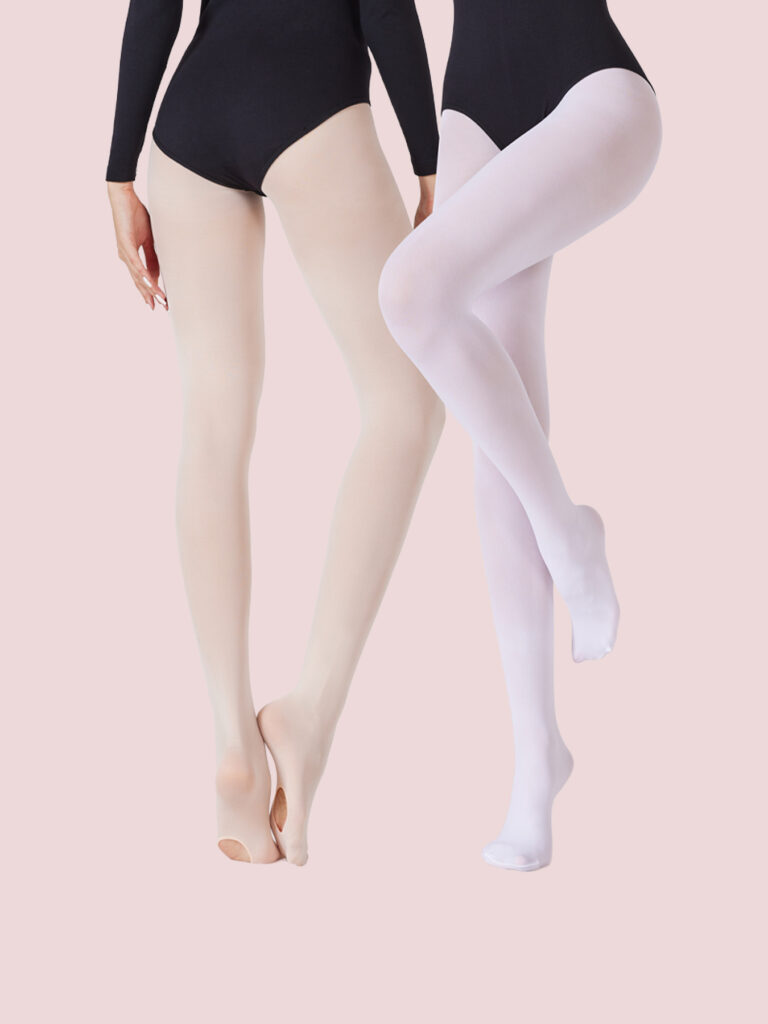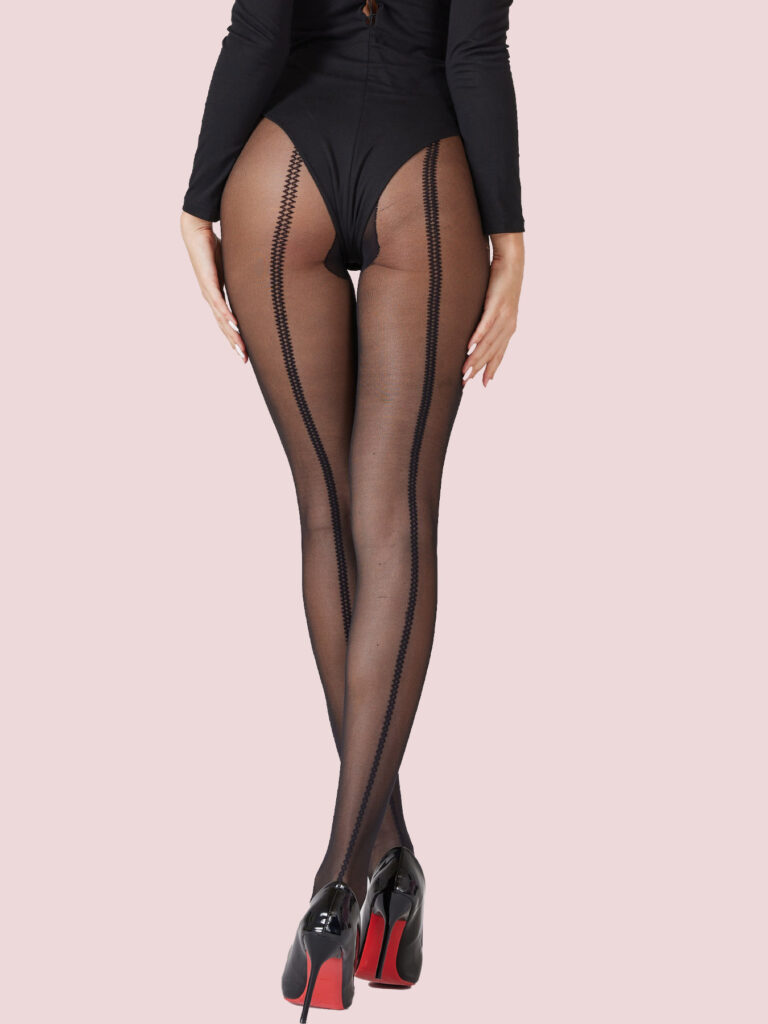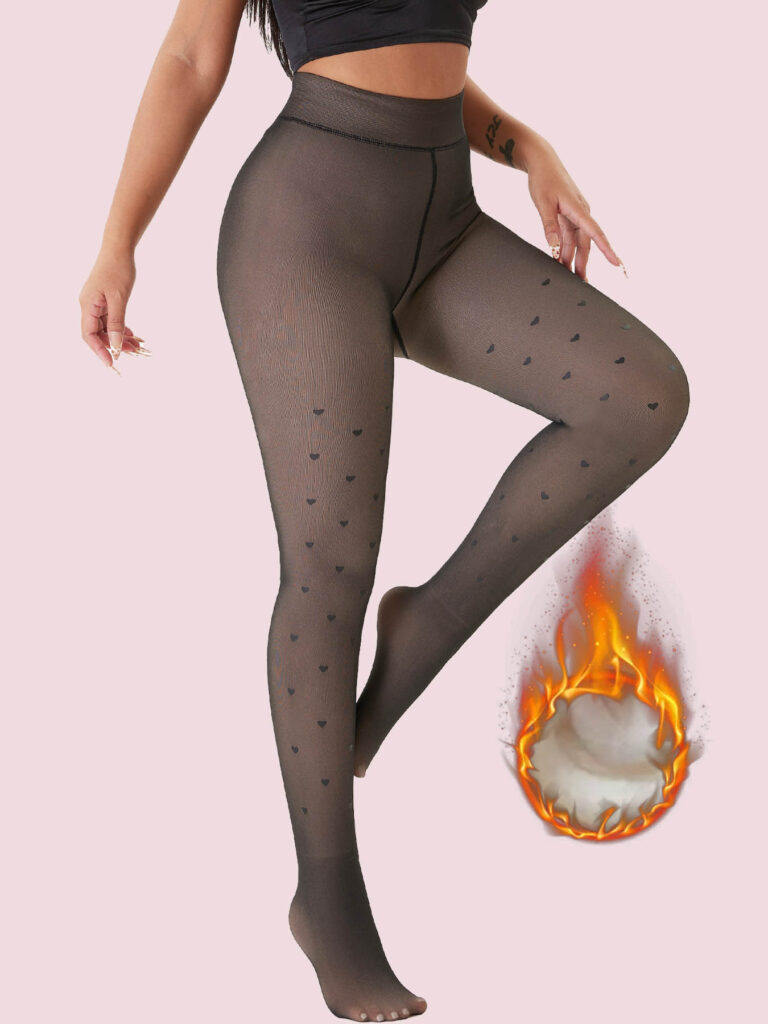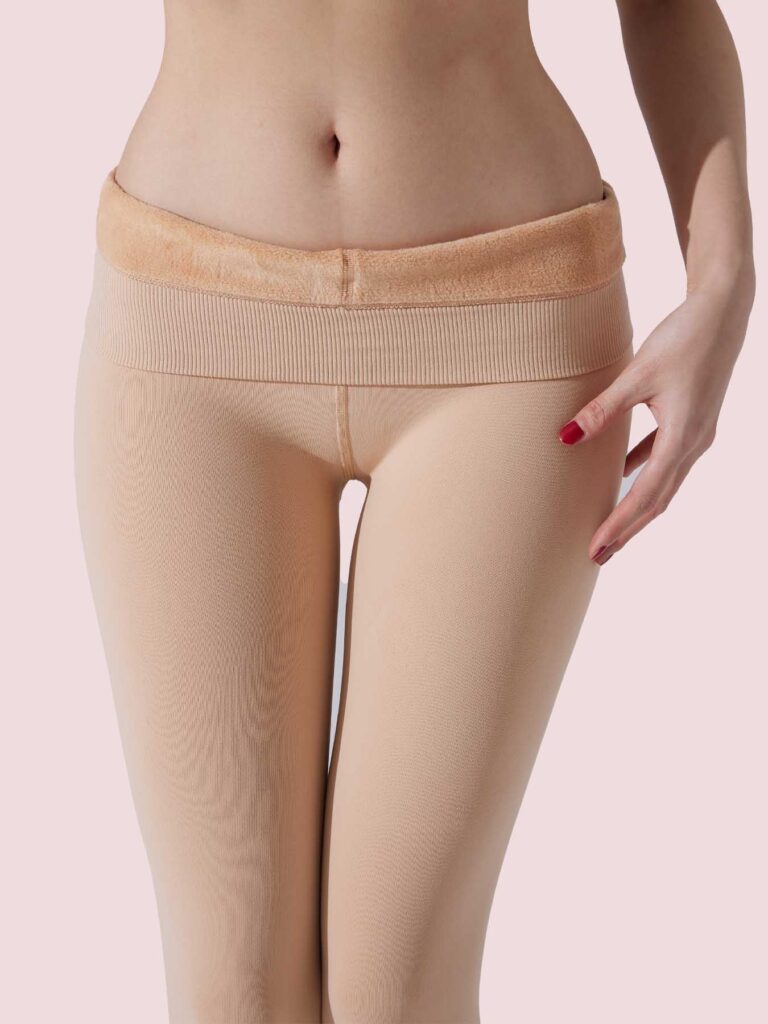
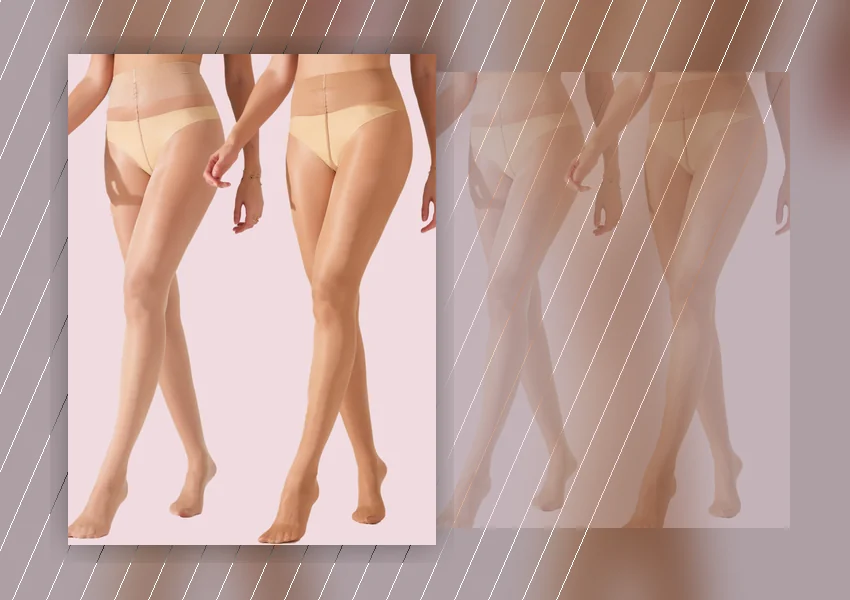
Parlak, ince bir tayt, küçük bir tedarikçi önizlemesinde neredeyse aynı görünebilir. Bacakta ise 10D, 15D ve 20D farklı perakende hikayeleri anlatır. Biri neredeyse yokmuş gibi hissettirir ve fotoğraf çekimine hazırdır. Biri ıslak görünümlü parlaklığı ön plana çıkarır. Biri biraz daha fazla kapatıcılık sağlar ve iade riskini azaltır. Bu nedenle, yağlı parlaklığa sahip taytların denye değeri sadece teknisyenler için değil, alıcılar için de önemlidir. Parlak tayt satın alan perakendecilerin denye değerini iklime, kanala, stile ve iade toleransına göre eşleştirmesi gerekir.
10D, şeffaflığın ön planda olduğu durumlarda en iyi sonucu verir.
10D yağlı parlaklık, setin en zarif seçeneğidir. Parti görünümleri, gece kulübü tarzı, dans esintili kıyafetler, yaz modası ve fotoğraf odaklı online mağazalar için uygundur. Bacaklara ıslak bir ışıltı verir, bu da bazı kanalların onu sevmesinin tam nedenidir. Aynı kalite, kusurları daha az gizlediği anlamına da gelir.
Bir alıcı düşünüyor 10D SMerhaba Sseviye Panti-hortum Koşu direnci, burun takviyesi, ağ yapısı ve esnedikten sonra parlaklığın nasıl davrandığı kontrol edilmelidir. Ürün diz üstünde yamalı bir görünüme sahipse, gerçek kullanımda zayıf bir görünüm sergileyecektir. Bel kısmı çok genişse, alışveriş yapanlar sorun uyumda olsa bile denye değerini suçlayabilirler. 10D, öne çıkan bir moda ürünü olarak karlı olabilir, ancak her pazar için en güvenli ilk sipariş nadiren olur. Perakendeci görünümü net bir şekilde açıklayabildiğinde ve iyi fotoğraflayabildiğinde en iyi şekilde satılır.
15D En Güçlü Moda Sinyalini Veriyor
15D genellikle yağlı parlaklığa sahip külotlu çorap toptan satışında ideal noktayı temsil eder. Hala şeffaf görünür, ancak kumaş biraz daha belirgindir. Parlaklık, sıradan şeffaf bir çoraptan daha göz alıcıdır ve ürün fotoğraflarında bacak daha pürüzsüz görünür. Özel etiketli parlak çoraplar için bu, opaklığa kaçmadan ürüne daha kaliteli bir hava katabilir.
O 15D oO-Gkayıp Sdikişsiz Tışıklar Bu, moda butikleri, pazar yeri satıcıları ve kapsül koleksiyonları için işe yarayabilecek ıslak görünümlü bir tarz sergilemek anlamına gelir. Alıcılar siyah, ten rengi ve kahve tonlarını dikkatlice incelemelidir çünkü parlaklık farklı ışık altında renk algısını değiştirebilir.
Bu denye oranı, ambalaj ekiplerine daha fazla seçenek sunuyor: ıslak görünüm, yağlı parlaklık, şeffaf parlaklık, yüksek bel, dikişsiz veya şekillendirici detaylar. Uyarı basit: Sadece model fotoğraflarda iyi göründü diye sıkıştırma veya dayanıklılığı abartmayın.
20D Geniş Perakende Sektörü İçin Daha Kolay
20D parlak taytlar genellikle ana akım perakendede daha kolay yer bulur. Hala ince bir his verirler, ancak alışveriş yapanlar biraz daha fazla örtücülük görürler. Dokusu daha az kırılgandır. Ürün, ofis kıyafetleri, gece kıyafetleri, tatil koleksiyonları, dans antrenmanları veya günlük giyim ürünlerinin yanında yer alabilir.
Örneğin bir tarz 20D Süst Gkayıplı Panti-hortum Alıcı, ürün yelpazesini çok niş hale getirmeden parlaklık istediğinde, 20D temel bir yeniden sipariş ürünü olarak işlev görebilir. Ayrıca, kumaş 10D kadar ince olmadığı için beden tablolarına biraz daha tolerans sağlar. Bu, beden denemesi ihtiyacını ortadan kaldırmaz, ancak ilk kez alışveriş yapanlar için riski azaltır. Zincir mağazalar ve büyük çevrimiçi satıcılar için 20D en güvenli temel olabilir. Daha keskin bir moda kapsülü için 10D, marka daha güçlü bir ıslak görünüm hikayesi istediğinde ise 15D ekleyin.
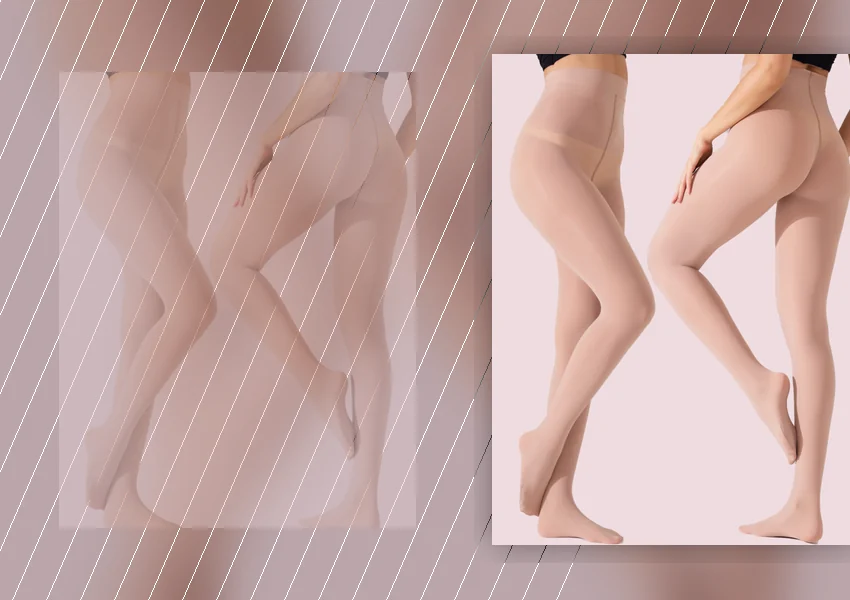
Denye değerini sadece fiyata değil, piyasaya göre ayarlayın.
İklim önemlidir. Sıcak iklimli pazarlarda 10D veya 15D kumaş tercih edilebilir çünkü ürün daha hafiftir. Daha serin iklimli pazarlarda ise 20D kumaş sezon boyunca daha uzun süre kullanılabilir. Yaş grubu da önemlidir. Genç moda tüketicileri, güçlü bir parlaklık için kırılganlığı kabul edebilir. İş kıyafetleri ve özel günler için alışveriş yapanlar ise daha pürüzsüz, daha güvenilir bir kesim isteyebilirler.
Kanal da satın almayı etkiler. Sosyal medya, video aracılığıyla çarpıcı bir 15D görünüm satabilir. Mağazalar, ürünün daha fazla vücut tipine ve giyim durumuna uygun olması gerektiğinden 20D'ye ihtiyaç duyabilir. Kostüm ve dans kanalları, eğer asıl çekici unsur bitiş kalitesi ise 10D veya 15D ürünler satabilir.
Alıcı, denye örneklerini mağaza aydınlatması, gün ışığı ve kamera flaşı altında karşılaştırmalıdır. Özellikle ürün fotoğrafları satın almayı etkiliyorsa, ince ve parlak külotlu çoraplar her üç ortamda da iyi görünmelidir.
Yağlı parlak külotlu çorap toptan satışında, en güvenli sipariş en ucuz denye olmayabilir. Bir pazar yeri mağazası, trafik için 10D, en güçlü görsel hikaye için 15D ve tekrarlanan temel ürünler için 20D'yi test edebilir. Özel etiketli parlak tayt programı aynı ambalaj ailesini kullanabilir, ancak her denye yine de kendi boyut ve dayanıklılık notlarına ihtiyaç duyar.
Özel Etiketli Üretim Öncesinde Neler Sorulmalı?
İplik detayları, spandeks geri kazanımı, boyama tutarlılığı, renk haslığı kontrolleri, burun takviyesi, bel bandı yapısı ve kutuya hazır beden kılavuzu hakkında bilgi isteyin. KıllıÇorap üretim hattımız, çok ince olandan opak olana kadar çeşitli denye değerleri, çoklu ağ yapısı, boyama ve terbiye kontrolleri, kalite kontrol personeli ve stok programları için bir depo sistemini içermektedir.
Özel sipariş için, OEM/ODM çorap hizmetiS Ambalaj, logo, renk, numune ve etiketleme işlemlerini gerçekleştirebilir. Daha hızlı pazar testi için, dağıtım desteği Alıcıların stok destekli bir ürün yelpazesiyle başlamalarına yardımcı olabilir. Bir alıcının özel etiketli bir ürün lansmanı için son parlak külotlu çorap modelini seçmeden önce ücretsiz bir örnek paket talep etmesi faydalı olacaktır.
One more question belongs in the first email: How will the finish be checked after the stretch? Glossy tights can look smooth in the pack and uneven on the thigh if yarn tension or dyeing is weak. Sheer shiny pantyhose also need a toe and crotch design that matches the selling price. That detail matters when reviews sit next to close-up photos.
Özel markalı parlak tayt siparişi vermeyi planlayan alıcılar, ilk siparişlerini odaklı tutmalıdır. Üç denye, iki temel renk ve bir şeffaf bitiş seçeneği, belirsiz tekrar sipariş derinliğine sahip geniş bir renk kartından daha kolay yönetilebilir. En iyi denye, müşterilerin hızlıca anlayabileceği, rahatça giyebileceği ve sürprizsiz tekrar sipariş verebileceği denyedir.
SSS
S1: İlk kez parlak tayt satın alanlar için hangi denye en güvenlisidir?
A1: 20D, genellikle geniş alanlı perakende satışlar için daha güvenlidir çünkü 10D'ye göre daha fazla kapatıcılık sağlar ve daha az kırılgan bir his verirken parlaklığını da korur.
S2: Perakendeciler ne zaman 10D şeffaf parlak külotlu çorap tercih etmelidir?
A2: Çok hafif, ıslak bir parlaklığın ana satış noktası olduğu cesur moda, parti, dans ve fotoğraf odaklı kanallar için 10D'yi tercih edin.
S3: 15D iyi bir özel etiket seçeneği mi?
A3: Evet. 15D genellikle şeffaf görünüm, ıslak görünümlü parlaklık ve perakende değeri arasında bir denge kurar, ancak numuneler çeşitli aydınlatma koşulları altında kontrol edilmelidir.