Nude hosiery stops being simple the moment it reaches a real retail floor. A shade that looks natural on one model can look chalky, too yellow, or oddly grey on another customer. With sheer pantyhose, the problem is sharper because the wearer’s own skin remains visible. The fabric does not replace the skin tone. It sits over it and changes the way light reaches it.
For a buyer, the answer is not a grand claim about a universal nude. It is a controlled shade range with a clear purpose for each color, an approval method that reflects normal shopping conditions, and packaging that helps customers choose without guessing. Inclusive hosiery is built through those details. It is not created by adding more shade names at the end of a product sheet.
Laseta operates as an experienced hosiery factory serving brands, importers, wholesalers, and retailers with both standard and customized legwear production. Its manufacturing scope covers pantyhose, tights, stockings, knee highs, sheer socks, and other hosiery styles, with support for OEM, ODM, and private label programs. With more than 25 years of production experience, Laseta manages key stages such as knitting, sewing, dyeing, finishing, quality inspection, and packing within its manufacturing system. The factory is equipped with 530+ Italian Lonati machines and can support large-volume orders as well as customized requirements for denier, yarn, sizing, colors, patterns, branding, and packaging, helping buyers develop hosiery collections from sampling through bulk production.
Build a Shade System, Not a Random Nude List
The opening question is how many customer groups the range needs to serve, not how many beige swatches a supplier can make. Begin with a small sequence that moves from light through medium to deep, then decide which undertone families deserve separate attention.
Separate Depth From Undertone
Shade depth is the lightness or darkness of the product. Undertone is the warmer, cooler, olive, red, or neutral cast that appears within that depth. Two medium nude pantyhose shades may have the same depth and still look entirely different on a leg. That is why names such as “tan” or “natural” are not enough for production approval.
Use a reference card that records hue, value, and chroma. Hue identifies the color family; value describes how light or dark it is; chroma describes the strength of the color. A buyer does not need to turn a hosiery range into a paint chart, but those three checks prevent a familiar mistake: approving a swatch that is close in darkness while missing a yellow or pink cast that will show under sheer fabric.
Fewer dye components can make a repeat color easier to control. The commercial decision is then whether an extra undertone earns its place through customer demand, rather than simply expanding the palette for its own sake. Brown sheer tights should be planned as a complete consumer-facing shade, with matching imagery and size availability, not as an afterthought added to a pale-nude range.
Give Each Shade a Store Role
The core collection may be three or four shades. Add deeper or more specific undertones when the retailer has a clear reason, such as a customer demographic, a regional store cluster, or repeat requests from fitting rooms. The aim is a usable choice, not a wall of samples that leaves staff unable to advise anyone.
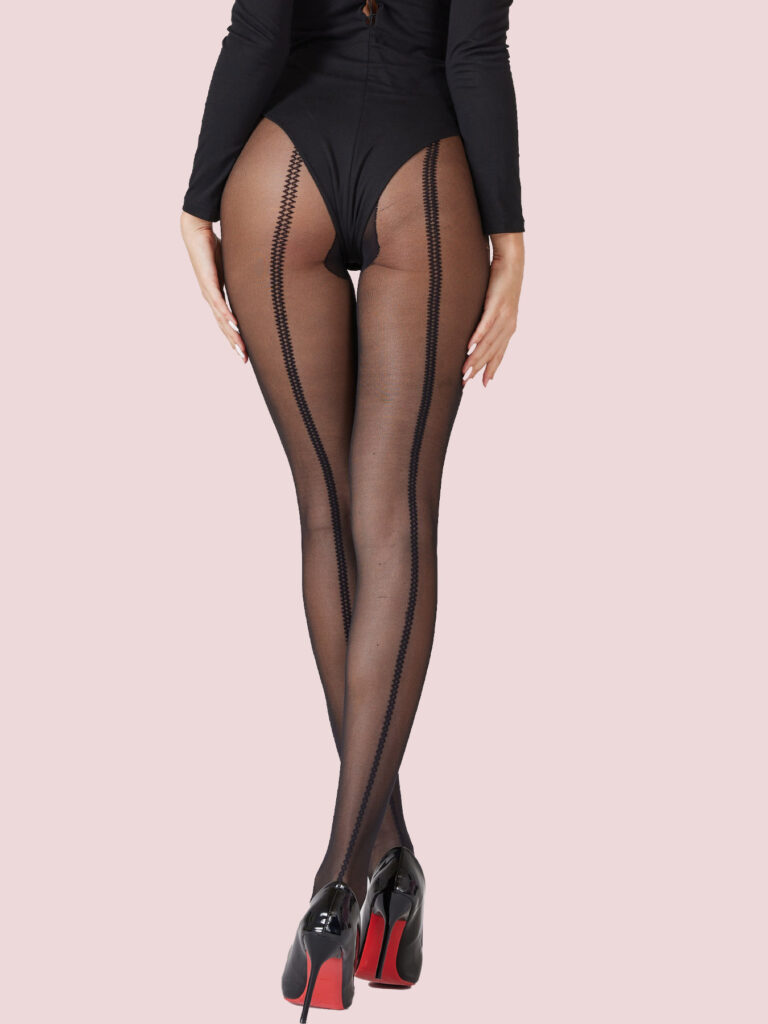
The black and nude 30D pantyhose reference makes a useful point about range architecture. Black and nude answer different wardrobe needs, even when the denier is similar. Black sheer pantyhose often works as the reliable contrast option, while a skin-tone sheer style has to earn trust through a more precise color match.
Test the Shades Under Retail Conditions
Color approval at a factory table is only the first step. A finished sheer product should be assessed in daylight, warm indoor light, and the lighting used for the retailer’s product images. The same shade can pull warmer under one source and cooler under another. A customer making a decision from a phone screen adds another variable.
Work With Finished Pairs
Knitting, dyeing, drying, heat setting, and boarding all contribute to the final product. Heat setting stabilizes the garment’s dimensions and elasticity; it is also part of the point at which the finished surface is judged. Approve the color on a completed pair that has followed the same process intended for bulk production, not only on a yarn card or unfinished tube.
Put the test pair on more than one wearer, or use leg forms with visibly different base tones. Check it standing near a window, under a warm store lamp, and in a simple phone-camera image. Ask a practical question: Does the pair look like an intentional finish, or does it look like an accidental cast? That note is more useful than a vague pass or fail.
The glossy nude fishnet tights product direction is especially useful as a reminder that surface finish changes color perception. A glossy surface reflects light differently from a matte one; a patterned overlay introduces another visual layer. A shade approved for a plain, natural look tight should not be copied directly into a gloss or fishnet construction without a fresh wear check.
Keep Warm Fleece Styles Separate
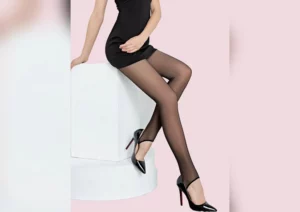
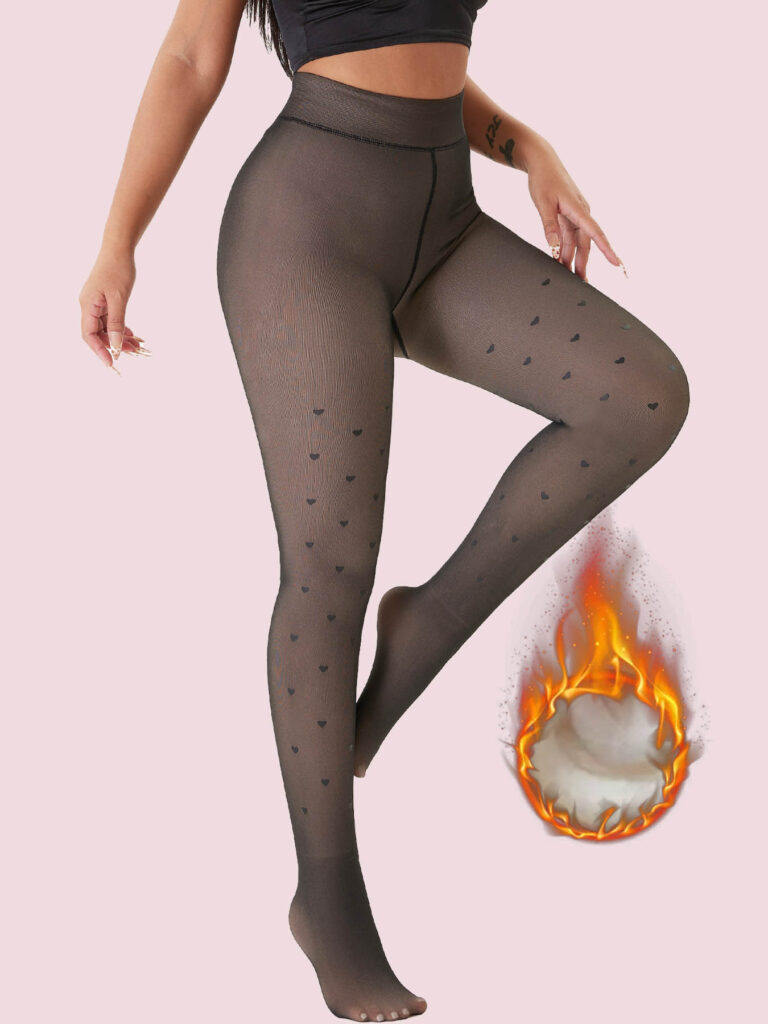
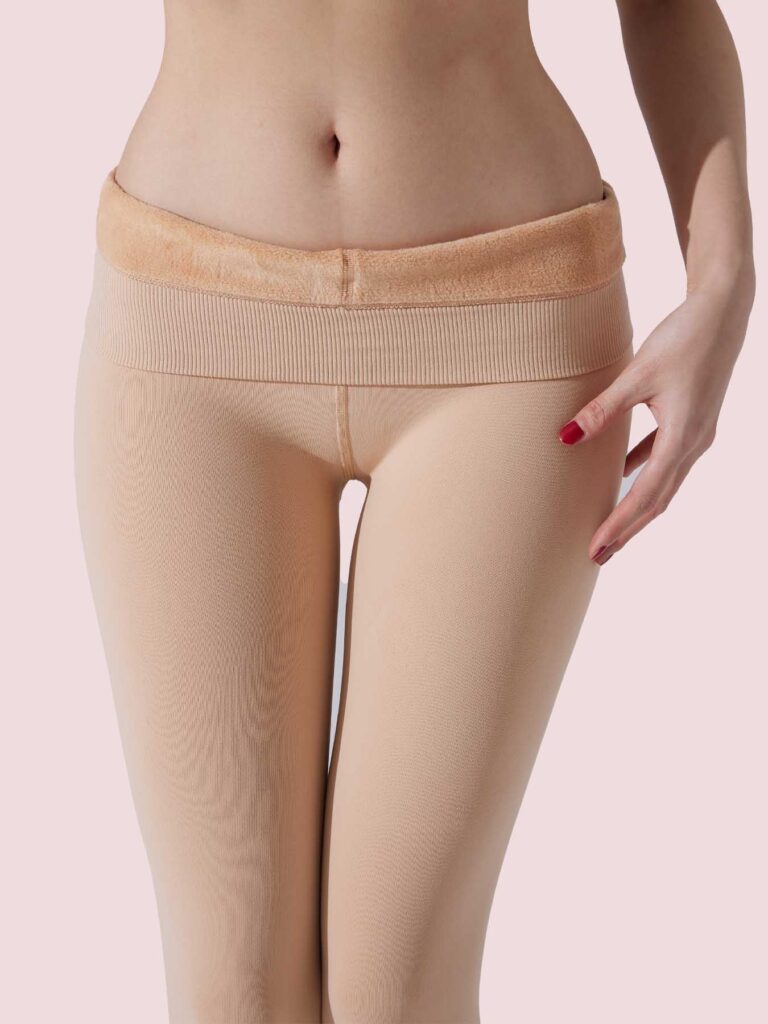
A double-layer or fleece-lined style can have a sheer-looking outer surface while its inner layer changes both warmth and visual depth. The nude double-layer pantyhose option needs a separate assessment from a conventional sheer, particularly where the buyer is promising a bare-leg appearance in colder weather. Do not use the same color card without checking the finished leg under normal indoor and outdoor light.
This is also where a retailer avoids a bad photo-led decision. A winter product may look close to a nude sheer in a retouched image yet behave differently in daylight and under stress. Give it its own shade name, pack explanation, and product page rather than letting it borrow the claims of a lightweight style.
Make Sample Approval Produce a Repeatable Standard
Once the buyer has chosen shades, the approval needs to become a record that a later production lot can follow. Keep a finished approved pair, the shade reference, a note on lighting used for approval, and the exact product construction. This is not bureaucracy. It lets a buyer tell whether a later complaint is really color variation, a surface-finish change, or a mismatch between the product image and the item received.
Check Color Alongside Stretch and Fit
Sheer fabric becomes lighter where it stretches. During sampling, check the ankle, knee, upper thigh, and hip area at normal wear tension. A shade may look even while laid flat but become patchy on the leg if the knit density or yarn tension changes. Nylon supplies strength and a smooth surface; elastane gives elastic, compression, and shape retention. Both affect the final appearance when a customer moves.
Ask for a free sample pack before the final shade order is locked. Include the lower and upper sizes in the planned range. A color that is stable in one size may look different in a larger size if the product stretches more over the leg. The test notes should cover color evenness, waistband position, leg length, and recovery after sitting, not only the shade name.
Audit Bulk Lots Before They Reach Stores
Visual inspection should compare finished pairs from across the lot against the signed reference. Dimensional checks also matter because changes in leg length or waistband width can alter the amount of stretch and therefore the apparent color. Hold any lot that shows a visible shift under the agreed light conditions until the cause is clear.
Color fastness is another practical approval point. The buyer should ask the supplier which test standard and performance requirement apply to the destination market. Rather than treating a broad fastness claim as a guarantee, put the required test and acceptance threshold in the purchase specification.
Sell the Choice Clearly at Retail
Good shade names are descriptive but not overconfident. “Light neutral,” “medium warm,” or “deep brown” gives a consumer more help than a line of romantic names with no tonal clue. Product pages can show each shade on different skin tones, provided the images are not so heavily edited that the garment loses its real appearance.
Avoid the Universal-Nude Promise
Natural-look tights are meant to look considered, not invisible on every person. The product page should explain denier, finish, shade family, and where the product sits in the range. It should also make clear when a style is a fashion gloss or a warm double-layer construction rather than a classic sheer basic.
The fake translucent nude tights product category is an example of why clear separation matters. It serves a winter, shear-look direction and should be presented with the extra warmth and construction information that comes with that role. It should not be presented as interchangeable with a fine skin-tone shear.
Bring Development Support in After the Range Is Defined
After the buyer has a stable shade architecture and an approved sample method, Laseta can help turn the brief rise into specifications for yarn, color, size, finish, logo, labels, and packaging. Laseta’s process includes knitting, dyeing, finishing, and inspection, so the shade approval can stay connected to the stages that shape the final retail pair.
Request a free sample pack again if a color, denier, finish, or packaging change is proposed after approval. The most useful second sample is not a fresh concept. It is a direct comparison with the signed reference, checked in the same light and on the same range of wearers.
FAQ
Q1: How many nude shades should a new sheer pantyhose range launch with?
A1: Three or four clear shades are often more useful than a long, confusing list. Choose a light, medium, and deep path first, then add undertone options when the retailer has a clear customer need.
Q2: Why can the same sheer shade look different on different people?
A2: The wearer’s skin remains visible through sheer fabric. Stretch level, light source, fabric finish, and the customer’s undertone all change the final appearance.
Q3: What should buyers retain after a shade is approved?
A3: Keep a finished signed pair, a physical or digital shade standard, the product construction, the lighting notes, size information, and the acceptance criteria for later production checks. We would be glad to answer any questions you may have.