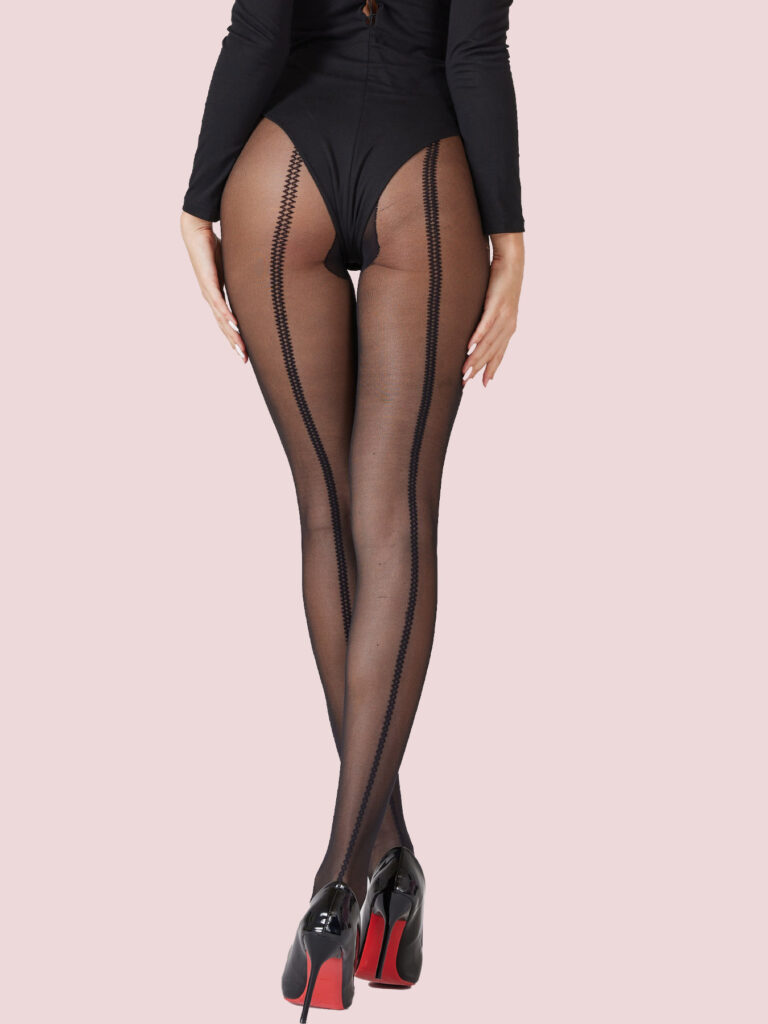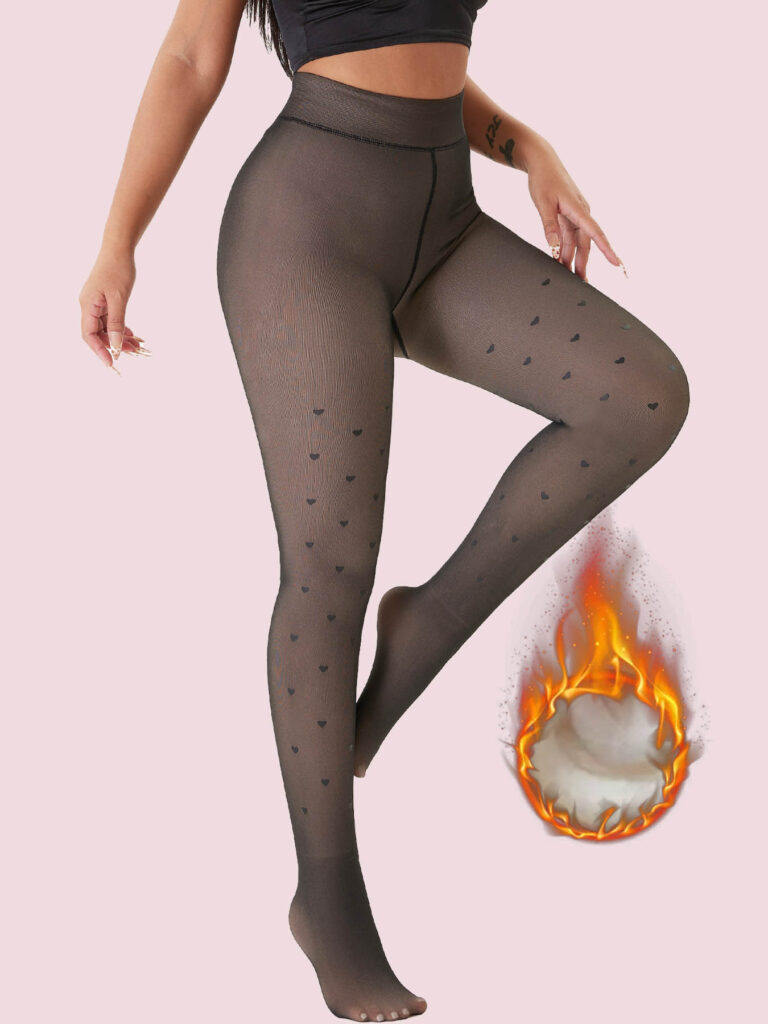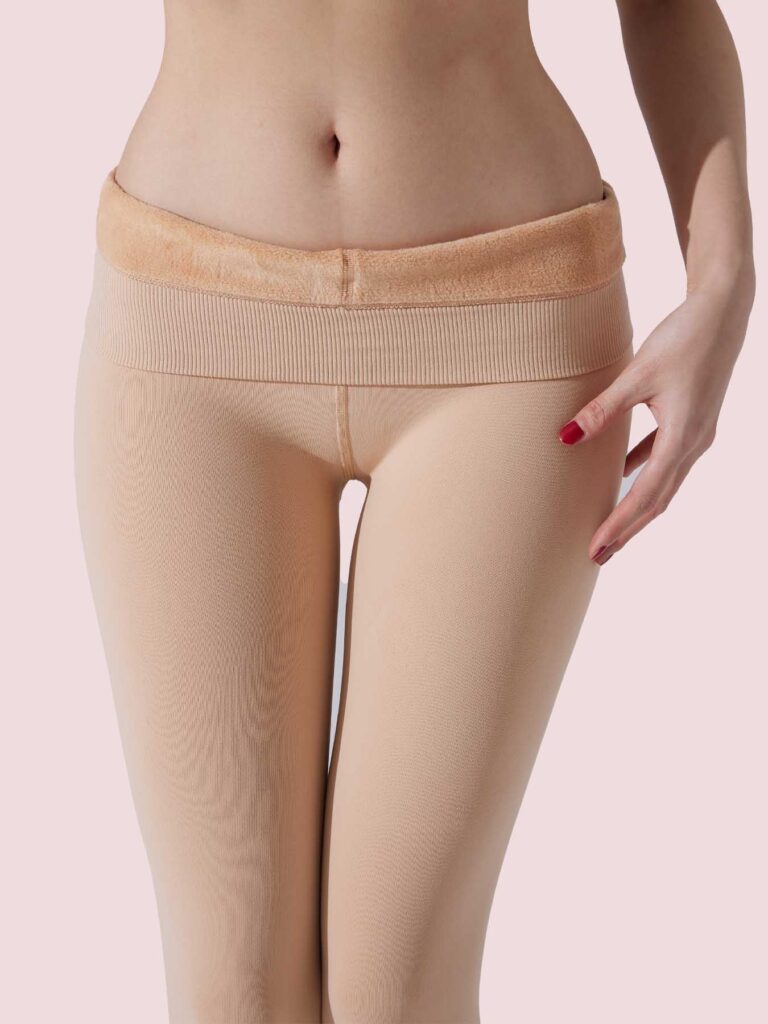
Блестящие изделия быстро раскупаются, если отделка соответствует цвету ткани. Однако, если все яркие модели воспринимаются как один и тот же продукт, они могут быстро превратиться в медленно продающийся товар. Для чулочных изделий под собственной торговой маркой вопрос не в том, нравится ли покупателям блеск. Многим нравится. Вопрос в том, какой блеск обеспечивает покупателю достаточную прибыль, четкий стиль и меньше жалоб на посадку после первого сезона.
Для большинства наборов, Волосатый Компания Laseta может обосновать ваше решение широким ассортиментом колготок, опытом работы по OEM/ODM-заказам, наличием товаров на складе и знанием особенностей производства, включая пряжу, плотность, окрашивание, закрепление волокон и контроль качества. Это важно, потому что блестящие колготки и глянцевые чулки могут выглядеть похожими на фотографиях, но вести себя по-разному в торговых залах. Laseta также предлагает бесплатные услуги по нанесению образцов для облегчения выбора покупателями.
Блеск – это не один артикул.
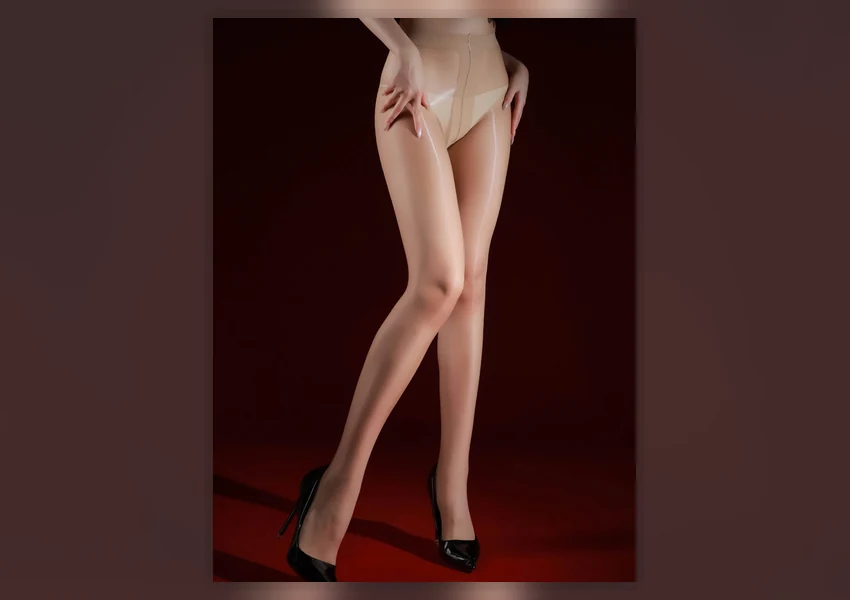
Блестящие колготки с масляным покрытием находятся на более высоком уровне блеска. Их поверхность гладкая, зеркальная и выглядит более эффектно при освещении в магазине, в видеороликах для социальных сетей и в сочетании с ночной одеждой. Они часто лучше всего подходят, когда ритейлер хочет создать более смелый модный образ. Глянцевые колготки кажутся более привычными. Они по-прежнему отражают свет, но эффект более гладкий, и их легче сочетать с офисной одеждой, вечерними платьями, танцевальной одеждой или сезонными базовыми вещами.
Изменения коснулись и фабричной стороны. Сильный блеск зависит от выбора пряжи, способности спандекса восстанавливать форму, равномерности окрашивания и контроля закрепки. Нейлон обеспечивает износостойкость и чистую поверхность. Эластан, лайкра или пряжа с сердечником помогают изделию восстанавливать форму после растяжения. Если базовая ткань слабая, на блестящих колготках могут проявиться все недостатки: полосы, неравномерный цвет, плохое натяжение пояса и слабое усиление мыска.
Там, где побеждает блеск масла.
Эффект масляного блеска может стать удачным решением для брендов, продающих клубную одежду, фестивальные образы, костюмы, танцевальную моду или трендовые капсульные коллекции в формате коротких видеороликов. Такая отделка хорошо смотрится на фотографиях, особенно в черном, бежевом, кофейном и металлизированных цветах. Это также позволяет частным брендам предлагать более высокую цену, чем на обычные прозрачные колготки, не прибегая к сложным узорам.
Риск заключается в чрезмерной покупке. Колготки с эффектом мокрой поверхности часто вызывают больше споров, чем обычные глянцевые. Необходимы более четкие фотографии, понятные названия цветов и более привлекательная упаковка. Покупатель должен оценить блеск при теплом и холодном освещении, а затем проверить, как выглядит поверхность после растягивания вручную. Высококачественная мокрая поверхность не должна мутнеть на бедре или колене. Она должна аккуратно восстанавливать свой первоначальный вид после носки и натяжения. Для брендов, которым нужен готовый визуальный ориентир, женские блестящие колготки показать, как яркая поверхность может оставаться внутри носимых прозрачных колготок.
Где глянцевые покрытия безопаснее
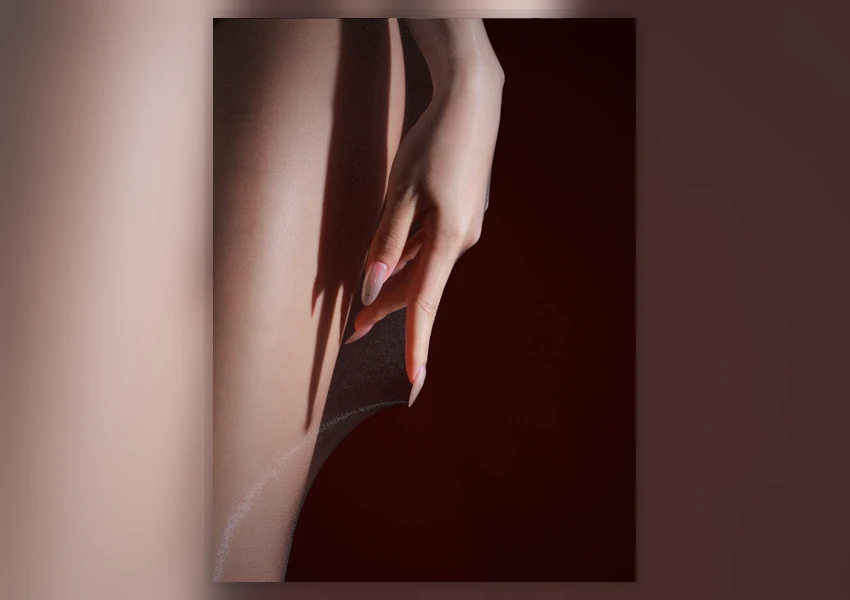
Стандартные глянцевые блески обычно проще заказать повторно. Они сочетают в себе моду и повседневную носку, поэтому покупатели могут использовать их для вечеринок, офиса, праздников и нарядных образов, не рискуя сильно менять свой стиль. Для розничных сетей, магазинов-маркетплейсов и каталожных брендов такая широкая область применения часто важнее, чем максимально возможный блеск.
А категория стандартных стилей глянца Может включать в себя несколько вариантов плотности, цветов и уровней утяжки. Это помогает брендам создавать линейку: полупрозрачный блеск для вечерних выходов, полупрозрачный блеск для офисной одежды и более глубокий непрозрачный блеск для зимних или осенних коллекций. Яркие полупрозрачные колготки могут располагаться рядом с ним в качестве более визуально привлекательного элемента, а не единственного блестящего товара в ассортименте.
Для небольших брендов более безопасным вариантом часто является одна основная глянцевая модель, одна модель с блестящим покрытием и один товар черного цвета для повторного заказа. Это обеспечивает разнообразие ассортимента без создания слишком большого количества размеров и оттенков до того, как спрос станет очевидным.
Характеристики, определяющие, выглядит ли Shine премиально.
Первый параметр — плотность ткани (денье). Меньшая плотность, часто от 8D до 20D, делает ногу полупрозрачной и блестящей. Средняя плотность, например, 30D и 40D, обеспечивает большее покрытие, сохраняя при этом гладкую поверхность. Покупателям, сравнивающим стиль с масляным блеском со стандартным глянцевым стилем, следует попросить одинаковый цвет на двух разных плотностях ткани, а затем проверить, не изменится ли оттенок после окрашивания и фиксации.
Второй важный параметр — баланс эластичности. Для придания блеска необходима гладкая поверхность, но при этом изделие должно хорошо сидеть по фигуре. Слишком мало эластана приводит к провисанию в области лодыжек и коленей. Слишком сильная компрессия может вызвать разрыв голени в области бедра. Фабрика, использующая контролируемое вязание, красильные ванны, калибровку цвета и окончательный контроль качества, имеет больше шансов обеспечить стабильный уровень повторных заказов.
Третий аспект — упаковка. Блестящие колготки продаются за счет визуального эффекта. Упаковка с окошком, прозрачные образцы оттенков и фотографии моделей полезны. Но упаковка под собственной торговой маркой не должна давать чрезмерных обещаний. Если модель глянцевая, а не с эффектом мокрой ткани, назовите ее глянцевой.
Практичный набор для рождественского чулка
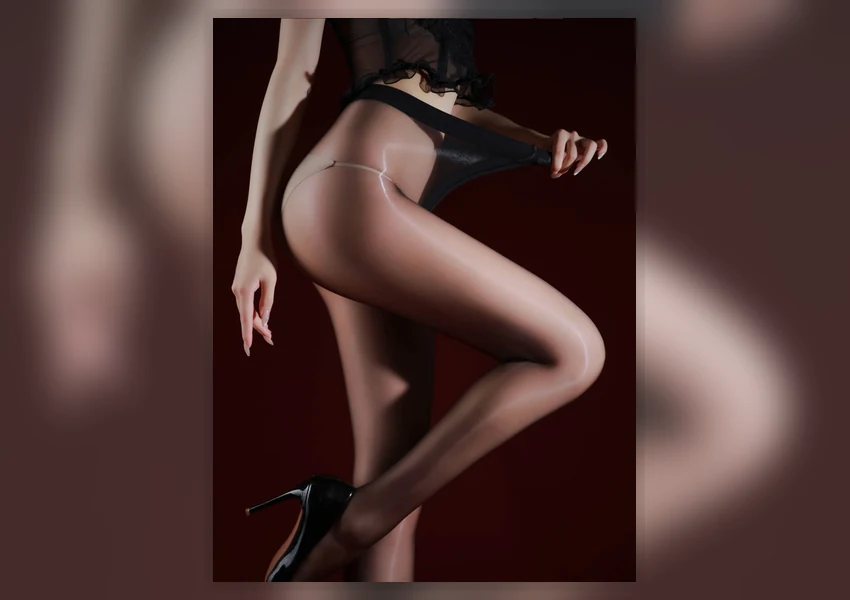
Новый бренд может рассматривать блеск как трехкомпонентную капсульную коллекцию. Начните с одного повседневного глянцевого черного оттенка, одного полупрозрачного блеска телесного или кофейного цвета и одного более смелого варианта колготок с эффектом мокрых краев для привлечения трендовых покупателей. Крупные розничные сети могут добавить сезонные цвета, варианты с утягивающим эффектом или узорчатые накладки после того, как будет доказана эффективность повторных продаж. Фабрики с Поддержка OEM и ODM производства трикотажных изделий Можно корректировать упаковку, цветовые карты, плотность ткани, стиль пояса и маркировку бренда. Покупатели, ориентированные на наличие товара на складе, также могут обратить внимание на следующие параметры: поддержка распространения когда приоритет отдается более быстрому пополнению запасов, а не полностью индивидуальному запуску.
Для программ, обеспечивающих абсолютный блеск, Колготки от 5 до 20 ден. Это естественное место для проверки цвета, тактильных ощущений и отражения света, прежде чем переходить к более широкому ассортименту стандартных глянцевых покрытий. Еще одна проверка, которую следует провести на встрече с закупщиками: освещение в магазине. Оттенок, который выглядит насыщенным в демонстрационном зале, может выглядеть слишком отражающим под светодиодными полками или слишком плоским на фотографиях при естественном освещении. Если запуск будет основан на социальных сетях, попросите образцы, сфотографированные на манекенах, в разобранном виде и с помощью подвижной модели. Этот небольшой шаг часто позволяет выявить несоответствие отделки до того, как будут напечатаны коробки.
Глубина цвета — ещё один скрытый вопрос, влияющий на прибыль. Чёрный цвет обычно легче всего заказать повторно, но нюдовые и кофейные оттенки требуют более тщательного рассмотрения, поскольку блеск может сделать подтон кожи более тёплым или холодным. Покупатель, планирующий несколько оттенков кожи, должен утверждать образцы, полученные методом пробного нанесения, и готовые образцы вместе, а не по отдельности. Окончательное утверждение также должно включать макеты упаковки. Если косметика выглядит премиально на крупном плане, то для неё может потребоваться более спокойная упаковка, если она продаётся рядом с товарами повседневного спроса. Лучшая реклама на полке — чёткая, но не кричащая.
Часто задаваемые вопросы
В1: Что следует в первую очередь предлагать под собственной торговой маркой: блеск с маслом или стандартный глянцевый блеск?
A1: Стандартные глянцевые оттенки обычно являются более безопасным вариантом для первой покупки, поскольку они подходят к большему количеству нарядов и сезонов. Оттенки с масляным блеском имеют смысл в качестве небольшой модной капсулы или визуально привлекательного элемента гардероба.
В2: Сложнее ли производить блестящие колготки стабильно высокого качества?
A2: Возможно. Отделка быстро выявляет проблемы с пряжей, окрашиванием, закреплением и посадкой, поэтому образцы следует проверять при нескольких источниках света и после восстановления эластичности.
В3: Сколько моделей колготок с эффектом мокрой ткани следует выпустить новому бренду?
A3: Для первоначального тестирования достаточно одного-двух вариантов. Сначала закупите ограниченное количество, следите за возвратами и скоростью повторных заказов, а затем добавьте цвета или варианты с управлением сверху.