
When customers say tights keep ripping, the complaint may point to more than a weak yarn. Snagging can begin during pull-on, catch on a rough shoe, appear after washing, or start at a seam, toe, or waistband that was never checked in the intended size. For a retailer, the result looks simple: an acceptable-looking pair comes back with a ladder. The buying response should be equally practical. Find the point of failure before changing the whole product.
Sheer hosiery needs a quality conversation that includes yarn, denier, loop structure, recovery, finishing, handling, and packaging. A product promoted as durable sheer tights still has a limit. Clear limits and a repeatable pantyhose quality test are more useful than a blanket claim that the pair is snag-proof.
Laseta works with hosiery buyers reviewing sheer pantyhose construction, yarn direction, denier, knitting, toe reinforcement, seams, finishing, dyeing, size grading, and packaging. The focus is on identifying where damage begins and matching the product specification to its intended retail use.
A soft handfeel alone does not prove that a sheer style will resist every snag risk. Laseta can help buyers arrange finished-sample checks that cover pull-on handling, stretch across the size range, footwear contact, washing, packing condition, and repeated problem areas such as the toe, gusset, waistband, or seam.
Repeated snagging complaints can lead to product returns and unnecessary changes to an entire hosiery collection. This guide helps wholesale buyers identify where fabric damage begins, evaluate yarn and construction choices, and establish practical quality checks. The goal is to address recurring defects before approving the next production run.
Find the First Failure Point
Separate Handling Damage From Wear Damage
Ask when the tear appeared and what the customer was doing. A sharp nail, rough ring, broken shoe edge, or jewelry catch can damage a very fine fabric during dressing. A ladder that begins at the toe, gusset, or waistband suggests a different review from a pull across the thigh. Do not treat every hosiery returns case as evidence of the same manufacturing fault.
Use a simple complaint record: size, shade, denier, location, first wear, footwear, wash method, and whether the snag started while dressing. Patterns become clearer when the information is recorded by SKU instead of collected as general dissatisfaction.
Look at the Product After Stretching
A flat sample may hide a weak area. Stretch the finished pair across the intended waist, hip, thigh, knee, calf, and foot. Watch for opened loops, a sharp transition, inconsistent coverage, or a line that becomes much thinner than the surrounding fabric. Repeat the check in the boundary sizes. A fine pair can be sound in the middle size and too stressed at the upper end.
Review Materials and Knit Construction
Denier Sets a Starting Point, Not a Durability Guarantee
Lower denier usually means a finer, more transparent appearance, but it also leaves less visual and physical margin during handling. A higher denier may provide more coverage, yet it can still snag if the surface, toe, seam, or finish is poorly balanced. The buyer should match the durability expectation to the product’s actual use, rather than using denier as a shortcut.
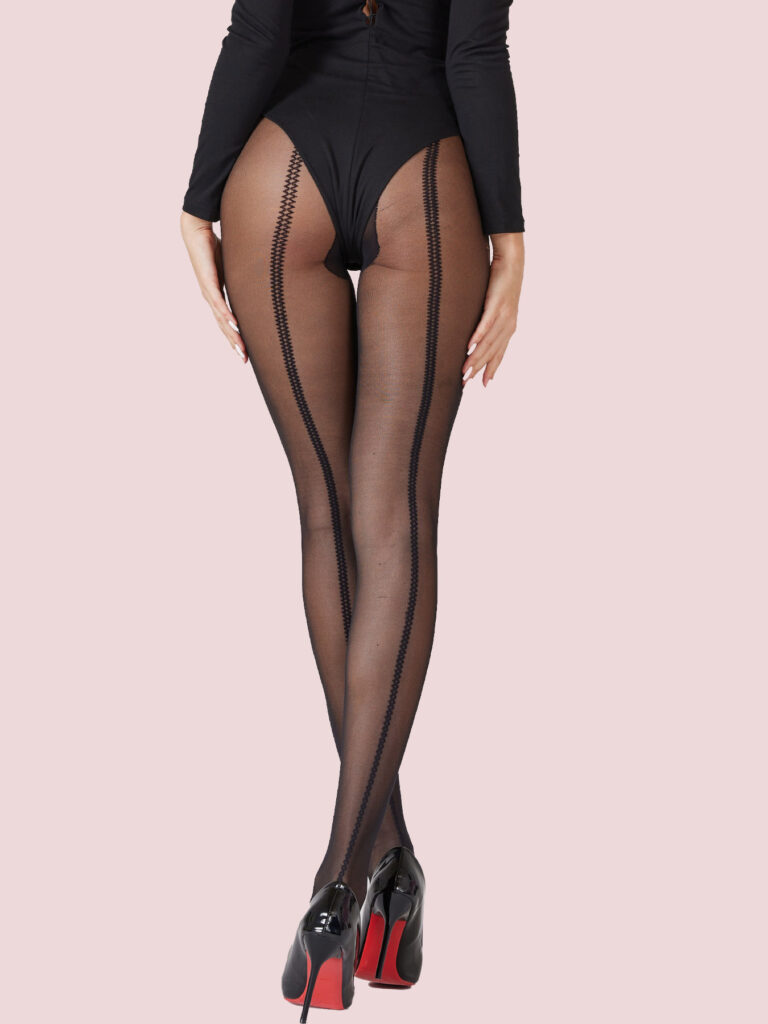
Он вультрапрозрачные бесшовные колготки из пряжи с сердцевиной direction is a helpful reference for comparing a fine sheer leg with a stronger performance promise. A reference style should still be tested in the customer’s footwear and movement conditions. Dance, daily officewear, and a fashion shoot create different risks.
Check Yarn, Loops, and Recovery Together
Nylon contributes surface smoothness and strength, while elastane supplies stretch and recovery. The relationship between yarn choice and knitted loops affects how the fabric opens during wear. Heat setting, dyeing, drying, boarding, and finishing can also change handfeel, dimensions, and recovery. Review the completed garment, not just a yarn description.
If a pair returns with repeated damage at one construction point, ask whether a reinforced toe, a different gusset, a smoother transition, or a revised finishing route is appropriate. The change should be tied to the failure location.
Make the Test Resemble Retail Use

Test Pull-On and Movement
Have testers put the finished pair on with clean hands, then sit, stand, walk, bend, and wear the intended shoe. Inspect the legs after movement and again after removal. Record whether the problem came from the toe, heel, inner thigh, waistband, crotch, or an exposed edge. This is not a laboratory durability rating, and it should not be presented as one. It is a product-development check that helps identify obvious weak points.
Запросите бесплатно пробный набор with more than one size and color when the planned range includes sheer black and nude. Dark dye and light dye can create different visual expectations, while stretch changes apparent transparency. Keep notes for each sample rather than relying on memory.
Add a Wash and Storage Check
Use the care method intended for the pack. Compare the pair before washing, after the first wash, and after the agreed review period. Inspect snags, pilling, waistband recovery, toe condition, and shade. Store one pair folded as packed and another in the way a retailer may handle opened stock. A rough card edge or careless fold can create damage before sale.
Reduce Avoidable Returns Through Better Information
“Durable” should be supported by a clear description of intended use, care, toe construction, size selection, and known limits. Product photography should show the actual sheerness and surface. Do not edit a fine pair until it resembles bare skin if customers will receive visible coverage. A mismatch between image and garment can become a return even when the yarn performed normally.
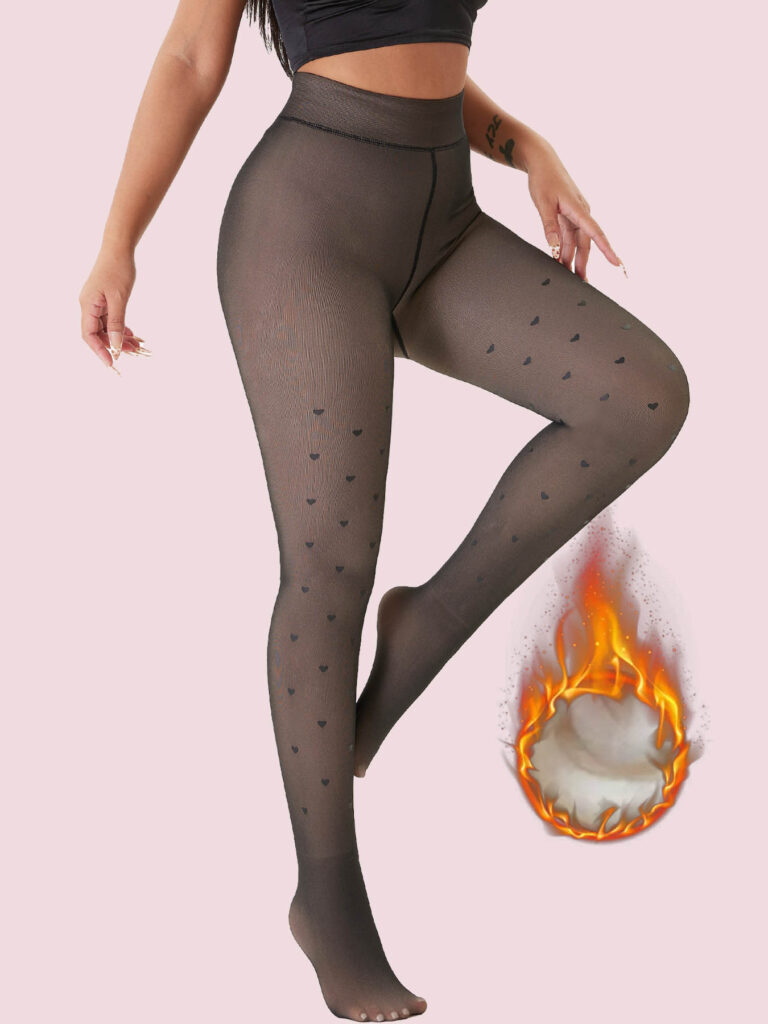
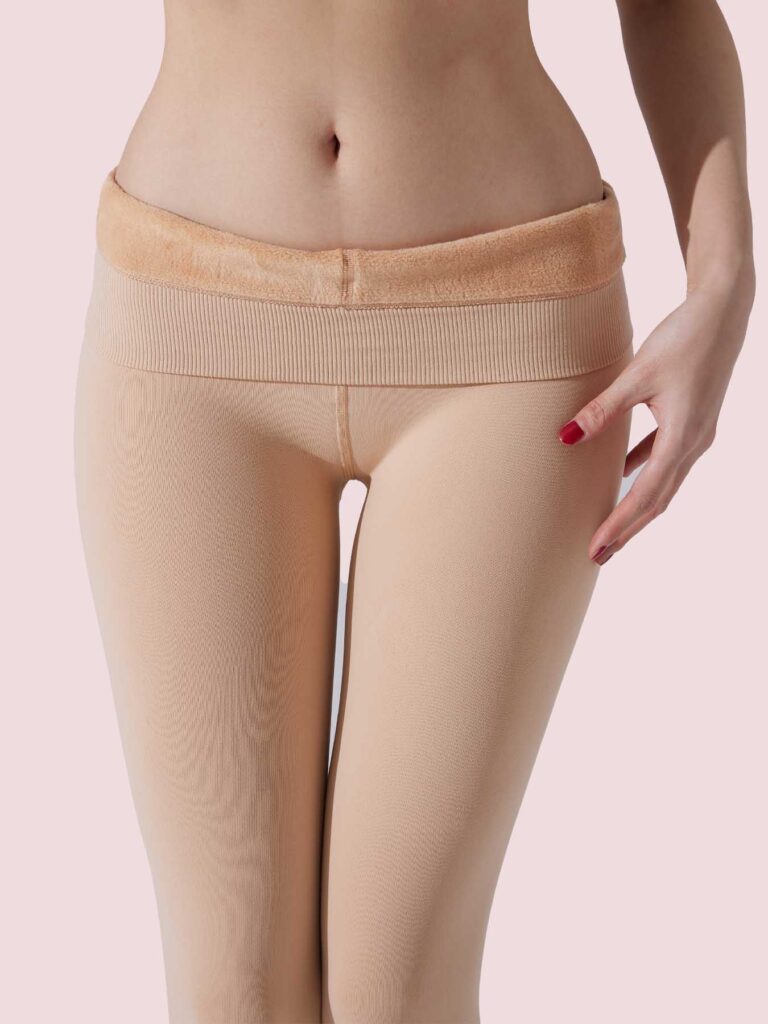
Use the fleece-lined sheer warm pantyhose direction as a reminder that layered hosiery has its own handling and expectation profile. A warm lined construction should not be judged by the same snag standard as an ultra-sheer fashion leg. Product naming and pack information need to keep those roles separate.
Build a Supplier Review Around Evidence
Once the failure points are clear, Лнабор can support discussion about yarn direction, knitting, finishing, size grading, and packing. Ask for a finished sample and the production details relevant to the complaint. Pantyhose product gives a broader comparison set, but each shortlisted product still needs its own fit and handling review.
For the next order, retain an approved sample, complaint photos, test notes, and packaging proof. Request a free sample pack again when the yarn, denier, toe, gusset, dye shade, finish, or pack changes. A small check at that stage can prevent a new snag pattern from being mixed into a familiar SKU.
At store level, train staff to distinguish a manufacturing-looking fault from damage caused by a sharp surface without dismissing the customer. A respectful inspection process preserves useful evidence. Photograph the location before handling the pair further, retain a small sample of affected returns where practical, and compare the pattern with the approved reference. Several returns from the same toe, seam, or size deserve a production review. When a repeat pattern appears, hold the relevant color, size, and production lot together until the review is complete. A mixed carton can hide the pattern that matters. Compare the location and direction of the damage before agreeing on a correction.
Часто задаваемые вопросы
Q1: Why do tights keep ripping even when the fabric feels soft?
A1: The damage may start during dressing or at a toe, seam, gusset, waistband, shoe edge, or other stressed point. Soft handfeel alone does not confirm resistance to every snag risk.
Q2: What belongs in a pantyhose quality test?
A2: Include pull-on handling, stretch across the planned size range, movement in intended clothing and footwear, toe and seam inspection, recovery, care testing, packing condition, and a record of where damage begins.
Q3: Can a supplier guarantee that sheer pantyhose will never snag?
A3: No responsible product brief should promise zero snags without a defined test and scope. The buyer should agree on construction, use conditions, care, sample approval, and the claims supported by the finished product.
Turn Snagging Returns Into Corrective Action
Repeated laddering or snagging complaints need evidence before the factory changes the entire construction. Laseta can help compare affected samples with the approved reference, review production details, and identify whether the issue is linked to yarn, knit structure, finishing, handling, or packaging.
Prepare complaint photos, affected sizes, color details, production lots, and the location of the damage. Запросите бесплатно sheer pantyhose пробный набор for side-by-side testing of the revised construction. For durable sheer tights and wholesale pantyhose quality control, свяжитесь с Ласетой with the failure pattern and required retail use.