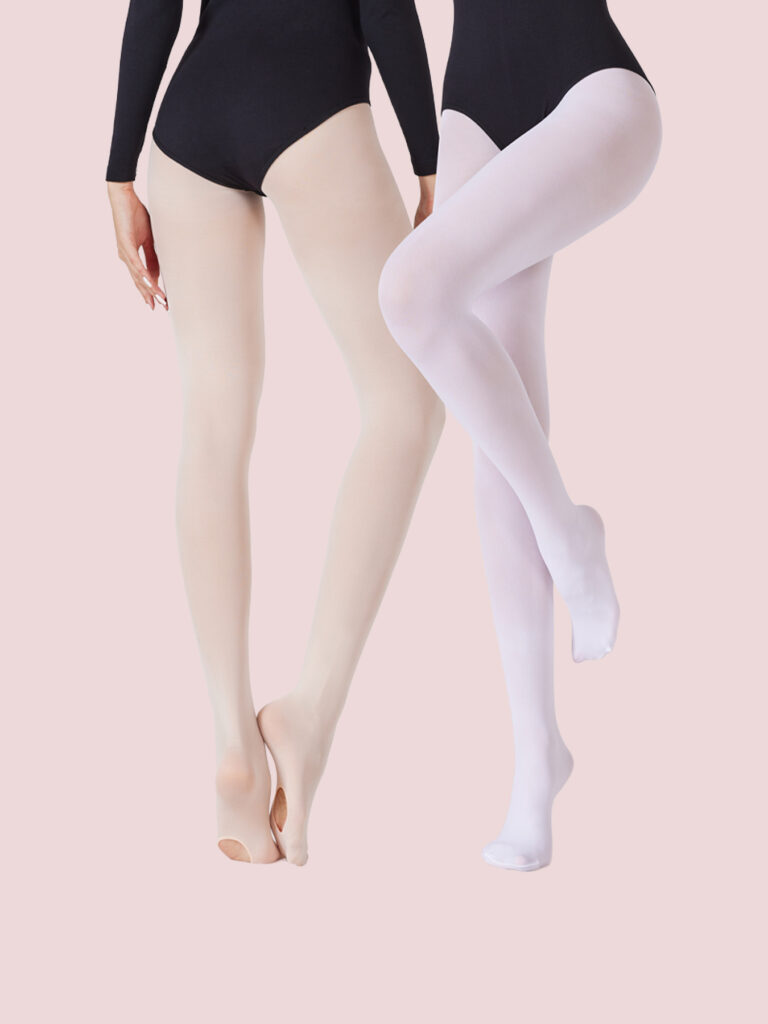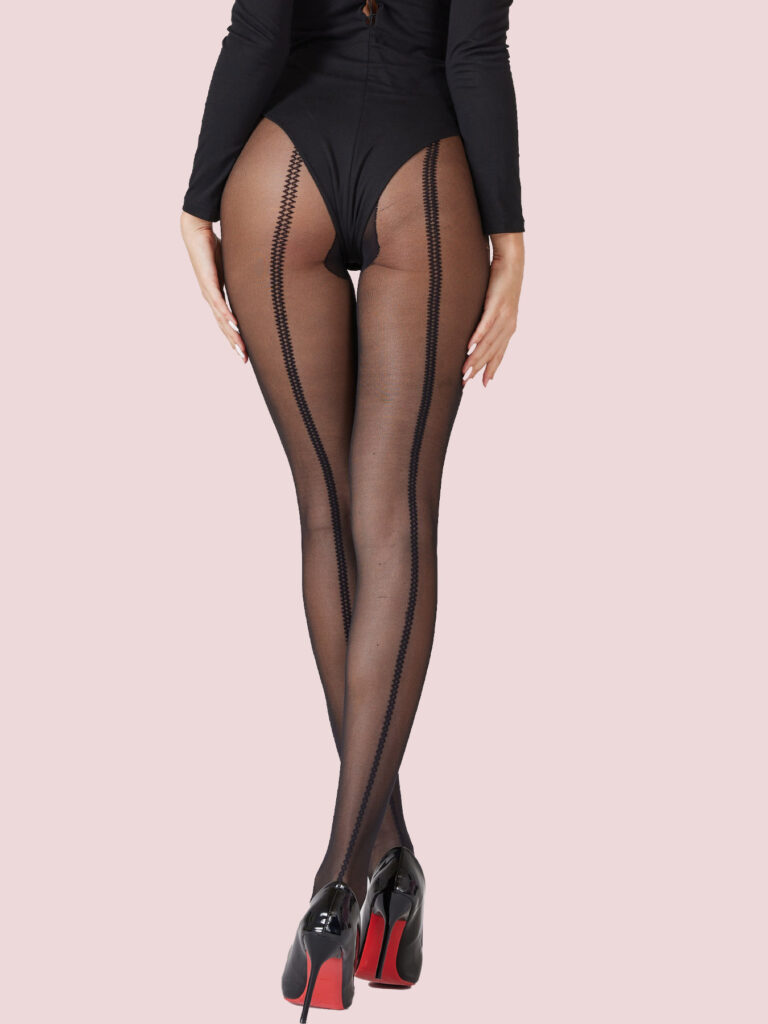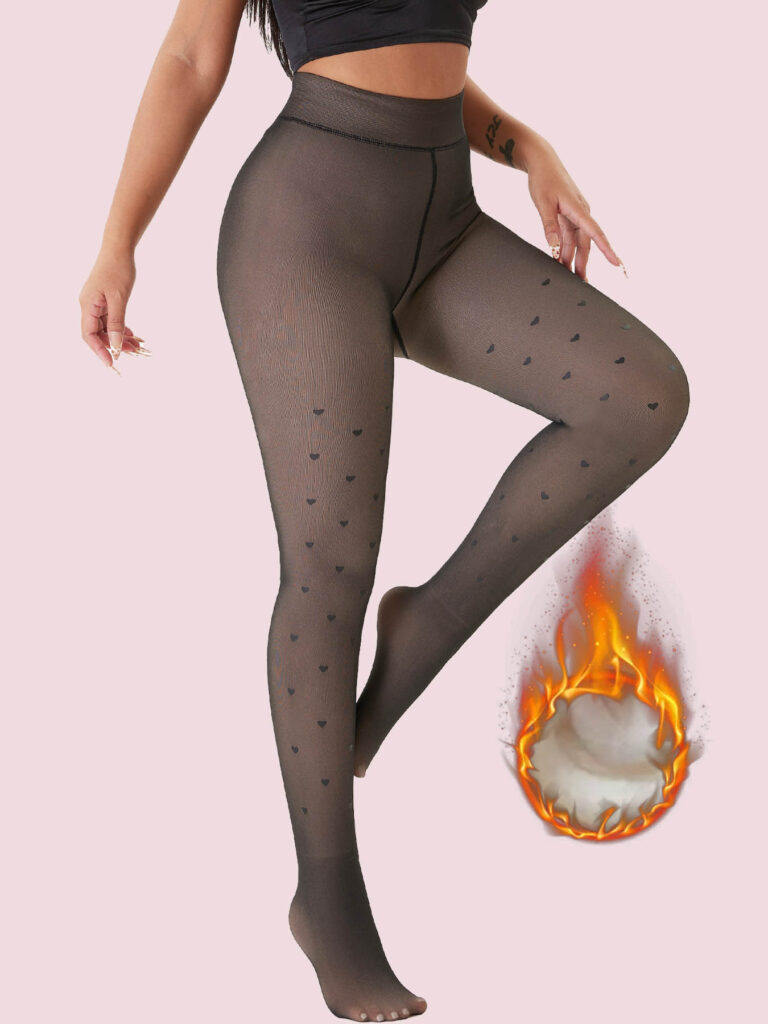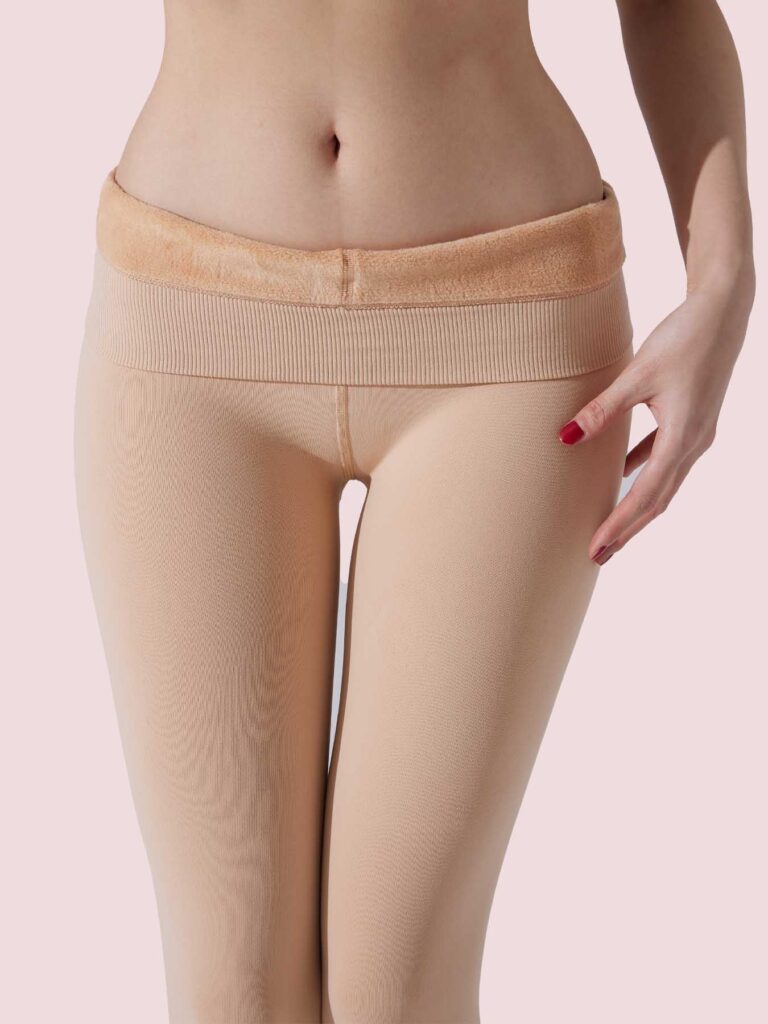
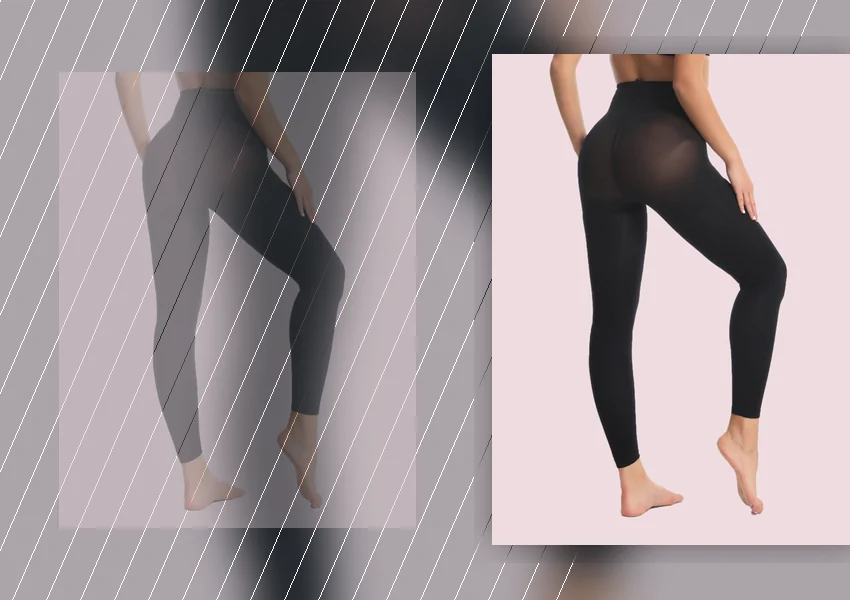
As meias-calças sem pé estão de volta porque resolvem um problema de estilo muito comum. Os consumidores querem cobertura nas pernas, mas nem sempre querem tecido dentro do sapato. Sapatilhas de ballet, mocassins, tênis, sandálias de bico aberto, sapatos de dança e botas de inverno tornam o formato sem pé útil novamente. Para os compradores, isso dá à categoria uma razão de ser melhor do que um mero retorno passageiro da moda. A questão do fornecimento é mais prática. Um programa de atacado de meias-calças sem pé precisa abranger a espessura (denier), o cós, o acabamento do tornozelo, a variedade de tamanhos e a embalagem ideais. Peludo Oferece aos compradores uma base de meias com opções sem pé, opacas, com forro de lã, de compressão e de marca própria, o que ajuda a linha a ir além de uma única meia preta básica.
Por que as meias-calças sem pé se encaixam nos hábitos de consumo atuais?
O ponto forte no varejo é a versatilidade. As meias-calças sem pé combinam com roupas esportivas, roupas de dança, peças confortáveis inspiradas em gestantes, moda modesta, uniformes escolares e sobreposições para o frio. A cliente pode usá-las com ou sem meias, por baixo de uma saia longa de tricô ou de um vestido camisa oversized. Essa versatilidade oferece aos varejistas mais oportunidades de venda com um único modelo de peça.
Elas também reduzem uma objeção comum às meias-calças: a pressão nos dedos. Algumas consumidoras gostam do efeito modelador das pernas proporcionado pelas meias-calças, mas não gostam do pé fechado. Em mercados mais quentes, os modelos sem pé podem parecer menos restritivos. Em mercados mais frios, as meias-calças sem pé com forro de lã permitem que o fornecedor venda a ideia de aquecimento, ao mesmo tempo que deixam a consumidora livre para escolher meias grossas ou botas. Um fornecedor de meias-calças da moda deve ajudar o comprador a decidir se o modelo pertence a uma coleção cápsula de tendências, a uma linha básica de reposição ou a um programa de sobreposição sazonal. A resposta influencia a espessura (denier), a embalagem e o tamanho do primeiro pedido.
Escolha o negacionista com base no caso de uso, não no hábito.
Para a primavera e para eventos com foco em dança, lentes de 30D a 40D oferecem cobertura suficiente sem pesar. Para penteados opacos do dia a dia, as lentes de 60D e 70D são mais estáveis e menos transparentes sob tensão. Para o inverno, lentes com densidade maior podem ser utilizadas, principalmente se a cliente desejar uma superfície interna escovada ou propriedades térmicas.
O 70D opaque tcontrole de ummy fsem tnoites São uma referência útil para fornecedores, pois o produto combina cobertura, modelagem e perna sem pé. Esse tipo de peça pode funcionar para boutiques que desejam uma meia-calça preta elegante com mais funcionalidade do que uma legging simples. Ideal para dança, uso diário leve ou uma compra fashion sem muita pressão. Meia-calça sem pé tamanho 40D Dê um toque mais claro e semitransparente. O comprador deve verificar se a abertura do tornozelo permanece plana após o estiramento. Uma borda do tornozelo enrolada pode fazer com que um produto barato pareça ainda mais barato nas fotos da prateleira e após o primeiro uso.
Observe o cós e a altura da cintura.
As meias-calças sem pé falham rapidamente quando a cintura escorrega. Como não há um pé fechado para ajudar a fixar a peça, a calcinha e o cós precisam suportar a maior parte do ajuste. Um cós largo ajuda, mas apenas quando a tensão está equilibrada. Se for muito frouxo, a peça cai. Se for muito apertado, a parte de cima enrola ou aperta o corpo.
Uma boa avaliação de amostra verifica a altura da cintura na frente, a altura da cintura atrás, o espaço no quadril, a elasticidade na coxa, a abertura do tornozelo e a recuperação após sentar. Os compradores não devem julgar o estilo apenas por uma foto estática do produto. A peça precisa se movimentar. Um fabricante de meias-calças sem pé com experiência em nylon, elastano, fios com núcleo fiado, microfibra e termofixação pode ajustar o produto para esse movimento. Para coleções em climas mais frios, meias sem pés com forro de lã É preciso verificar o volume. O tecido interno deve proporcionar aquecimento sem deixar a abertura do tornozelo grossa ou volumosa sob as botas.
Como as marcas próprias podem obter fornecedores de forma mais inteligente
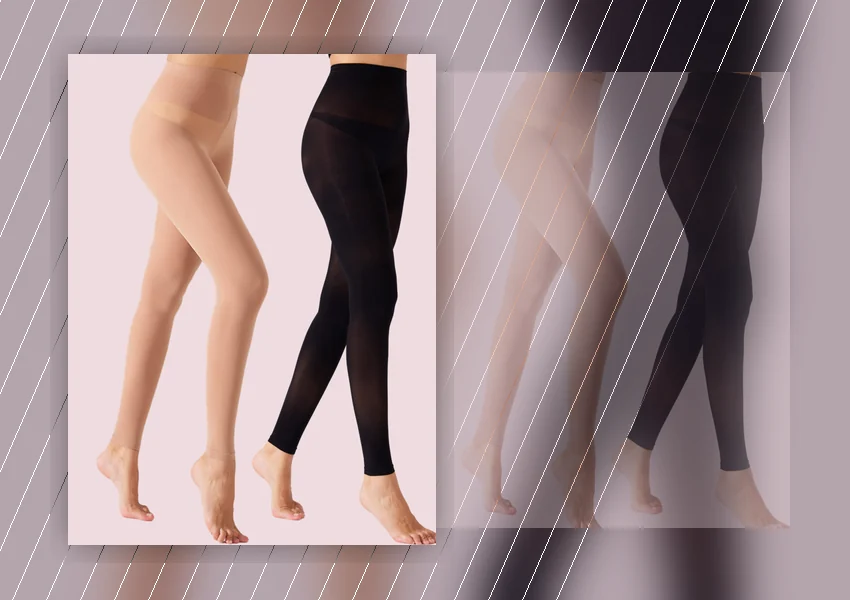
Comece com peças pequenas. Uma meia-calça preta opaca sem pé, uma meia-calça mais leve para dança ou conforto e uma peça quente para o inverno podem atender à maioria das necessidades iniciais. Uma loja maior pode adicionar tons nude, café ou cinza conforme os pedidos forem sendo retomados. Muitas cores no início podem comprometer o fluxo de caixa em vendas lentas.
Os compradores de marcas próprias também precisam de embalagens que expliquem a vantagem de serem sem pé. A embalagem deve mostrar a gramatura do tecido (denier), o tamanho, o tipo de cós, a construção do entrepernas e o uso pretendido. Se o item for vendido como meia-calça opaca sem pé, o tecido deve permanecer opaco na coxa, na extremidade superior da faixa de tamanho. Fabricante de meias-calças OEM É possível ajustar a altura do cós, a densidade do tecido (denier), a cor, as etiquetas, o logotipo, a inscrição na caixa e as etiquetas de tamanho. Para um novo comprador, solicitar um pacote de amostras grátis antes da finalização da arte pode economizar uma quantidade surpreendente de retrabalho.
Verificações do fornecedor antes de encomendas em grande quantidade
Solicite as medidas da peça finalizada, em repouso e com o tecido esticado confortavelmente. Pergunte como o cós é tricotado, como é o acabamento da barra e se a tabela de medidas foi testada na parte superior de cada cós. Se o produto for vendido online, solicite fotos que mostrem a abertura da barra, a construção da calcinha e a opacidade na perna.
A conversa com o fornecedor também deve abordar a adequação ao canal de venda. Uma loja de artigos para dança pode priorizar a elasticidade e a liberdade de movimento nos tornozelos. Uma boutique pode preferir meias-calças opacas sem pé que tenham um visual elegante com sapatilhas. Uma loja de artigos de inverno pode precisar de meias felpudas que ofereçam aquecimento. O fabricante de meias-calças sem pé deve ser capaz de explicar essas diferenças em amostras, e não apenas em um catálogo.
O serviço também importa. A Laseta trabalha com uma grande base de produção de meias, máquinas italianas Lonati, equipamentos de tricô circular, equipe de controle de qualidade, suporte de armazém, programas em estoque e embalagens personalizadas. Isso faz diferença quando o comprador precisa tanto de desenvolvimento quanto de agilidade na reposição de pedidos. Os compradores podem usar suporte de serviço Para discutir amostras, embalagens e a melhor estratégia de lançamento.
Para um fornecedor de meias-calças de moda, o melhor teste é a repetibilidade. A mesma tonalidade de preto, a mesma sensação no cós e o mesmo acabamento no tornozelo se mantêm após um novo pedido? Um fabricante de meias-calças OEM consegue manter a mesma redação na caixa, as informações na etiqueta e as medidas da peça finalizada? Esses pequenos detalhes decidem se as meias-calças sem pé no atacado se tornarão um produto de uma única temporada ou um item estável. Meias-calças sem pé são simples apenas à primeira vista. A melhor escolha de fornecimento é o produto que permanece com aparência impecável mesmo após esticar, movimentar e ser embalado repetidamente.
Perguntas frequentes
P1: Os programas de atacado de collants sem pé são apenas para roupas de dança?
A1: Não. Roupas de dança são um canal, mas modelos opacos e sem pés com forro de lã também funcionam para o dia a dia, sobreposições, looks mais discretos e para o varejo de inverno.
P2: O que os compradores devem verificar em amostras sem pé?
A2: Verifique a dobra do cós, a altura da cintura, a abertura do tornozelo, a opacidade da coxa, a recuperação da elasticidade e como o produto se comporta com meias ou botas.
P3: As marcas próprias podem solicitar um pacote de amostras grátis antes de um pedido personalizado?
A3: Sim. Um pacote de amostras é uma etapa prática antes de confirmar a gramatura (denier), a embalagem, as etiquetas de tamanho e os detalhes do pedido em grande quantidade.