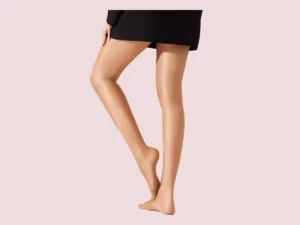
A toe hole can start at a faulty closure, a damaged loop or a foot section pulled too tight. Those causes call for different corrections. Before specifying reinforced toe tights or heavier yarn, locate the first break in the returned pair.
A hole along a seam requires a different investigation from a snag over the big toe. Treating both as ‘poor quality’ gives the factory little direction. You could pay for a construction change and still receive the same complaint.
For a toe complaint, send Laseta the item code and size with a photograph showing where the damage began. A seam opening gives the team somewhere different to start from a puncture over the big toe. Include that distinction before asking for a change to the next order.
What Can the First Break Tell a Buyer?
Find the earliest damage you can identify. The longest run may have developed afterwards, as the broken loop unravelled away from the original hole.
Does the opening follow the toe seam?
Follow a hole along the closure and you may find a skipped stitch, a loose end or an uneven join. Check either side. Photograph it relaxed, then add a view under gentle extension. The factory needs to see the stitch line before tension has changed the shape of the opening as well as how that join behaves when extended.
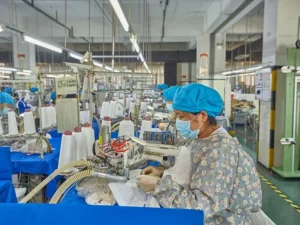
Toe closing, cutting, seaming and gusset operations are part of Laseta’s integrated hosiery process. There are process checks for seaming and stitch defects. Include the toe closure in approval in its own right, since the leg panel says little about how well that join was made.
With an intact seam, the investigation moves to the surrounding fabric. Shoe contact, handling and local foot tension are possibilities to review, without treating any of them as proven from the position of a hole. Mark each comparison pair as a worn return or unopened stock; otherwise their different histories can get lost during the review.
Is the same location failing repeatedly?
Several returns with the first damage in the same place are worth reviewing together. Their size, colour and batch may show what the affected pairs have in common; the left or right foot and reported failure timing add context. A hole on first fitting isn’t the same history as a hole noticed after washing. Before choosing another yarn, share the toe photos and batch details with Laseta so that pattern can be examined.
When Are Reinforced Toe Tights the Right Choice?
Reinforcement may put a visible band where the customer doesn’t want one. That is an appearance decision for the range, even while a durability complaint is being investigated. Select the finish for the intended use, then establish whether it addresses the cause found in the returned pair.
Match the toe finish to the shoe
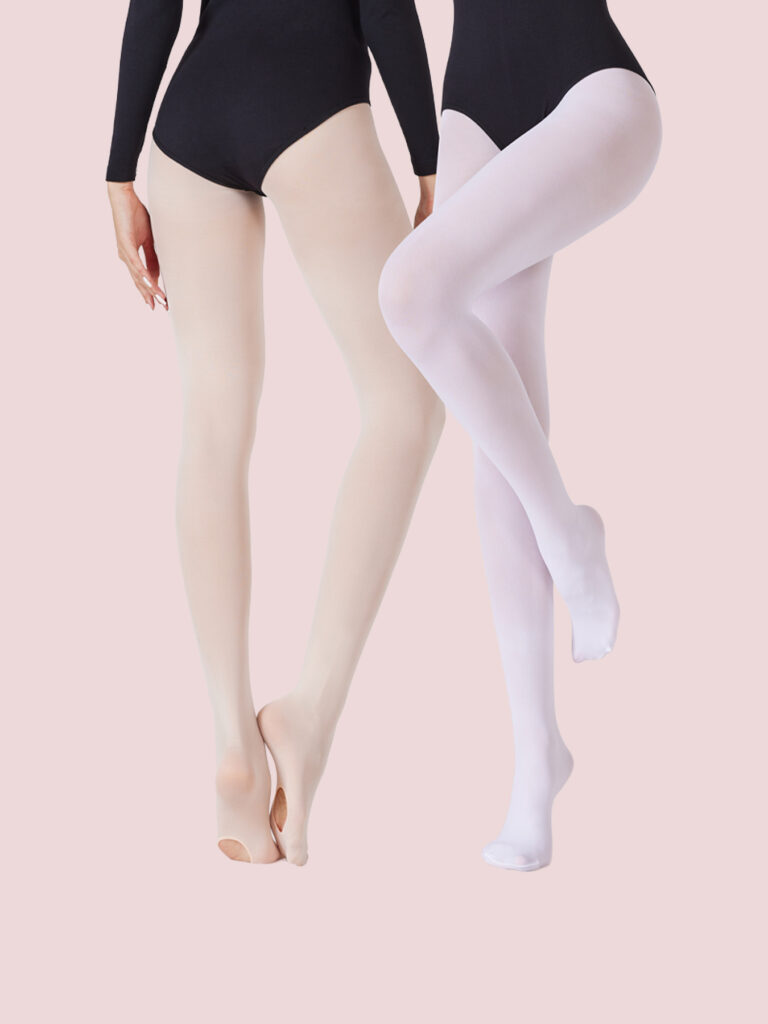
Workwear and occasionwear can lead to different decisions at the toe. A visible reinforced area may be quite acceptable for the first brief and too noticeable for the second. Both reinforced and invisible options appear in Laseta’s pantyhose range. Before choosing, confirm the exact item construction and see how much of the toe finish shows in the intended footwear.
Reinforcement is one part of a toe design. Too little foot length or faulty stitching remains a problem, however the area is described. There is also the possibility of sharp contact damaging the sheer fabric.
Walking belongs in the footwear check. A band hidden when the wearer first puts the shoes on may move into sight afterwards. If the range covers several types of shoes, ask to compare the available toe finishes with photographs of each footwear reference in the brief.
How Should a Toe Seam Be Checked Before Bulk Approval?
Keep three questions distinct during the sample review: did the closure open, did the fabric break, and was the foot under excessive tension? Begin with the closure inspection. A rejection that doesn’t identify which check failed is difficult for the factory to act on.
Review the closure without overstretching it
Place the foot section flat so the full toe join is visible. Compare its shape and uninterrupted stitching with the other foot, then turn the pair inside out for a view of the underside and loose ends. Use a consistent, gentle extension for every candidate. The purpose is to expose an opening at the join while keeping the comparisons alike.
A hand pull is a useful screen for an obvious difference between samples. For measured strength, ask which laboratory procedure will be used, how the specimens are conditioned and what acceptance criteria apply. Settle those points with the supplier before assigning a pass value. The figure needs a method behind it to be repeatable.
Laseta checks hosiery in knitting and integrated processing, and later in dyeing, finishing and packaging. Defect inspection also takes place in the packaging workshop before dispatch. The production and quality-control requirements for your order need to name the toe inspection specifically, including the closure assessment and its acceptance criteria.
Check foot fit with the garment in position
Fit the whole pair before passing judgement on the foot. A low crotch leaves fabric in the wrong position, and pulling at the toe to make up for it distorts the assessment. With crotch and waistband correctly placed, look for excessive tension at the heel and toes. Note any discomfort the wearer reports at the closure.
A short body or leg can draw fabric away from the foot. Laseta checks full leg length and the crotch, groin, thigh and calf areas against the finished measurement specification. Use the figures alongside the fitting notes to investigate that possibility. Put the foot allowance into the specification too when foot tension is at issue, instead of relying on the size name to express it.
Leave enough fitting information for another reviewer to repeat the comparison: the wearer measurements, pair size, shoes and fitting procedure. If trouble is confined to the upper size boundary, consider a dimensional revision first. Heavier yarn is another construction choice, without necessarily adding the allowance that the fit appears to need.
What Evidence Helps Prevent the Same Return Next Time?
Log the pair’s item and shipment reference with the return. Without them, even a detailed photograph of the defect may lead nowhere: the factory still has to find which order supplied it.
Build a short corrective-action record
For each recurring complaint, keep the investigation in this order:
- Identify the pair by code, size, colour and shipment, with the reported stage of failure.
- Retain the pair if available, alongside photographs of the earliest damaged area.
- Bring unopened stock and the approval sample into the same inspection comparison.
- Set out the suspected cause and correction, with the method for checking it.
- Confirm the corrected sample before carrying its revision into the next production order.
The affected batch is a starting point for Laseta’s traceability records, which connect raw materials with development and manufacturing. Use the size and damage observations to narrow that review to the suspected production stage. Keep the original pair identified, ready for comparison when the correction is sampled.
If the construction is suitable and the missing piece is clear handling advice, there is a packaging question to review too. Care labels, hang tags and packaging can be discussed through Laseta’s OEM/ODM options, alongside fabrics, sizes and colours. Use instructions for that item, while treating any faulty closure as a defect still to be corrected.
Conclusão
The repair to the buying specification depends on the first damage you find. Did stitching open? Was intact fabric punctured? Was the foot pulled too tightly? Those observations explain more to a supplier than repeating the customer’s description of a toe hole. For reinforced toe tights, check how the finish looks in the shoes before approving it. Keep that approval alongside the separate closure inspection and full-garment fit result. The agreed pair and written requirements then give both teams a reference when a delivery is queried.
Before changing the next order, compare a few affected pairs with unopened stock. Send Laseta your toe construction and inspection brief with the failure location, sizes and intended shoes. Use the comparison samples and agreed inspection points to check the suspected cause, then assess the proposed correction.
Perguntas frequentes
Q1:Will reinforced toe tights eliminate all toe holes?
A1:No. Start with the returned pair to see whether a reinforcement change is relevant. The foot may need more allowance, the stitching may be at fault or sharp contact may have broken the fabric. Reinforcement by itself doesn’t settle any of those questions.
Q2:Can we use the same toe finish for closed and open shoes?
A2:You can evaluate it, but visibility requirements may differ. We offer reinforced and invisible toe options within our hosiery range. Confirm the exact construction and approve it in the intended footwear.
Q3:What should we provide when reporting a toe defect?
A3:Send the code, size, colour and batch with clear photos and the reported timing of the failure. Keep the damaged pair and some unopened stock if possible. They give our team physical samples to compare with the original approval.
Plan a Toe Construction Review with Laseta
For a new range, include the size chart, intended shoes and the toe appearance you want to achieve. For an existing item, add the code and batch, photographs showing the damage and when it first appeared. Laseta also offers free samples of our reinforced-toe tights, so you can test the toe construction in your own footwear and confirm the finish before approving the next production order. Amostra grátis with your sizes and intended shoes, and our team can discuss toe options and sample arrangements from those details.