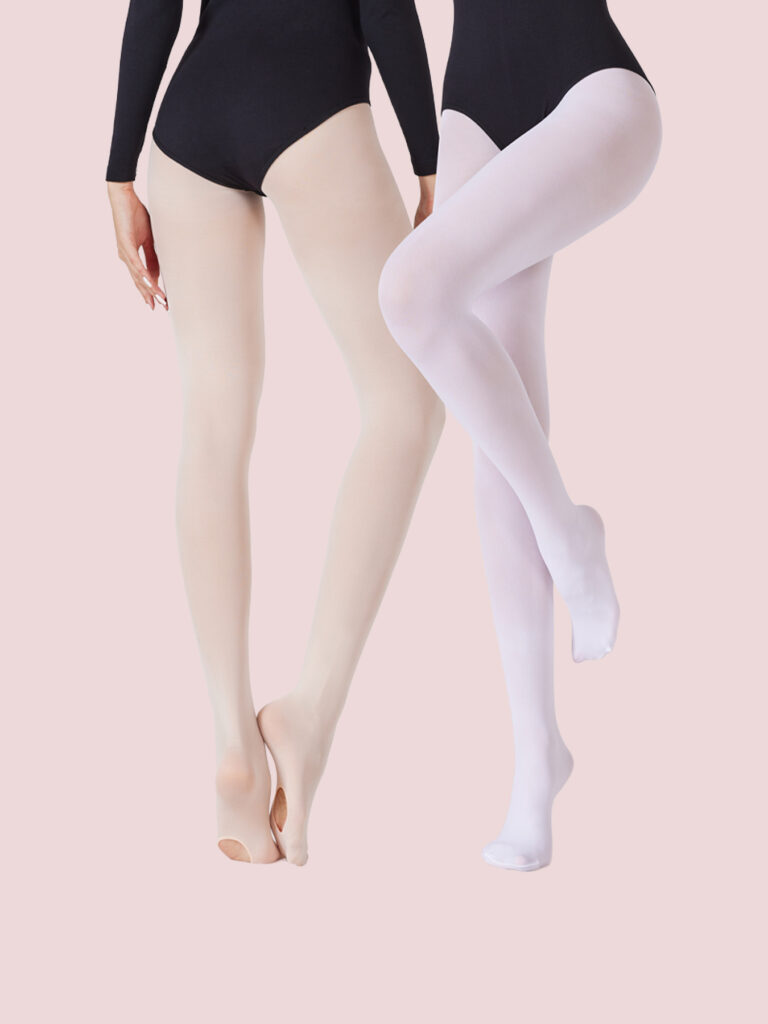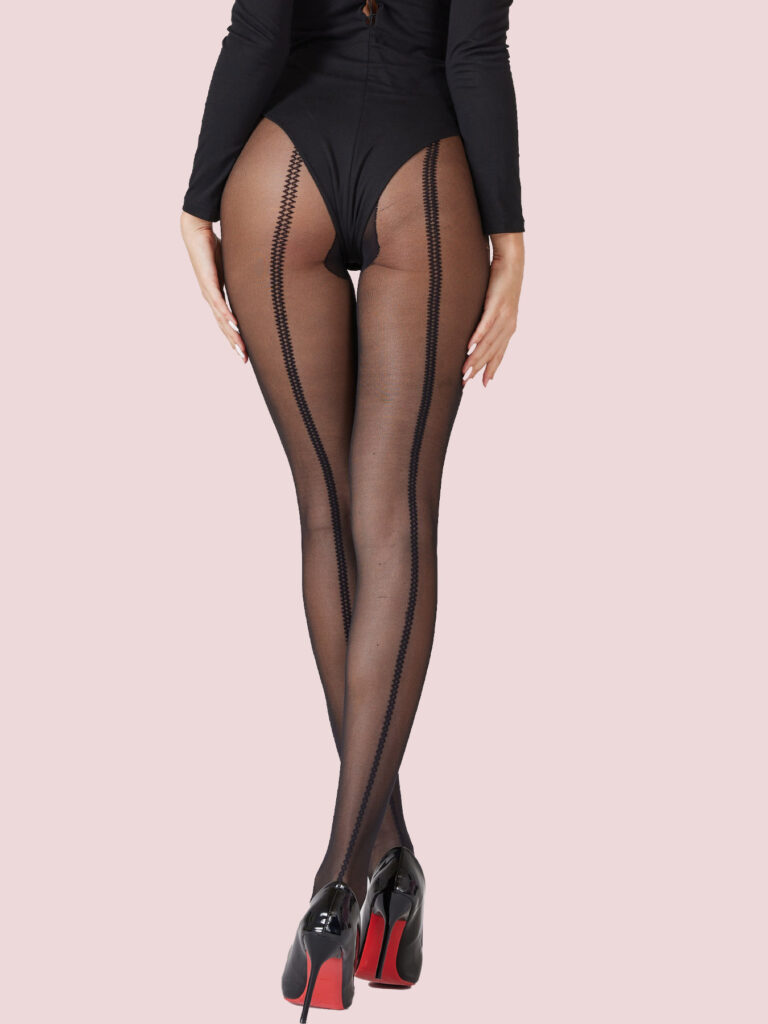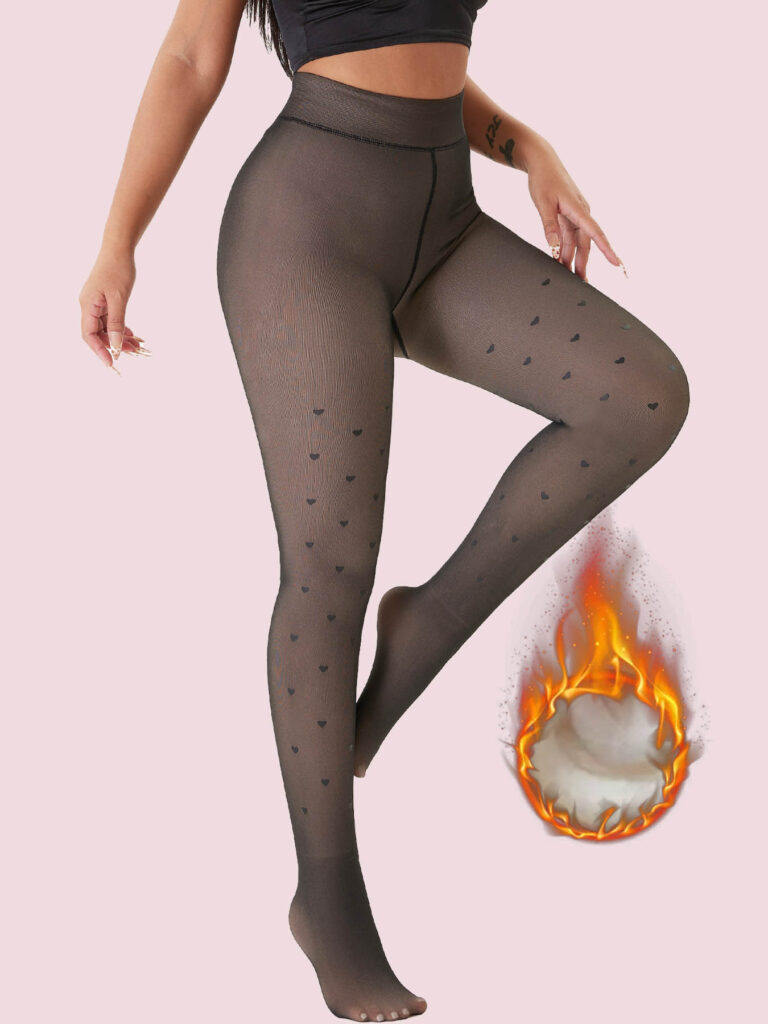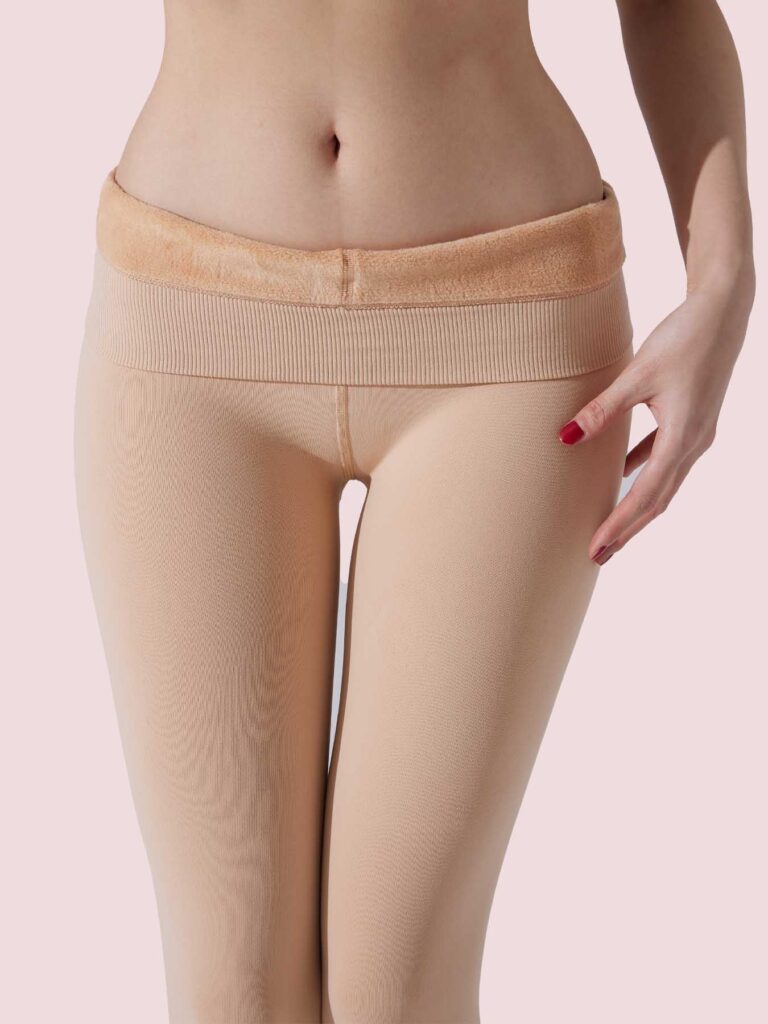
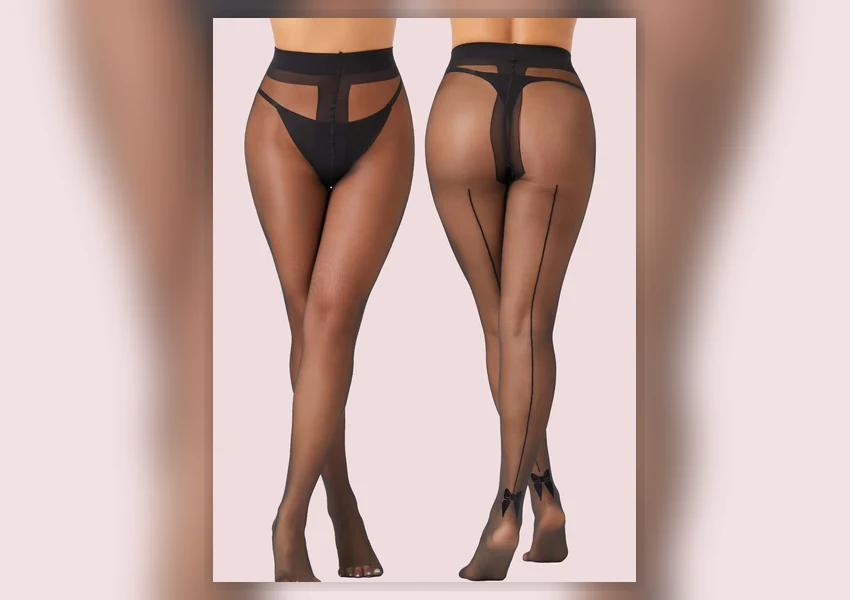
Control hosiery can be profitable, but only when the control level matches the shopper. Too light, and the product feels like an ordinary sheer tight with a stronger waistband. Too firm, and the first complaint may be rolling, pressure, or a size exchange. For private label buyers, the best control-top tights are not the strongest ones. They are the ones the customer base can wear comfortably enough to buy again.
A manufacturer with hosiery knitting, dyeing, setting, inspection, and private label support gives retailers more room to tune that balance. Laseta offers pantyhose categories, control styles, OEM/ODM work, and distribution options that help buyers compare fit claims before they scale a program.
Control Level Is a Merchandising Choice
Control level affects more than the product’s feel. It changes price, packaging language, model styling, size chart, return risk, and review tone. Light control tights can be sold as everyday support. Firm control pantyhose need clearer shaping language and stronger fit testing. If the same chart is used for both, the firm style often receives more complaints.
The reason is simple. Control panels reduce stretch in the brief area. A shopper who wears the same size in a regular 20D sheer style may feel restricted in a shaping style. Tummy control hosiery can work well, but the product must give the body enough rise and enough recovery after sitting, walking, and bending.
When Light Control Fits Better
Light control tights are the safer choice for broad retail. They offer a smoother waist and abdomen without making the garment difficult to pull on. For officewear, travel, daily dresses, and mature customer groups, light support often creates fewer fit objections than a stronger shaping brief.
This level also works well when the retailer wants more colors or deniers. A light control brief can sit under sheer, semi-sheer, and mid-denier styles without turning the product into a shapewear item. The control top tights category gives buyers a practical place to compare the control direction with other pantyhose options, while a specific item such as 20D sheer control top pantyhose is useful for sample checks. For private labels, light control is often the first SKU to test. It lets the brand learn whether shoppers want support at all before adding firmer pressure.
When Firm Control Is Worth Stocking
Firm control pantyhose have a role in occasionwear, formalwear, party collections, and channels where shoppers actively want shaping. It can lift perceived value because the customer sees more function in the product. The buyer can charge more, but the garment must be engineered with care.
Firm control needs a wider brief area, clean waist tension, reinforced seams, and enough stretch in the leg so the control panel does not pull the whole garment downward. If the leg fabric is too tight and the top is too firm, the wearer fights the product. That is where shaping tights lose repeat sales.
Sampling should include the upper size range, not only the sample-model size. A style that looks smooth on a small size can roll or bind in larger sizes. For tummy control hosiery, a deeper rise and softer waistband edge can make the difference between shaping and discomfort.
Specs That Change the Wearing Experience
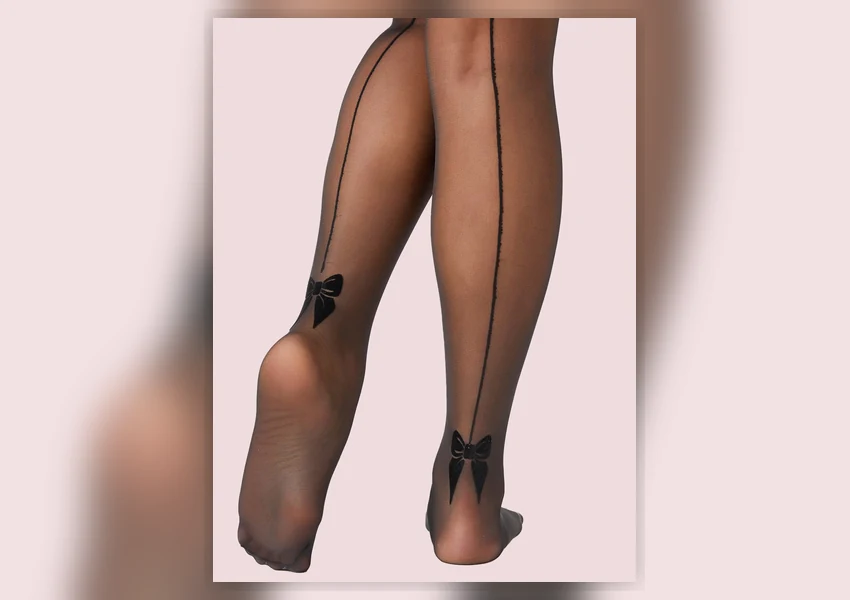
Yarn and denier set the base. Nylon creates the surface and wear resistance. Elastane, Lycra, or core-spun yarn supports recovery. A higher spandex brief can shape the waist, but it should not create a hard line under clothing. Dyeing and heat setting also matter because poor setting can weaken recovery after stretch.
Control zones should be explained in packaging without making medical or unrealistic claims. Retailers can use simple language: light smoothing, everyday support, firm shaping, or tummy control. Overstated wording may lift first purchases but can damage reviews quickly.
For development work, OEM and ODM support can help adjust waistband height, denier, crotch construction, color, packaging, and sample approvals. For replenishment, stock distribution gives buyers another route when the line needs faster movement.
How to Split the Line
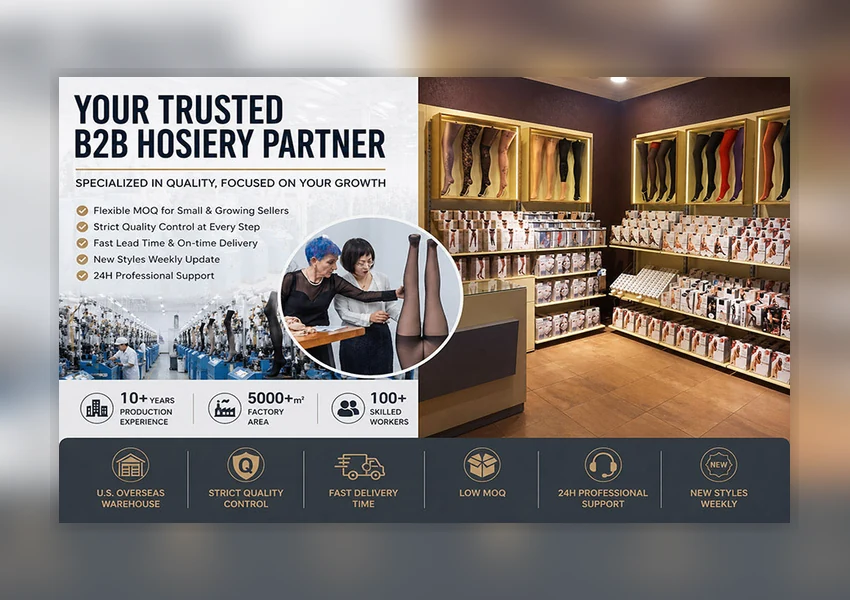
A balanced line does not need many control levels at first. A retailer can start with light control in black and nude, then add one firm style in black for occasionwear. If the customer base is shapewear-led, the order can flip: one firm control hero, one lighter everyday style, and a few extended sizes. Denier also helps split the assortment. Sheer light control works for dress and office wear. Semi-sheer firm control can suit colder seasons and eveningwear. The 30-40 denier pantyhose range can help buyers test more coverage without moving into heavy opaque tights. Retailers planning custom labels should ask the sales team for size samples, packaging advice, and a clear production path before committing to claims on cartons or marketplace pages.
Control-top tights also need a channel decision. Department stores may prefer a calmer promise because shoppers compare comfort and sheerness in the fitting journey. Marketplace brands can sell a stronger shaping story, but reviews become public quickly. If the customer base is price-sensitive, gentle support plus a clean size chart may bring steadier repeat orders than an aggressive control claim. There is a simple sampling rule: sit, walk, bend, and stand again. A control brief that feels fine for one minute may press into the waist after ten. Ask testers to wear the sample under a dress and under trousers, then note where pressure builds. Those comments are more useful than a perfect studio photo.
For a first private label run, the item should be treated as a fit product, not just a fashion product. The buyer needs carton language, size bands, and customer-service replies ready before launch. That preparation keeps stronger support from becoming a returns problem when shoppers expect an everyday feel. Customers can also request free samples. Customer age and wardrobe also matter. Younger trend-led shoppers may accept more pressure for a cleaner waistline under body-skimming outfits. A comfort-led audience may prefer a softer brief that disappears under workwear. The same factory sample can produce two very different sales results when the channel changes. A small reorder test can be useful before adding more colors. If black moves well but nude receives fit complaints, the issue may be shade stretch, not demand. That is the kind of detail worth solving before the range expands.
FAQ
Q1: Are light control tights better for first orders?
A1: Usually yes. They fit more shoppers and create fewer comfort complaints, especially for everyday retail and online channels.
Q2: When should buyers choose firm control pantyhose?
A2: Firm control works for occasionwear, shaping-led categories, and customers who actively want tummy control hosiery rather than only light smoothing.
Q3: Do shaping tights need a different size chart?
A3: They should be checked separately. Stronger control changes stretch in the brief area, so the chart must reflect the real fit of that style.