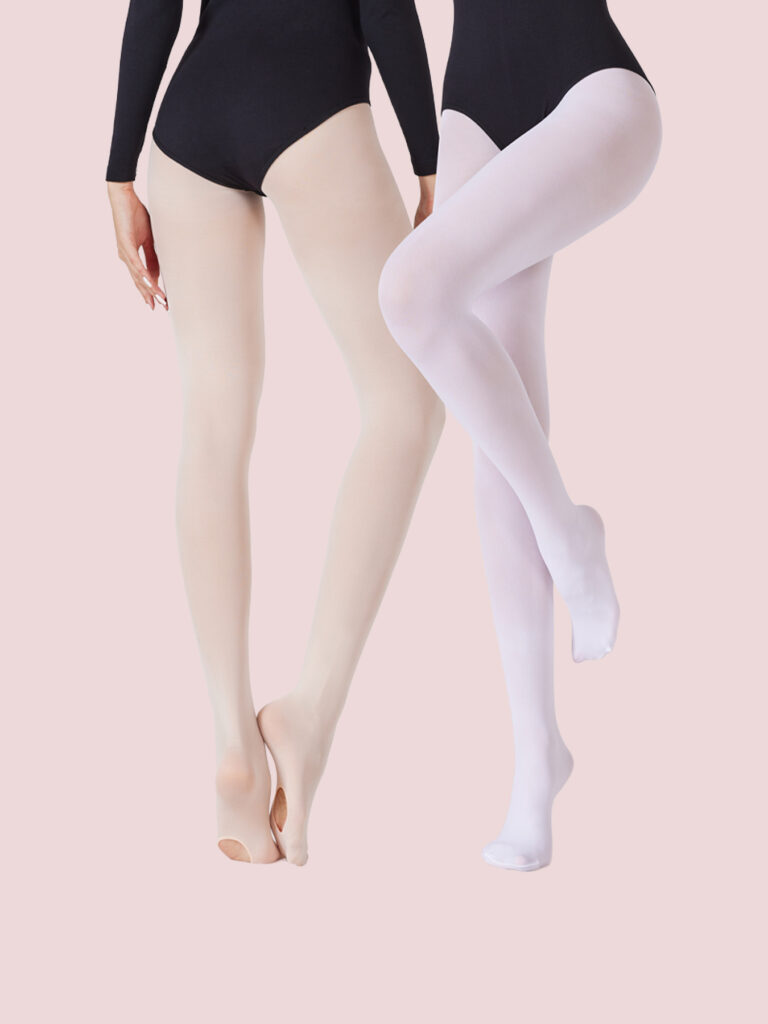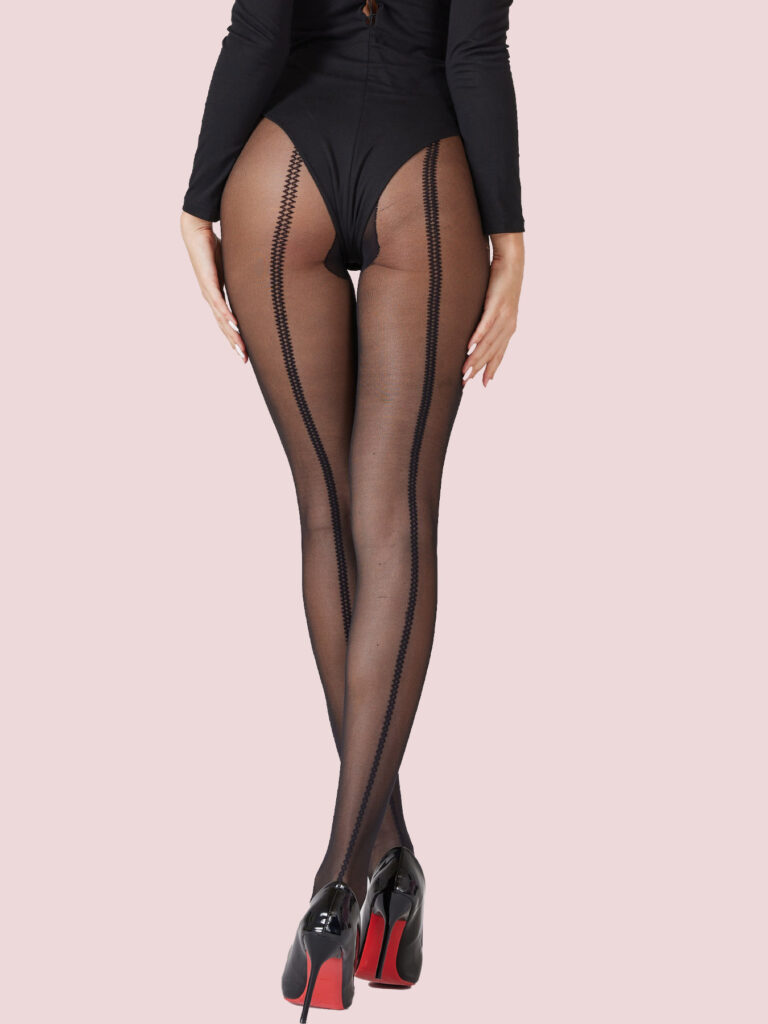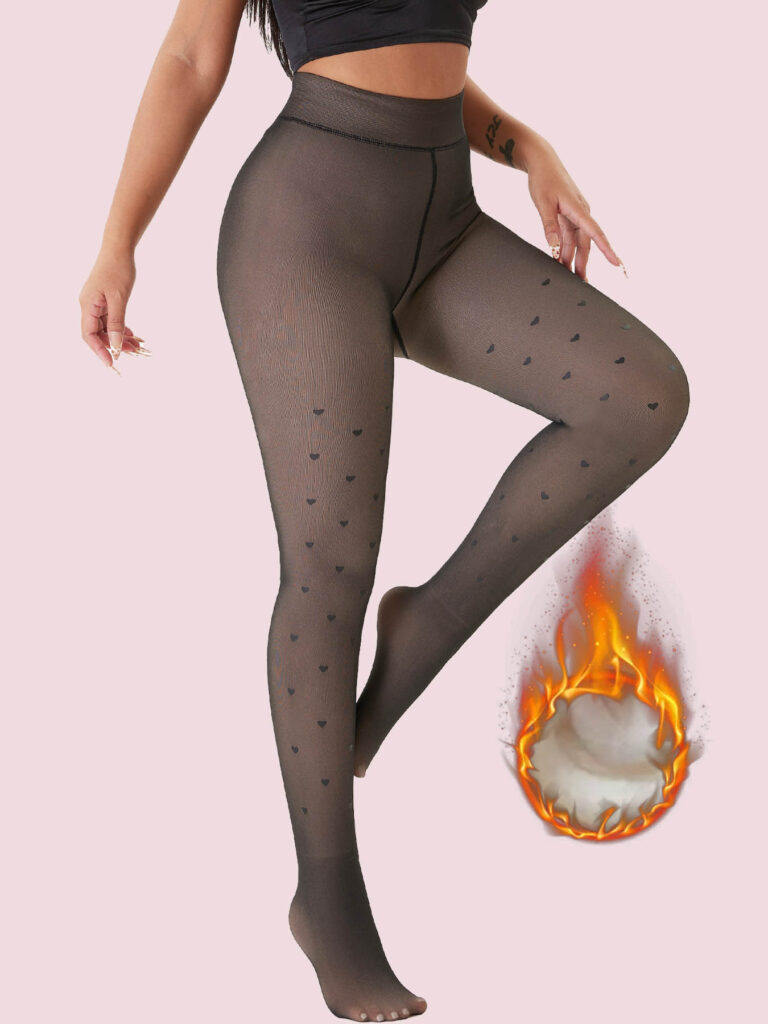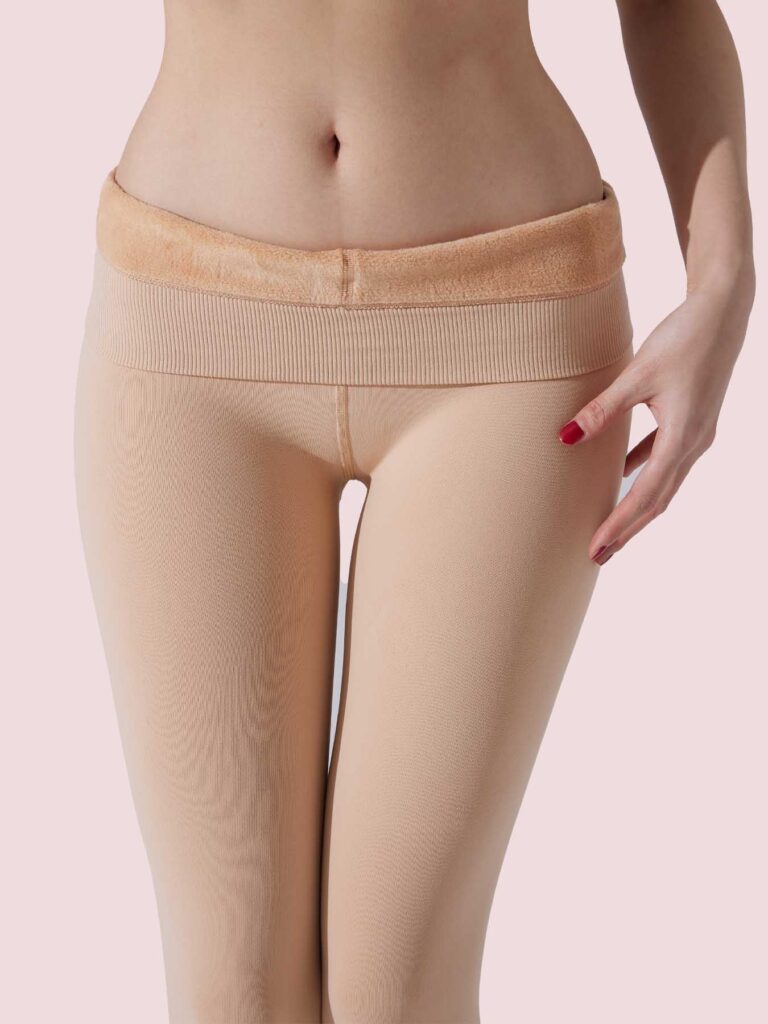
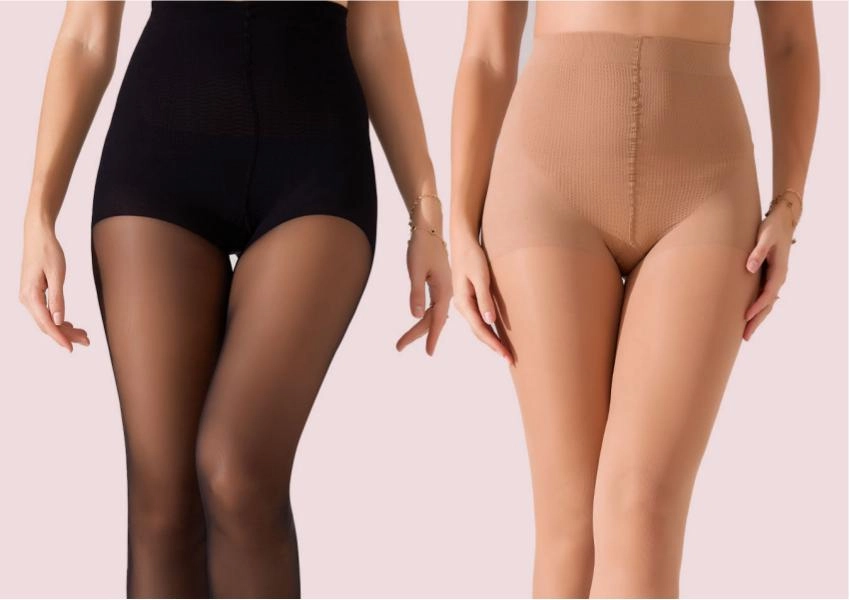
사무용 스타킹은 조용한 카테고리이지만, 결코 간단하지 않습니다. 고객은 깔끔한 다리 라인과 몸에 딱 맞는 작업복 아래에서 매끄러운 허리 라인을 원하며, 출퇴근길, 사무실 근무 시간, 퇴근 후 저녁 식사까지 편안하게 앉아 있을 수 있기를 바랍니다. 보정 스타킹이 이러한 균형을 제대로 맞추지 못하면 문제가 금방 드러납니다. 허리 부분이 말려 올라가거나, 붉은 자국이 남거나, 더운 날씨에 대한 불만이 생기거나, 한 시간 동안은 괜찮다가 점심때쯤에는 불편해졌다는 후기가 올라오기도 합니다.
소매업체 바이어는 보정속옷 타이즈를 단순히 스타일링 제품이 아닌 착용감 제품으로 다뤄야 합니다. 최고의 오피스룩은 세련되면서도 일상적인 움직임을 편안하게 해주는 것이어야 합니다. 꽉 조이는 보정속옷은 사진에서는 매력적으로 보일 수 있지만, 복부를 조이거나 엉덩이를 압박한다면 오피스룩을 연출하려는 고객은 다시 찾지 않을 것입니다.
압축 방식을 선택하기 전에 사무실 고객을 정의하십시오.
사무복 구매 담당자는 보통 한 명 이상의 착용자를 위해 제품을 구매합니다. 어떤 고객은 스커트나 원피스 안에 입을 가벼운 보정 스타킹을 원하고, 어떤 고객은 장시간 앉아 있을 때 아랫배를 잡아주는 하이웨이스트 복부 보정 스타킹을 원합니다. 또 다른 고객은 발가락 부분이 깔끔하고 허리 부분이 납작하게 유지되는 믿을 수 있는 사무용 스타킹만을 원하기도 합니다.
압박 강도가 다양한 보정 속옷은 부위별로 압축 강도가 다르기 때문에 이러한 차이가 중요합니다. 가벼운 보정 속옷은 강한 압박감 없이 몸매를 매끄럽게 정리해 줍니다. 더 탄탄한 보정 속옷은 복부, 엉덩이, 허벅지 라인을 잡아주지만, 압박 강도의 단계적 변화와 몸에 부담을 주지 않는 허리 밴드가 필요합니다. 구매자는 최대 압박 강도를 쫓는 것이 아니라, 고객층에 맞는 압박 강도를 선택해야 합니다.
조명 제어 제품은 일반적으로 더 폭넓게 판매됩니다.
기업 유니폼, 백화점, 그리고 일상적인 작업복의 경우, 가볍거나 중간 정도의 보정 기능은 반품률을 낮추는 데 효과적입니다. 이는 일주일에 여러 번 스타킹을 착용하는 고객들에게 더 친숙하게 느껴지기 때문입니다. 탄탄한 보정 기능은 특별한 날 입는 옷이나 보정 속옷을 중시하는 채널에서 효과적일 수 있지만, 구매자가 당황하지 않도록 명확하게 표시해야 합니다.
데니어, 원사, 그리고 촉감이 리뷰의 방향을 결정합니다.
대부분의 시스루 오피스 스타킹은 10D에서 40D 사이의 사이즈를 가지고 있습니다. 20D 미만은 깔끔하고 세련된 느낌을 주지만, 제품 관리에 주의해야 합니다. 30D 정도부터는 불투명해지지 않으면서도 내구성이 조금 더 좋아집니다. 40D는 시스루와 불투명의 경계선에 해당하므로, 다리를 가리면서도 전문적인 느낌을 주고 싶을 때 30D 보정 스타킹이 오피스룩에 적합한 경우가 많습니다.
원사의 종류는 포장에 적힌 숫자만큼이나 중요합니다. 코어 스펀(core-spun) 방식으로 제작된 원단은 투명도가 높고 섬세한 느낌을 줍니다. 나일론과 스판덱스 혼방은 신축성과 복원력이 뛰어납니다. 마이크로파이버나 벨벳 소재는 부드러운 촉감을 제공하며 서늘한 계절에 적합하지만, 비침이 있을 수 있습니다. 사무실 고객이 더위에 민감하다면, 대량 주문 전에 통기성과 거셋 부분의 착용감을 테스트해 보는 것이 좋습니다.
다음과 같은 제품 3디 코어스펀 실크 시스루 팬티스타킹 구매자에게 유용한 참고 자료를 제공합니다: 가벼운 나일론 소재, 은은한 광택, 몸매 보정 기능, 통기성 좋은 면 거셋, 투명한 앞코, 그리고 다양한 색상 옵션.
사이즈 문제는 허리띠에서부터 시작됩니다
반품의 가장 큰 원인은 허리 부분입니다. 얇은 고무줄은 앉았을 때 말려 올라갈 수 있고, 하이웨이스트는 허리 부분의 신축성이 부족하면 흘러내릴 수 있습니다. 보정 속옷은 엉덩이 부분이 너무 꽉 조이면 다리 쪽으로 처질 수 있습니다. 이러한 문제들은 압박력을 강화하는 것만으로는 해결되지 않습니다. 더 나은 패턴, 사이즈 조절, 거셋 선택, 그리고 압력 분포를 통해 해결할 수 있습니다.
사무직 고객의 경우, 구매 담당자는 단순히 서 있는 모델 사진뿐만 아니라 앉은 자세와 구부린 자세에 대한 테스트 사진을 공급업체에 요청해야 합니다. 한 시간 동안 앉아 있었을 때 허리 부분이 뒤집히는지, 펜슬 스커트 아래로 속옷 가장자리가 드러나는지, 작업화에 신었을 때 발가락 부분이 충분히 튼튼한지 등을 확인해야 합니다. 제품 라인업에 키가 작은 사람, 키가 큰 사람, 또는 빅사이즈 고객을 위한 제품이 포함되어 있다면, 샘플 팩에는 이러한 체형을 고려한 제품들이 초반에 제공되어야 합니다.
엉덩이 리프팅 시술에는 좀 더 부드러운 판매 전략이 필요합니다.
엉덩이 리프팅 타이즈나 엉덩이 리프팅 팬티스타킹은 잘 팔릴 수 있지만, 오피스룩이라고 해서 클럽에서 입는 보정속옷처럼 들려서는 안 됩니다. 오히려 매끄러운 엉덩이 라인을 만들어주고 작업복 아래에서 은은하게 보정해주는 것이 더 나은 선택입니다. 일상적인 스타일과 보정 효과를 모두 갖춘 20D 코어스펀 컨트롤탑 타이즈를 찾는다면, 바디 쉐이핑 시스루 팬티스타킹이 더 적합합니다.
확장하기 전에 소규모 라인을 구축하세요
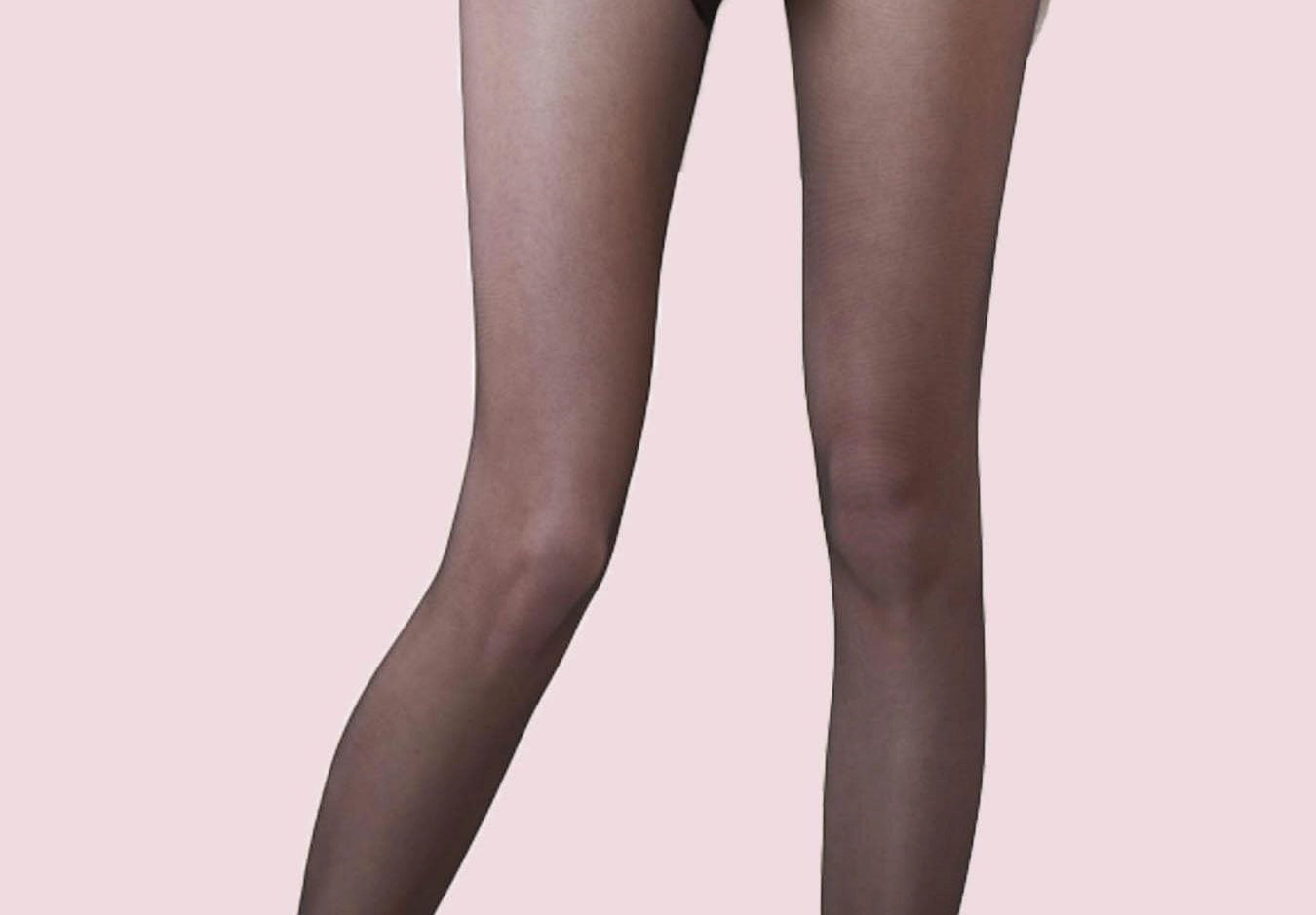
오피스룩에 적합한 기본적인 기능성 스타킹은 크게 세 가지 종류로 나눌 수 있습니다. 가장 세련된 드레스업을 위한 15D/20D 시스루 컨트롤탑 스타킹, 다양한 내구성과 커버력을 제공하는 30D 컨트롤탑 스타킹, 그리고 몸매 보정을 원하는 고객을 위한 시스루 셰이핑 팬티스타킹입니다. 30D 컨트롤탑 시스루 팬티스타킹 이 스타킹은 나일론 85%와 스판덱스 15% 혼방 소재로 땀 흡수력이 뛰어나고 착용감이 매우 편안하여 중간급 제품으로 분류될 수 있습니다. 복부, 엉덩이, 허벅지 라인을 잡아주는 보정 효과가 있으며, 발가락 부분은 강화 처리되어 있고 가랑이 부분은 면 소재입니다. 이 단계에서는 무료 샘플 팩을 요청하여 허리 압박감, 다리 탄력, 발가락 부분 강도, 포장 문구 등을 비교해 보는 것이 좋습니다. 자체 브랜드 제품의 경우, 다양한 피부 톤과 조명 조건에서 동일한 색상을 테스트해 보세요. 사무용 스타킹은 일반적으로 누드, 허니, 블랙, 그레이, 소프트 브라운 색상으로 판매되기 때문에 색상의 미묘한 차이조차도 고객 만족도에 큰 영향을 미칠 수 있으며, 온라인 제품 이미지는 실제 색상보다 더 따뜻하거나 차갑게 보이는 경우가 많습니다.
구매자를 보호하는 공급업체 질문
구매 과정의 후반부에서는 공장의 역량이 중요해지기 시작합니다. 구매 담당자는 제품을 검토하면서 이러한 점을 고려합니다. 사무용 스타킹 공급업체 해당 공장이 이미 컨트롤탑 구조, 시스루 스타킹, 강화된 발가락 부분, 면 거셋, 하이웨이스트 디자인 및 자체 브랜드 포장을 취급하는지 여부를 확인할 수 있습니다. 털이 많은이 공장은 이탈리아산 편직 장비, 소형 원형 기계, 월 수백만 켤레 생산량, 전담 품질 관리팀, 대량 생산 전 샘플링을 통한 염색 관리 등 대규모 설비를 갖추고 있습니다. 사무용 스타킹 판매 시 색상 변화, 허리 압력 변화, 원사 장력 변화와 같은 세부적인 사항들이 재구매에 영향을 미칩니다. 따라서 이러한 부분을 논의할 때 OEM/ODM 컨트롤탑 팬티스타킹 프로그램구매자는 사이즈 등급 규정, 허리 너비, 가랑이 구조, 데니어 허용 오차, 색상 승인, 세탁 라벨 및 포장에 대해 문의하는 것이 현명할 것입니다.
작업복 및 유니폼 유통 채널에서 스타킹 제품을 판매할 수 있도록 행택 및 브랜드 포장과 같은 세부 사항을 고려해야 합니다. 재고 보충 주문이나 여러 매장에 납품하는 주문의 경우, 구매자는 샘플 제공 시기, 이후 배송 계획 및 실행, 사후 관리와 관련된 스타킹 서비스 지원도 고려해야 합니다. 최종 원사 색상이나 허리 밴드의 변경 가능성을 확인하기 위해 구매자는 생산 전 단계에서 무료 샘플 팩을 다시 요청할 수 있습니다. 이러한 간단한 확인은 이미 배송된 스타킹 박스에 대한 품질 관리 문제 해결에 드는 비용보다 훨씬 저렴합니다.
자주 묻는 질문
Q1: 사무용 보정 스타킹에 가장 적합한 데니어는 무엇인가요?
A1: 20D에서 30D 정도가 적당한 시작 사이즈입니다. 너무 얇고 약한 스타일보다 실용적이면서도 오피스룩에 어울리는 시스루 느낌을 유지할 수 있습니다.
Q2: 하이웨이스트 복부 보정 타이즈는 하루 종일 사무실에서 입기에 편안한가요?
A2: 그럴 수 있지만, 허리둘레, 팬티 깊이, 엉덩이 여유분, 단계별 압박 부위를 앉은 자세와 걷는 자세에서 테스트한 경우에만 가능합니다.
Q3: 소매업체는 시스루 컨트롤탑 타이츠를 어떻게 샘플링해야 할까요?
A3: 소매업체는 다양한 품질 관리 수준, 색상 및 크기가 포함된 무료 샘플 팩을 요청한 후 허리 말림, 발가락 강도, 색상 일치 및 열 쾌적성을 테스트해야 합니다.