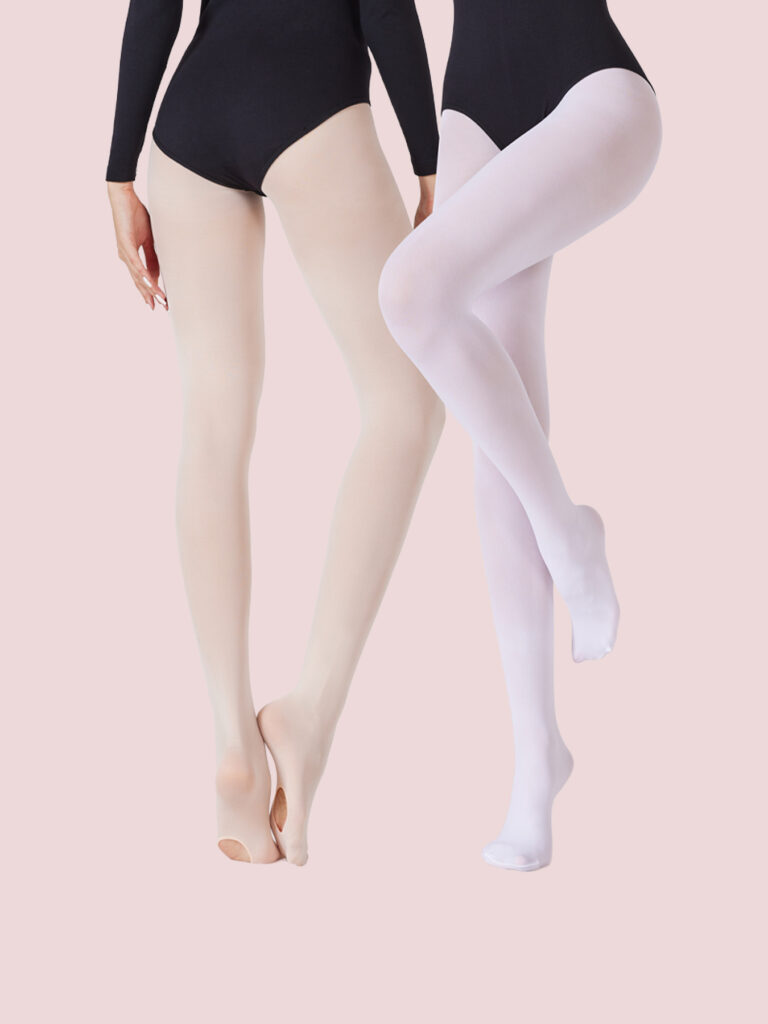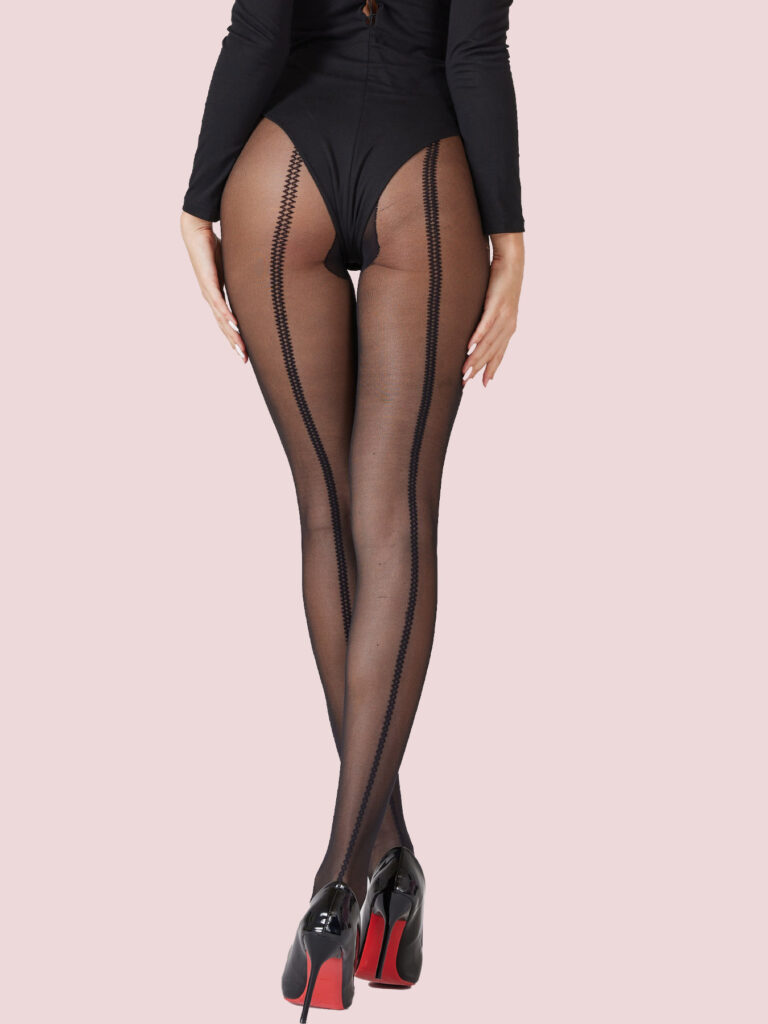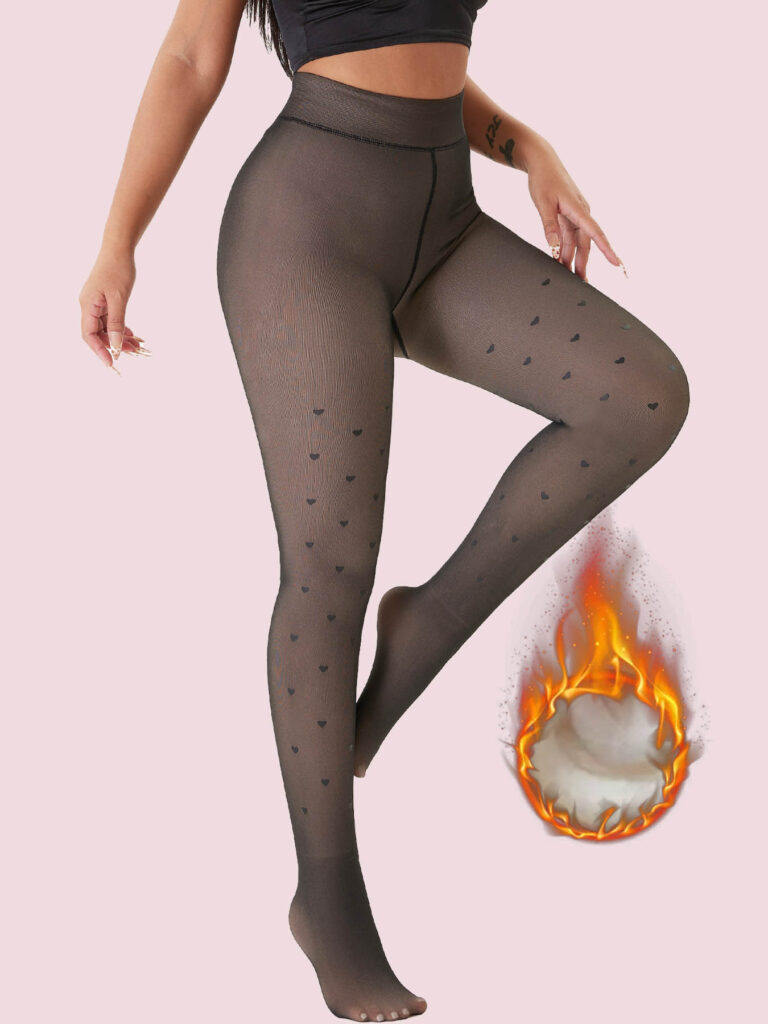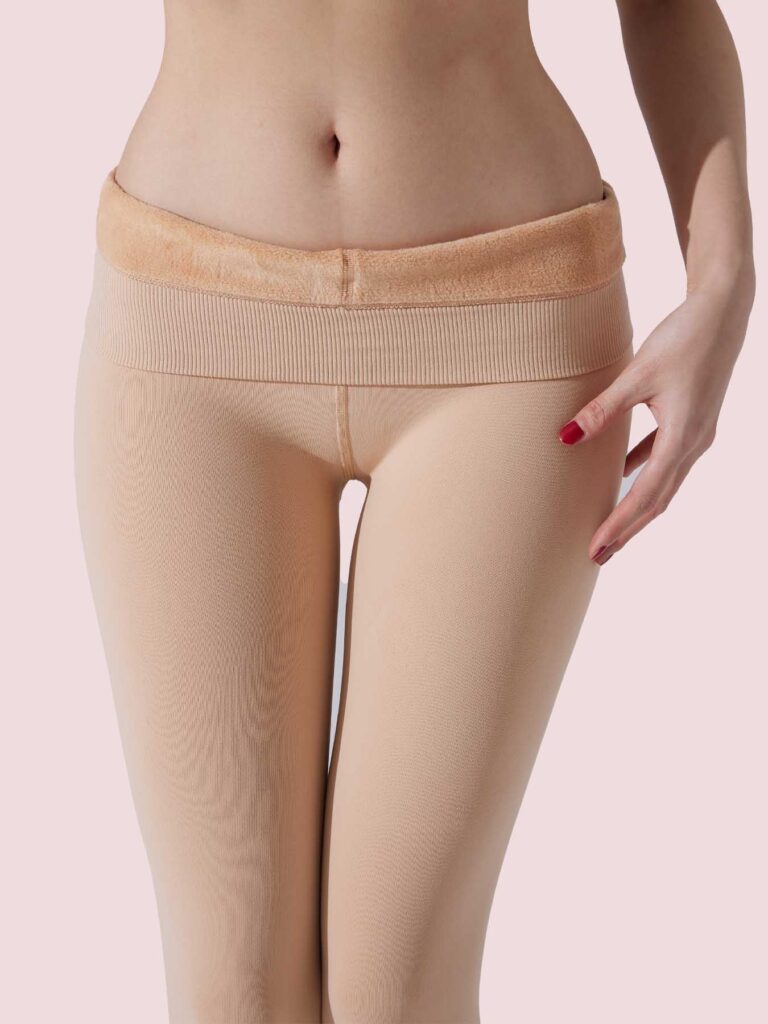
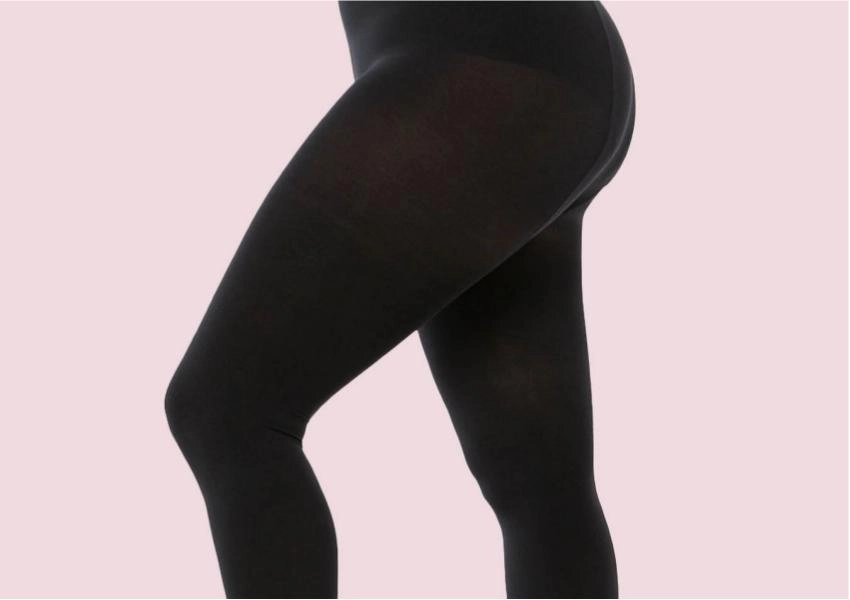
플러스 사이즈 스타킹은 더 이상 부가적인 품목이 아닙니다. 특히 온라인에서는 고객들이 모든 사이즈에 걸쳐 동일한 색상, 데니어, 스타일을 기대하기 때문에, 많은 소매업체들이 플러스 사이즈 스타킹을 핵심 사이즈 확장 제품으로 취급하고 있습니다. 더 어려운 문제는 상품 구성 속도입니다. 바이어는 플러스 사이즈 시스루 스타킹에 먼저 투자해야 할까요, 아니면 플러스 사이즈 불투명 스타킹에 먼저 투자해야 할까요?
답은 계절, 고객 유형, 반품 허용 범위, 패션 트렌드, 그리고 사이즈 차트의 완성도에 따라 다릅니다. 가벼운 스타일은 패션 트렌드나 스타일링에 맞춰 자주 판매됩니다. 반면 두꺼운 옷은 추운 계절이나 작업복으로 인기가 많을 때 더 빨리 팔릴 수 있습니다. 두 스타일 모두 인기가 있을 수 있지만, 매장에서의 판매 양상은 다릅니다.
시스루 스타일은 패션과 상황에 따른 요구에 맞춰 변화합니다.
시스루 스타킹은 가벼운 커버력과 매끄러운 다리 라인, 그리고 다양한 스타일 연출을 원하는 소비자들에게 인기가 높습니다. 스커트, 원피스, 오피스룩, 이브닝웨어, 그리고 각종 모임에 잘 어울립니다. 특히 짧은 스커트, 시스루 레이어드 스타일, 그리고 부드러운 테일러링이 유행할 때는 시스루 스타킹이 빠르게 품절되는데, 고객들이 여러 색상을 구매하는 경우가 많기 때문입니다.
투명성은 적합성을 더욱 명확하게 보여줍니다.
시스루 스타킹은 신축성, 색상, 허리 부분의 장력이 몸에 더 잘 드러나기 때문에 불투명 스타킹보다 착용감이 떨어질 수 있습니다. 허벅지가 너무 조이거나 밑위 길이가 너무 짧으면 문제가 금방 눈에 띕니다. 따라서 시스루 스타킹을 고를 때는 엉덩이 부분의 신축성, 허벅지 부분의 편안함, 허리 부분의 복원력, 그리고 패널 구조에 특히 신경 써야 합니다.
거부자 선택이 수익률 위험에 영향을 미칩니다
큰 사이즈의 경우 15D와 20D는 격식 있는 자리와 일상복 모두에 잘 어울리지만, 내구성 또한 고려해야 합니다. 예를 들어, 20디 ...을 더한–사이즈 시스루 타이츠 이 제품은 지나치게 깨지기 쉬운 느낌 없이 시스루 스타일을 원하는 고객에게 실용적인 중간 지점을 제시할 수 있습니다.
불투명한 스타일은 계절과 자신감을 넘나들며 변화합니다
불투명한 스타킹은 일반적으로 가을, 겨울, 여행, 학교, 사무실 및 추운 날씨에 인기가 높습니다. 단순히 보온성만 뛰어난 것은 아닙니다. 많은 고객들이 발을 더 깊게 감싸는 스타킹을 선호하는 이유는 안정감, 매끄러운 착용감, 그리고 부츠, 롱코트, 유니폼, 어두운 색상의 원피스와 쉽게 매치할 수 있다는 점 때문입니다.
불투명 스타킹은 다양한 핏을 가려줍니다.
불투명한 원사와 두꺼운 데니어는 얇은 소재보다 미세한 색상이나 신축성 차이를 더 잘 감춰줍니다. 이는 특히 검정색이나 어두운 색상의 경우 시각적인 불편함을 줄여줄 수 있습니다. 하지만 두꺼운 타이즈라고 해도 정확한 사이즈 설계가 중요합니다. 허리 부분이 말려 올라가거나, 가랑이 부분이 흘러내리거나, 허벅지 부분이 늘어나서 하얗게 변하는 경우 반품 위험이 여전히 존재합니다.
라세타의 ...을 더한–사이즈 불투명 검정색 타이즈 그리고 120디 여왕–사이즈 타이츠 불투명 스타킹은 일상적인 검은색 보정용과 따뜻한 겨울철 보온용으로 각각 다른 역할을 합니다. 이러한 차이는 모든 플러스 사이즈 불투명 스타킹을 하나의 품목으로 취급하는 대신 계절별로 재고를 계획할 때 중요합니다.
시스루 스타킹과 불투명 스타킹 중 어떤 것을 고를지는 달력을 보고 결정하세요.
얇은 스타킹과 불투명 스타킹 중 어떤 것을 고를지 결정할 때는 판매 일정을 살펴보세요. 봄/여름에는 일반적으로 얇은 스타킹, 아주 얇은 스타킹, 밝은 색상의 스타킹이, 가을/겨울에는 불투명 스타킹, 플리스 스타킹, 벨벳 스타킹, 그리고 데니어(밀도)가 높은 스타킹이 판매됩니다. 하지만 실내 작업복, 여행, 파티, 그리고 다양한 모임에서의 스타일링은 날씨에 구애받지 않기 때문에 많은 소매업체들이 이제 사계절 내내 스타킹을 판매하고 있습니다.
온라인 쇼핑몰은 두 가지 모두 더 빠르게 테스트할 수 있습니다.
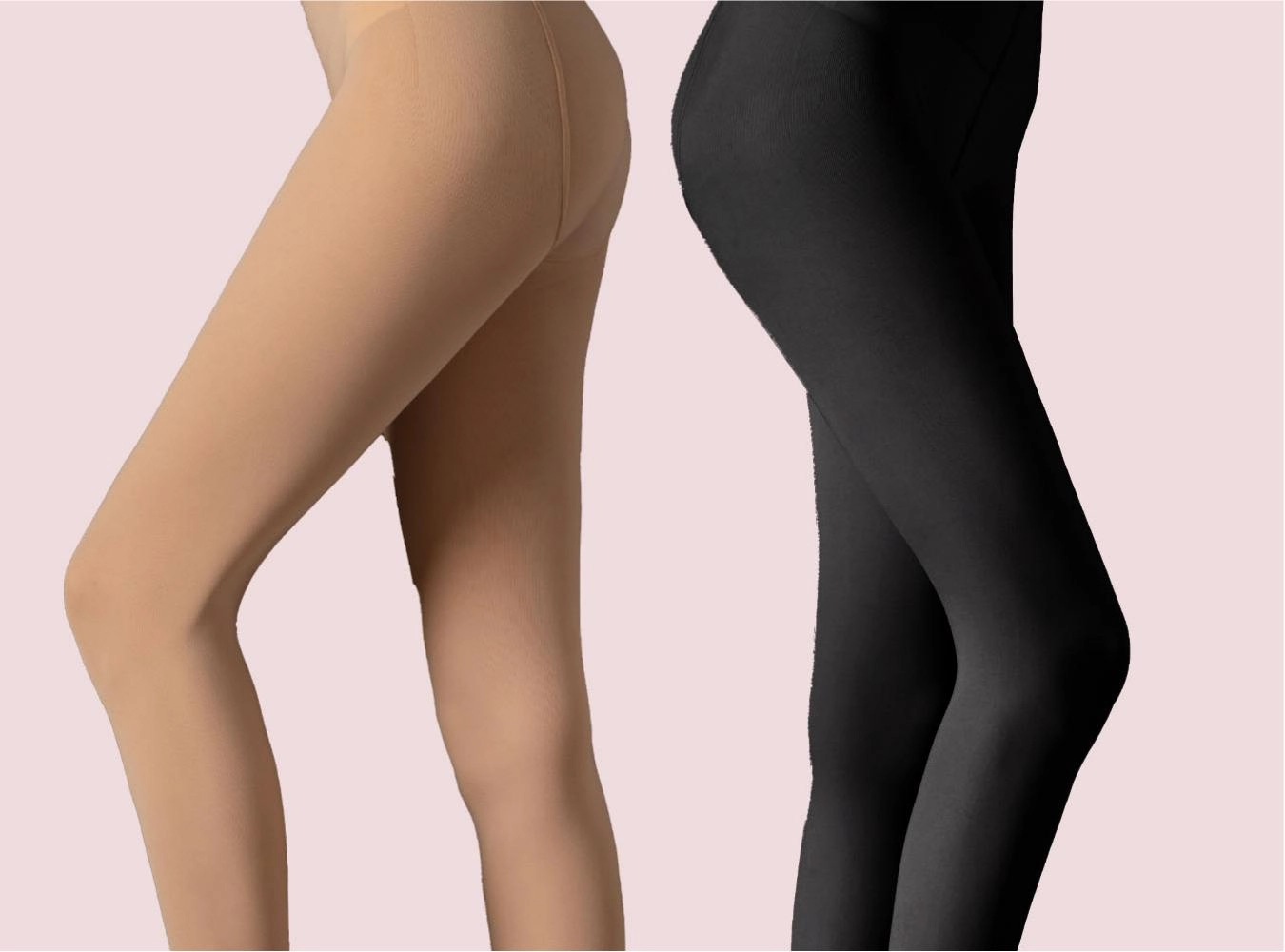
온라인 쇼핑몰에서는 다양한 사이즈, 색상, 데니어를 소량으로 먼저 테스트해보고 구매 여부를 결정할 수 있습니다. 좋은 시작점은 네 가지 스타일을 시험해 보는 것입니다. 예를 들어, 속이 비치는 검정색, 누드톤이나 커피색의 속이 비치는 스타킹, 불투명한 검정색 스타킹, 그리고 따뜻한 느낌의 120D 또는 벨벳 스타킹을 선택해 보세요. 처음 클릭 횟수뿐만 아니라 재구매율이 높은 스타일을 찾는 것이 중요합니다.
다양한 체형의 고객을 위한 스타킹 구매 시 제품 사진을 꼼꼼히 살펴보는 것이 중요합니다. 플러스 사이즈 고객에게는 다리, 허리, 신축성을 명확하게 보여주는 이미지가 필요합니다. 표준 사이즈 모델만 등장하는 제품 페이지는 사이즈 선택에 대한 궁금증을 해소해주지 못할 수 있습니다. 특히 퀸 사이즈 팬티스타킹이나 신축성이 뛰어난 보정 스타킹의 경우, 더욱 풍부한 콘텐츠를 통해 구매 망설임을 줄일 수 있습니다.
상품 설명은 정직해야 합니다. 시스루 스타일을 모든 사이즈 문제를 해결해주는 것처럼 판매해서는 안 되며, 불투명 스타일을 겨울철 필수품으로만 취급해서도 안 됩니다. 고객은 편안함, 자신감, 스타일, 그리고 사이즈에 대한 신뢰를 위해 다양한 체형에 맞는 스타킹을 구매합니다. 제품 페이지와 포장 문구는 보정이나 내구성을 과장하지 않고 이러한 이유를 반영해야 합니다.
사이즈 차트의 정확성이 카테고리 선택보다 더 중요합니다
잘 팔리는 제품이라도 사이즈 차트가 잘못되면 가격이 오를 수 있습니다. 플러스 사이즈 스타킹 반품은 주로 허리 압박, 짧은 밑위 길이, 허벅지 조임, 허리 밴드 말림, 가랑이 부분의 헐거움, 그리고 불명확한 키 또는 몸무게 범위 때문에 발생합니다. 제품 카테고리도 중요하지만, 사이즈 설계가 훨씬 더 중요합니다.
사이즈 차트는 판매 채널에 맞춰야 합니다. 온라인 마켓플레이스 구매자는 먼저 키와 몸무게 범위를 비교해 볼 수 있습니다. 부티크 고객은 매장 직원에게 허리 사이즈가 편안한지 문의할 수 있습니다. 구독 서비스나 자체 브랜드 프로그램의 경우, 퀸 사이즈, 1X, 2X 또는 지역별 맞춤 사이즈와 같이 더 명확한 사이즈 명칭이 필요할 수 있습니다. 사이즈 차트가 모호하면 아무리 좋은 제품이라도 고객이 결제 전에 망설이게 되어 판매가 부진해질 수 있습니다.
샘플링에는 실제 플러스 사이즈 의상이 포함되어야 합니다.
신제품은 실제 착용 데이터를 기반으로 해외 사이즈 디자인 및 시착 테스트를 거칠 수 있습니다. 다양한 체형을 고려한 스타킹의 경우, 이러한 피팅 작업은 선택 사항이 아니라 반품률을 줄이기 위한 필수 요소입니다. 구매 담당자는 다양한 사이즈의 샘플을 요청하여 앉기, 걷기, 구부리기, 허리밴드 복원력 등을 테스트해야 합니다.
털이 많은 또한 샘플이나 도면을 통한 맞춤 제작, 무료 샘플링 서비스, 맞춤형 포장, 행택 제작, 유연한 제품 개발 등을 지원합니다. 포괄적인 스타킹 프로그램의 경우, 이러한 서비스를 통해 구매자는 대량 생산 전에 사이즈표, 색상명, 포장 디자인, 관리 정보 등을 정의할 수 있습니다.
어떤 상품 구성이 보통 더 빨리 팔리나요?
패션 트렌드가 중요한 시기에는 스타일링 트렌드 덕분에 다양한 코디에 활용할 수 있어 플러스 사이즈 시스루 스타킹의 판매 속도가 빠를 수 있습니다. 추운 계절에는 불투명 스타킹이 더 안전하고 실용적인 선택이 되는 경우가 많습니다. 많은 소매업체들이 시스루와 불투명 스타킹은 물론, 넉넉한 사이즈의 팬티스타킹까지 다양한 제품을 판매하고 있습니다. 소매업체의 구매 담당자는 먼저 이러한 제품들을 주문하는 것부터 시작할 수 있습니다. ...을 더한–사이즈 스타킹 먼저, 다양한 사이즈의 무료 샘플 팩을 주문하여 사이즈, 신축성, 허리둘레, 데니어 등을 테스트합니다. 가장 빨리 팔리는 제품은 계절감과 고객에게 스타킹이 처음 착용했을 때 잘 맞는지 여부에 따라 달라집니다.
재고 보충 시, 재고 배분은 유연하게 조정할 수 있습니다. 드레스 시즌에 얇은 소재의 빅사이즈 스타킹이 더 빨리 팔린다면, 불투명 스타킹 재고는 최소한으로 유지하고 인기 있는 얇은 소재의 색상을 우선적으로 관리하세요. 반대로 추운 날씨에 두꺼운 데니어 스타킹이 잘 팔린다면, 검정색, 80D, 120D, 그리고 퀸사이즈 스타킹에 예산을 집중하세요. 다양한 체형을 고려한 스타킹 계획은 재고 관리와 실제 착용 후기를 종합적으로 고려할 때 가장 효과적입니다.
자주 묻는 질문
Q1: 시스루 스타킹은 불투명 스타킹보다 구하기가 더 어렵나요?
A1: 투명 소재는 핏, 색상, 신축성 등의 문제를 더 잘 드러내기 때문에 제작이 더 어려울 수 있습니다. 샘플링과 사이즈 테스트가 중요합니다.
Q2: 플러스 사이즈 시스루 스타킹과 플러스 사이즈 불투명 스타킹 중 어느 것이 더 잘 팔릴까요?
A2: 시스루 스타일은 패션 트렌드와 따뜻한 계절에 따라 변화하는 경향이 있습니다. 불투명 스타일은 일반적으로 추운 계절과 작업복 수요에 따라 더 빠르게 변화합니다.
Q3: 퀸사이즈 스타킹 구매자는 무엇을 먼저 테스트해야 할까요?
A3: 허리 착용감, 밑위 길이, 허벅지 신축성, 가랑이 핏, 착용 후 복원력, 색상 일관성 및 포장 명확성을 테스트합니다.