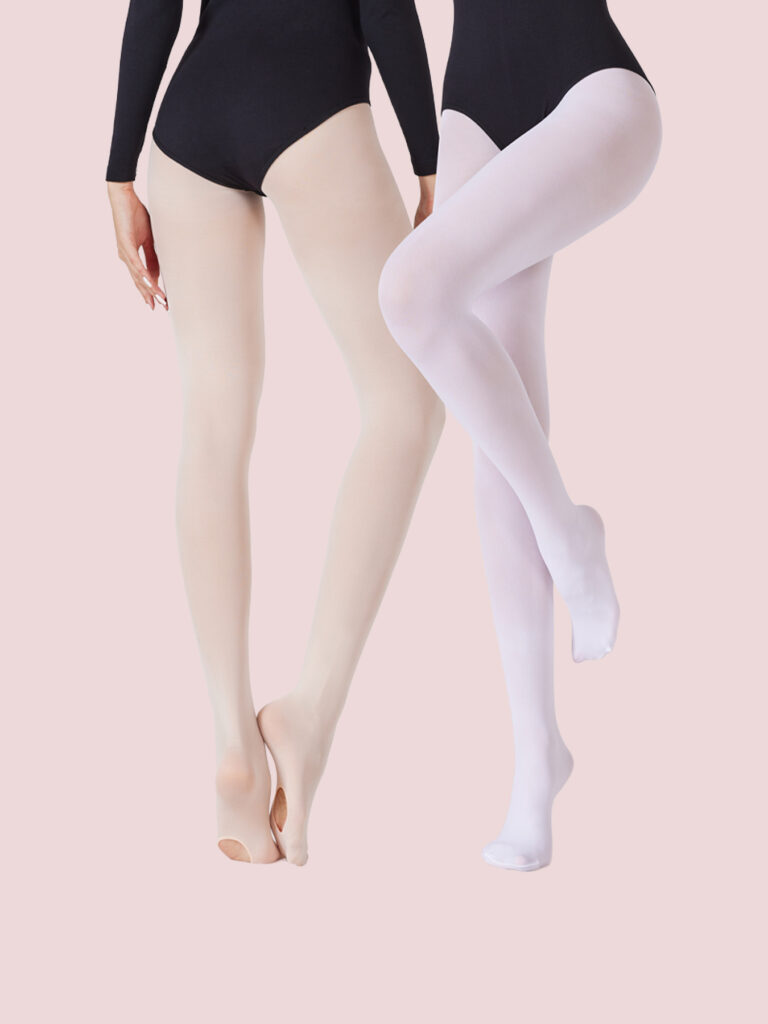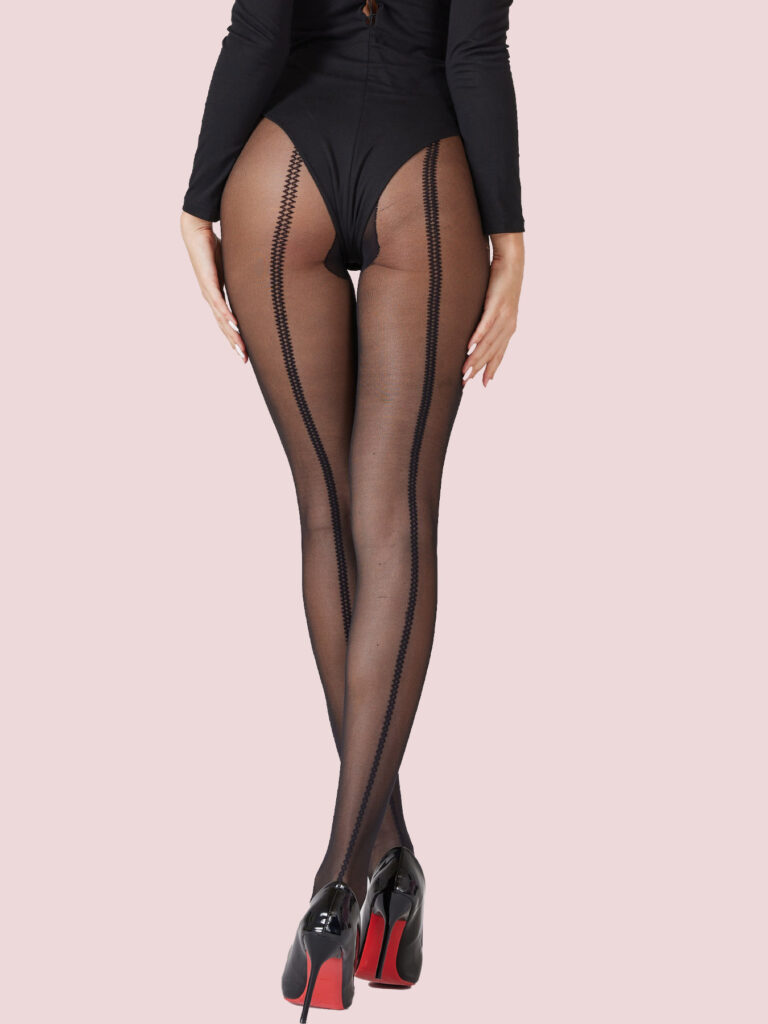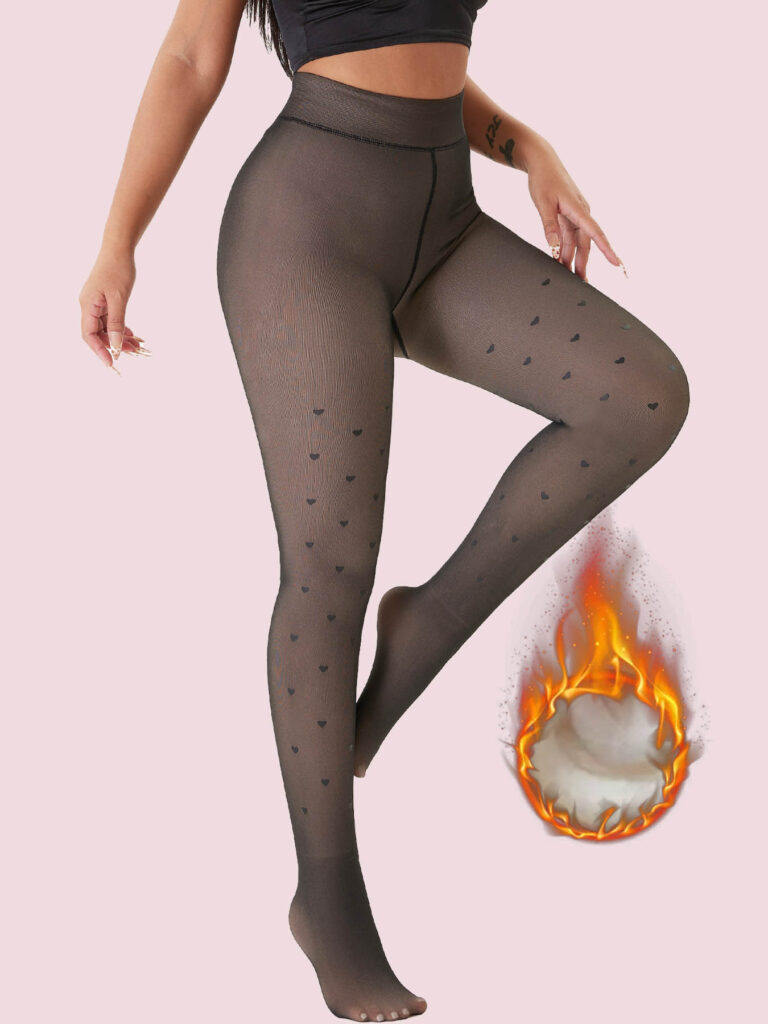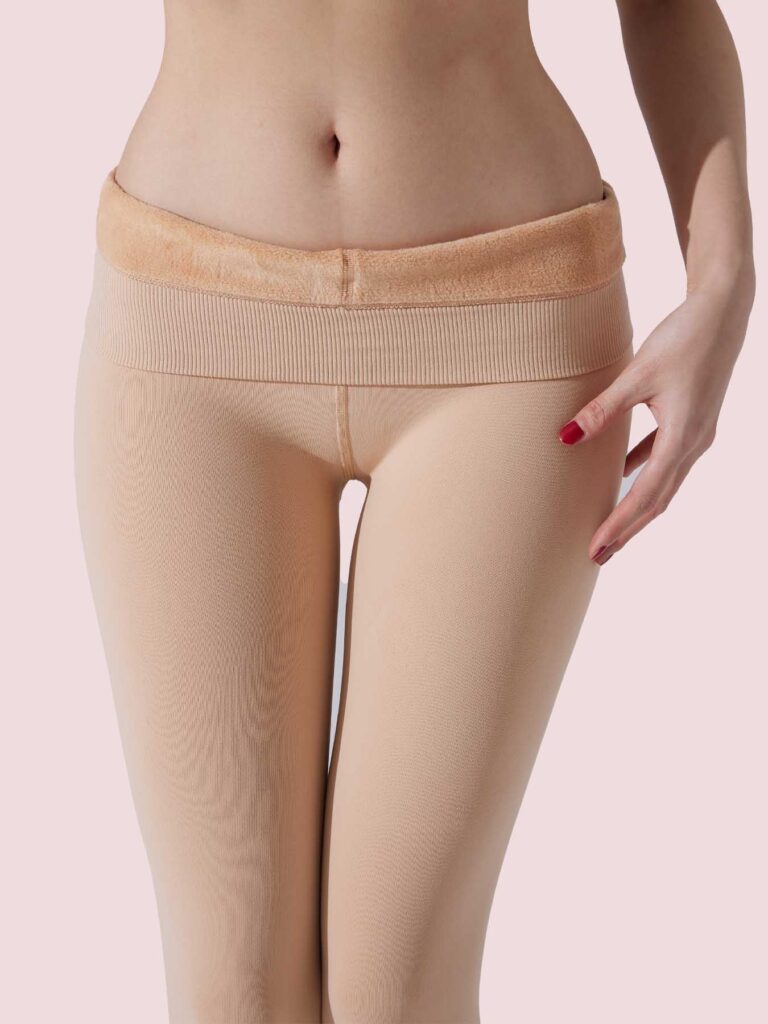
ストッキングは、小売業者にとって見かけによらず難しいカテゴリーです。製品の作りが悪いと、返品が相次ぎます。写真映えも良く、開封直後は履き心地も問題ないように見えても、一日履いてみるとすぐにダメになってしまうのです。そうなると、苦情はたいてい単純明快です。ストッキングがずり落ちる、ウエストバンドの感触が悪い、生地がすぐに傷んでしまう、といった具合です。
そこで製造品質が重要になってきます。このカテゴリーでは、一度売れる商品とリピート注文を獲得する商品の違いは、多くの場合、グリップ力、フィット感、そして一貫性にかかっています。大量のストッキングを仕入れるバイヤーにとって、これらの細部は顧客の快適さだけでなく、返品率、レビューの質、そして利益率にも影響を与えます。
そもそもステイアップが丸まってしまうのはなぜなのか
ストッキングがずり落ちてしまう場合、原因は通常、構造的な問題です。シリコンの強度不足、サイズ展開の不備、張力の不安定さ、あるいは動きや体温によって形状を維持できない生地などが考えられます。低価格帯の製品では、これらの問題が同時に発生することがよくあります。
弱いシリコーンの応用
購入者がまず注意すべきは、上部のバンド部分です。シリコンが安すぎたり、薄すぎたり、塗布が不十分だったりすると、グリップ力がすぐに低下します。体温、歩行、そして繰り返しの洗濯によって、この問題はさらに悪化します。最初は些細なフィット感の問題だったものが、1、2回着用しただけで返品につながる可能性もあります。
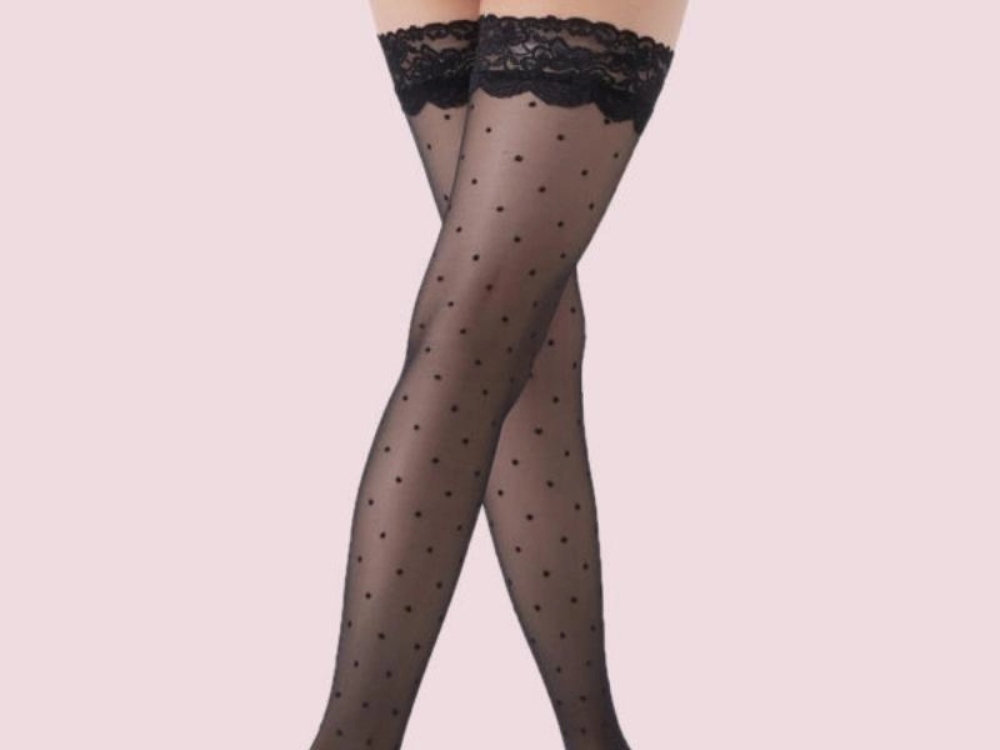
より優れた製品は、肌に優しいシリコンとより安定したバンドレイアウトを採用しています。マルチロウ構造により、長時間着用時に不快感を与えるような強い圧迫痕を生じさせることなく、ホールド力を向上させることができます。当社の製品に採用されている複雑な構造をご覧ください。 20D ポルカドットレースステイアップ. 驚くほどしっかりとしたホールド感を実現し、不快な皮膚の炎症や、あの恐ろしいソーセージのような脚の見た目を完全に回避します。
実際のフィット感を反映していない簡略化されたサイズ表記
2つ目の問題はサイズです。多くの量販店では、適切なフィット感の開発よりも、基本的なパターンの拡大縮小に頼っています。これは低価格で短命な製品には十分かもしれませんが、太もものフィット感が重要なカテゴリーではうまく機能しません。
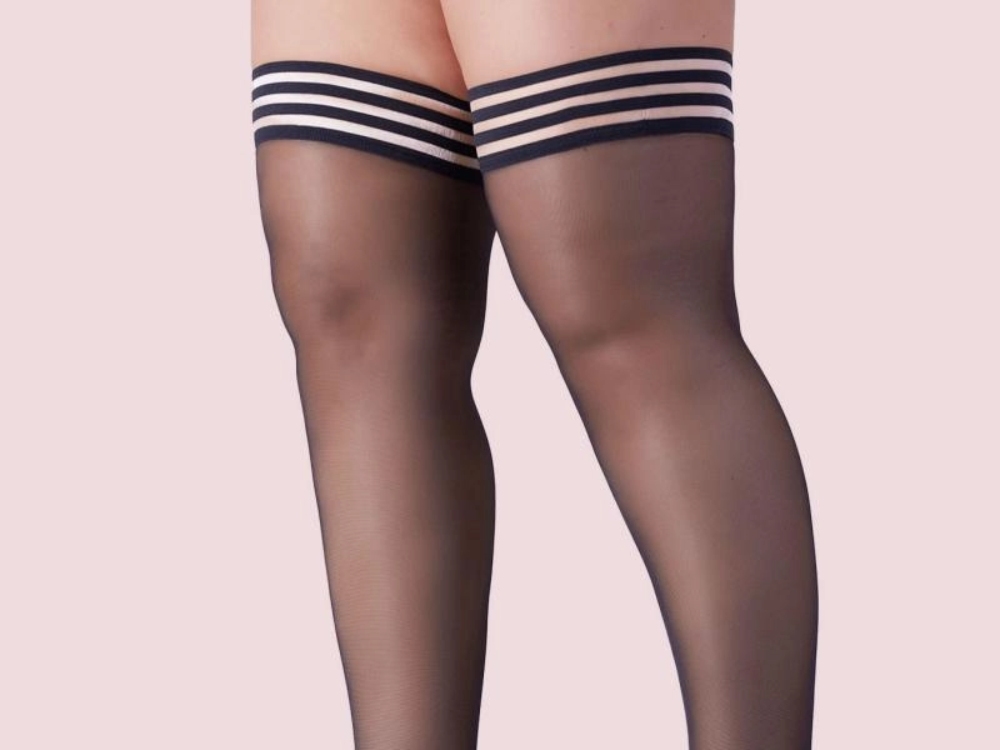
太もも部分の締め付けが適切でないと、ストッキングが締め付けられたり、ずり落ちたりする可能性があります。どちらの場合も、リピート購入にはつながりません。これは、サイズ展開が拡大するにつれてさらに重要になります。拡大したサイズ展開では、単にラベルを大きくするよりも、実際のグレーディング作業がはるかに重要になります。多様な顧客層を取り込むには、丁寧に成形された当社の製品のように、真に包括的なアイテムを調達する必要があります。 プラスサイズ サイハイストッキング. 伸縮性と滑り止め性能を最大限に維持しつつ、より幅広いサイズに対応できるよう設計しています。
製造技術の向上がフィット感をどのように改善するか
しっかりとしたフィット感は、シリコン素材だけで実現するものではありません。製品全体の構造によって決まるのです。
編み物によるよりコントロールされた張力
最新の編み機システムにより、メーカーは脚部や太もも全体の張力をより精密に調整できるようになりました。これにより、生地が体に沿ってより均一にフィットし、ある部分が強く引っ張られたり、別の部分がすぐに緩んだりするのを防ぐことができます。
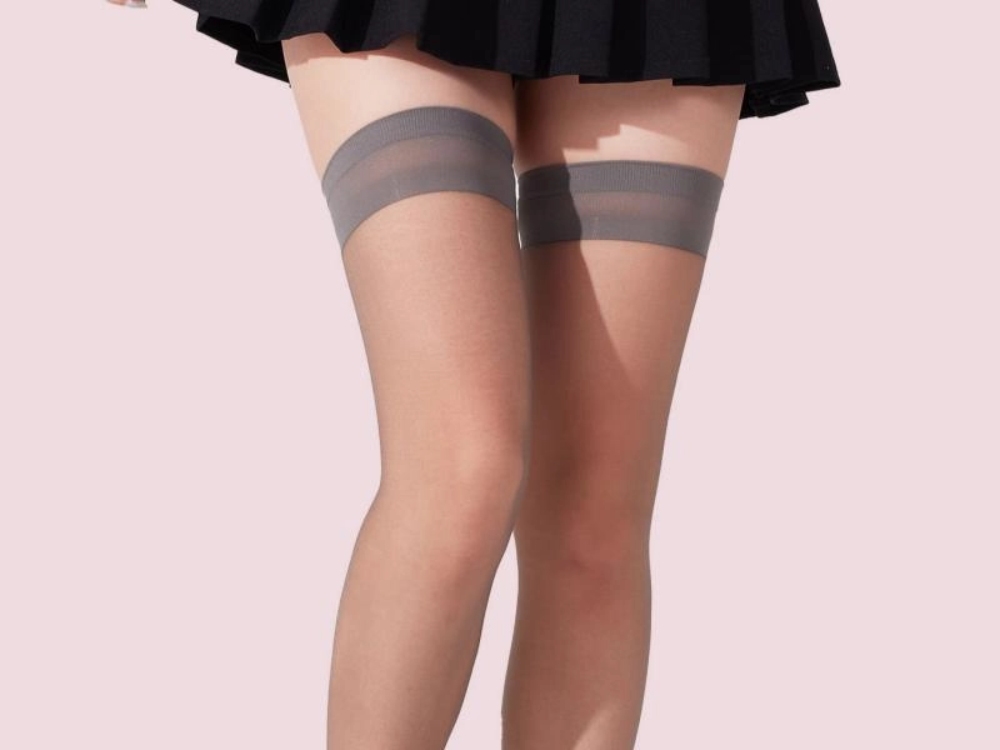
購入者にとってのメリットは実用的です。張力制御が向上すれば、滑り、ねじれ、圧力の不均一に関する苦情が減ります。また、リピート注文の信頼性も高まります。これは、既に小売店で好評を得ているスタイルを、フィット感のずれなく補充する必要がある場合に重要です。この規模の精密なエンジニアリングにより、当社は美しい定番アイテムを織り上げることができます。 透明で継ぎ目のないロングストッキングこれらの特別な衣服は、構造的な形状をしっかりと保持し、激しい動きの多い日でも、しっかりとその位置を保ちます。
さまざまな製品タイプに適した、より優れた構造
すべての市場が同じタイプのホールド感を求めているわけではありません。軽やかで透け感のあるドレススタイルを求めるバイヤーもいれば、冬物で少し透け感のあるデザインや、より長時間着用できるホールド力の高い製品を求めるバイヤーもいます。優れた工場であれば、フィット感や仕上がりの品質を損なうことなく、こうした多様なニーズに対応できるはずです。
これは、製品のバリエーションが増えるとコストが高くなるため重要です。フィット感を大きく変えずにさまざまな糸の太さや仕上げに対応できるサプライヤーは、通常、リピート注文においてより安全です。さらに良いことに、この糸の徹底的な統合は、当社のまばゆいばかりの製品のように、非常に繊細な数字を意味します。 超キラキラ輝く太もも丈ストッキング―その輝くような魅力に加えて、驚異的なグリップ力も兼ね備えている。
繊細なスタイルにも丈夫な糸の設計が必要な理由
ストッキングにおいて、フィット感は半分に過ぎません。もう半分は、ほつれたり、伝線したり、伸縮性が失われたりするまでの耐久性です。特に薄手の製品は、この点で脆弱です。消費者は軽やかな見た目を期待しますが、同時に日常的な着用に耐えられる耐久性も求めています。見た目は洗練されていても、すぐに劣化してしまうような製品であれば、返品や低評価レビューがすぐに寄せられるでしょう。
芯糸と優れた弾性回復性
糸の構造を強くすることで、そのリスクを軽減できます。スパンデックスと耐久性のある合成繊維をバランス良く組み合わせることで、伸縮性、反発力、表面の弾力性を向上させることができます。これにより、透け感のある素材が耐久性の高い製品になるわけではありませんが、日常的な使用においてより信頼性が高まります。卸売業者にとってこれは重要な点です。なぜなら、初期不良は一度きりの問題で済むことはほとんどないからです。糸の品質にばらつきがあると、クレームは取引量に応じて増加します。
大規模化においても品質管理は依然として重要である
優れたデザインであっても、生産管理がずさんであれば失敗に終わる可能性があります。ストッキングの場合、小さな欠陥が大きな影響を及ぼすことがあります。バンドのわずかな不均一さ、仕上げの不具合、あるいはあるロットのグリップ力の弱さなどが、すぐに返品につながる可能性があります。そのため、大量購入を希望する企業は、サンプルだけでなく、工場が大量生産においてグリップ性能、フィット感の一貫性、伸縮性、外観をどのようにチェックしているかを確認する必要があります。優れたサンプルが必ずしも安定した大量生産品質を保証するものではないのです。
購入者がステイアップサプライヤーを選ぶ際に考慮すべき点
このカテゴリーにおいては、調達決定は価格やデザイン性だけにとどまるべきではありません。バイヤーは、サプライヤーが繰り返し注文においても品質を安定させられるか、様々な規模の構造物に対応できるか、そして異なる市場に合わせて構造の詳細を調整できるかを知る必要があります。
より有用な質問は、通常、実務的なものである。
工場は製造ロットごとにグリップの均一性を維持できるのか?
異なるデニール数や糸の混紡率に対応しても、着心地を大きく損なうことなく使用できますか?
包括的なサイズ展開を適切に処理できますか?
検査基準を犠牲にすることなく、納期を守ることができるだろうか?
こうした質問こそが、短期的な取引先と長期的な供給パートナーを区別する上で重要な要素となる。
ラセタがその役割に適している理由
購入者にとって、これらの要件は通常、一つの疑問に帰着します。それは、サプライヤーがそのレベルの一貫性を大規模に提供できるかどうか、ということです。 毛深い 同社は1997年から靴下事業に携わっており、大量生産と製品特化の両方を軸とした製造システムを構築してきました。イタリアのLonati社製機械536台を輸入し、世界中の顧客向けにOEMおよびODM開発をサポートしています。これにより、より大規模な注文に対応できる規模を確保しつつ、再現性と生産量を厳密に管理することが可能となっています。
購入者にとってより重要なのは、単に生産台数だけではありません。規模、フィット感の開発、そしてカテゴリーへの注力といった要素が組み合わさることで、より魅力的な製品が生まれるのです。Lasetaは、長年にわたる人体計測研究に基づき、様々な市場におけるサイズ展開と着用感の向上に取り組んでいます。これは、太もものフィット感やグリップバランスが返品リスクに直接影響する製品カテゴリーにおいて、特に有効です。
最後に
ストッキングがずり落ちてしまう場合、問題は見た目だけにあることは稀です。たいていは製造工程上の問題、つまりシリコンの品質、サイズ展開、張力バランス、糸の構造、あるいはロット管理といった点に起因します。こうした細部は調達段階では見落としやすく、後々無視すると大きな損失につながります。小売業者や卸売業者にとって、より高品質なストッキングは快適性を向上させるだけでなく、返品を防ぎ、見た目にも魅力的な商品を、大量在庫として確保できる、収益性の高い資産へと変えることにも役立ちます。
もしあなたのブランドが、透け感のあるステイアップのOEMまたはODMオプションを検討しているなら、適切なサプライヤーは、製品開発、安定した大量生産、そして季節やサイズ展開を問わず一貫したフィット感を提供できる能力を備えている必要があります。
よくある質問
Q1:ストッキングはなぜ数回履いただけでずり落ちてしまうことが多いのですか?
A1:これは通常、シリコンの劣化、太もも部分のフィット感の悪さ、または生地の復元力の不安定さに起因します。洗濯や体温によって、これらの弱点がより早く現れることがあります。
Q2:ステイアップは、さまざまな小売市場向けにカスタマイズできますか?
A2:はい。有能なメーカーであれば、製品のポジショニングや市場ニーズに基づいて、デニール、糸の混紡率、シリコンの配置、バンド幅、サイズ展開などを調整できます。
Q3:大量購入者はまず何に注目すべきでしょうか?
A3:グリップの安定性、サイズの一貫性、生地の耐久性、そしてロットごとの品質管理が最も重要視される傾向があります。これらの要素は、返品率やリピート販売に最も明確な影響を与えることが多いのです。