Classic fishnets sell through a familiar visual code: a visible mesh, usually black, with a styling message that consumers already understand. Oil-shine fishnet tights add another layer. Light moves across the yarn or a sheer base, so the pair can look more polished in video and more striking under evening lighting. That extra impact can be valuable, but it is not automatically the better buy.
For a retail buyer, the useful comparison is not fashion versus basic. It is how each construction earns its place in a small collection. Mesh scale, surface reflection, waistband behavior, product photography, size guidance, and display all affect whether a fishnet becomes a repeatable SKU or an expensive visual experiment.
This comparison helps retail buyers decide whether oil-shine fishnets and classic fishnets should serve the same customer or occupy different roles in the assortment. Mesh structure, surface reflection, stretch, styling use, and packaging are considered together so a small test collection can be planned with less SKU waste.
Laseta works with hosiery buyers developing fashion tights for private-label and wholesale collections. Its product scope includes fishnet constructions, glossy finishes, sheer pantyhose, patterned tights, waistband options, stretch control, labeling, and customized packaging. For buyers comparing oil-shine fishnets with classic fishnets, sampling can focus on visual impact, mesh scale, shine distribution, skin contrast, comfort, and how the product performs across different retail channels.
Define the Retail Job Before Comparing the Look
Classic Fishnets Bring a Familiar Entry Point
Classic fishnets work when a customer wants texture that is easy to recognize from a distance. A fine diamond mesh can layer under denim or boots. A larger mesh is more assertive and needs a clearer occasion. Neither should be described as one-size-fits-all fashion hosiery, because the mesh changes appearance as it stretches over different legs.
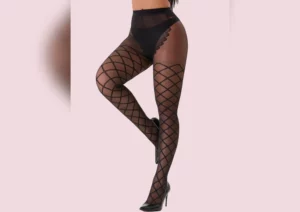
の diamond mesh jacquard stockings option is useful when a buyer wants a structured pattern rather than a reflective surface. It gives a range a quieter fashion option and makes the role of a true fishnet easier to explain on the shelf.
Oil Shine Adds a Second Visual Signal
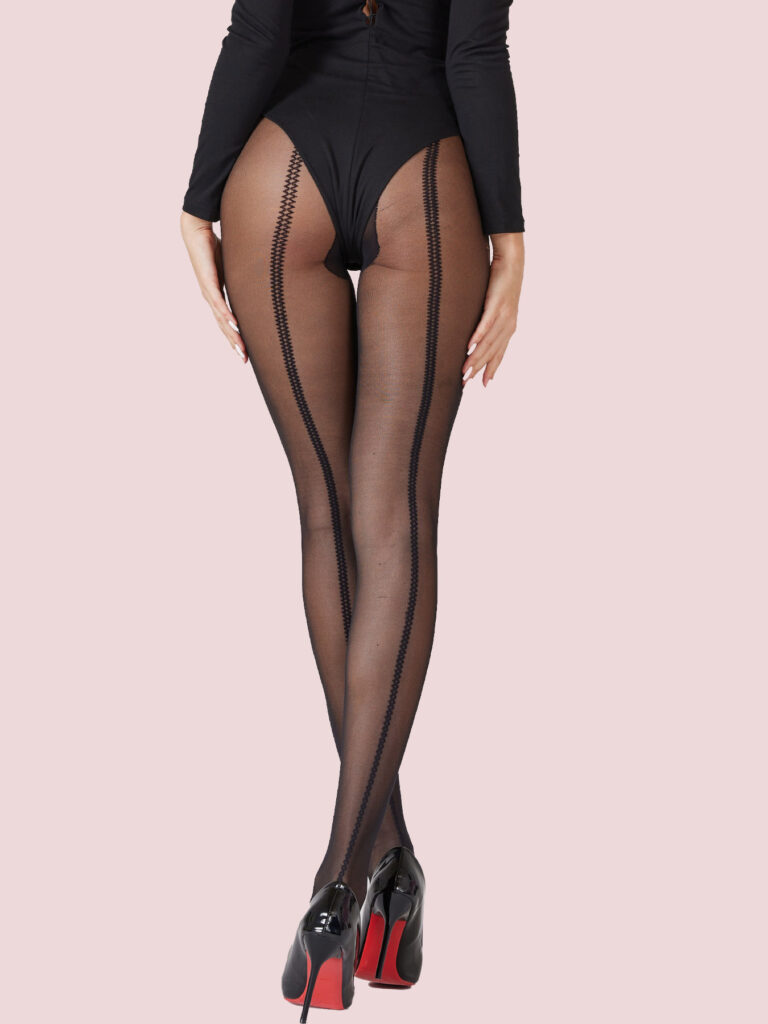
Oil-shine fishnet tights can catch attention in a short clip or at an evening event because the product has both an open pattern and a reflective cue. That makes them more suitable for a narrow fashion drop, partywear display, or a creator-led launch than for every basic hosiery fixture. The glossy fishnet overlay tights show why the buyer should judge the mesh and sheer base together. If the base becomes too reflective, it can obscure the mesh. If it is too flat, the premium cue disappears.
Compare Structure Before Comparing Styling
Fishnet pantyhose rely on an open knit or a mesh-like pattern. The apparent size of the openings changes under tension. A fashion shoot with a static pose does not reveal how the grid behaves when the wearer sits, walks, or pulls the pair on. The review should include leg stretch, upper-body tension, toe placement, and whether the pattern stays balanced from ankle to thigh.
Mesh Size Changes the Selling Conversation
Fine mesh is usually easier to blend into a broad collection. Medium mesh creates a clearer trend signal. Larger openings place more pressure on product photography and customer expectation, especially when the product is sold online. Keep those roles separate in the line sheet. A customer who wanted a subtle leg texture should not receive a visibly open party fishnet because the pack used a vague fashion image.
Check the Upper Section and Toe
The leg may look correct while the upper section causes the return. Review the waistband height, crotch position, brief transition, and toe finish on more than one planned size. For an open construction, a reinforced toe or a clearly stated fashion toe can affect styling and handling. It should be part of the product description, not a last-minute factory detail.
Choose the Right Test Collection
A small test can answer more than a large assortment. Start with one classic mesh in black, one oil-shine or glossy fishnet in black, and one adjacent patterned style if the brand needs a softer alternative. The aim is to compare distinct visual jobs, not to create three near-identical black fishnets that compete with each other.
Use Different Display Contexts
Merchandise classic fishnets beside versatile boots, denim, or a simple skirt. Place oil-shine fishnets near partywear, heels, or evening styling. In e-commerce, show the mesh close-up and from a normal viewing distance. For a glossy style, include movement so the buyer can judge whether the shine reads as a finish rather than glare.
Decide Reorder Signals Before Launch
Track more than sell-through. Note questions about size, reports of stretching, photo-versus-product comments, and whether the customer purchases the item with a particular dress or shoe. Those observations show whether the problem is the mesh, the shine, the product page, or the range position. They are more useful than a blanket verdict on whether glossy fishnet tights are in fashion.
Keep the Product Story Honest
A reflective fishnet should be described as glossy or oil-shined if that is the approved finish. A classic construction should be called “classic” or “fine mesh” when that is its strength. Avoid using luxury, seamless, or shaping as loose adjectives where the garment does not support the claim. Clear language reduces the chance that an online consumer expects a surface or level of support that is not there.
Use Sampling and Customization to Control the Risk
After the test range is mapped, Lセット can support the later review of mesh direction, denier, color, waistband, size guidance, labels, and packing. 無料サンプルパックをご請求ください and wear-test it with the intended outfits. Ask to see several completed pairs rather than one carefully selected piece, then compare shade, mesh alignment, surface finish, and folding.
A more theatrical style such as fishnet garter tights belongs in its own lane. It may work for a specialist capsule, but it should not be used to set expectations for the core classic fishnet or the glossy overlay. Keeping those lanes distinct gives a buyer cleaner data and a more legible retail range.
よくある質問
Q1: Do oil-shine fishnet tights always have more retail impact?
A1: They can create a stronger visual hook, especially in video and evening display. Classic fishnets may be easier to sell as an everyday or entry fashion style. The right choice depends on the channel and collection role.
Q2: What should buyers test on fishnet samples?
A2: Test mesh stretch, pattern balance, waistband and crotch behavior, toe finish, shade, gloss, recovery, and how the product looks in motion under the intended lighting.
Q3: How many fishnet SKUs should a first test include?
A3: A small group with clearly different jobs is safer than a crowded black-mesh selection. One classic mesh, one glossy direction, and one complementary pattern can provide a useful comparison.
Develop A Fishnet Collection With A Clear Retail Role
Oil-shine fishnets and classic fishnets should not be positioned as identical SKUs. Laseta can help buyers compare mesh structure, shine level, stretch, waistband construction, color, packaging, and intended use before expanding the assortment.
Share the target market, customer age range, preferred mesh look, and expected retail price. Request a free sample pack to compare the two constructions under store lighting and social-commerce photography. For private-label fishnet tights, contact Laseta to review sampling, custom labeling, packaging, and production planning.