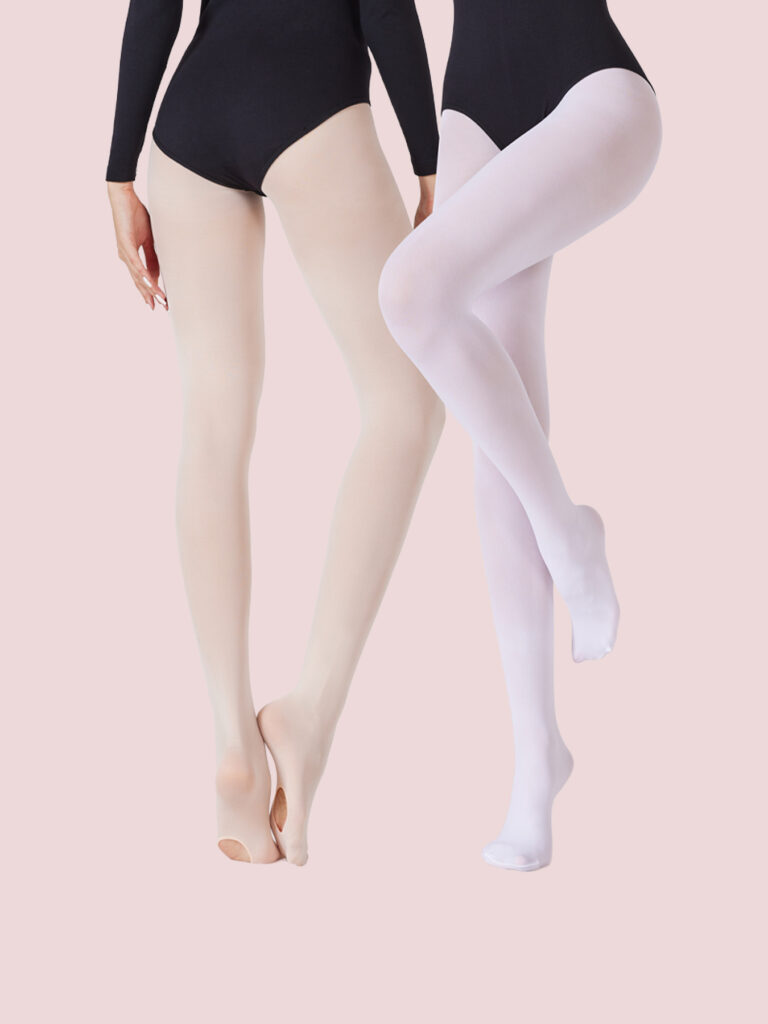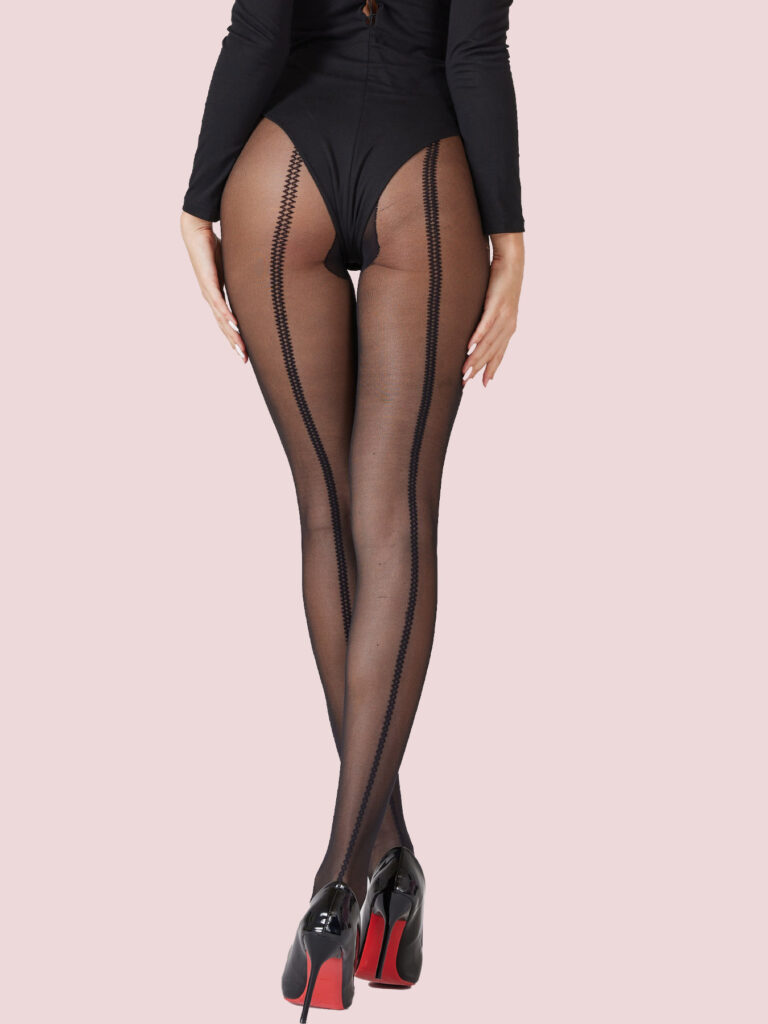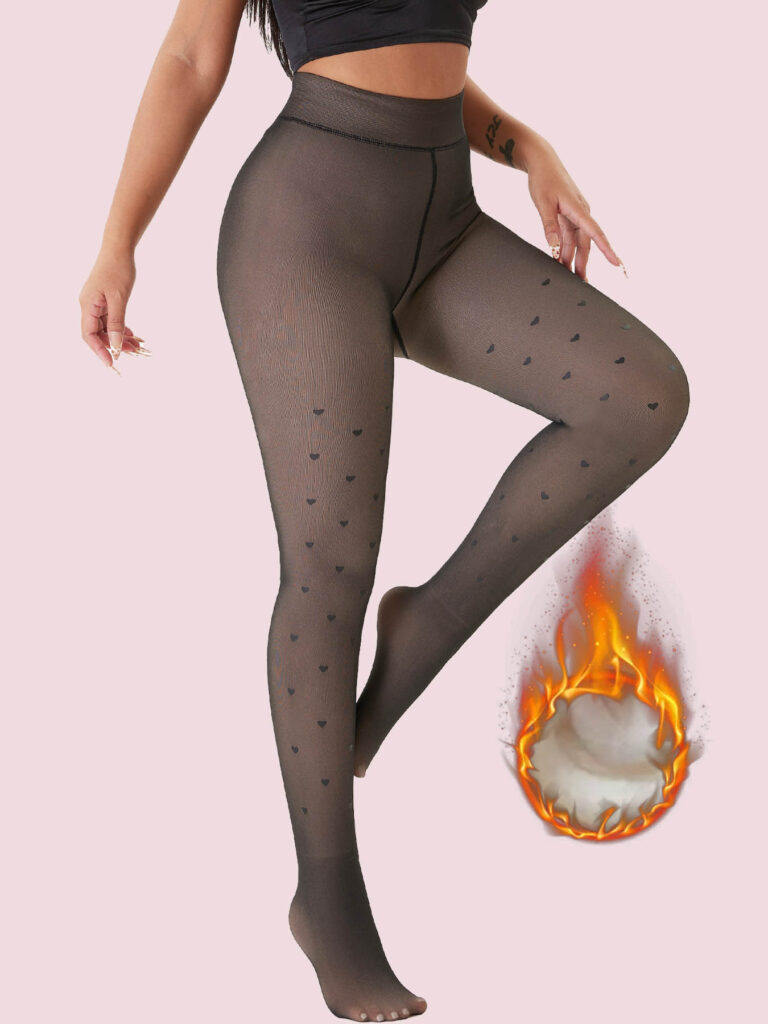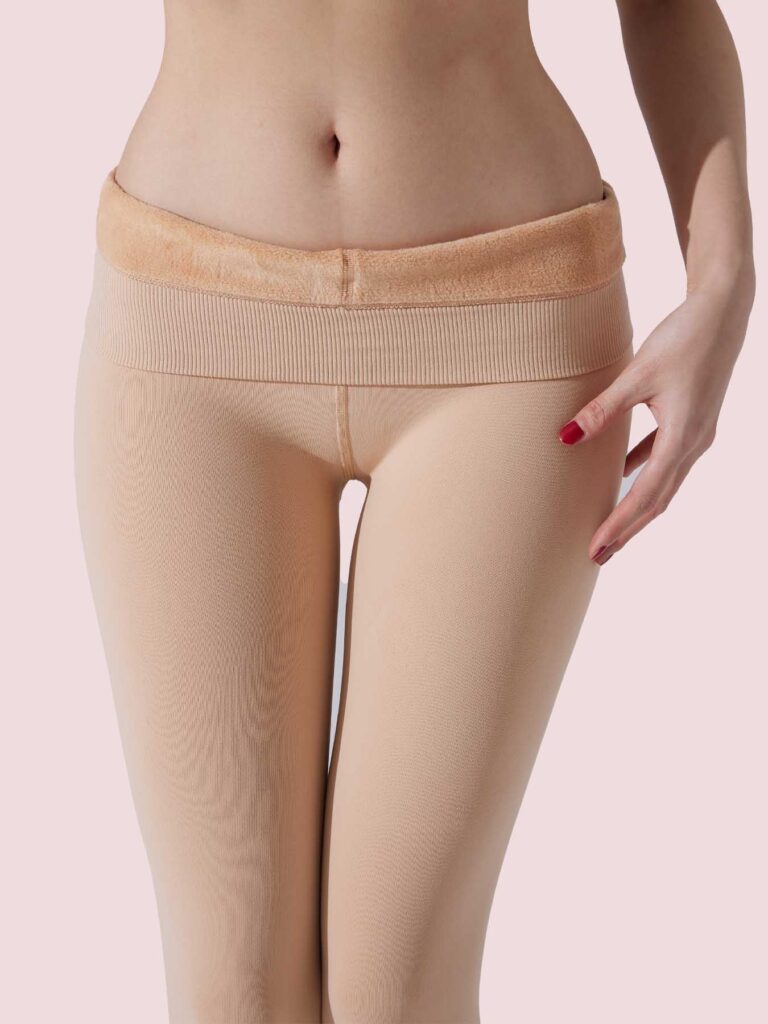
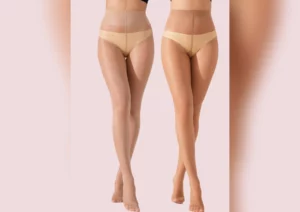
A pair of oil shiny pantyhose can do more work on a rail than an ordinary sheer style. Under a store spotlight, it gives an outfit a visible finish. In a short video, it catches movement. On a stage or dance floor, it can keep the leg line from disappearing into the background. That does not make it a universal bestseller. It makes it a high-impact retail SKU when the buyer gives it a specific job.
The mistake is to treat shiny pantyhose as a novelty item with no planning behind it. A glossy finish magnifies small issues: uneven color, a weak size chart, a packed pair with a fold mark, or a photo that shows a much stronger shine than the consumer sees at home. Retailers getting value from the category are usually deliberate about display, shade mix, sampling, and the point at which a fashion test becomes a reorder.
Laseta is a professional hosiery manufacturer that creates reliable legwear solutions for global fashion brands, wholesalers, and private label customers. The factory specializes in developing and producing tights, pantyhose, glossy hosiery, sheer styles, compression designs, and other customized legwear. From material selection and knitting technology to finishing, quality control, and packaging, Laseta provides an integrated production workflow to help customers turn design concepts into finished products. With advanced hosiery equipment, experienced production teams, and flexible customization capabilities, Laseta supports different market needs, including ready-to-market collections, seasonal launches, and long-term supply programs.
Put the SKU Where Light Can Sell It
Oil shine is not a flat product attribute. The same pair can look soft in daylight, brighter under a warm spotlight, and almost metallic in direct flash. That is why retail placement and photography need to be part of the buying brief rather than an afterthought.
Build Around a Recognizable Occasion
The clearest opening uses are party dressing, dance, stagewear, club styling, and social-content outfits. These are occasions where a visible leg finish makes sense to the consumer. A boutique can place the style near short dresses, bodysuits, performance pieces, or evening accessories instead of hiding it among basic nude hosiery.
That placement also guides the denier choice. A very fine construction can read as a wet-look highlight but needs careful handling. A 10D to 20D direction gives more flexibility between sheerness and a consistent reflective surface. The 20D collant super lucidi route is a practical reference for buyers who want visible shine without building a range around the most delicate end of the denier scale.
Keep the shelf language plain. Name the finish, denier, available shade, and intended look. A consumer who expects a restrained office sheer and receives high-shine tights is unlikely to blame the merchandising decision. The return will still land with the retailer.
Photograph Movement, Not Just a Still Leg
For online retail, one-seated studio image does not explain oil shiny pantyhose well. Use a standing image, a walking frame, and a close crop that shows the surface without changing its color in post-production. Test the approved sample under the same neutral, warm, and camera lighting used for the listing. Check whether the shine remains even at the knee, thigh, ankle, and stretched upper leg.
Core-spun yarn is widely used where a sheer, transparent look needs strength from a core with a fine outer appearance. Nylon contributes a clean surface and durability; elastane is what lets the fabric recover after it is pulled over the leg. Those material choices affect how a glossy finish behaves when stretched. A pair that looks smooth on a mannequin can turn pale or patchy on a moving body if the knit and finishing are not balanced.
Start With a Narrow Color Plan
Black is the uncomplicated entry point. It works with nightwear, performance outfits, and seasonal party displays. A nude or skin-tone option opens another customer group, but it cannot be chosen as a vague “one nude fits all” idea. Gloss makes undertones and dye variation easier to notice.
Give Black and Nude Different Retail Roles
Treat black as the core visual SKU and nude as the fitting room or dress-up companion. The black option can carry the stronger shine and more theatrical styling. Nudes should be checked against more than one skin tone and under more than one light source. In-store lighting can make a warm nude look yellow or a cool one look grey.
IL 15D transparent T-strap shiny pantyhose style gives a useful reference for finer fashion construction where the buyer also needs to consider shoe styling and toe presentation. It is not a substitute for a color approval process. Put finished samples next to the approved shade standard and inspect them after dyeing, heat setting, and boarding. Those later stages are where the retail pair takes its final dimensions, elasticity, and surface appearance.
Resist the Long Opening Assortment
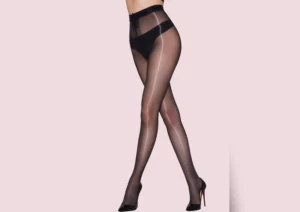
Three well-defined choices are often enough for a first delivery: black as the commercial anchor, one carefully selected nude, and one fashion color or more pronounced gloss. This lets store teams tell a simple story and gives e-commerce teams a cleaner way to compare results.
A broader shade run can wait until there is evidence from try-ons, returns, and sell-through. The 2026 hosiery trends discussion is useful only when it helps a buyer decide what deserves space. There is no need to turn a limited run into six similar colors before the buyer knows which finish customers will actually reorder.
Sample for the Problems Consumers Actually Notice
The first sample is not merely a sign-off on appearance. It is the cheapest place to catch the faults that become reviews later. Richiedi un pacchetto di campioni gratuiti when the rough product brief is ready, then use the pair as a retail test rather than a showroom prop.
Test Shine, Fit, and Recovery Together
Have testers pull on the product in the intended size, sit, walk, climb stairs, and look at the leg under tension. Note where the shine changes under stretch. Check the waistband height, crotch gusset position, toe look, and whether the material returns evenly after wear. Fine hosiery is knitted, then heat set, dyed, dried, boarded, inspected, folded, and packed. Approval should happen on a finished pair from that full route, not on unfinished fabric.
Visual inspection matters, especially for glossy tights. Compare more than one pair for shade, surface consistency, leg length, and finishing marks. Dimensional checks should cover the waistband, rise, and leg length in the sizes that will be sold. A strong image cannot rescue a pair that slides down or shows a different sheen on the second wear.
Make MOQ and Packaging Serve Replenishment
For wholesale pantyhose, MOQ is linked to color count, denier, size breakdown, yarn selection, waistband changes, packaging, and carton marking. The useful question is not only the lowest possible quantity. It is which details need to remain stable for a good reorder.
Keep the First Pack Protective and Legible
Fine shiny tights can be marked by rough card edges, sharp staples, or an over-tight fold. The package should protect the pair and still show the color, denier, size, finish, and care information clearly. A marketplace pack also needs a readable barcode position and an image-friendly size chart. In a store, the shade name must be easy to distinguish at a glance.
When comparing the glossy tights category with a proposed private-label style, check where the new item sits by shine, denier, and customer occasion. The goal is a recognizable role, not a duplicate of every existing look. Keep an approved finished pair and its pack proof in the order file. Record the final shade, denier, fold method, artwork version, carton mark, and size ratio. That file is more useful at replenishment time than a folder of early concept images.
Use Later-Stage Support for the Details That Matter
Once the retail position has held up in sampling, Limpostato can support the later choices around yarn, color, size, logo, hang tags, care labels, and custom packaging. Laseta’s product development and production process includes knitting, dyeing, finishing, and quality checks, which gives buyers a way to keep garment and pack decisions connected.
For a tailored brief rise or packaging route, OEM E ODM services can be brought in after the commercial core is fixed. Request a free sample pack again when the final pack, color, denier, or waistband changes. The second sample confirms the product consumers will really open, not merely the style that looked convincing at the first meeting.
FAQ
Q1: Are oil shiny pantyhose suitable for everyday retail?
A1: They can be, but they sell best when the use case is clear. Party, dance, stage, social content, and eveningwear customers usually respond better than consumers looking for a discreet basic sheer.
Q2: Which colors should a first shiny pantyhose order include?
A2: Start with black, one tested nude or skin-tone choice, and one fashion-led option. Confirm how each shade looks under the lighting used for retail images and store displays before adding more colors.
Q3: What should be approved before placing a wholesale pantyhose reorder?
A3: Confirm the finished sample, denier, shade, gloss level, size ratio, waistband and toe construction, folding method, pack artwork, and master carton markings. Re-test any change that could affect fit or presentation. Feel free to contattaci.