A report marked ‘passed’ is not quite a shipment decision. Suppose the toe was revised after the first fitting. If the inspector worked from the earlier pair, the count of defects may be accurate and the goods still wrong. Before you release a hosiery shipment, establish which version was on the inspection table.
That is where hosiery quality control starts. Laseta checks raw materials, work in progress and finished products after sample confirmation. For your order, connect those checks to the exact garment you approved: the size, shade, construction and pack. The factory and your own quality team need to be able to pick up the same sample and explain what a pass means.
The reference can be quite ordinary: the signed sample, a current size chart and the packing instruction attached to the order. What matters is agreement. When one team has an updated waistband and another still has the first photograph, they are not inspecting the same product.
What should be agreed before production starts?
Give the purchase order a sample reference that an inspector can actually find. A photograph of the style is useful, though it may hide a changed toe or waistband. Beside the reference, list the garment construction and pack you accepted. Any departure already agreed with the factory belongs there too; otherwise a legitimate revision may be reported as a fault.
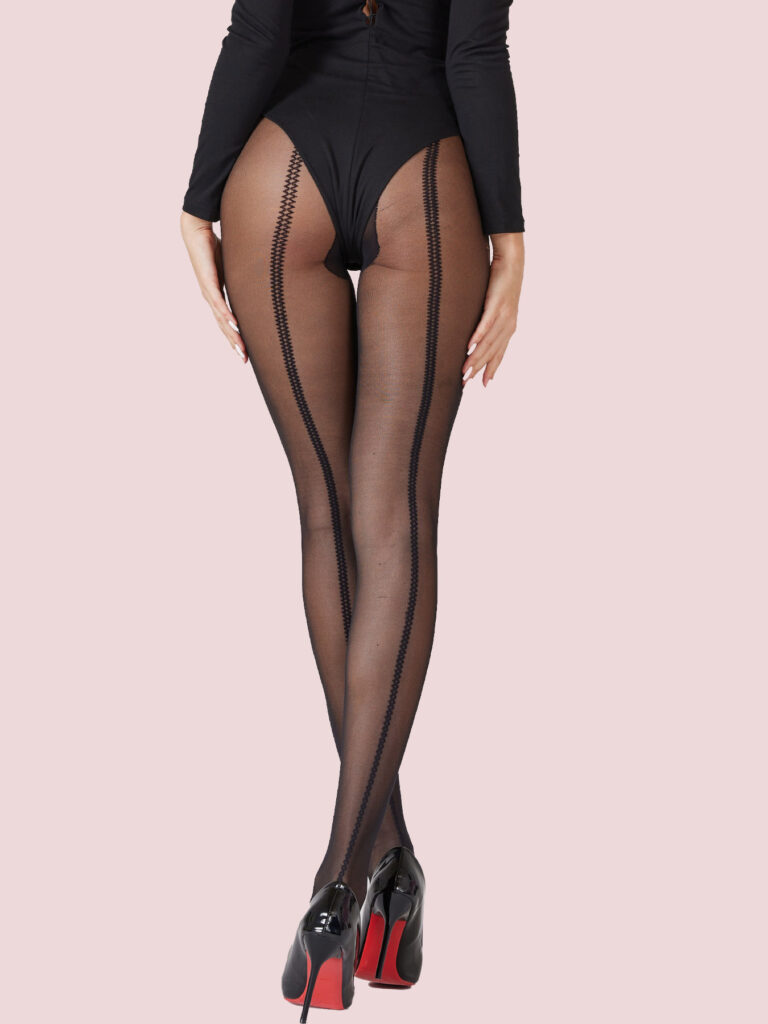
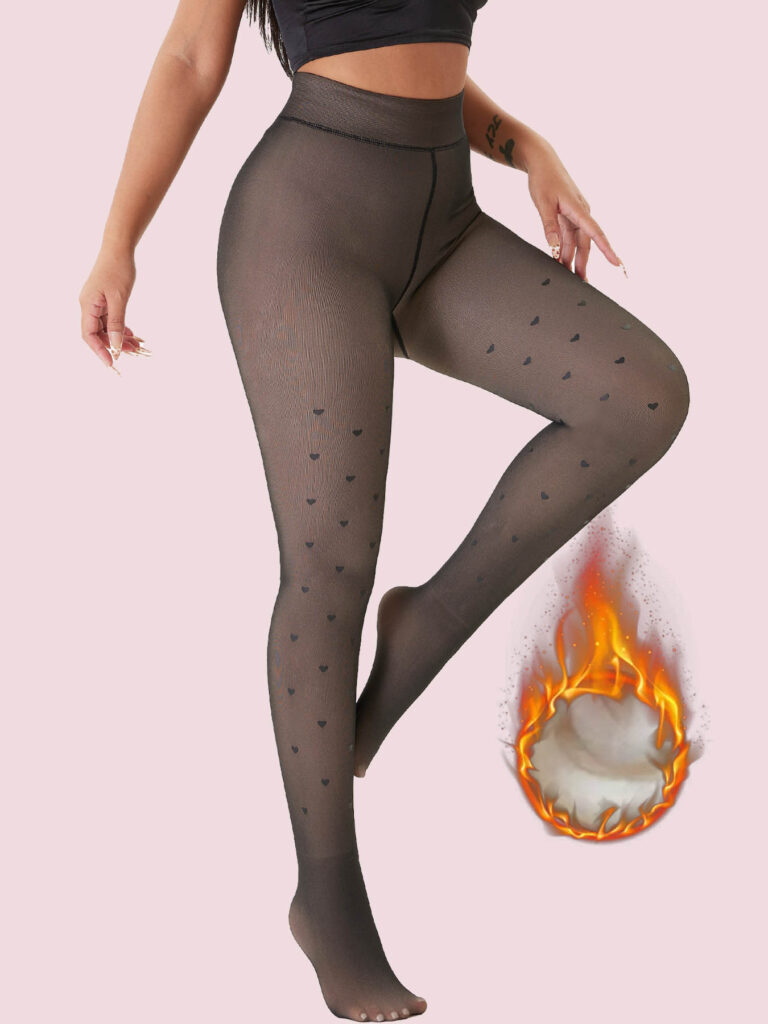
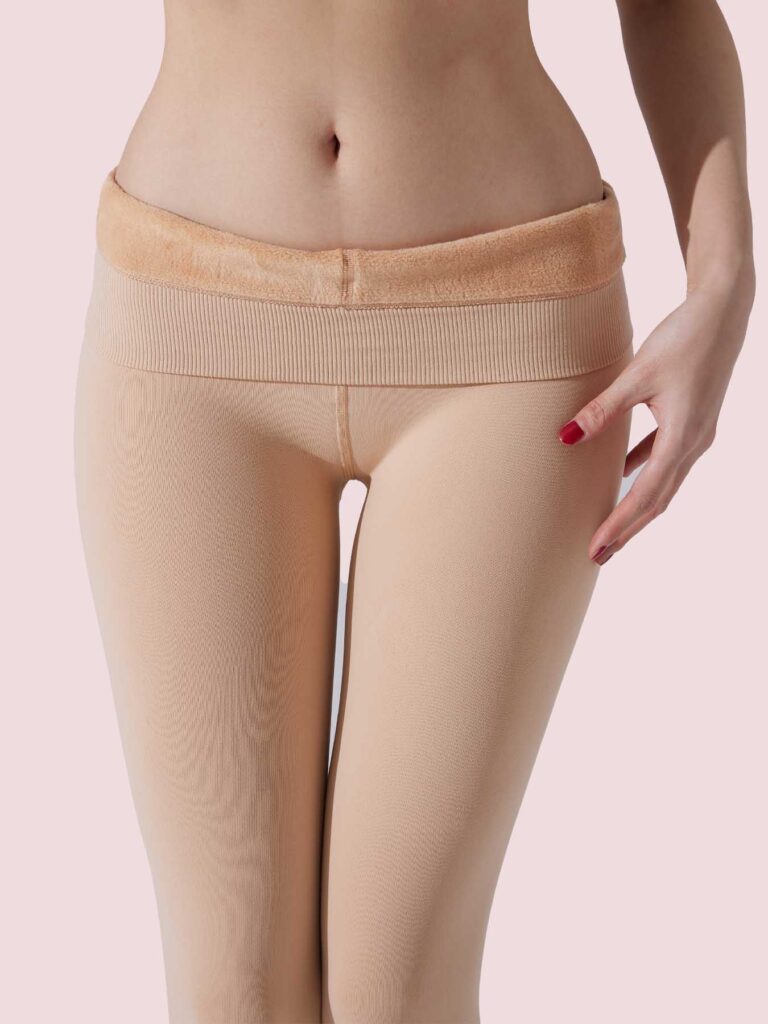
The selling claim tells you where to look most closely. With glossy tights, you will want to see the finish stretched on the leg under the agreed light. With control-top tights, the shaping area needs attention of its own. Peloso also makes fake-sheer thermal styles, whose inner and outer construction differs from an ordinary sheer pair. Discuss the inspection reference for the particular construction you have chosen.
A checklist for sheer tights will naturally give snags and transparency more attention than one for an opaque style. A patterned garment adds alignment to the discussion. You do not need to invent an entirely new inspection system for each order. You do need to say which differences would stop you selling this particular SKU as described.
A defect photograph needs an address. Which lot, size and colour does it show? Which cartons could contain the same fault? Put those identifiers beside the finding and the action taken. Laseta can discuss the available process records with your team before the release date; the record you request needs to answer a question about your goods.
Still debating what an acceptable toe or waistband looks like? Richiedi un pacchetto di campioni gratuiti from Laseta before closing the brief. Your fitter and inspector can handle the same pair and mark any point they read differently. Resolving that small disagreement now is easier than trying to reconstruct it from a defect photograph after production.
Which measurements should be checked on tights and hosiery?
Crotch, groin, thigh, calf and full leg length are among Laseta’s dimensional checkpoints. The measurement location is only half of the instruction, however. An extended pair and a pair lying relaxed can produce different figures at the same point. Put the condition beside each dimension on the hosiery inspection sheet, along with the tolerance agreed for that size.
Suppose the size table is in order but the toe feels tight during fitting. A second waistband measurement will not settle the complaint. Look at the foot and leg in the approved fitting conditions, then establish whether the sample differs from the reference. Work size by size: a figure accepted for one size cannot stand in for an unreviewed size elsewhere in the order.
Separate the shade finding from the leg-length finding on the report. One needs a colour reference and viewing conditions; the other needs a measured value and a method. A combined comment such as ‘poor fit and colour’ offers neither. Your hosiery inspection sheet is useful when the next person can take the garment and repeat the comparison without first asking what the inspector meant.
How can in-process inspection prevent late surprises?
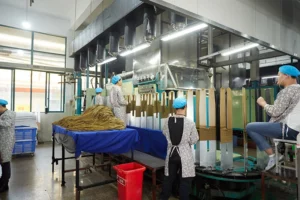
Knitting, integrated processing, dyeing, finishing and packaging all sit within Laseta’s process controls. The associated workshop checks cover dimensions and process parameters, with defect reporting along the way. Find out which records will be available for your order before you need them. A packing-room finding becomes easier to investigate if you can see whether an earlier workshop had already recorded it.
Follow the product through key stages
Follow a repeated finding back through those workshops. A construction fault visible after knitting calls for a different response from a dimensional change first recorded after finishing. Accessories also enter the review before packing. Note both the first recorded location and the later places where the problem appears; those entries help identify which goods still need attention.
A shade discrepancy does not disappear from the file when someone writes ‘fixed’. The goods held back need to be identified, with the recheck result beside the initial finding. Otherwise the person authorising dispatch has no way to distinguish the corrected pairs from the remainder of the lot. This is particularly important when only part of a shipment was affected.
What should happen at final inspection and shipment release?
In its packaging workshop, Laseta specifies 100% visual and dimensional inspection and a review of accessories before dispatch. Packing follows customer requirements. That makes your instruction important: the inspector needs the accepted dimensions, labels and accessory references for this SKU. If the purchase order never states the retail pair count, checking every garment will not resolve the omission.
Leave time to decide on exceptions before dispatch. An accepted deviation needs an approver and a clearly identified quantity; an unresolved one needs corrective action. Compare the final marks and packing list with the version being released. Even a label replacement sent to solve a late problem needs checking against that version. Review Laseta manufacturing support while setting up the order.
Try the proposed checks during the size-set or pre-production review for your hosiery bulk order. Two people measuring the same sample should understand where to place the tape and whether to extend the fabric. Laseta retains development and prototyping records in its PLM system. Ask how your agreed sample and checks will be linked to those records for this hosiery bulk order.
Before appointing a hosiery manufacturer, follow one finding through the proposed reporting process. Where would its photograph go? How would your team learn that the goods had been rechecked? You are establishing the information needed to authorise dispatch, which is a more useful conversation than a general assurance that inspection takes place.
A useful hosiery quality control file lets a colleague who missed the inspection follow the decision. They can identify the accepted pair, read the measurements and see what happened to the exceptions. Keep the packing reference with it. That gives your hosiery manufacturer a starting point for the repeat order as well as a record of this release.
FAQ
Q1: What should a hosiery inspection checklist include?
A1: Begin with the approved sample and its version. Add the dimensions and appearance points that decide acceptance, then the accessories, labels and packing instruction for that SKU. The sheet also needs room to identify findings and show whether they were corrected or accepted.
Q2: Does 100% inspection guarantee that every possible defect is found?
A2: Checking every unit still leaves the scope of the check to be defined. Laseta specifies visual and dimensional inspection in its process. That statement cannot promise discovery of every possible fault, so the agreed criteria and the follow-up to findings remain part of the release decision.
Q3: Which measurements are commonly checked on tights?
A3: Laseta lists the crotch, groin, thighs, calves and full leg length among its checkpoints. Agree which apply to your style. Each needs a measurement condition and an accepted dimension for the size being inspected.
Build a Clear Hosiery Approval Reference with Laseta
Bring Laseta the pair your team approved, or the style you want to develop, with your target colours, size chart and expected quantity. We can discuss that point against the garment instead of leaving the factory and buyer with different ideas of an acceptable pair.
Laseta fornisce campioni gratuiti for buyers who need a physical reference before production. Handle the tights with your quality team, mark the measurement points and compare any appearance concern under your own review conditions. Send back the comments you want resolved, together with your style reference. We can discuss suitable sample arrangements and help establish the inspection reference for your order.