Fitting approval settles the tights, not necessarily the retail unit. Imagine opening the packed sample and finding the barcode for a neighbouring size, or an old care label still attached. The knitted pair might be exactly as requested. The item your brand is about to sell is nevertheless different from the one it approved.
Laseta’s OEM/ODM service includes packaging, logos, hangtags and care labels as well as fabric, size and colour development. Use that scope to review the whole unit with your private label hosiery supplier. One SKU needs one agreed garment, one set of current files and one packing instruction. A shared brand logo does not make those details interchangeable across the range.
Put a pair count beside each packing level. The shopper’s single pair, a two-pair bundle and an inner bag going into a shipping carton are different units. Calling all three a ‘bag’ can leave the designer with the wrong contents to describe. Resolve that wording in the brief while the artwork can still be changed.
What information must be fixed before artwork starts?
Give the designer the style code with its size and colour, plus the destination market and label language. The physical unit matters too. A folded pair held by a card leaves a different copy area from tights enclosed in a box. Describe the fold and insert with the garment reference, so the artwork is designed around the unit your customer will actually open.
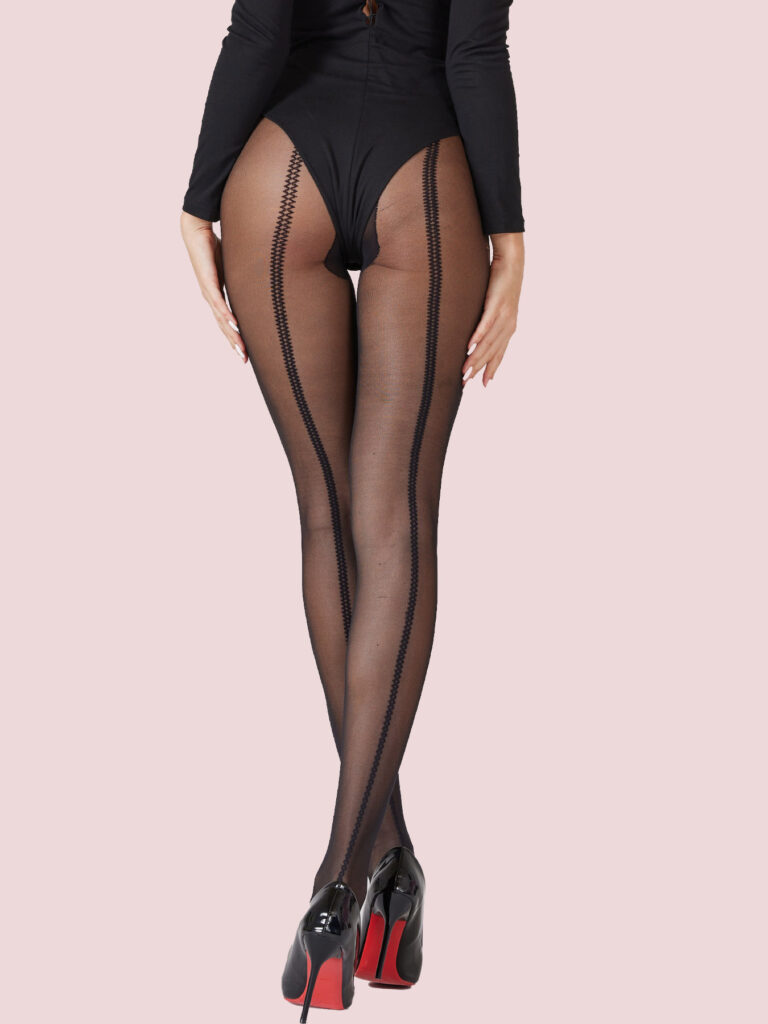
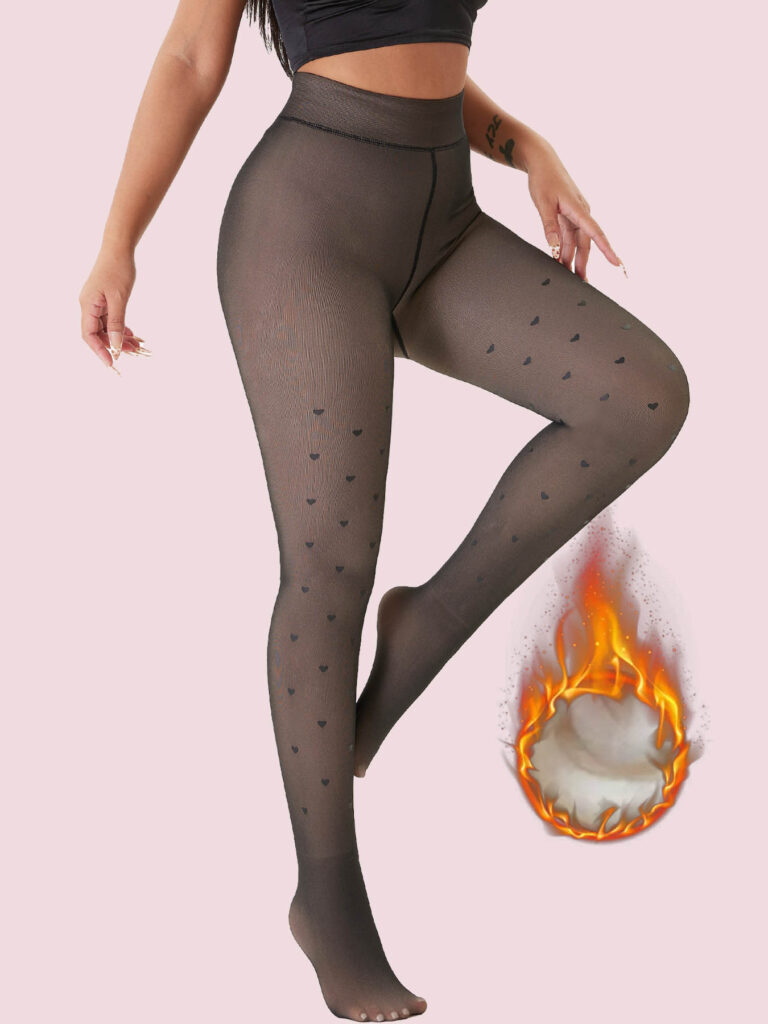
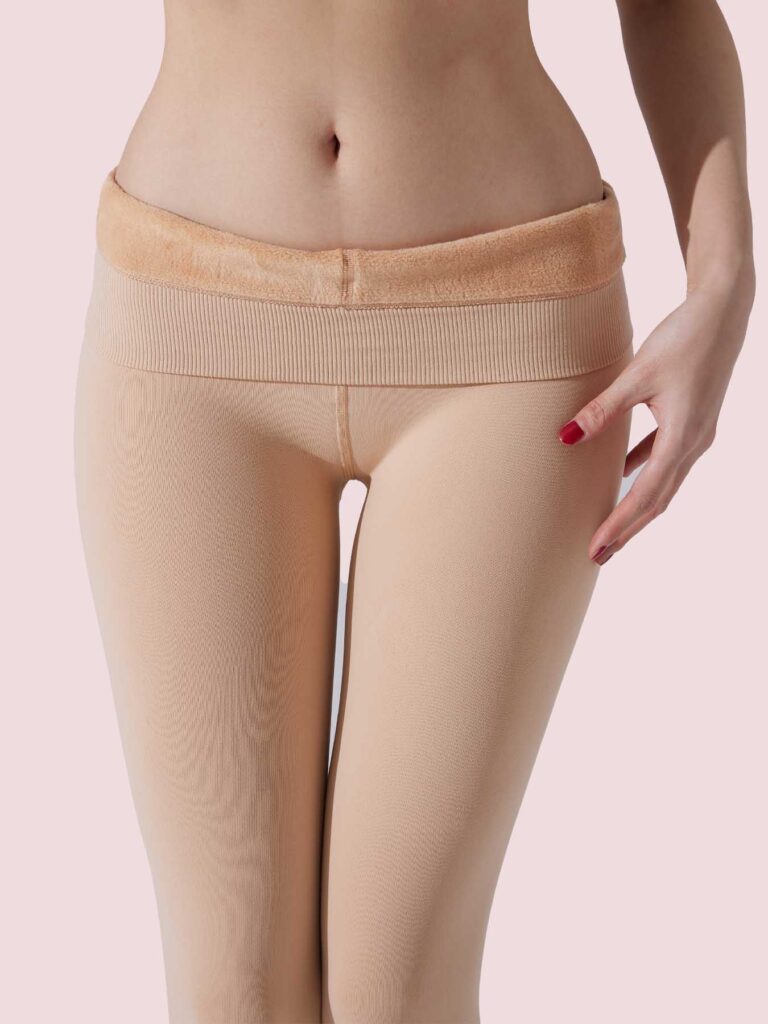
A glossy sheer pair and fake-sheer thermal tights can carry the same brand without sharing the same fold. Laseta’s thermal style uses a skin-toned inner layer under a black outer layer, unlike the sheer leg. Control-top constructions add their own presentation questions. Discuss Laseta OEM/ODM packaging for the selected garment instead of applying one photograph and description across the whole range.
The artwork approver and the printer need the same dated file. That file contains the accepted barcode, logo, product name and wording; a concept image in a chat is not a substitute. Your private label hosiery supplier confirms whether it can be used on the chosen component. These two decisions belong together, since readable copy in a design can still be unsuitable for the proposed pack.
Request a free sample pack before signing off the artwork. With the tights beside a representative card or bag, you can see whether the proposed label fits and whether the name describes the right garment. Confirm what pack components are available for this review. Custom printing has its own costs to agree; it is not established by the offer of a garment sample.
Two styles can look related on a shelf without sharing every label. The sheer leg, control top and patterned pair may need different descriptions or care wording. Laseta supports packaging and label customization; give each file a destination SKU. Otherwise the packing team is left to select among nearly identical versions at exactly the stage when the artwork ought to be settled. Richiedi un pacchetto di campioni gratuiti.
How should the buyer specify the pack itself?
’24 pairs per bag’ may describe goods inside a shipping carton, not the unit offered to a shopper. Establish which it means before approving a label. Give the retail unit its own pair count and physical description, including the fold, closure and label position. The outer quantity then belongs on a separate line confirmed for the style.
Protect the garment that is actually being packed

Laseta describes the glossy sheer and fishnet set as two separate pairs. A proposed bundle based on it needs both garments identified, with a way to keep the contents together in the retail unit. The image and label then describe those contents. Resolve any disagreement between the online description and proposed specification before printing; an unresolved listing detail should not become permanent packaging copy.
The process examples from Laseta are specific. Snag-prone hosiery is described with three compartments holding eight pairs each, totalling 24 per bag. Heavy-gauge hosiery has a zippered-bag example holding 10 pairs, while other quantities vary with the product. These are useful starting points for a protection discussion, with the actual garment still deciding what goes into your order.
Open a filled mock-up with the tag and insert in place. A shopper pulling the garment out may bring a yarn against a card corner or adhesive edge that was harmless while the pack lay closed. Review that movement. If the display fold matters to the product photograph, keep it in the sample approval as well as in the artwork conversation.
Keep buyer-facing claims tied to the approved item
A useful way to review custom hosiery packaging is to read the claims aloud while examining the pair they describe. If the approved construction changed, has the wording changed with it? A colour image or shaping claim copied from an early concept can remain unnoticed in an attractive layout. Keep the corrected wording with the physical reference as part of custom hosiery packaging approval.
How can a team control artwork and label changes?
One row per SKU can be enough to keep the revisions clear. Identify the current file for each printed component, with its dimensions and approval date. Put the barcode, language and care copy with it. A new logo on the bag need not change the care label, but the packing team must be able to tell which component was replaced.
The physical label deserves a review of its own. Its barcode can be scanned, and small wording can be read in the position where it will be used. Retain the accepted version and withdraw the earlier file. With Laseta, ask how that approval is associated with the garment sample in its PLM development and prototyping records; both references need to describe the order now going ahead.
For a range sold in several markets, identify which components stay common and which change with the language. Map the changing labels to their SKUs. View the glossy sheer and fishnet set if that is the bundle being considered, then discuss the actual garments and proposed pack together. Confirm which representative components are available for the sample review before relying on a mock-up alone.
What should be checked before the shipment is released?
A dated accessory reference gives the inspector something specific to compare. Laseta describes an accessory review as well as 100% visual and dimensional inspection before packaging. Those checks need the current instruction: following an obsolete hangtag reference accurately would still leave an obsolete hangtag on the pair. Reconcile the accessory list with the approved unit before this stage.
Use the approved unit for the release comparison, including its tights, hangtag, label, bag and pair count. Reconcile the representative carton with the packing list. If a label discrepancy turns up, keep its SKU and lot with the affected quantity. The team can then correct an identified set of goods before dispatch instead of investigating a complaint with no defined scope.
Keep the private label hosiery packaging instruction with the approved pair, accessible to both teams. The contents, current artwork and protection references should be sufficient for a colleague to pack the unit without searching through messages. That private label hosiery packaging record also supports the repeat run, when the conversations behind the original decisions may no longer be familiar.
FAQ
Q1: What should a private-label hosiery packaging brief include?
A1: Describe the retail unit and its SKU before listing the components. The packing team needs the size, pair count and protection, then the current bag, label, hangtag and barcode references with their language and care wording. Identify the outer quantity separately and include the inspection instruction.
Q2: Can all hosiery styles use the same bag quantity?
A2: No. Laseta gives different examples for snag-prone and heavy-gauge items, and notes that other quantities vary by product. Confirm the protection and pair count for each style instead of treating one bag quantity as a range-wide rule.
Q3: Who approves private-label artwork before bulk production?
A3: The brand approves the wording and final artwork version. The supplier confirms whether it can be produced on the proposed component and applies the approved file to the right SKU. Retain that dated approval with the order.
Prepare Your Retail Hosiery Range with Laseta
Bring Laseta the selected garment and the retail unit you have in mind, with your colours, sizes and expected quantity. Include the pair count, barcode and current artwork. If you are correcting an existing pack, show us the snag point or label mix-up. As a private label hosiery supplier, we can discuss how the garment will be handled as well as how it will look on the shelf.
Laseta fornisce campioni gratuiti to help you check the garment’s bulk, surface and handling before settling the hosiery packaging. Tell us which pack components you want to review alongside it; availability and any custom printing costs need confirmation. Send the SKU list and artwork version with your inquiry, and we can discuss suitable sample arrangements before you approve the production pack.