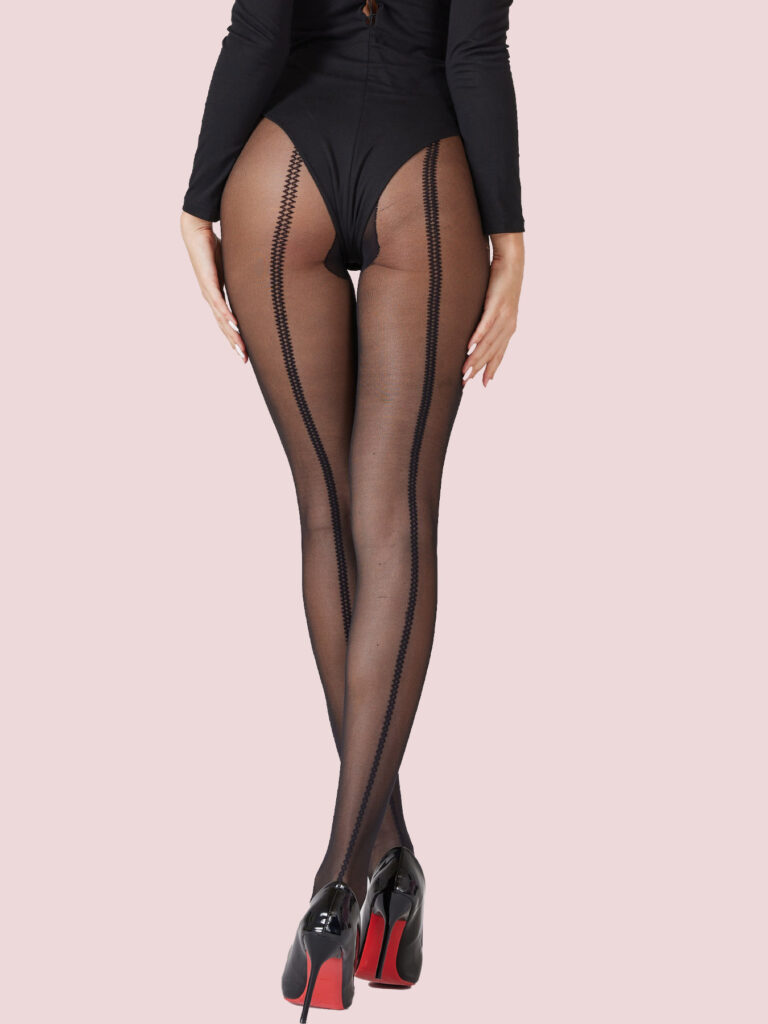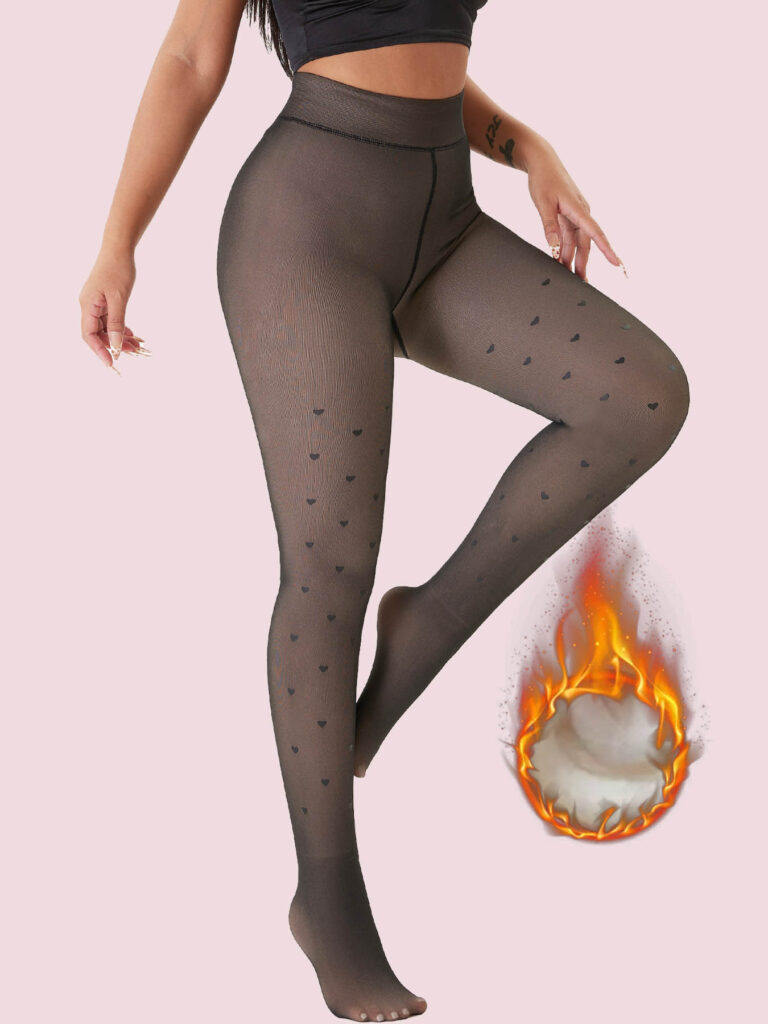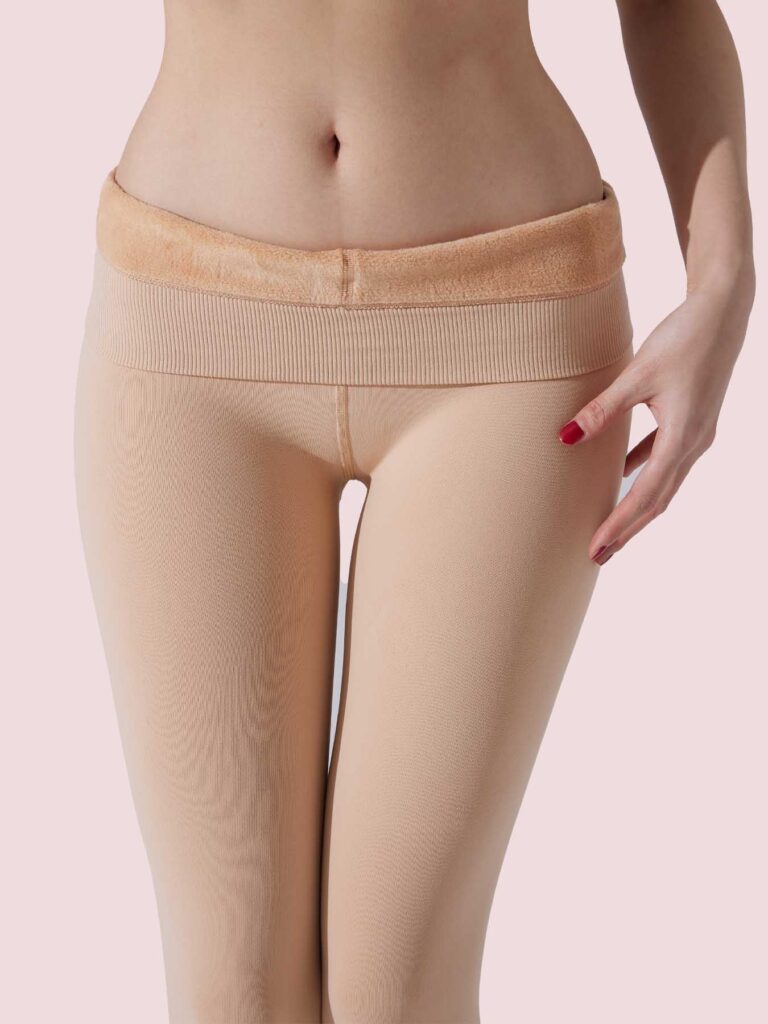

Uneven shine is easy to miss in a quiet sample room. A pair can look smooth on a table, then turn streaky once it stretches across the thigh or catches store lighting from the side. For shiny pantyhose quality, that small surprise can become a return problem. End consumers may describe it as a color issue, a wet patch, or cheap-looking gloss, even when the real cause sits deeper in yarn, dyeing, knitting tension, or finishing.
Private labels and wholesale buyers need a practical way to separate a normal light reflection from a true defect. Oil-shiny tights, glossy pantyhose, and wet-look finishes all reflect light differently, so the buying brief has to name the target finish before bulk production starts. A style built for dance lighting cannot be judged the same way as a soft office shimmer.
Start By Defining The Shine Standard
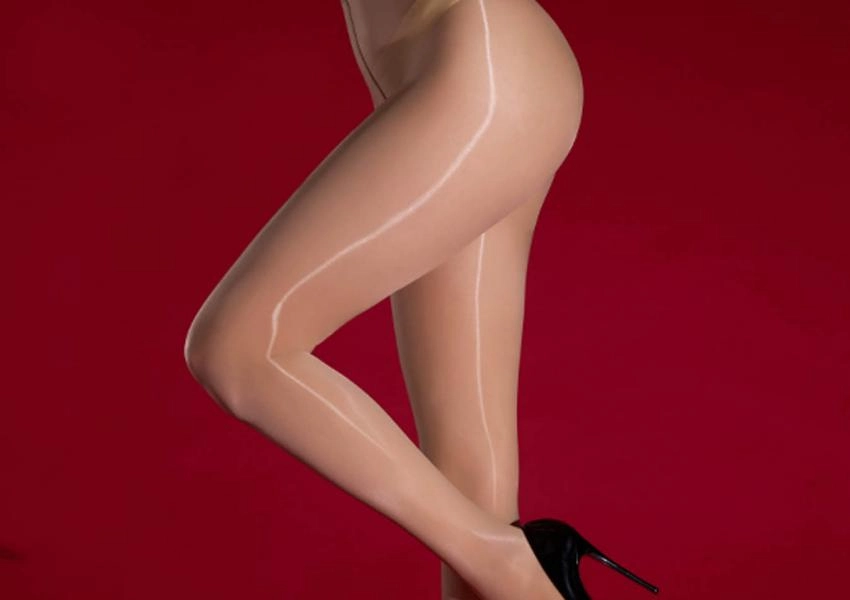
Luster is not one fixed look. A glossy pantyhose style may give a clean, polished leg line for retail fashion. Oil-shiny tights usually have a richer, liquid-like reflectance. Wet-look tights push the effect further and can reveal every uneven area in stretch or color. Buyers should approve the look on a worn sample, not only on folded goods.
A useful first step is to set three reference points: acceptable shine, too little shine, and excessive glare. Keep photos under daylight, warm indoor light, and direct LED. The same pantyhose can look balanced in daylight but broken under sharp light. For wholesale programs, a supplier sample should be checked on at least two skin tones and two leg sizes before the finish is frozen.
Stretch Changes the Reflection
The reflection line changes when nylon, spandex, or core-spun yarn stretches across the knee and upper thigh. A high-spandex blend can help recovery, but it can also expose pressure areas if knitting tension is uneven. A fine microfiber or core-spun construction can look cleaner at low denier, while a weak yarn choice may scatter light and make the color look dull. That is why glossy pantyhose color should be judged during movement.
Why Color Banding Happens In Glossy Pantyhose
Color banding usually comes from a mix of process variables, not one simple mistake. Yarn batches, loop length, dye formula, dye bath control, drying, boarding, and finishing can all affect the final leg surface. In hosiery production, small-scale sampling before mass production is a basic safeguard because it helps lock the color matching formula before a larger run starts.
Dye matching is more than choosing a shade name. Hue, value, and chroma need to stay stable, and dye combinations should be kept simple where possible. A cleaner formula, often with no more than three dyes, is easier to control. If the dyes have very different colorfastness behavior, the shade can shift after processing or washing. On shiny pantyhose, that shift is more visible than on matte opaque tights.
Finishing Can Hide or Expose Defects
The normal production path includes bagging, dyeing, hydro-extraction, drying, and finishing. Fibers relax and shrink during processing, so a sample that looked correct before dyeing still needs a post-dyeing confirmation. A shiny finish can make the fabric look richer, but it can also show knitting lines, pale zones, and stress marks more clearly. Buyers should ask for final-finish samples, not unfinished greige goods.
Build A Sample Test That Catches Uneven Shine
Flat photos are not enough. Ask the supplier for worn-leg samples, then test the sample with the wearer standing, sitting, bending the knee, and walking toward a light source. Uneven shiny tights often show defects at the knee, upper thigh, hip curve, or around reinforced areas. If a patch appears only when the fabric is stretched, the issue may be size grading, yarn recovery, or knitting tension rather than shade alone.
A buyer comparing 15D premium oil–shiny pantyhose can look for the balance between high-gauge microfiber sheerness, reflective finish, and light compression. A 15D shiny style has to carry a fine appearance without giving up too much handling strength. In a different retail lane, sheer shimmer tights may be useful when a radiant finish, nylon-spandex blend, and micro-compression are part of the selling point.
Ask for a Wear-and-Light Check
The sample request should be specific: one approved shade, one lighter shade if nude tones matter, and one high-shine finish for comparison. Buyers can request a free sample pack at this stage and ask the supplier to mark denier, yarn blend, color lot, waistband type, and finishing route. That creates a real record before cartons are produced.
What To Control Before Bulk Production
The second half of the sourcing process is where supplier discipline matters. Buyers should ask how the factory handles knitting quality, integrated processing, lace or waistband attachment, dyeing quality, and finishing quality. These are not abstract checks. A waistband attached with uneven pressure can make the upper leg look darker. A dyeing change can create two slightly different black tones in one shipment.
A buyer reviewing a hosiery quality control manufacturer can use factory capability as a risk filter once the product direction is already clear. Laseta‘s production base includes Italian Lonati knitting machines, small circular knitting machines, a dyeing setup with color-control equipment, and a dedicated QC team. The useful question is not whether the factory is large. It is whether the process can repeat the approved shine and color after the sample is signed off.
For high-shine retail programs, ask for approved pre-production samples to be kept on file, color checks under a light box, and bulk inspection for banding, oil marks, snags, and pressure streaks. If a bolder wet look is needed, oil glossy 15D ultra-sheer pantyhose gives buyers a clear product reference for a liquid-shine finish, high-waist shaping, and sheer styling. That kind of style needs stricter visual checks because the finish leaves little room for batch drift.
Packaging Also Affects First Impression
Shiny pantyhose can pick up visible creases or surface marks if packaging is too tight. For e-commerce and private label programs, folded presentation, insert cards, pouch pressure, and carton stacking should be tested with the same care as color. A buyer can use service support for hosiery sampling to align sample rounds, final approval, and packaging details before moving into a larger order.
FAQ
Q1: Are oil-shiny tights harder to control than matte tights?
A1: Yes. A glossy or oil-shine surface reflects light strongly, so small shade shifts, tension marks, and finishing streaks are more visible than they are on matte, opaque styles.
Q2: When should buyers request a free sample pack?
A2: Request it before color approval and again if the final yarn, shade, or finish changes. The pack should include denier, shade, waistband, and finish references.
Q3: What should be written into a shiny pantyhose QC brief?
A3: Include denier, yarn blend, target shine level, approved color sample, light-check method, stretch test, banding tolerance, packaging method, and final inspection points.