High-Waist Control-Top Tights: How High Is Too High for Everyday Retail
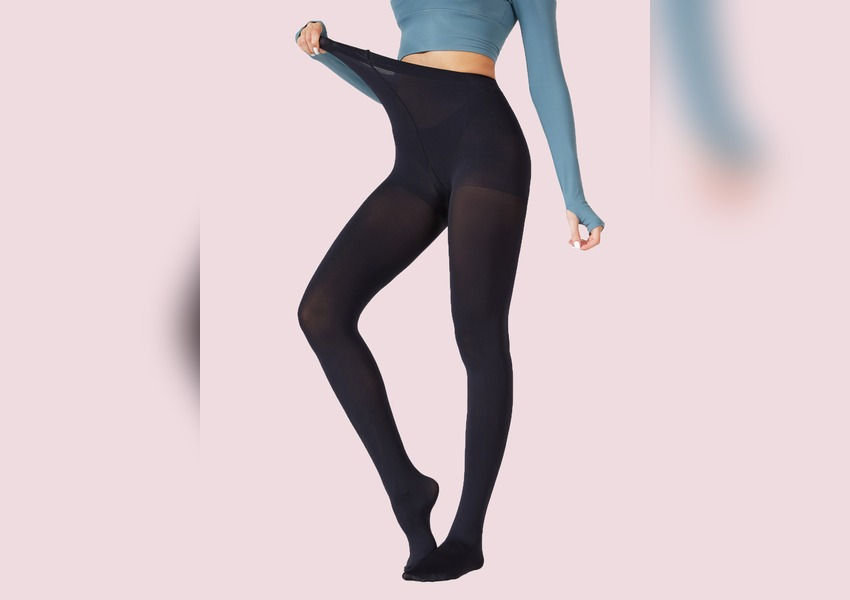
High-waist tights are easy to describe and difficult to grade well. A high rise can make a dress look smooth and keep the waistband from cutting across the lower abdomen. Taken too high, it can fold under the ribs, press when a customer sits, or pull the crotch upward as the wearer moves. Everyday retail does not need the highest possible waistband. It needs a position that stays comfortable through commuting, desk work, walking, and ordinary meals.
For control-top tights, height is only one part of the decision. The edge finish, width, elastic recovery, shaping brief, torso length, and size chart all change whether the rise feels secure or intrusive. Buyers should judge the upper body as a fitted garment, not as a single band measurement.
Laseta develops control-top hosiery for brands that need a specific balance between shaping, rise, waistband comfort, and everyday wearability. Product discussions can cover the intended waist position, brief construction, pressure distribution, denier, stretch recovery, size grading, labels, and retail packaging.
A high-waist design should be approved on the target body range, not judged only from a central-size mannequin. Laseta can help private-label buyers compare finished samples while sitting, walking, bending, and wearing the type of clothing associated with the product.
A higher waistband does not always mean better shaping or comfort. Hosiery brands can use this guide to define the right waist height, evaluate pressure and stretch recovery, and check fit across different sizes before production. These decisions help address common complaints about rolling waistbands, digging, and uncomfortable everyday wear.
Define the Intended Waist Position
Natural Waist and Under-Bust Are Different Products
Some high-waist tights are meant to finish around the natural waist. Others sit higher and work more like a light shapewear layer. Those roles should not share the same product copy. A customer who expected everyday tights may find an under-bust edge too restrictive, while a shopper seeking a smooth formal-dress line may feel a low rise is incomplete.
State the intended position in the brief and on the pack. Test it on the target size range, with the clothes customers will actually wear. The 40D high-waist control-top pantyhose reference can help a buyer compare a more covered leg with a high-rise upper section, but the final comfort decision needs finished samples in the label’s own fit range.
Start With Movement, Not a Mannequin
A rise that looks tidy standing still may shift after sitting, bending, climbing stairs, or getting in and out of a car. Ask testers to wear the pair for a reasonable period and note whether the edge curls, whether the band leaves pressure marks, and whether the control area moves as one piece. The test should include the boundary sizes, not only the central fit sample.
Balance the Band With the Shaping Brief
Do Not Use a Tight Edge to Solve a Short Rise
When a rise is too short, a factory can make the top edge firmer to hold it in place. That may stop movement briefly and create a new digging complaint. The better response is to review torso room, waistband height, stretch range, and the transition into the brief. A broader, balanced waistband can distribute pressure more comfortably than a narrow, high-force edge.
Give Each Support Zone a Job
Shaping pantyhose can use different knit density in the lower abdomen, hip, and brief. Everyday tights rarely need the same resistance everywhere. A dense panel that stops abruptly can make a hard line under a pencil skirt or feel warm during a commute. The buyer should approve the support level as light, moderate, or firmer for that construction, rather than treating all tummy control tights as equivalent.
El Medias moldeadoras de terciopelo 120D category is a useful contrast because a more opaque, heavier product has different coverage and upper-body expectations. It should not be used to set a comfort claim for a sheer office pair.
Grade the Rise Across the Whole Size Range
High-waist tights often fail at the edges of a size range. The waistband may be acceptable in the middle size but dig in at the top end, while the lower end can leave too much fabric at the abdomen. Grade the waist, hip, rise, thigh, and leg length together. Changing one measurement in isolation can shift pressure somewhere else.
Test Sitting Comfort and Recovery
Measure the relaxed waistband and inspect its return after repeated wear. Then test the finished garment sitting in a chair, walking, bending, and standing again. Look at the band, the crotch position, and the lower brief. Heat setting and finishing can affect dimensional stability and elasticity, so an early knit sample is not enough for final approval.
Write a Useful Size Chart
The chart should use the body measurements relevant to the garment and explain where the waistband is meant to sit. It should not imply that one high-rise construction fits every torso length. Clear information reduces returns by helping a customer choose the intended product, rather than stretching a control top into a role it was not made to perform.
Match the Height to Everyday Merchandising
Everyday tights need a simple story: coverage, support level, waistband position, and clothing use. Avoid loading the product page with aggressive compression promises. A customer buying for work, travel, or casual dresses usually wants a smooth feel that lasts through the day, not a dramatic shape claim.
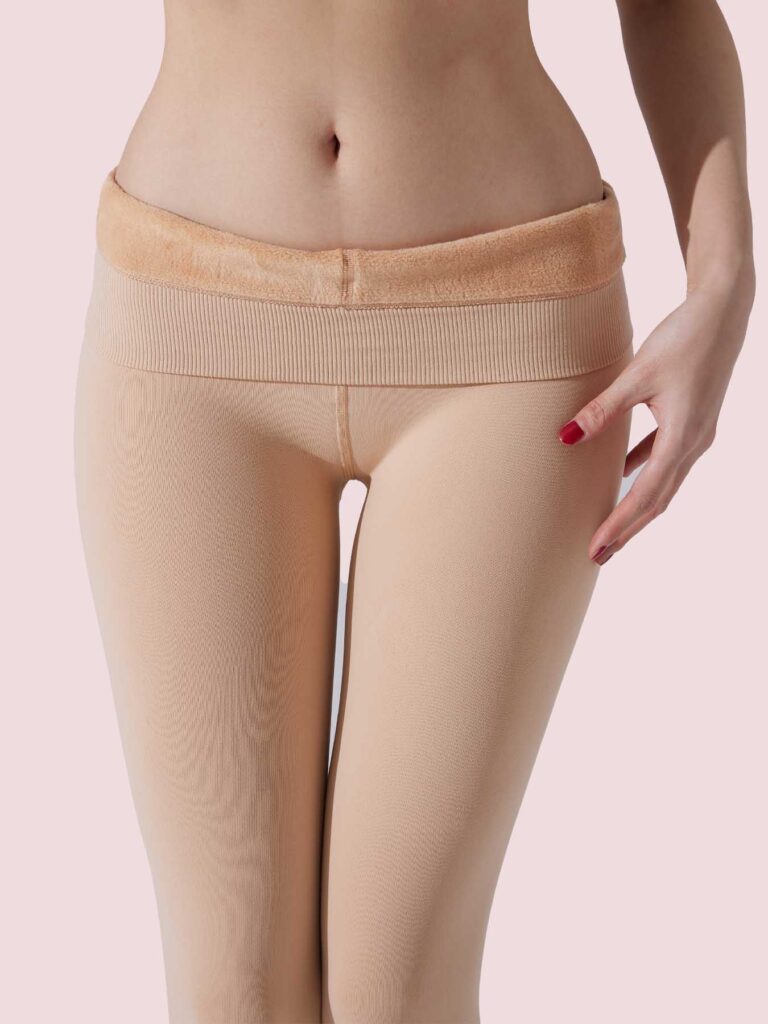
Use at least one image that shows the rise under ordinary clothing and one that shows the waistband detail. The pack should list size, denier or coverage, control level, care, and any toe or reinforced brief feature. These are small details, but they help a buyer compare high-waist tights without relying on a glamorous model image.
Lock the Specification Before the Bulk Order
Once the preferred height and comfort standard are recorded, Peludo can support later work on yarn, denier, brief zones, size grading, labels, and pack format. Solicita un paquete de muestras gratuito after any adjustment to the waist edge, rise, elastane level, or control area. The replacement sample should be tested in the same movements as the first one.
For a private-label program, custom hosiery development is most useful when the brand brings concrete feedback: where the edge sat, when it became uncomfortable, which size was tested, and what changed after finishing. That turns “make it more comfortable” into a usable manufacturing brief.
A retail launch also benefits from one clear return-code group for upper-body comfort. Separate pinching, rolling, downward migration, and a low crotch in the report. That gives the brand a useful way to tell whether the next adjustment belongs to the rise, the band, the shaping brief, or the size chart. Without that separation, a real fit problem often gets reduced to a request for stronger compression. Retail teams also need copy that separates light everyday support from a more assertive shaping product. Do not rely on a model image alone. A plain drawing of the intended top position and a short description of the support area make comparison easier, especially for online shoppers who cannot try on the pair before ordering. This also gives service teams a clearer way to answer questions about rise and fit. The information should be consistent across the product page, pack, and retailer training notes.
Preguntas frecuentes
Q1: How high should everyday control-top tights sit?
A1: The right position depends on the target wearer and dress use, but the waistband should stay in its intended place without folding, pinching, or pulling the crotch upward during normal movement.
Q2: Does a higher waistband always give better shaping?
A2: No. More height can create more contact and pressure. The shaping brief, rise, fabric recovery, and size grade decide whether the support feels balanced.
Q3: What should buyers test before approving a high-rise style?
A3: Test finished pairs in boundary sizes while sitting, walking, bending, and wearing fitted clothing. Review waistband comfort, rolling, rise, brief transition, recovery, and size-chart clarity.
Set A Wearable Waistband Specification
A higher waistband does not automatically create a better everyday product. Laseta can help brands define the intended rise, review edge pressure, adjust the shaping brief, and separate light support from firmer control before production begins.
Provide the target customer profile, size range, preferred waist position, and current comfort concerns. Arrange a free control-top sample pack to compare waistband recovery, movement, pressure marks, and fit across boundary sizes. For custom control-top tights, contact Laseta with the required support level and retail positioning.