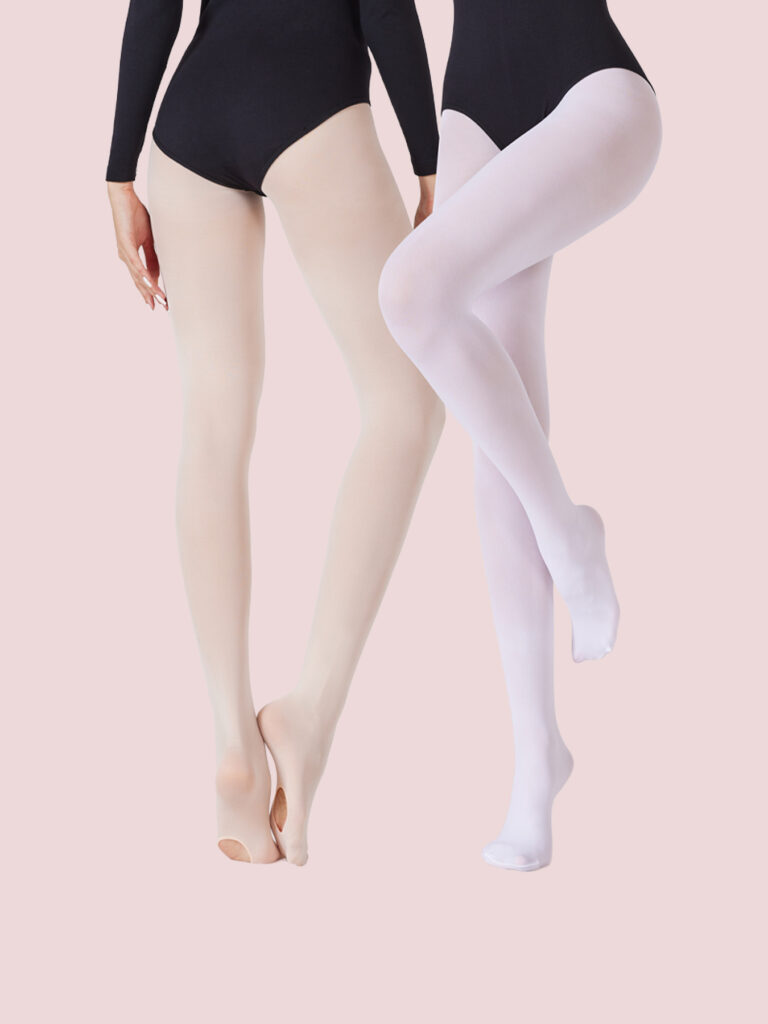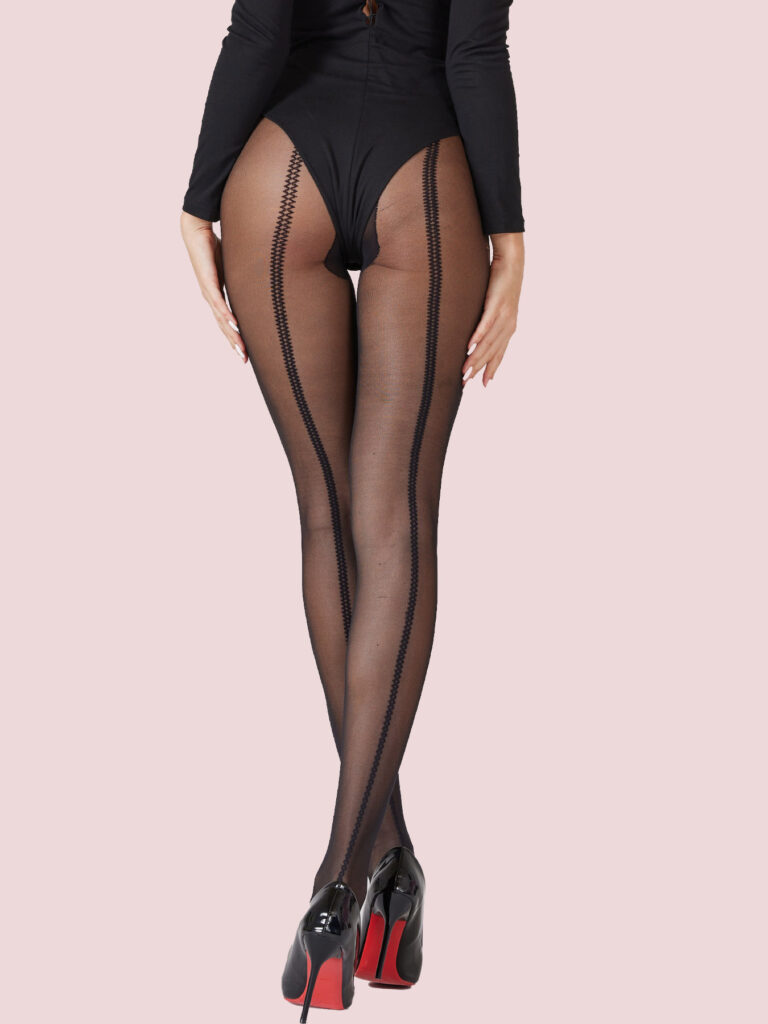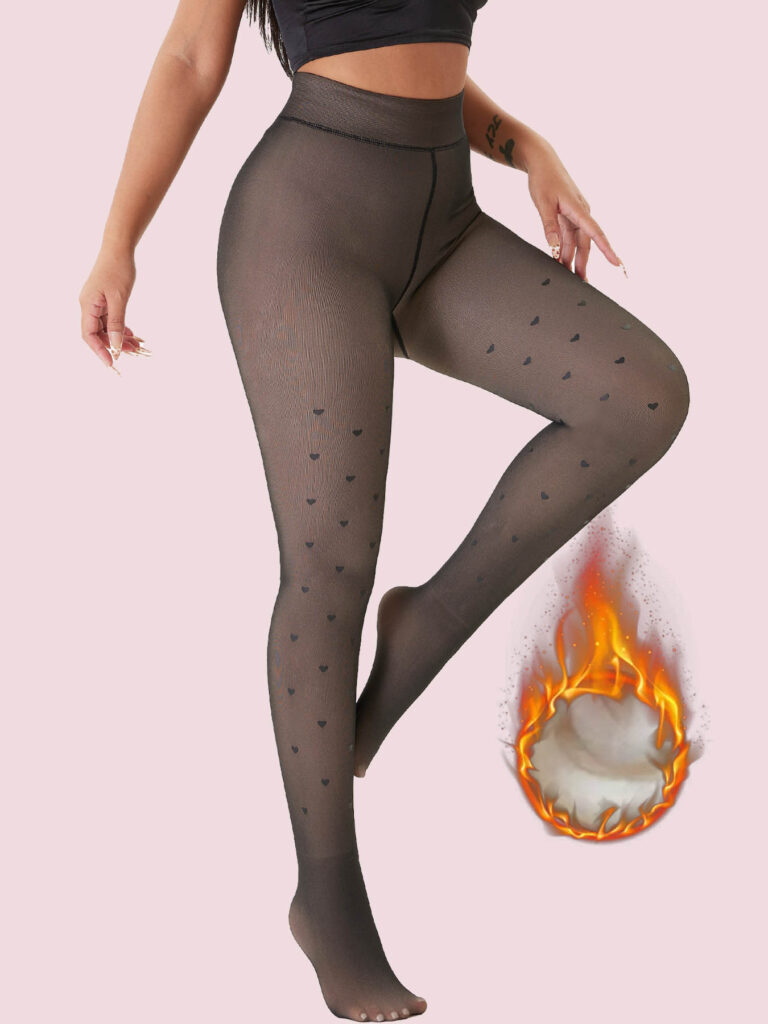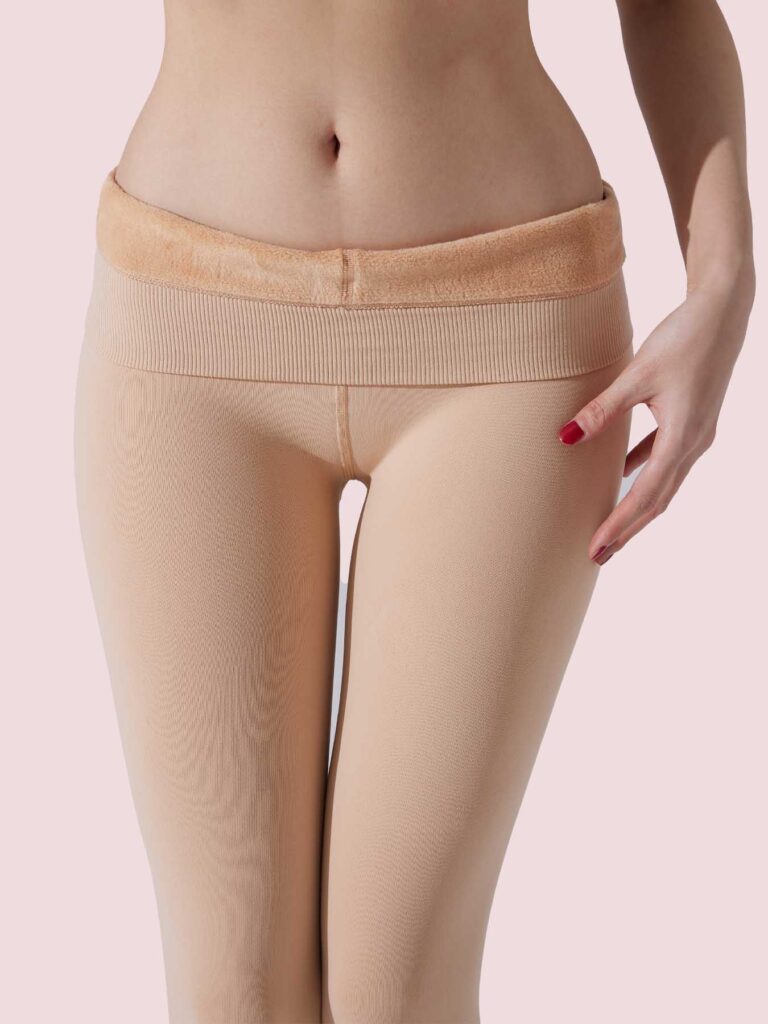
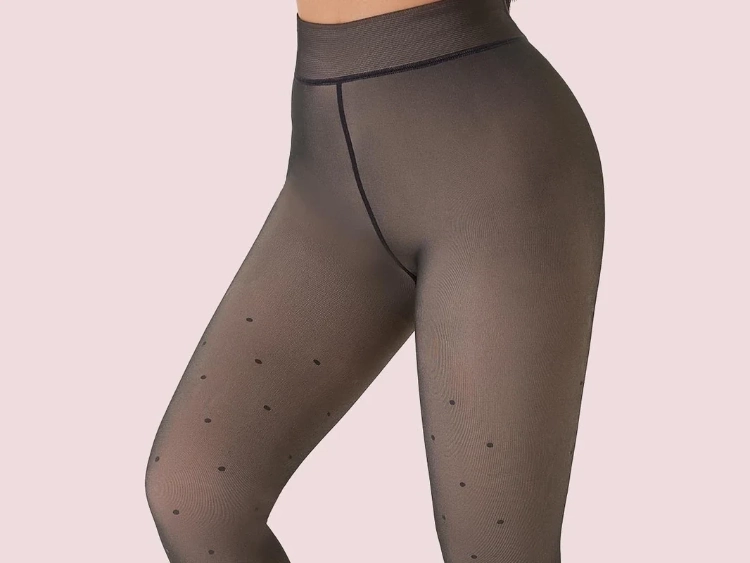
A nude-toned lining usually sits completely hidden beneath a dark outer knit. However, this clever setup does not magically erase the wearer’s actual skin tone from the final visual look. When a person physically stretches their leg, the outer mesh layer actively opens up. Then, if you photograph that exact same leg under warm indoor studio lighting, the base shade can shift entirely. This specific, frustrating color shift is exactly why a single studio image simply cannot settle a final shade approval. You absolutely must see the sample on a real live wearer. You have to observe it under the exact, everyday lighting conditions in which your retail customers will actually see it.
Laseta actively develops fleece-lined and faux-translucent tights for heavy cold-weather collections. Brand buyers can directly inspect these fleece-lined tights styles in person. They can also send their highly specific shade references directly to Laseta’s dedicated team during the early development phase. Requesting a free sample pack lets the retail brand physically compare the visual effect on a real, moving wearer. They can check it perfectly under the specific lighting setups used for their own e-commerce photography. Doing this hands-on physical check is far more useful. It easily beats approving a highly sensitive color from a compressed, flattened screen image on a computer monitor.
- Judge the complete layered appearance on a human wearer. Do not just rely on a flat fabric swatch.
- Compare the inner base shade and the outer sheer layer completely separately whenever it is possible.
- Check the garment under highly realistic stretch conditions. Also, make sure to test it under more than one specific lighting environment.
- Approve your final shades and sizes as an entire collection. Never approve them as just a single, isolated medium sample.
What creates the sheer illusion in a lined tight?
The convincing, realistic look depends heavily on two completely separate layers working tightly together. The inner lining does a very specific job. It provides essential body warmth. It also provides the opaque, skin-like base color. Meanwhile, the outer knit creates the actual visible sheer effect. But how much of that inner layer actually shows through? That depends completely on the outer fabric’s specific knit structure. It also depends on the physical bodily stretch and the room’s viewing conditions. A much thicker inner lining might drastically improve the garment’s cold-weather warmth. Yet, it can also completely change the apparent outward color. It might severely reduce the highly desired transparent look. Finding the perfect desired balance is a strict product merchandising decision. It is never just a simple one-size-fits-all manufacturing formula.
Think about what happens when the knitted garment stretches over a much larger surface area. The outer knit physically opens up. When this happens, the solid base layer can suddenly become far more visible to the naked eye. Look closely at the knees, the thighs, and the wider hips. The tension and stretch in those specific areas can totally change both the opacity and the final color. Buyers absolutely must inspect the tight in a completely relaxed state. They must also check it closely while it is actively worn. A flat, simple swatch can certainly help you quickly identify the raw materials. However, a flat piece of fabric simply cannot show how the two layers physically behave across a full, moving human leg. It cannot show the visual color transitions at the high-stretch waist and the narrow foot. Therefore, fake translucent tights should always be closely judged as a complete, fully assembled garment.
Separate color, opacity and texture feedback
Sometimes, a production sample simply looks different than you originally expected. When that happens, you need to firmly identify exactly what changed. Saying a sample is “too orange” points directly toward a shade perception issue. Saying it looks “too solid” or heavy might quickly indicate a problem with the outer knit pattern. It could also point to the specific degree of mechanical stretch. If you see a highly visible seam or a very bulky edge, that strictly concerns the factory construction methods. Highly specific, targeted notes heavily help a supplier. They help the factory team review the exact relevant part of the garment. They can then fix the problem without accidentally changing totally unrelated technical details.
Why do skin tone and lighting change the result?
You always see the solid base shade directly through another sheer material. Because of this layered setup, its visual interaction with the actual wearer is a massive part of the final appearance. The exact same beige lining can suddenly appear much warmer on one specific person. Then, it might look surprisingly cooler or ashier on another person. Different light sources change things too. Bright, natural outdoor daylight, warm yellow indoor lighting, and harsh studio flash photography all emphasize totally different color undertones. Let’s say a retail brand develops just one single base shade for a highly diverse, global customer base. That brand must make a firm decision. They need to decide whether the ultimate target is a flat neutral effect. Maybe they want a deliberately warm effect. Or perhaps they need a much closer skin match for a very defined, specific customer segment.
You must use a highly consistent viewing process every single time. Photograph your test samples in the exact same place in the office. Shoot them at the exact same physical distance. Always view them under clearly identified, recorded lighting conditions. Compare the finished garment on truly representative wearers wherever it is feasible. Then, carefully record whether the main visual issue is the hue, the opacity level, or the physical fabric texture. A successful sheer thermal tights program might actually require totally separate shade approvals for completely different global market groups. Keep those specific shade choices strictly distinct from one another. Do not make the mistake of expecting just one single sample to perfectly communicate every single intended color outcome.
How can warmth be balanced with a sheer appearance?
Physical warmth and a delicate sheer appearance constantly pull in totally different directions. A significantly thicker or highly dense lining might perfectly suit freezing cold conditions. But unfortunately, that thick bulk can easily make the leg silhouette look far less transparent and realistic. On the flip side, a much lighter internal construction might beautifully preserve a highly sheer appearance. Yet, it will obviously provide far less winter insulation. Buyers need to clearly state the intended climate. They must define the specific daily use case. Are these for freezing morning commutes in bad weather? Are they for very short outdoor exposure? Or are they strictly for indoor fashion wear at parties? You need to specify this early on. Do this instead of just blindly asking the factory for a garment that is “warm but thin” without providing a physical reference.
Always compare your test samples while they are worn in the actual intended outfit. Watch the person in active movement. Carefully check the shifting visual effect directly at the bending knee, the upper thigh, and the flexing ankle. Meanwhile, ask the test wearer to comment honestly on the fabric bulk. Ask about their daily mobility and physical comfort. Sometimes, a collection deliberately includes more than one specific warmth level. If so, treat them internally as completely separate products. Give them highly distinct names and totally different e-commerce descriptions. This strategy prevents a retail customer from falsely expecting a lightweight option to perform exactly like a heavier, sub-zero winter style. It also stops them from incorrectly assuming both weights will look totally identical on their leg.
Which sample comments make revisions useful?
A truly useful sample comment quickly identifies exactly where and when the visual appearance changes. You should always note the specific sample size. Write down the live wearer’s exact body measurements. Record whether the tight is being heavily stretched or not. Document the specific room lighting used during the test. Finally, note the exact bodily area that looks visually different to the eye. You should absolutely attach clear photographs. But you must also keep the actual physical sample safely stored away for later comparison. If the main problem is the color, clearly indicate the exact direction of the needed change. If the issue is fabric opacity, correctly identify the problem zone and the wearing condition causing it. Writing a lazy note that just says “looks wrong” gives the factory very little actionable guidance. Conversely, a highly structured, detailed note can successfully direct a highly focused shade, material, or construction review.
Using a sample matrix approach helps tremendously. You can carefully compare two different lining shades combined with the exact same outer knit. Alternatively, you can test two different outer knit constructions stretched over just one single lining shade. Changing only one single factor at a time makes the final visual result much easier to correctly interpret. Always confirm exactly which specific change is currently being tested. Make sure to retain the previous sample version to use as your control variable. If several different factors change all at once, your team may never truly know which specific tweak actually improved the effect. This level of detail deeply matters. It matters the most when a brand actively asks a reliable winter tights supplier to rush an adjustment on a complex layered garment dangerously close to the official launch date.
How can the approved shade carry into production and ecommerce?
Once a specific sample version is finally approved, keep its unique sample ID. Store its exact shade reference securely with the master development record. You must demand that any later raw material substitution or factory construction change be fully disclosed for your review. This is crucial because slipping in a new inner lining or swapping the outer yarn can completely change the delicate layered look. During the final production inspection, compare the representative finished garments closely. Do this strictly under the exact same controlled lighting setups. Make sure to physically check more than one size. A single medium sample simply may not reveal the extreme stretch differences that happen across the full graded range.
Retail brands actively developing faux sheer tights should always compare the complete, fully layered appearance. They must never look at only the inner lining shade in isolation. Sheer thermal tights absolutely need a highly clear, defined warmth and opacity target. This is required because a much denser internal lining may drastically change the final visual effect on the leg. For popular items like black sheer fleece tights, always record exactly where physical stretch changes the surface appearance. Then, explicitly ask your chosen winter tights supplier to carefully review the exact same sample conditions on their end.
The final faux sheer tights sample should always be rigorously checked under the specific light used for your product photography. It must also be checked under normal, everyday indoor light just to be safe.
Related product and service details: faux-sheer tights.
Häufig gestellte Fragen
Q1: Can fake translucent tights match every single human skin tone exactly?
A1: No, not necessarily. The final layered color constantly interacts with the actual wearer’s skin. It interacts heavily with the fabric stretch and the ambient room lighting. You need to clearly define your intended shade range. Then, thoroughly review the samples on truly representative test wearers.
Q2: Should faux-sheer tights ever be judged strictly from a flat fabric swatch?
A2: No. A flat swatch only helps you review the raw material itself. It simply does not show the complete, dynamic layered effect. You must always check a full, sewn garment under highly realistic bodily stretch.
Q3: Can corporate buyers officially request a sample in a highly specific target winter shade? A3: Yes, they certainly can. You just need to provide the exact shade reference and the specific target use case. Doing this ensures the supplier can quickly arrange an accurate sample for your visual and fit evaluation.
Develop a Winter Sheer Effect with Laseta
Go ahead and share your specific target shade, the intended local climate, and the full size range directly with Laseta. Make sure to include your visual reference photos. The development team can quickly arrange various sample options for you. This allows you to accurately compare the layered appearance on a real wearer. You can also test it perfectly under your own studio photography lights. Request a completely Gratis-Probepackung today. Do this well before finally approving the ultimate shade and construction for your upcoming winter collection.