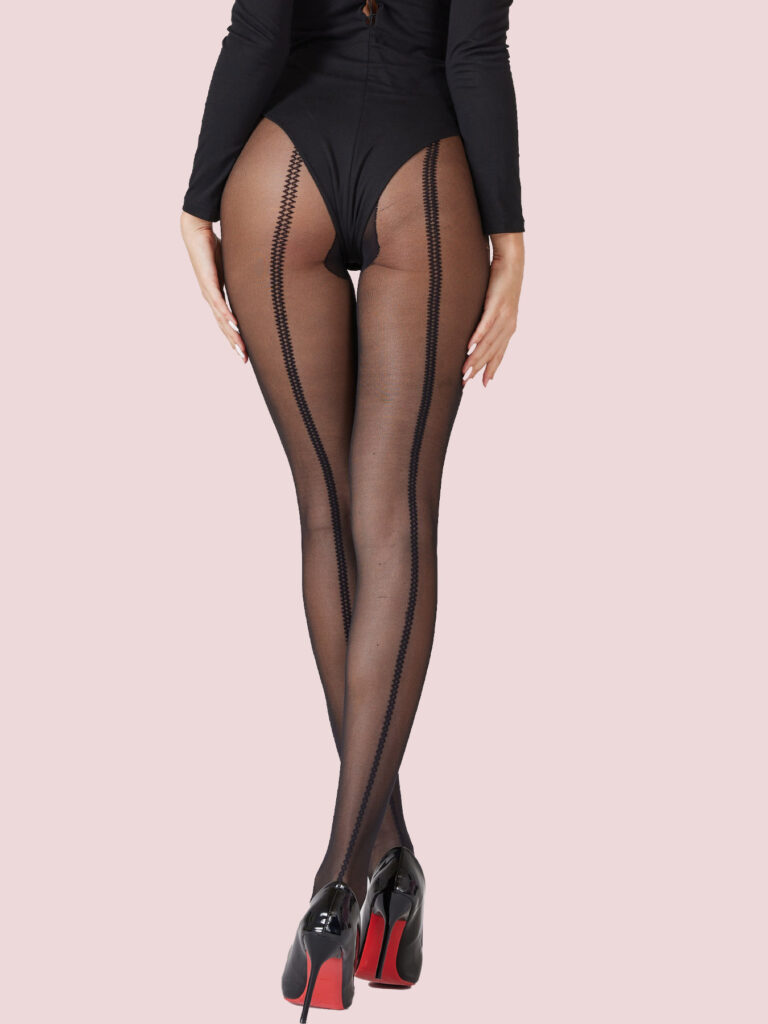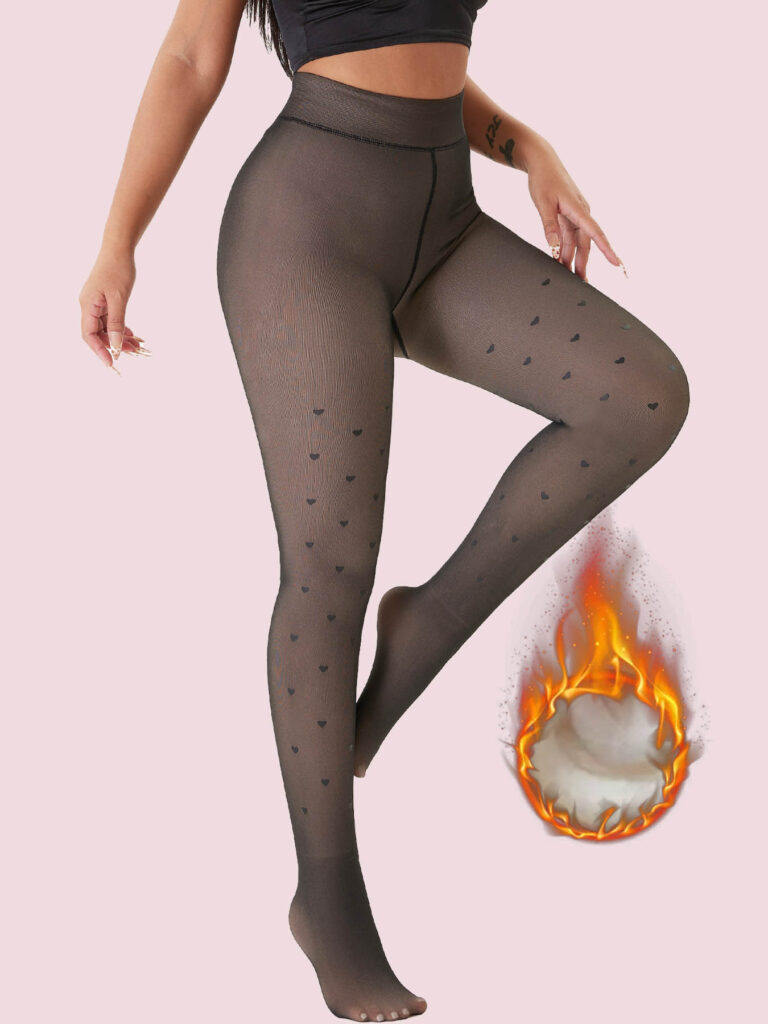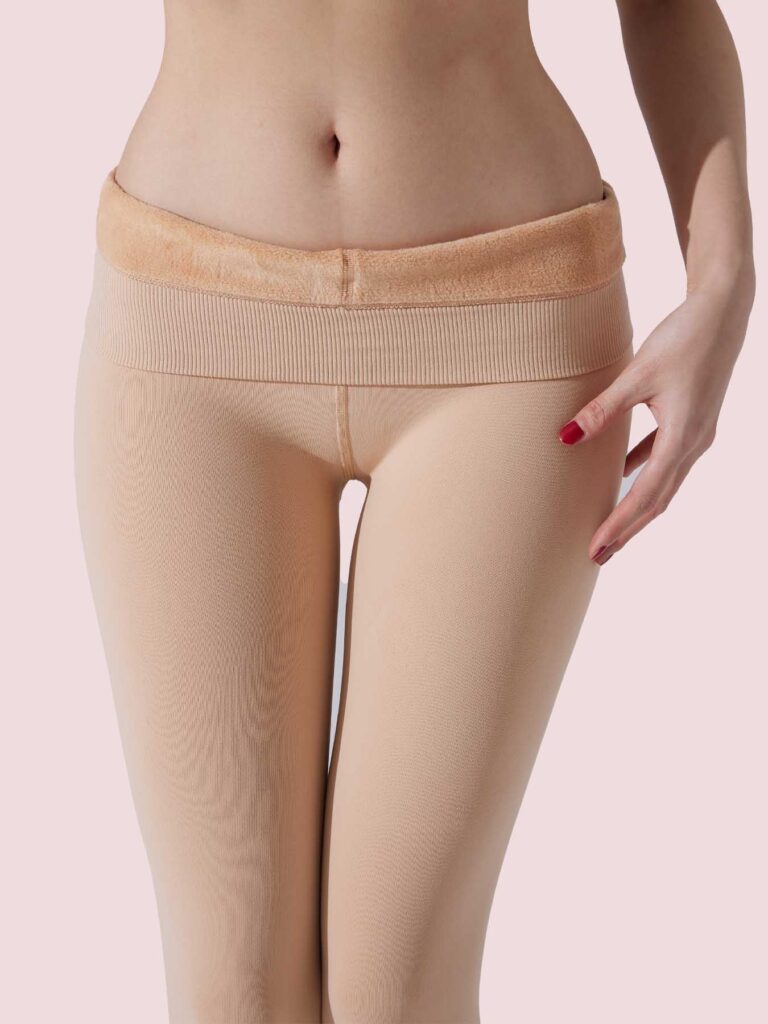

Premium oil-shiny pantyhose do not look expensive simply because they reflect light. The finish has to look deliberate. Shine should follow the leg instead of breaking into pale bands at the knee, the color needs depth rather than a plastic cast, and the waistband should stay quiet when the wearer moves. When those details line up, a private-label product can look polished before a customer even touches the pack.
That is why a buyer should judge glossy pantyhose as a finished system. Yarn, denier, knitting tension, dyeing, heat setting, fit, and packaging all affect the impression. A strong shine with a weak size range still creates returns. A beautiful sample in a rough package loses part of its value on the shelf.
Laseta is a specialized hosiery supplier, custom tights manufacturer, and private label legwear factory offering end-to-end production services for global fashion companies, online retailers, and wholesale buyers. The factory develops a wide range of products, including custom pantyhose, sheer tights, glossy tights, control-top tights, patterned hosiery, and seasonal fashion legwear.
With strong experience in OEM hosiery manufacturing and ODM product development, Laseta supports B2B partners with customized solutions covering fabric selection, yarn composition, denier, sizing, colors, finishes, branding, and packaging. The production team manages the complete manufacturing process from prototype development to bulk production and quality inspection, helping brands build consistent legwear collections while maintaining reliable lead times and supply capacity.
Start With the Kind of Shine the Brand Can Sell
The phrase “oil shine” covers more than one retail look. Some ranges need a soft, wet-look surface for evening outfits. Others need a stronger stage reflection that remains visible in photographs. The right brief begins with the customer’s occasion, not a supplier’s most dramatic sample.
Match the Finish to the Channel
A boutique selling partywear may welcome a noticeable gloss. A contemporary hosiery label may prefer a smoother sheen that works with dresses and short skirts without looking metallic. Marketplace photography adds another constraint: direct flash can exaggerate the surface, while soft studio light can make the same pair appear almost matte.
Write the intended finish in practical terms. “Sheer with a wet-look gloss” gives a development team more direction than “luxury shiny.” Add the target denier, shades, waistband height, toe construction, and the outfits used for review. A request for private label tights becomes easier to quote once the visual promise has boundaries.
Der 15D nahtlose Strumpfhose mit Ölglanz style is a useful reference for a lighter wet-look direction with a high-waist silhouette. It should be treated as a reference point, not a reason to copy every construction detail. The buyer still needs to approve the actual color, stretch response, and finish planned for the label.
Why Yarn and Denier Change the Impression
Hosiery is not a painted surface. The way light moves across the leg depends on the yarn structure and the spaces between knitted loops. Laseta separates core-spun yarn, crystal silk, bare elastane, sheer nylon, and microfiber constructions because each creates a different mix of transparency, softness, resilience, and surface character.
Keep Transparency and Surface in Balance
Core-spun yarn is associated with an extremely sheer, transparent appearance. Nylon contributes a smooth surface and strength, while elastane supplies elastic, compression, and shape retention. If a fine leg is pushed too far toward transparency, the finish may look uneven once the fabric is stretched over the knee and thigh. If the knit is made too dense, the product can lose the lightness that made the gloss attractive.
Denier helps position the range, but it does not decide whether a product feels premium. A fine 10D or 15D style can look refined when the surface is even. A heavier style can look ordinary if the top and leg do not transition cleanly. Approve the pair on a body, not only flat on a table.
Look for Quiet Recovery
Elastane recovery affects more than comfort. When the fabric returns evenly after stretch, the gloss has a better chance of staying consistent. A weak or uneven return can leave a shiny style looking tired after sitting, especially around the knees, hip, or waistband.
During sampling, stretch the leg and upper section to the planned fit range, release it, and compare the surface after recovery. Note where the shine changes. This is a simple buyer check, but it often says more than a close-up product photograph.
Treat Color as Part of the Premium Finish
Black is usually the easiest color for an oil-shiny launch because it gives the reflection a strong base. Nude and fashion shades require more care. A gloss can make a warm nude look yellow under store lighting or make a cool shade look grey in a phone image.
Approve Shade and Shine Together
It emphasizes hue, value, and chroma when colors are compared. It also notes that fewer dyes generally make repeat matching easier and that colorfastness compatibility matters. Those points are especially useful for glossy pantyhose, where a small color shift can become more visible because the surface is reflecting light.
Ask for a free sample pack before the shade card is finalized. Check the finished pairs in daylight, warm indoor light, and the light used for product photography. Put the pair on more than one skin tone when nude is part of the range. A color approval made only on a flat swatch is not enough.
Build a Small, Explainable Palette
An opening collection might contain black, one tested nude, and one fashion shade. The exact mix depends on the label, but every color should have a job. A second black with only a slightly different gloss is harder for store staff to explain than a clearly different denier or occasion.
Der glänzende Damenstrumpfhose reference gives a more general shimmer direction for a buyer comparing everyday shine with a stronger oil-look SKU. Such comparisons help define the shelf ladder. They also keep the premium finish from becoming a vague claim applied to every product in the collection.
Sample the Garment Through the Full Process
The finished pair passes through knitting, heat setting, dyeing, drying, boarding, inspection, folding, and packing. Heat setting helps stabilize dimensions and elasticity. Excessive or poorly balanced processing can contribute to uneven shrinkage, texture changes, or shade variation. The sample used for approval should follow the same route intended for bulk production.
Check the Upper Section Like a Customer
Put the sample on in the intended size. Sit, walk, bend, and look at the waistband under tension. A premium-looking leg does not compensate for a band that rolls or a crotch gusset that drops. Check the toe, rise, leg length, surface uniformity, and the way the gloss changes under tension. For a private label tights launch, that finished wear result is part of the premium hosiery claim, not a separate fit note.
Compare several finished pairs. Look for differences in shade, shine, leg length, and waistband width. If one sample looks richer than the others, hold the approval and ask whether the variation came from yarn, knitting, dyeing, or finishing. That question is more useful than asking for “better quality” in general terms.
Make the Pack Match the Product
A fine glossy pair can be marked by a rough folding card, a sharp edge, or a tight fold. Custom pantyhose packaging should protect the leg and explain the product accurately. State denier, color, size, finish, care information, and the intended look. Avoid calling a very sheer item heavy-duty unless a relevant test supports that claim.
Move Customization to the Right Stage
Once the finish, color, size range, and package direction are approved, LSatz can support the later specification work around yarn, labels, logos, care instructions, folding, and carton details. The value for a private label is not a generic factory introduction. It is keeping the approved sample connected to the production and packing brief.
For a new label, custom hosiery development becomes most useful after the commercial role is clear. Custom pantyhose projects benefit from the same discipline: a fixed sample, a written color reference, and a package proof. Fordern Sie ein kostenloses Probepaket an again if a denier, waistband, shade, finish, or package changes after approval. That second check protects the expensive part of the product: the customer’s first impression and the chance of a clean reorder.
Häufig gestellte Fragen
Q1: What makes oil–shiny pantyhose look premium?
A1: An even surface, controlled color, balanced transparency, quiet waistband, clean toe, consistent recovery, and protective packaging all contribute. Shine alone is not enough.
Q2: Is lower denier always better for a luxury glossy finish?
A2: No. Lower denier can create a very sheer look, but it also raises handling and fit demands. The best choice depends on the target occasion, desired coverage, and the approved wear result.
Q3: When should a private label request a free sample pack?
A3: Request it before shade and size approval, then repeat the check after any change to yarn, denier, waistband, finish, or packaging. The final packed pair is the meaningful sample. We’ re here to help—contact us anytime.