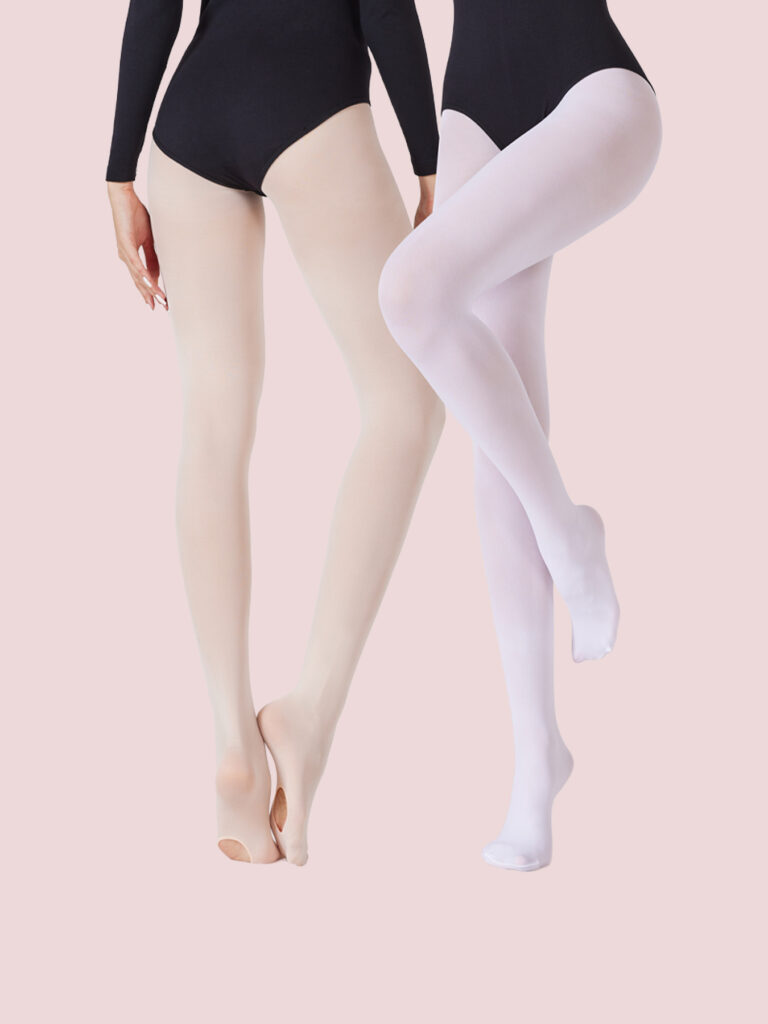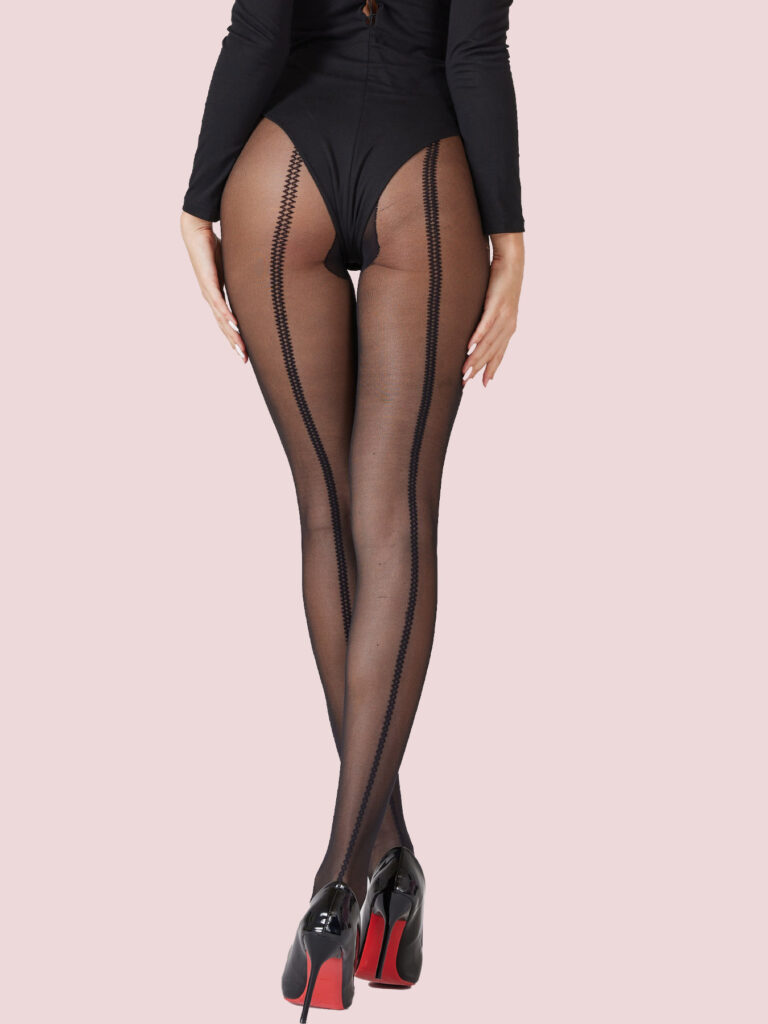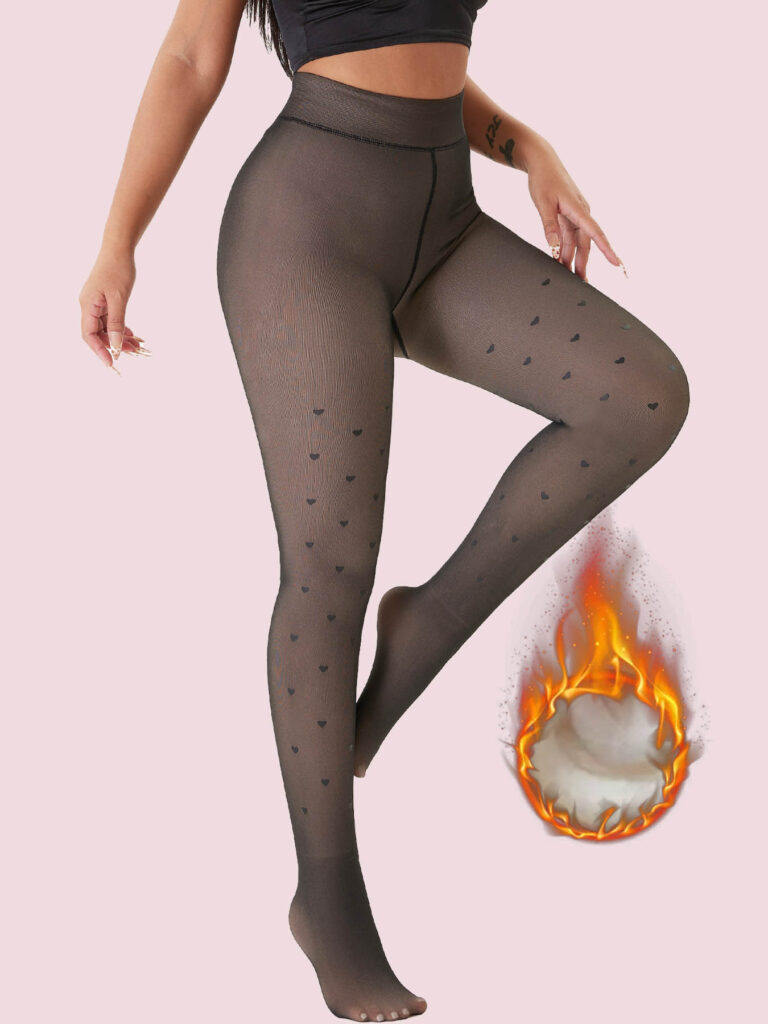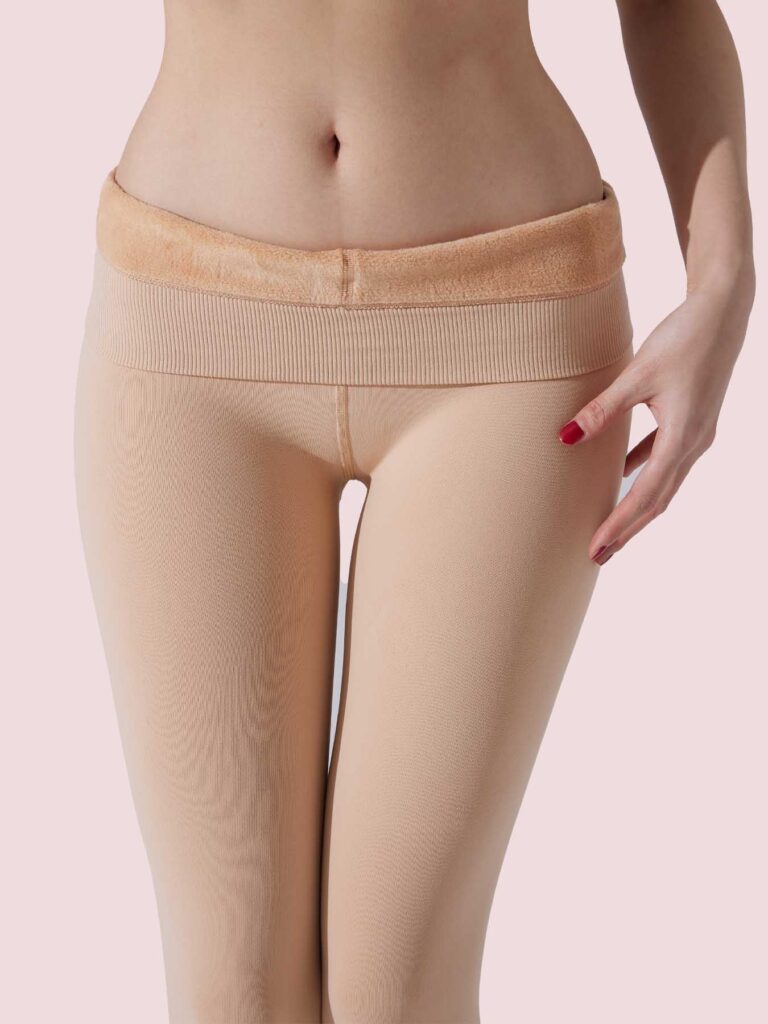
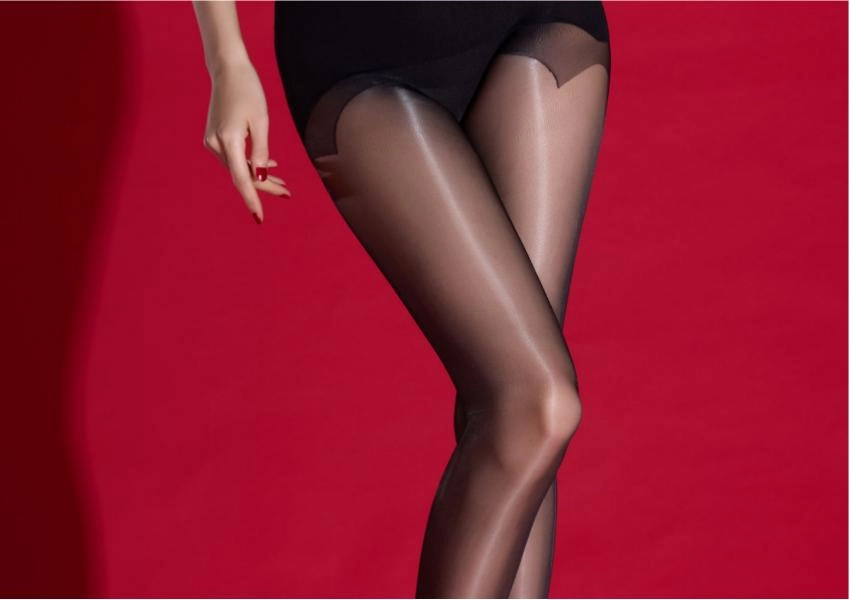
Ölglänzende Strumpfhosen verkaufen sich aufgrund ihres Finishs. Je nachdem, wie das Licht auf das Bein fällt, kann dieselbe Strumpfhose hochwertig, schlicht, billig oder zu auffällig wirken. Bei Großbestellungen von Strumpfwaren ist die Kontrolle des Glanzes daher mehr als nur eine Styling-Frage. Sie birgt ein Qualitätsrisiko, beeinträchtigt die Farbwiedergabe auf Fotos und kann mitunter sogar zu Rücksendungen führen.
Käufer genehmigen oft ein schönes Muster und erhalten dann eine größere Lieferung, bei der einige Strumpfhosen heller, dunkler, fleckig oder ungleichmäßig aussehen. Für eine gute Beschaffung von ölglänzenden Strumpfhosen im Großhandel sollte daher ein transparentes Glanzprüfverfahren vor, während und nach der Massenproduktion sowie vor dem Versand durchgeführt werden.
Beginnen Sie mit einem zugelassenen Glanzstandard
Die erste Regel ist einfach: Glanz nicht aus dem Gedächtnis beurteilen. Der Käufer benötigt ein versiegeltes Referenzmuster, eine Fotodokumentation und eine schriftliche Beschreibung des gewünschten Finishs. Handelt es sich um Nassglanz, sanften Schimmer, flüssigen Glanz oder einen moderaten Ölglanz?
Verwenden Sie zum Vergleich die gleiche Farbnuance und Denier-Zahl.
Der Glanz variiert je nach Farbe und Denierzahl. Schwarze, ölglänzende Strumpfhosen reflektieren das Licht in der Regel stärker als hautfarbene. Eine 10D-Strumpfhose mit transparentem Garn kann anders glänzen als eine 20D-Strumpfhose mit glänzendem Garn, da Garnstärke, Oberflächenglätte und Transparenz die Reflexion beeinflussen. Laseta's 20D superglänzende Strumpfhose Und 10D Öl Aurora Strumpfhose zeigen Sie auf, warum ein Käufer Äpfel mit Äpfeln vergleichen sollte.
Behalten Sie die Genehmigungsprobe unter Kontrolle
Das freigegebene Muster darf nicht achtlos weitergegeben werden. Handhabung, Dehnung, Staub und unterschiedliche Verpackungen können das Erscheinungsbild einer glänzenden Oberfläche verändern. Für eine sorgfältige Qualitätskontrolle von glänzenden Strumpfhosen muss das Referenzmuster sauber, flach und deutlich mit Artikelnummer, Farbe, Denier, Garninformationen und Freigabedatum gekennzeichnet sein.
Glanzprüfung unter Stallbeleuchtung
Die Glanzkonsistenz lässt sich unter normalem Bürolicht nur schwer beurteilen. Ein glänzendes Paar kann in Fensternähe kräftig wirken, unter warmem, gelbem Licht hingegen blass. Eine einfache Lichtbox, eine fest installierte weiße Lichtquelle oder ein kontrollierter Prüfbereich liefern zuverlässigere Ergebnisse. Entscheidend ist, alle Proben in derselben Position, im selben Abstand und mit derselben Dehnung zu vergleichen.
Betrachten Sie Vorder-, Seiten- und Streckwinkel.
Der Ölglanz ist winkelabhängig. Eine Strumpfhose kann von vorn akzeptabel aussehen, von der Seite jedoch ungleichmäßig. Bei der Strumpfhosenprüfung sollte das Muster flach, leicht gedehnt und, falls vorhanden, auf einer Beinpuppe getragen betrachtet werden. Der Käufer sollte die Bereiche Oberschenkel, Knie, Wade und Knöchel prüfen, da ungleichmäßige Fadenspannung oder Verarbeitung unterschiedliche Glanzstreifen verursachen können.
Bei der Strumpfwarenherstellung bestimmen entscheidende Schritte wie die Öl- und Fleckenentfernung, das Färben, die Farbfixierung, die Thermofixierung und die Nachkontrolle im Färbebad unmittelbar die Oberflächenreinheit, die Farbstabilität und die Haptik. Bei ölglänzenden Strumpfhosen kann eine mangelhafte Vorbereitung dazu führen, dass die Oberfläche stumpf oder uneben wirkt, selbst wenn das Basisgarn einwandfrei ist.
Vergleichen Sie Chargenmuster vor dem vollständigen Versand
Für größere Strumpfwarenbestellungen reicht ein einzelnes Vorproduktionsmuster nicht aus. Käufer sollten ein Vorproduktionsmuster, ein Muster der ersten Charge sowie Stichproben aus verschiedenen Kartons anfordern. Ziel ist es, zu prüfen, ob das erste freigegebene Design auch in der Serienproduktion Bestand hat.
Erstellen Sie ein einfaches Bestehens- oder Überprüfungssystem
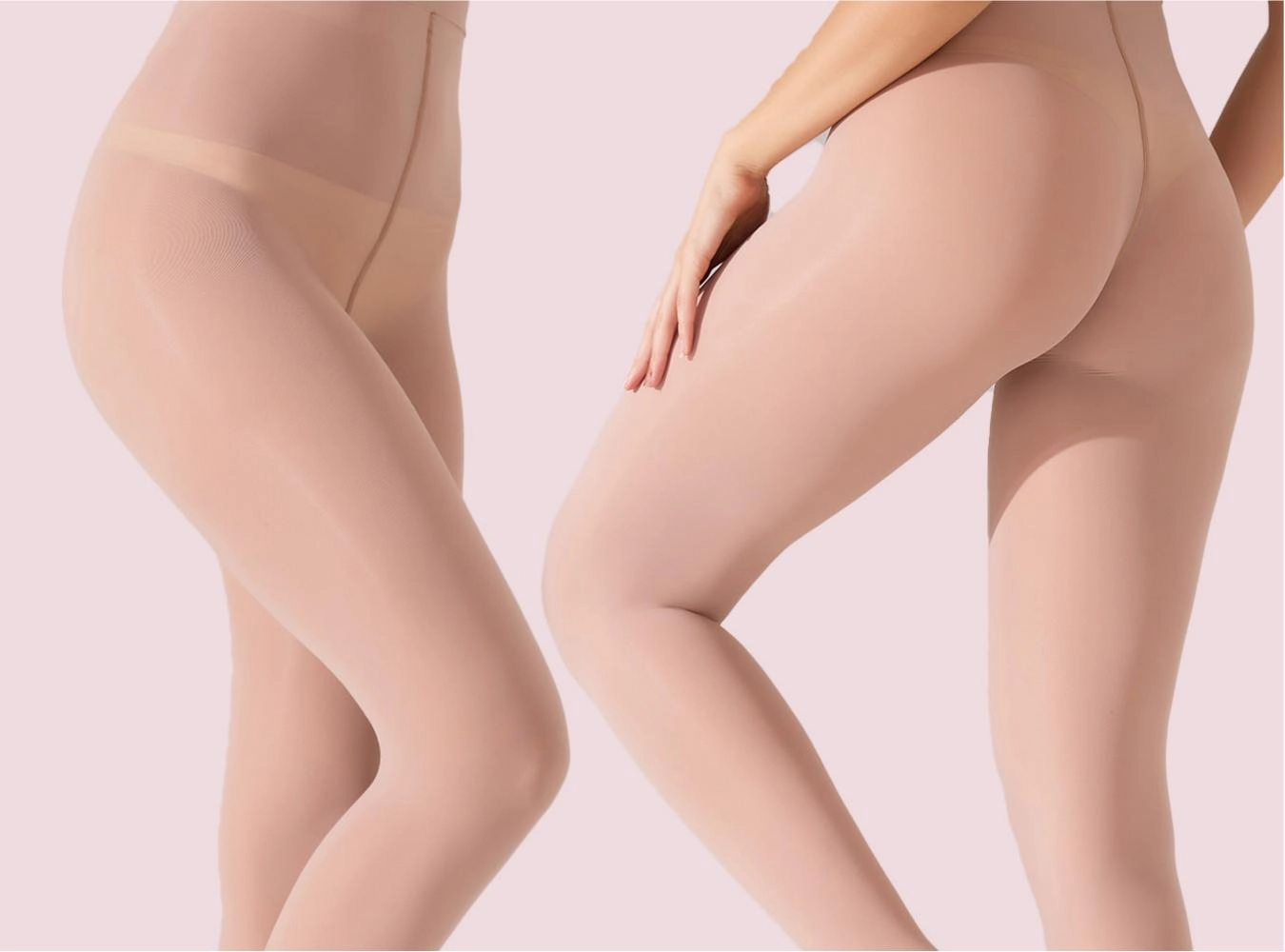
Das Prüfteam kann die Glanzkonsistenz mit „bestanden“, „zur Überprüfung“ oder „ablehnen“ bewerten. „Bestanden“ bedeutet, dass die Probe unter denselben Lichtverhältnissen dem genehmigten Standard entspricht. „Zur Überprüfung“ bedeutet, dass der Unterschied sichtbar ist, die Probe aber nach Bestätigung durch den Käufer akzeptiert werden kann. „Abgelehnt“ bedeutet, dass der Glanzgrad, die Fleckenbildung oder das Verhältnis von Farbe und Glanz zu stark vom genehmigten Muster abweicht. Dies ermöglicht eine praxisorientierte Entscheidung und vermeidet langwierige Diskussionen über subjektive Formulierungen.
Behaart Die Produktion umfasst eine mehrstufige Qualitätskontrolle, die vom Rohmaterial über das Weben, Färben und Fixieren bis hin zur Verpackung reicht. Nach dem Färben erfolgt zudem eine Farbkalibrierung mittels DATACOLOR oder Lichtkastenprüfung. Dieses Verfahren ist besonders für die Qualitätskontrolle von Glanzstrumpfhosen geeignet, da Glanzprobleme häufig im Zusammenspiel von Farbe, Veredelung, Dehnbarkeit und Verpackung auftreten und nicht in einem einzelnen Arbeitsschritt.
Bei der Strumpfhosenprüfung sollte die Stichprobe nicht aus einem einzigen, leicht zugänglichen Karton entnommen werden. Ziehen Sie stattdessen Proben aus dem oberen, mittleren und unteren Bereich der Sendung und vergleichen Sie verschiedene Größen und Farben mit dem genehmigten Standard. Wenn eine schwarze, eine kaffeefarbene und eine hautfarbene Strumpfhose unter gleichmäßigem Licht den Anforderungen entsprechen, erhält der Käufer einen deutlich besseren Eindruck von der tatsächlichen Glanzkonsistenz der gesamten Bestellung.
Welche Mängel bei glänzenden Strumpfhosen am wichtigsten sind
Nicht jede Abweichung führt zu einem Verkaufsproblem. Geringfügige Farbunterschiede sind akzeptabel, solange sie innerhalb der vereinbarten Toleranz liegen. Einige Glanzfehler sind jedoch gravierender: trübe Stellen, ungleichmäßiger Glanz zwischen den Seiten, matte Stellen, streifige Reflexionen, ungleichmäßiger Glanz im Kniebereich und sichtbare Farbveränderungen nach dem Dehnen. Diese Mängel zeigen sich auf Produktfotos und in Kundenrezensionen.
Käufer sollten außerdem auf ein Missverhältnis zwischen Haptik und optischem Glanz achten. Manche Produkte sehen zwar glänzend aus, fühlen sich aber steif an, andere wiederum sind weich, verlieren aber nach dem Dehnen ihren Glanz. Ein hochwertiges, glänzendes Produkt behält seinen Glanz, ohne sich künstlich anzufühlen. Diese Balance ist oft der entscheidende Unterschied zwischen einem Produkt, das man immer wieder kaufen möchte, und einem, das man nur eine Saison lang trägt.
Die Verpackung kann den ersten Eindruck beeinflussen.
Glänzende Strumpfhosen wirken weniger hochwertig, wenn sie zerknittert, ungleichmäßig komprimiert oder so verpackt sind, dass Knicke entstehen. Käufer sollten daher nicht nur das Kleidungsstück selbst, sondern auch die Falttechnik, die beiliegende Karte, die Transparenz des Polybeutels und das Farbetikett prüfen. Selbst ein hochwertiges, glänzendes Produkt kann an Wert verlieren, wenn die Verpackung schon vor dem Öffnen einen unsauberen Eindruck macht.
Für Großhandelsbestellungen von ölglänzenden Strumpfhosen sollte die Angebotsanfrage (RFQ) genehmigte Muster, Chargenmuster, eine Lichtkastenprüfung, Kartonmuster, eine Verpackungsprüfung und Fotodokumentation anfordern. Produktseiten wie z. B. 15D Öl–nahtlose Strumpfhose mit Glanzfinish Und 15D Premium-Ölglanz-Strumpfhose sind nützliche Beispiele, wenn Käufer Glanzgrad, Denierzahl, Bundstruktur und Marktpositionierung gemeinsam definieren müssen.
Wie Lieferantenunterstützung das Glanzrisiko reduziert
Ein Lieferant kann zwar nicht jede subjektive Beurteilung der Glanzkonsistenz ausschließen, aber der Prozess kann Überraschungen minimieren. Klare Mustererstellung, kontinuierliche Kontrolle von Färbe- und Veredelungsprozessen, geschultes Qualitätsmanagement und eine reaktionsschnelle Kommunikation sind dabei entscheidend. Lasetas Großhandelsservice umfasst kostenlose Mustererstellung, individuelle Verpackung und Produktion nach Musterfreigabe. Dies ist besonders hilfreich für Käufer, die vor größeren Strumpfwarenbestellungen einen Testlauf benötigen.
Der nächste praktische Schritt besteht darin, das Zielprodukt, die Farbe, die Denierzahl, den Glanzgrad, den Verpackungsplan und die erwartete Bestellmenge zu senden. maßgeschneiderte StrumpfwarenunterstützungEin Käufer kann ein kostenloses Musterpaket anfordern und verschiedene Optionen für ölglänzende Strumpfhosen vergleichen, bevor er den Standard für die Produktion festlegt.
Glanz sollte wie eine Produktspezifikation und nicht wie ein Stimmungsbegriff behandelt werden. Sobald das freigegebene Muster, die Beleuchtungsmethode, der Inspektionswinkel und der Verpackungsstandard festgelegt sind, lassen sich Großbestellungen von Strumpfwaren leichter beurteilen. Das gewährleistet eine faire Qualitätskontrolle für glänzende Strumpfhosen – sowohl für den Käufer als auch für den Hersteller, insbesondere wenn es auf schnelle Nachbestellungen ankommt.
Häufig gestellte Fragen
Frage 1: Warum variiert die Glanzkonsistenz bei ölglänzenden Strumpfhosen?
A1: Garnstärke, Denier, Farbe, Veredelung, Dehnung, Beleuchtung und Verpackung können alle Einfluss darauf haben, wie der Glanz bei einer Großbestellung aussieht.
Frage 2: Welcher Glanztest ist für Käufer am einfachsten durchzuführen?
A2: Vergleichen Sie zugelassene und Chargenmuster unter gleichen Lichtverhältnissen, im gleichen Winkel, mit gleichem Streckungsgrad und gleicher Beschattung.
Frage 3: Sollten glänzende Strumpfhosen an einer Beinform überprüft werden?
A3: Ja, wenn möglich. Eine Beinform zeigt seitlichen Glanz, Kniereflexionen, Dehnungsstreifen und ungleichmäßigen Glanz besser als eine alleinige Betrachtung auf flacher Fläche.