Plus size seamless tights are often described with two promises: they should stay up, and they should not feel restrictive. Those promises pull on different parts of the garment. Sagging usually points to insufficient length, recovery, or hip and thigh allowance. Digging may come from a narrow waistband, a short rise, concentrated pressure, or a size chart that does not match the finished body. Increasing tightness is not a complete answer to either problem.
For buyers, the main task is to source a seamless construction that respects a fuller waist, hip, thigh, and seat without leaving excess fabric below the crotch or a hard mark at the top edge. The label needs measurement evidence, sample coverage, and a product page that does not ask the customer to guess.
Laseta supports hosiery brands developing plus-size seamless tights with attention to waist, hip, thigh, rise, gusset, waistband width, stretch recovery, leg length, size grading, and packaging information. A seamless construction can reduce bulky lines, but it still needs enough room through the seat and upper leg.
For plus-size buyers, the fit review should cover both sagging and digging. Laseta can help compare boundary-size samples, finished measurements, waistband recovery, crotch position, and the difference between sheer, shaping, and warmer full-coverage products.
Sourcing plus-size seamless tights requires more than extending a standard size chart. This guide helps buyers evaluate waist, hip, thigh, and rise measurements, check waistband comfort, and test stretch recovery across different sizes. These checks make it easier to identify fit problems before placing a bulk order.
Begin With the Body Measurements That Matter
Map Waist, Hip, Rise, and Thigh
Plus size pantyhose should be graded around more than a single weight range. Record the waist, fullest hip, thigh, inseam or leg length, and torso or rise requirement used for the target customer. A queen size tights program can still fail if the waist fits but the rise is short or the thigh allowance is not carried into the leg.
The chart should state where the waist is measured and where the waistband is intended to sit. Include a clear route for customers who fall between sizes. That is a better starting point for inclusive hosiery than calling a style universal.
Check the Crotch Position on the Body
A low crotch can create sagging even when the waistband seems firm. The wearer may pull the garment up repeatedly, increasing stress at the waist and inner thigh. Test the finished pair standing, sitting, walking, and bending. Check whether the gusset stays centered and whether the leg length remains comfortable after movement.
Make Seamless Structure Work for a Fuller Fit
Look for Enough Hip and Seat Allowance
Seamless knitting can reduce bulky sewn lines, but it does not remove the need for shaping and grading. A fuller body may need extra allowance through the seat, a suitable gusset, and a waistband that can stretch without losing recovery. The 120D Samtstrumpfhose mit Bauchweg-Effekt in Übergröße direction offers a more covered reference for reviewing a fuller upper body. It should not be treated as a direct substitute for a lightweight sheer seamless style.
Avoid Concentrated Waist Pressure
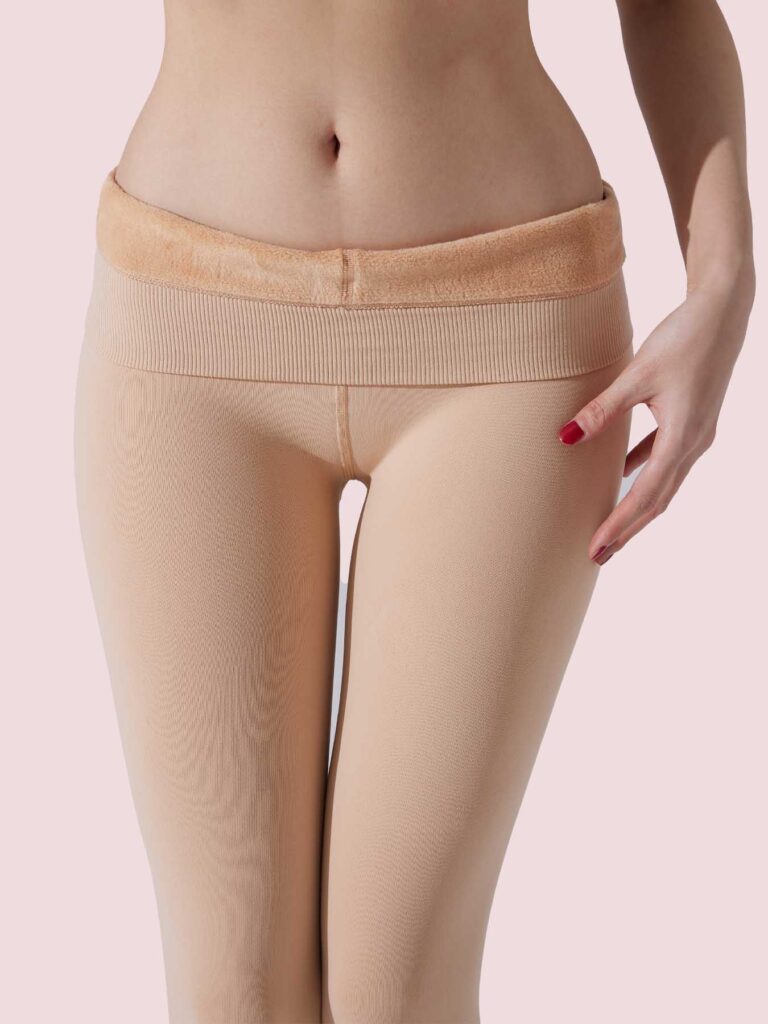
A narrow edge can dig in when it carries too much of the garment’s holding force. Review width, edge finish, stretch range, recovery, and the transition to the brief. A wider waistband may spread pressure more comfortably, but the correct result still depends on rise and body measurements. Test both the relaxed and worn dimensions.
Use Samples to Expose Sagging and Digging
Request Boundary-Size Samples
Fordern Sie ein kostenloses Probepaket an that includes the smallest and largest planned sizes, plus the central size if the range is broad. Compare waist, hip, thigh, rise, crotch position, leg length, and recovery. Have testers wear the pair under the kind of skirt, dress, or trousers associated with the SKU. A sample on one body cannot approve a plus-size program.
Keep separate notes for sagging, slipping, pinching, rolling, and fabric stress. These complaints may appear together but need different corrections. A rise adjustment is not the same as a waistband adjustment.
Check Recovery After Wear and Washing
Stretch the waistband and upper body, release them, and compare the return. Repeat after normal care. Inspect whether the garment stays at the intended waist position and whether the leg develops bagging at the knee or ankle. Heat setting and finishing can affect the final dimensions, so the approval pair should follow the same process planned for production.

Match Product Weight to the Retail Use
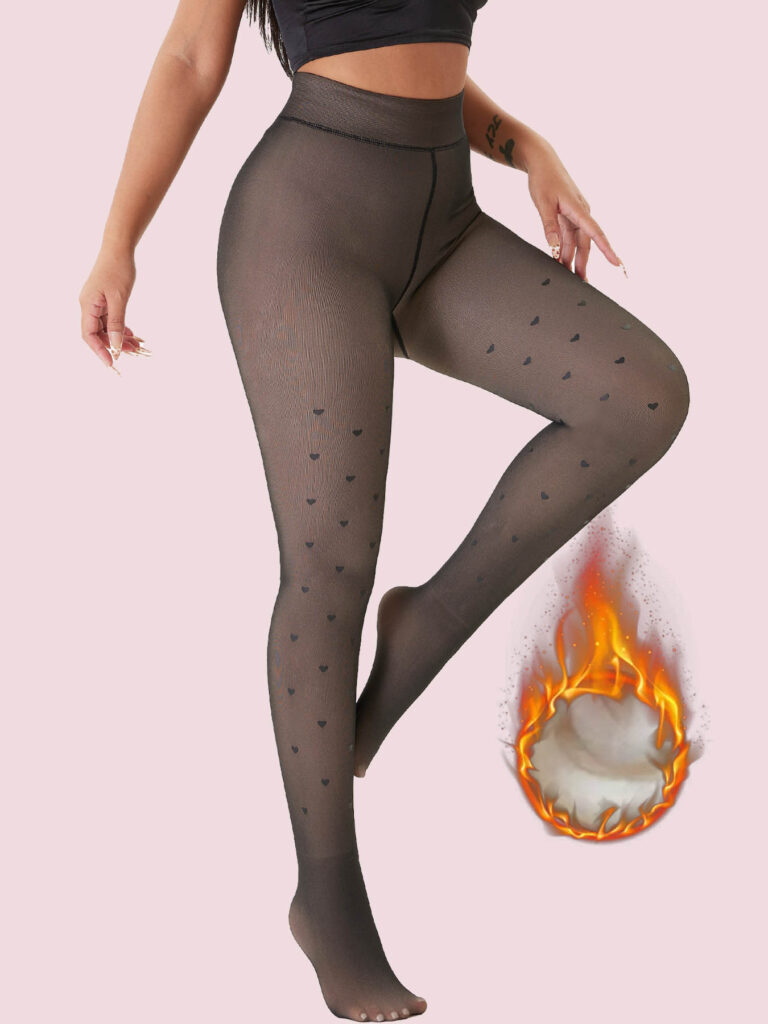
Some customers need a sheer, light layer. Others want warmth, coverage, and a more substantial shaping feel. The plus-size fleece-lined tights direction belongs in a colder-weather role with different thickness, handfeel, and size expectations. A retailer should not put both styles under one vague “seamless tights” promise.
For wholesale plus size tights, separate the range by coverage, season, waistband position, and support level. The pack should make the choice visible. List measurements, care, fabric feel in plain terms, and the intended fit. Avoid telling every plus-size customer that the garment will flatten, lift, or fit all body shapes.
Build Returns Prevention Into the Order Process
Before bulk production, approve the size chart, waistband width, rise, gusset, toe, color, folding, and package copy together. On arrival, compare packed pairs with the approved sample and check key measurements by size. A small receiving check can catch a grade change before a whole carton creates complaints.
When feedback comes in, do not blame the wearer for a confusing chart or insufficient allowance. Sort the issue by body area and size. If one size group consistently sags while another digs, the pattern may need revised grading rather than a universal tighter band.
Use Supplier Support for the Hard Part of the Brief
Once the fit requirements are written down, LSatz can support later work on seamless construction, yarn, waistband, color, size grading, labels, and packing. Bring the body measurements and sample notes to the project review. The 40D plus-size hip-control sheer tights reference can help distinguish a sheer, targeted support brief from a warmer full-coverage product.
Request a free sample pack again after a rise, waistband, yarn, denier, gusset, or size-grade change. A new sample is especially important when the product name still sounds the same but the upper construction has changed. For more detail, please Kontaktieren Sie uns.
For online retail, show the size chart next to the product images rather than hiding it at the bottom of a long description. Include a front and side fit view on more than one body where available, then state the intended waist position in the same language used on the pack. Better presentation does not correct bad grading, but it stops customers from making the wrong assumptions about a seamless construction. Ask the factory to record finished measurements, not only knitting settings. Compare received sizes with the approved tolerance and keep results by color and production lot. This makes a later change in boarding, finishing, or grading easier to trace before the next shipment repeats it. A compact receiving record also gives the buyer a factual basis for a factory discussion. That record is more useful than a vague request to make the waistband tighter.
Häufig gestellte Fragen
Q1: Why do plus size seamless tights sag at the crotch?
A1: Common possibilities include insufficient rise, inadequate seat or thigh allowance, weak recovery, an unsuitable gusset, or a size chart that directs the customer into a poor fit. The finished garment needs to be checked on the body.
Q2: How can a retailer reduce digging at the waistband?
A2: Review waistband width and edge pressure together with rise, torso room, shaping zones, and size grading. A tighter edge alone may increase discomfort without solving the fit problem.
Q3: What should a plus-size sample pack contain?
A3: Include boundary sizes, the planned central size, intended colors and coverage levels, and the final package. Test waist, hip, thigh, rise, gusset, recovery, movement, care, and the clarity of the size chart.
Build A Plus-Size Range That Fits The Actual Customer
A larger size label cannot compensate for a short rise, weak recovery, narrow waistband, or incomplete hip and thigh grading. Laseta can help private-label brands review the construction, size chart, sample range, custom labels, and package copy before a wholesale order is released.
Provide the target body measurements, planned sizes, coverage level, intended waist position, and current return reasons. Request a free plus-size seamless sample pack containing boundary sizes and the central size for comparison. For inclusive hosiery development or wholesale plus-size tights, Kontaktieren Sie Laseta with the required fit corrections and order plan.