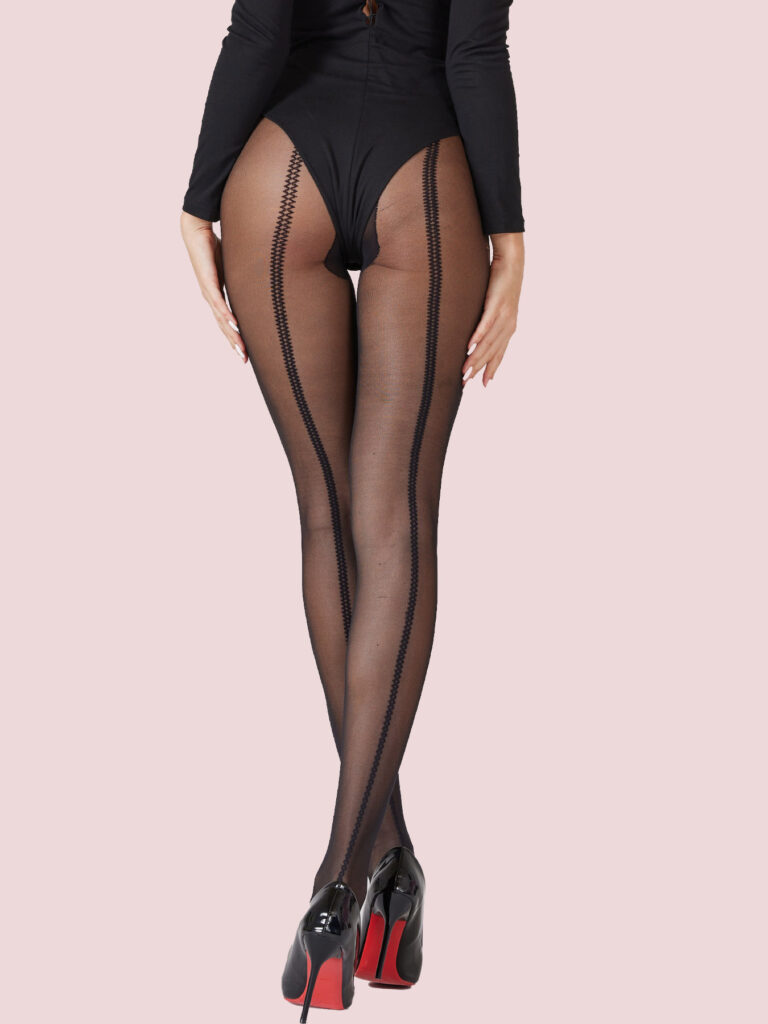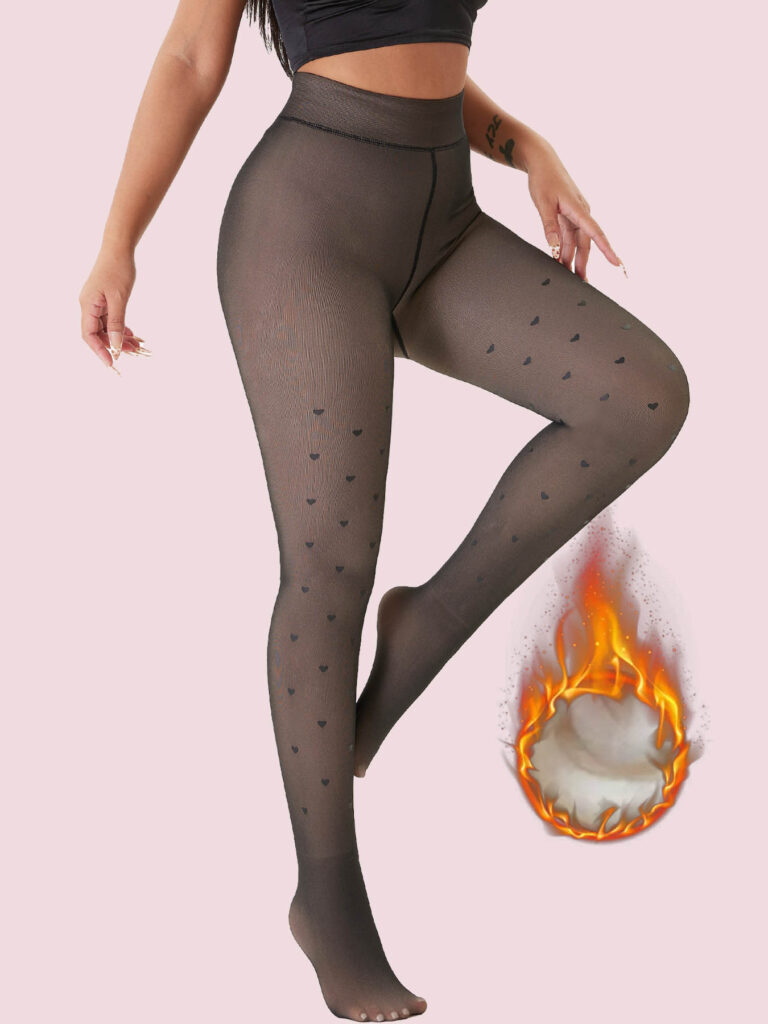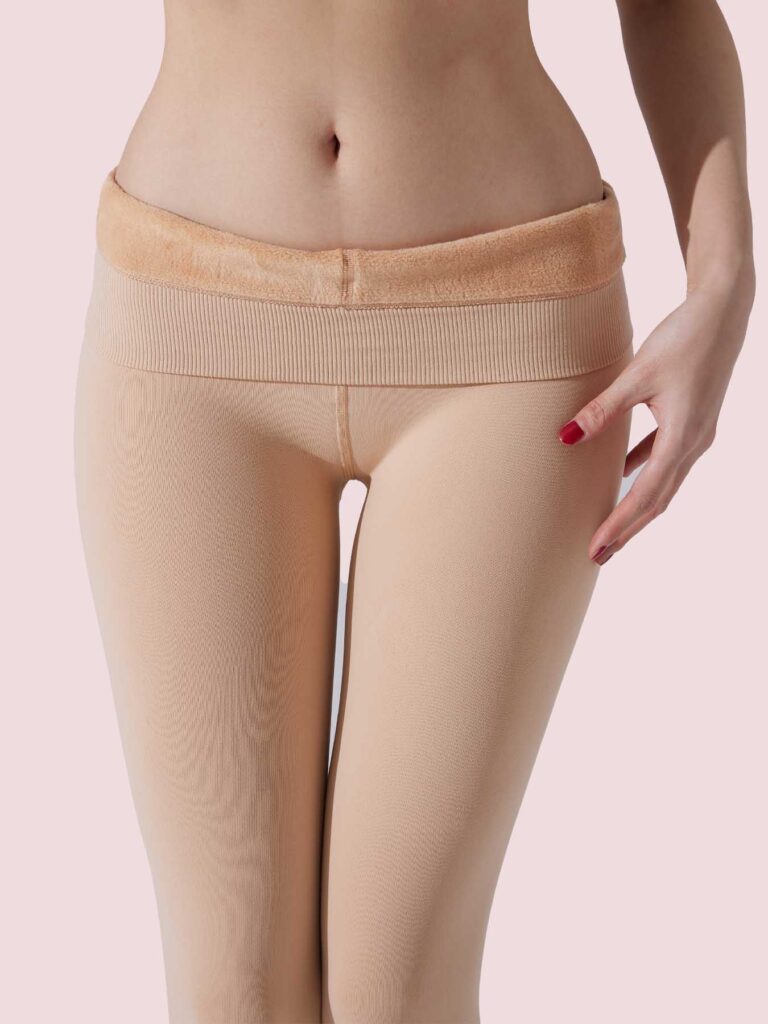
A control top can smooth an outfit and still be the reason a customer never buys the item again. Digging at the waist, a hard edge below the ribs, rolling after sitting, or a brief that pulls the crotch gusset upward are not minor comfort notes. They are design signals. Private labels often react by asking for a tighter band, which can make the next sample less wearable rather than more stable.
The better route is to look at the upper body as a system. Waistband height, edge construction, shaping zone, rise, elastane recovery, and size grading work together. A pair of comfortable shaping tights needs enough stability to stay in position and enough room for normal movement. Those are related targets, but they are not the same target.
For private-label teams, this article connects digging complaints with the construction details that may cause them, including waistband width, rise, recovery, and shaping-zone placement. It gives buyers a clearer way to review samples, adjust grading, and improve everyday comfort before approving bulk production.
Laseta develops hosiery for private-label brands that need more than a standard control-top base. Its product work covers waistband construction, shaping zones, denier selection, size grading, seamless knitting, sample approval, custom labels, and retail packaging. For brands dealing with digging, rolling, or uneven pressure, the development process can focus on the relationship between rise, waistband width, stretch recovery, and the actual target size range.
Identify Where the Garment Starts to Dig In
It’s quite possible that a waistband that rolls up and a waistband that presses into the waist can look terrible in return photos but have very different underlying causes. The rolling up of a narrow waistband, an insufficient rise, or even a mis-coordinated waistband recovery to the shaping brief at the back could all cause such problems. However, the waistband may be lying flat and digging in to the waist. This type of pressure is concentrated along the edge of the waistband and is caused by a tight waistband size. It’s often a combination of both the above scenarios that cause problems in this area.
Also, high-waisted hosiery needs sufficient rise and torso length to sit up without being held up by excessive elastic force. A short upper body may look fine on a mannequin but travel down when the wearer is sitting or walking. Increasing waistband tension in order to stop such movement may create pressure marks and give rise to further discomfort. Give your test team things to do with the finished sample garment, such as sitting, standing, walking, bending, etc. Note at what point pressure is felt, does the top of the waistband move? How does the feeling change as the garment stretches? Mark the natural waist, the waistband edge, and the lower limit of the control zone. Use this to create a usable correction brief instead of just ‘make it stronger.’
Redesign the Band Before Adding More Compression
The waistband is only one part of the upper construction, but it is where the wearer feels the decision. Consider its width, edge softness, elasticity, recovery, and transition into the brief. A broader, well-balanced band may spread force more comfortably than a narrow band with a high pull. The correct answer depends on the rise, denier, fabric stretch, and target wearer.
Use Graduated Support Where It Has a Job
Control pantyhose can use a shaping brief or selected support zones, but not every region needs the same resistance. The abdominal area, hip, and lower brief may need different behaviors. A heavy panel that stops abruptly can create a visible line or pressure point under a dress. The product should be reviewed on a body and in the clothing it is meant to support.
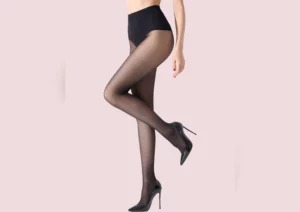
The tummy control butt lift sheer tights can help a buyer frame a product that combines a shaping brief with a fine leg. It should not be used to promise the same effect for everybody. The pack and product page should describe the intended support level in straightforward terms and keep strong body-shaping claims out unless the approved construction supports them.
Check the Brief-to-Leg Transition
A control top should not announce itself as a hard horizontal line. Inspect the transition under daylight and close-fitting clothing. If it causes a visible band, the buyer may need a different knit transition, a different brief height, or a different support zone rather than extra pressure.
Treat Size Grading as a Comfort Feature
A control top that fits a central sample size can still dig in at the top or slide at the lower end of the size range. Grade the waistband, rise, hip area, thigh, and leg length together. One measurement changed in isolation can make the finished garment pull in an unexpected area.
Sample the Boundary Sizes
Request a free sample pack covering the boundary sizes in the planned range. Compare relaxed measurements, stretch behavior, recovery after wear, and fit after sitting. Review the waistband with the dress or skirt most likely to be worn with the product. This is more useful than testing only the sample size that is easiest to fit.
Use Clear Size and Support Language
Include the body measurements used for the chart, the intended waist position, the support description, and care guidance. A customer should not have to guess whether the high waist is meant to sit at the natural waist or lower on the torso. Clear selection guidance prevents some complaints before the product is opened.
Approve the Finished Pair, Not an Early Prototype
Knitting, dyeing, heat setting, boarding, inspection, and packing can change the feel and recovery of a finished pair. Review the completed garment after the full processing route. Compare several pairs for waistband width, leg length, shade, handfeel, and the way the control section returns after stretch.
A distinctive construction such as high-waist suspender tights has its own fit and styling questions. It should not be treated as evidence that a classic control top will stay comfortable. Keep the test standard specific to the actual product brief.
Move Private-Label Decisions to the Approval Stage
Once the comfort standard is written down, Laseta can support later choices around construction, denier, color, size chart, labels, and packing. The private-label request should include the approved fit notes, not only a desired compression word. Request a free sample pack again when the waistband, shaping zone, yarn, size grade, or package changes.
For a lighter support benchmark, the 20D ultra-sheer control top pantyhose can be checked for its relationship between a fine leg, reinforced toe, and upper-body comfort. It is a reference for the review, not a promise that a sheer construction will suit every customer or dress. Compare it with the intended private-label brief under normal movement and real clothing.
FAQ
Q1: Why do control-top tights dig in even when they do not roll down?
A1: The edge can be too firm, too narrow, or poorly matched to the rise and shaping brief. A flat waistband can still create an uncomfortable pressure point.
Q2: Is a tighter waistband the best way to stop movement?
A2: No. It may increase pressure without solving a short rise, weak recovery, or unsuitable brief construction. Test the whole upper body before changing the band.
Q3: What should a private label include in the sample brief?
A3: Include waistband height and width, intended support zones, rise, target size range, test outfits, body measurements, and a clear record of acceptable comfort and recovery.
Build A More Comfortable Private-Label Control Range
A control-top program should be approved on the body, not only on a specification sheet. Laseta can help private-label buyers review waistband pressure, rise, shaping zones, size grading, denier, labeling, and packaging before bulk production.
Share the target customer profile, preferred support level, size range, and current fit complaints. Request a free sample pack to compare the first construction against the brand’s existing product. For OEM or ODM control-top tights, contact Laseta with the required fit corrections and retail positioning.